
Have you ever wondered what happens to your tropical fish when the lights go out? Nighttime is a crucial period for your aquatic friends, and how you monitor them during these hours can make a big difference in their health and happiness.
If you want to ensure your fish thrive around the clock, understanding nighttime monitoring is key. You’ll discover simple yet effective ways to keep an eye on your tropical fish after dark, so you can protect your underwater world even when you’re not watching.
Keep reading to learn how to take your fish care to the next level.
Importance Of Nighttime Monitoring
Nighttime monitoring helps keep tropical fish safe and healthy. Fish behavior can change at night, so watching them is important.
Checking the tank during the night helps spot problems early. It also ensures the environment stays stable for the fish.
Detecting Illness Early
Fish may show signs of sickness at night. Monitoring helps catch these signs before they get worse.
Look for unusual swimming, spots, or color changes. Early care can save the fish’s life.
Preventing Stress In Fish
Nighttime can be stressful if the tank is too bright or noisy. Monitoring lets you adjust lighting and noise levels.
Calm nights help fish rest and stay healthy. Stress can weaken their immune system.
Maintaining Water Quality
Water conditions may change overnight. Monitoring helps detect problems like low oxygen or high waste.
Good water quality keeps fish active and disease-free. Night checks can prevent sudden water issues.
Observing Natural Behavior
Some tropical fish are more active at night. Watching them helps understand their habits and needs.
Knowing their behavior improves tank setup and care routines. It also helps spot any unusual changes.
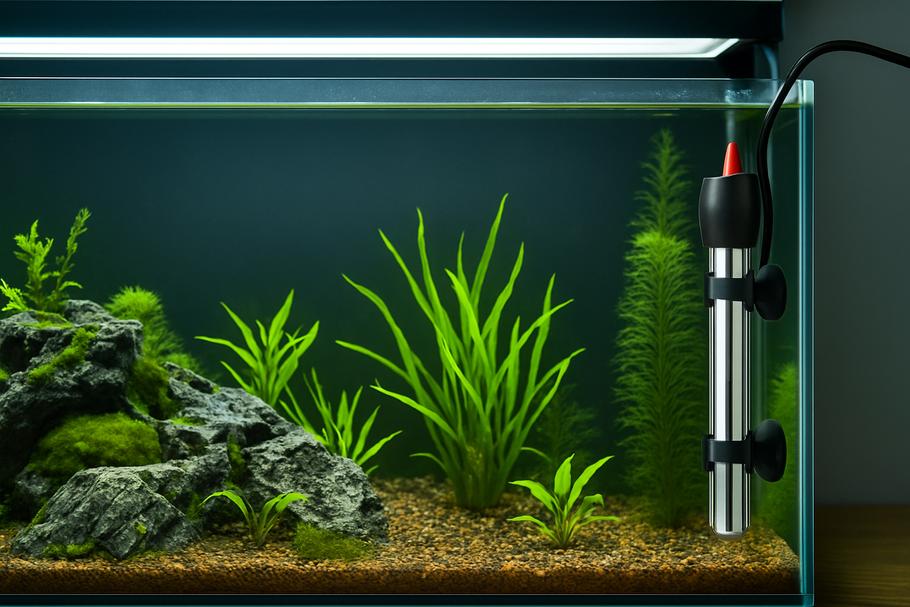
Credit: www.ratemyfishtank.com
Common Nighttime Behaviors
Tropical fish behave differently at night than during the day. Understanding their nighttime actions helps keep them healthy.
Knowing what to expect can make aquarium care easier and more effective for your fish.
Sleeping Patterns
Most tropical fish rest during the night. They often stay still near plants or decorations. Some fish close their eyes, while others just slow down.
Feeding Habits
Tropical fish usually eat less at night. Many species stop feeding completely. Some fish that are active at night look for small insects or leftover food.
- Nocturnal fish search for food during dark hours.
- Diurnal fish feed mostly in daylight and rest at night.
- Feeding schedules affect their nighttime activity.
Activity Levels
Activity levels drop for most tropical fish at night. Some hide in caves or plants. Others swim slowly or hover in one place.
| Fish Type | Night Activity | Resting Spot |
| Guppies | Low | Near plants |
| Catfish | High | Bottom of tank |
| Tetras | Low | Middle of tank |
Equipment For Night Monitoring
Nighttime monitoring helps keep tropical fish safe and healthy. It allows you to watch fish behavior in the dark. Using the right tools makes this easier and more effective.
Different equipment works well for different needs. Cameras, lighting, and sensors all play a role. Each tool helps you learn more about your aquarium at night.
Low-light Cameras
Low-light cameras capture clear images in dim conditions. They use special sensors to see without bright lights. This helps avoid disturbing the fish during night observation.
Infrared Lighting
Infrared lighting provides light that fish cannot see. It lights up the tank for cameras without stressing the fish. Infrared helps get good video without changing fish behavior.
- Works well with low-light cameras
- Does not disturb fish activity
- Easy to install around the tank
- Energy efficient and long-lasting
Water Quality Sensors
Water quality sensors track key conditions at night. They measure temperature, pH, and oxygen levels. Good water quality keeps tropical fish healthy and active.
| Sensor Type | What It Measures | Importance |
| Temperature Sensor | Water temperature | Fish need stable warmth |
| pH Sensor | Acidity or alkalinity | Balance affects fish health |
| Oxygen Sensor | Dissolved oxygen | Fish need oxygen to breathe |
Maintaining Optimal Water Conditions
Nighttime monitoring helps keep tropical fish healthy. Water conditions can change at night.
Watching key factors like temperature, oxygen, and pH keeps fish safe and comfortable.
Temperature Control
Fish need steady temperatures to stay healthy. Nighttime can cause drops in heat.
Use heaters and thermometers to keep the water warm and stable overnight.
- Check temperature before sleeping
- Set heater to tropical fish needs
- Avoid sudden temperature changes
Oxygen Levels
Fish need oxygen in the water to breathe. Oxygen can drop at night.
Use air pumps or plants to keep oxygen levels high while fish rest.
- Check air pump function regularly
- Add live plants for oxygen
- Avoid overcrowding the tank
Ph Balance
pH shows how acidic or basic the water is. Fish need stable pH levels.
Test pH often and adjust to match the natural habitat of your tropical fish.
- Use pH test kits at night
- Add buffers to adjust pH if needed
- Keep water clean to avoid pH swings
Detecting Health Issues At Night
Nighttime monitoring of tropical fish helps catch health problems early. Fish often hide signs of illness during the day.
Watching fish closely at night can reveal stress, disease, and behavior changes. This keeps your fish safe and healthy.
Signs Of Stress
Stress weakens fish and can cause sickness. Look for pale colors, clamped fins, or fast breathing at night.
- Hiding more than usual
- Loss of appetite
- Erratic swimming
- Gasping at the surface
- Scratching against objects
Common Diseases
Tropical fish get diseases like ich, fin rot, and velvet. These often show signs in low light.
| Disease | Nighttime Signs |
| Ich | White spots on fins or body |
| Fin Rot | Frayed or disintegrating fins |
| Velvet | Gold or rusty dust on skin |
| Fungal Infection | White cotton-like growths |
Behavioral Changes
Fish behavior changes when sick. Watch for odd movements or lack of activity at night.
Signs to watch:
- Swimming in circles
- Floating upside down
- Staying still at the tank bottom
- Sudden aggression or hiding
Safe Nighttime Feeding Tips
Feeding tropical fish at night requires special care. It helps maintain their health and the tank’s environment.
Learn how to choose the right food, determine feeding frequency, and avoid overfeeding.
Choosing The Right Food
Fish need different foods at night. Some are active and need more energy.
- Use slow-sinking pellets for bottom dwellers.
- Offer protein-rich foods for active fish.
- Avoid foods that cloud the water.
Feeding Frequency
Frequency of feeding impacts fish health. Too much food can harm them.
Avoiding Overfeeding
Overfeeding can lead to waste and dirty water. It is important to control food quantity.
| Fish Type | Feeding Limit |
| Goldfish | 2-3 minutes |
| Tetras | 2 minutes |
| Catfish | 3-5 minutes |
Creating A Night-friendly Environment
Tropical fish need a calm environment at night. Setting the right conditions ensures they feel safe and secure.
Adjusting light, providing hiding spots, and reducing noise helps create a peaceful habitat.
Lighting Adjustments
Proper lighting is important for tropical fish at night. Too much light can stress them out.
- Use dim lights to mimic moonlight.
- Set timers for lights to create a natural day-night cycle.
- Choose LED lights for energy efficiency.
Hiding Spots
Fish need places to hide and rest. Natural hiding spots reduce stress levels.
Add rocks, plants, or caves in the aquarium. These provide safe zones for fish to retreat.
Reducing Noise And Vibrations
Noises and vibrations can disturb fish. Keeping the environment quiet is important.
| Source | Solution |
| Filter noise | Use a quieter filter model |
| Room vibrations | Place the tank on a stable surface |
| External sounds | Keep the tank away from loud devices |
:strip_icc()/close-up-of-fish-swimming-in-aquarium-at-home-742356665-5aa2bab2fa6bcc00377fd8b0.jpg)
Credit: www.thesprucepets.com
Using Technology To Enhance Monitoring
Nighttime monitoring helps keep tropical fish safe while they rest. Technology makes this easier and more accurate. It allows fish owners to watch their tanks without being there all the time.
New tools send alerts and track conditions. These tools help catch problems early and keep fish healthy. Let’s explore some ways technology helps with nighttime monitoring.
Automated Alerts
Automated alerts notify you if something changes in the tank. Sensors check water temperature, pH, and oxygen levels. If these go outside safe ranges, the system sends a warning.
This helps avoid stress or harm to fish. You can fix problems before they get worse. Alerts come as texts, emails, or app notifications.
- Temperature too high or low
- Water quality changes
- Equipment failures
Remote Monitoring Apps
Remote apps let you check your tank from anywhere. You can see live video or sensor data on your phone. This keeps you connected to your fish at night or while away.
Some apps let you control lights and feeders remotely. This keeps the tank environment stable. You can respond quickly to any alerts or changes.
- View live tank conditions
- Control tank devices remotely
- Receive real-time updates
Data Logging
Data logging stores information about your tank over time. It tracks temperature, pH, and other factors every hour or day. This shows patterns and helps find problems early.
Reviewing logs helps improve care. You can adjust settings based on past data. Some systems create charts and reports for easy understanding.
- Tracks water temperature changes
- Logs pH and oxygen levels
- Provides charts for trend analysis

Credit: www.youtube.com
Frequently Asked Questions
Why Is Nighttime Monitoring Important For Tropical Fish?
Nighttime monitoring ensures tropical fish remain healthy and stress-free. It helps detect early signs of illness or unusual behavior. Proper observation at night prevents tank issues and maintains water quality, promoting a safe environment for fish to thrive during their rest period.
How Can I Monitor Tropical Fish At Night Effectively?
Use dim, red LED lights to observe without disturbing fish. Employ a low-light camera for continuous monitoring. Regularly check water parameters and fish behavior during nighttime to ensure optimal tank conditions and fish well-being.
What Are Common Nighttime Behaviors Of Tropical Fish?
Tropical fish often rest, hide, or swim slowly at night. Some species are nocturnal and more active during dark hours. Understanding these behaviors helps identify stress or illness early, ensuring timely care and a healthy aquarium environment.
Can Nighttime Monitoring Improve Fish Health?
Yes, nighttime monitoring helps spot health issues early. It allows prompt intervention for infections or stress. Continuous observation ensures water quality remains stable, reducing risks and promoting long-term fish vitality and happiness.
Conclusion
Nighttime monitoring keeps tropical fish safe and healthy. It helps spot problems early and avoids stress. Using simple tools makes watching fish easier at night. Regular checks improve water quality and fish behavior. This care supports a happy, thriving aquarium.
Small efforts each night bring big benefits. Stay consistent and enjoy your peaceful fish tank.