
Is your aquarium heater acting up or not keeping your fish comfortable? Replacing it might seem tricky, but with the right tips, you can do it quickly and safely.
Your fish rely on stable water temperature to stay healthy, so getting this right is crucial. You’ll discover simple, effective steps to replace your aquarium heater without stress. Keep reading to protect your underwater friends and ensure your tank stays the perfect habitat.
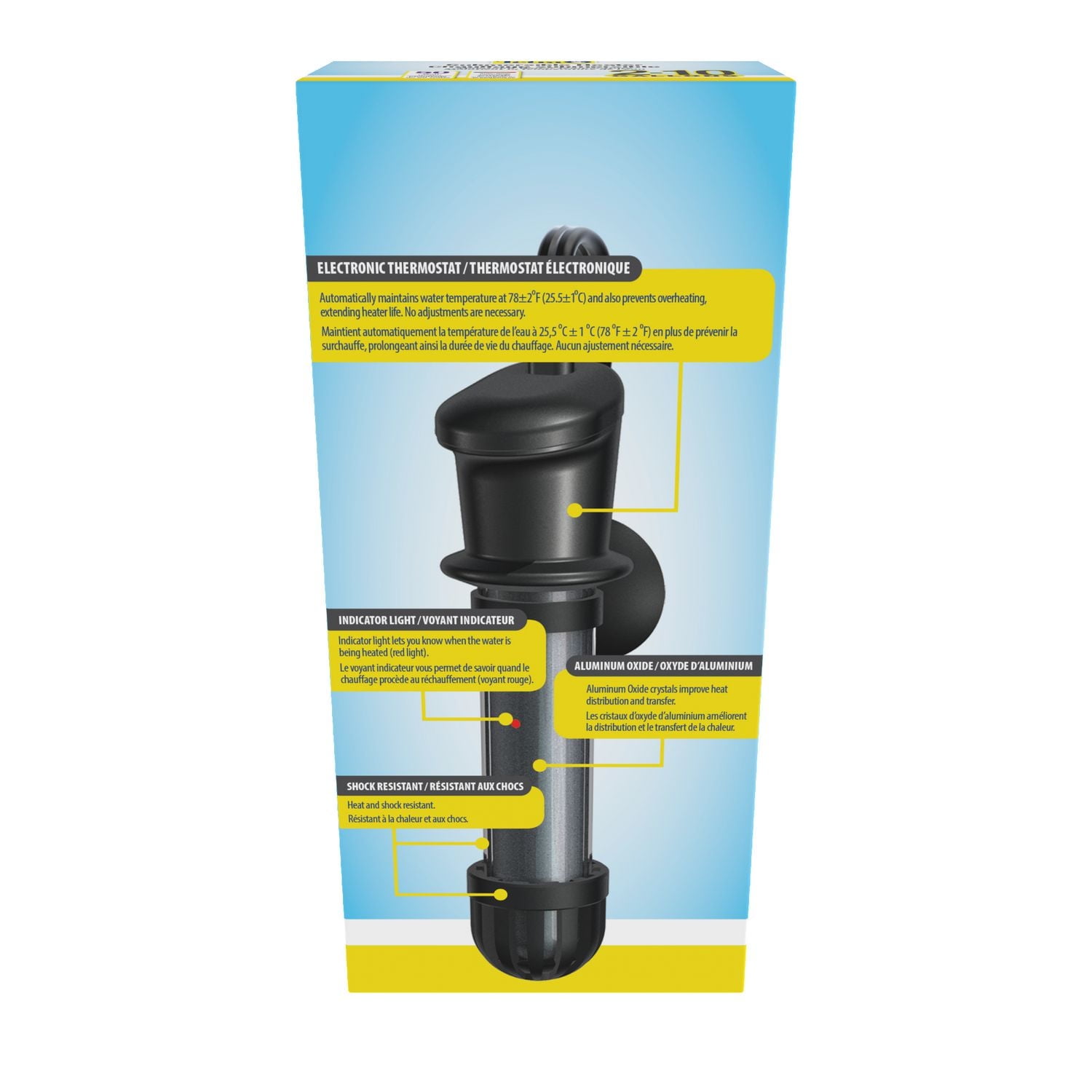
Credit: www.walmart.ca
Choosing The Right Heater
Replacing an aquarium heater means picking one that fits your tank well. A good heater keeps fish healthy and happy.
Think about the size, type, and energy use before you buy a new heater. These tips help you choose the best one.
Match Heater Size To Aquarium
Heater size depends on your aquarium’s water volume. Too small a heater will not keep the water warm. Too large can cause temperature swings.
- Use 3 to 5 watts per gallon of water for a good range.
- For tanks over 50 gallons, pick a heater with a higher wattage.
- Consider extra power if the room is cold or the tank is open.
Types Of Aquarium Heaters
There are different heaters for various setups. Each type fits a specific need in your aquarium.
| Heater Type | Description |
| Submersible | Fully underwater, good for most tanks. |
| In-line | Heats water in the filter or pump system. |
| Immersion | Partially submerged, easy to install. |
| Substrate | Heats from the tank bottom, used in planted tanks. |
Energy Efficiency Considerations
Energy use affects your bills and the environment. Pick a heater that saves power but keeps the tank warm.
- Look for heaters with built-in thermostats for precise control.
- Choose models with automatic shutoff to avoid overheating.
- Heaters with good insulation keep heat longer.
- Check energy ratings before purchase.

Credit: www.ebay.ca
Preparing For Replacement
Replacing an aquarium heater is important to keep fish safe. Proper preparation helps avoid problems.
Before starting, gather tools and check the tank conditions. This makes the process smooth and safe.
Gathering Necessary Tools
Collect all needed tools before replacing the heater. This saves time and prevents interruptions.
- New aquarium heater suitable for your tank size
- Clean cloth or towel to dry your hands
- Bucket or container for temporary fish holding (if needed)
- Thermometer to check water temperature
- Gloves for handling electrical parts
Turning Off Equipment Safely
Turn off all electrical devices before removing the heater. This prevents electric shocks.
Unplug the heater and any filters or lights near the tank. Wait for the heater to cool down.
- Unplug heater from power outlet
- Switch off filters and pumps
- Turn off aquarium lights
- Wait 15-20 minutes for heater to cool
Checking Water Parameters
Check water temperature and quality before replacing the heater. This ensures a safe environment.
Use a thermometer to know the current temperature. Test water pH and hardness if possible.
- Measure water temperature with a reliable thermometer
- Check pH level using test kits
- Test water hardness for fish health
- Note any sudden changes in water quality
Removing The Old Heater
Replacing your aquarium heater is important for keeping your fish safe. Removing the old heater requires care and attention.
This guide covers how to handle the heater, protect your tank and fish, and dispose of the old unit properly.
Handling With Care
Always turn off and unplug the heater before removal. Give it time to cool down to avoid burns or damage.
- Unplug the heater from the power source.
- Let the heater cool for at least 15 minutes.
- Gently remove suction cups or attachments.
- Lift the heater slowly to avoid disturbing the tank.
Avoiding Damage To Tank And Fish
Removing the heater can stress fish and harm the tank setup. Follow these tips to keep everything safe.
| Action | Why It Matters |
| Remove heater gently | Prevents water disturbance and stress to fish |
| Avoid sudden movements | Keeps fish calm and safe |
| Do not drain tank water | Keeps the environment stable for fish |
| Use a net if needed | Helps move fish safely away from the heater |
Proper Disposal Methods
Dispose of the old heater safely to protect the environment and local rules.
- Check if the heater can be recycled as electronic waste.
- Do not throw it in regular trash bins.
- Contact your local waste management for disposal instructions.
- Consider donating if the heater still works but is not needed.
Installing The New Heater
Replacing your aquarium heater needs careful steps. Proper installation helps keep your fish safe and healthy.
Follow these tips to place, secure, and set your new heater correctly for best results.
Placement Tips For Optimal Heat Distribution
Place the heater where water flows well. This spreads heat evenly across the tank.
- Put the heater near a filter outlet or water pump.
- Avoid corners or dead spots with little water movement.
- Keep it fully submerged according to the heater’s instructions.
- Check for proper clearance from decorations and plants.
Securing The Heater
Secure the heater firmly to avoid accidents. A loose heater can damage fish or the aquarium.
| Method | Description |
|---|---|
| Suction Cups | Use strong suction cups to attach the heater to the glass wall. |
| Clips or Brackets | Some heaters come with clips to fix them in place securely. |
| Position Check | Make sure the heater stays vertical or as recommended by the manufacturer. |
Setting The Temperature Correctly
Set the heater to the right temperature for your fish type. Avoid sudden changes to keep fish safe.
- Check the ideal temperature range for your aquarium species.
- Adjust the heater dial slowly to the desired setting.
- Use a reliable aquarium thermometer to monitor temperature.
- Wait 24 hours to ensure the temperature is stable.
Post-replacement Checks
Replacing your aquarium heater is just the first step. After installation, you must check that it works well. This helps keep your fish safe and healthy.
Performing post-replacement checks ensures the temperature stays stable. Watch your fish and adjust the heater as needed to avoid problems.
Monitoring Water Temperature
Use a reliable aquarium thermometer to check the water temperature often. Make sure the heater keeps the water at the right level for your fish.
Check the temperature at different spots in the tank. This helps you find cold or hot areas and confirm the heater works evenly.
- Read the thermometer at least twice daily
- Measure near the heater and far from it
- Keep a temperature log for the first few days
Observing Fish Behavior
Watch your fish closely after heater replacement. Fish can show signs if the temperature is not right for them.
Look for changes in activity, eating habits, or breathing. These signs help you know if the heater needs adjusting.
- Fish hiding more than usual may feel cold
- Fast breathing can mean water is too warm
- Loss of appetite can signal stress
Adjusting Settings If Needed
If the water temperature is off, adjust the heater settings carefully. Change the temperature in small steps to avoid shock.
After adjusting, keep monitoring the water and fish behavior. Make more changes only if needed to keep the tank stable.
- Adjust temperature by 1-2 degrees at a time
- Wait 4-6 hours before checking again
- Never set the heater above fish tolerance levels

Credit: us.biorb.com
Safety Precautions
Keeping your aquarium safe is essential for the well-being of your fish. Understanding how to handle aquarium heaters is crucial. Follow these safety tips to avoid accidents.
Avoiding Electrical Hazards
Electrical hazards are a significant risk with aquarium heaters. Always ensure your hands are dry before handling any electrical equipment. Position the heater where water cannot splash onto the plug.
- Check the power cord for damage regularly
- Use a GFCI outlet to prevent electrical shocks
- Never plug in a heater while it is out of water
Regular Maintenance Practices
Maintaining your aquarium heater ensures it works efficiently. Regular checks can help you spot issues early. Clean the heater to avoid algae buildup.
Inspect the heater every month for wear and tear. Replace parts if needed to keep it functioning safely.
When To Replace Heaters
Knowing when to replace your heater prevents problems. Look for signs of wear or failure to keep your aquarium stable.
| Sign | Action |
| Temperature fluctuations | Consider replacing the heater |
| Cracks in the heater | Replace immediately |
| Unusual noises | Check for damage and replace if needed |
Frequently Asked Questions
How Do I Know When To Replace My Aquarium Heater?
You should replace your aquarium heater if it stops maintaining a stable temperature. Signs include inconsistent heating, visible damage, or unusual noises. Regular checks help ensure a healthy tank environment for your fish and plants.
What Is The Best Wattage For Aquarium Heater Replacement?
Choose a heater wattage based on your tank size. Generally, 3-5 watts per gallon is ideal. Proper wattage ensures efficient heating without overheating or underheating your aquarium.
Can I Replace The Heater Without Disturbing The Fish?
Yes, you can replace the heater carefully by turning off the power first. Remove the old heater gently and install the new one quickly to minimize stress on your fish.
How Often Should Aquarium Heaters Be Replaced?
Aquarium heaters typically last 1-3 years. Replace them if they show signs of wear or fail to maintain temperature. Regular maintenance improves tank safety and fish health.
Conclusion
Replacing your aquarium heater keeps your fish safe and healthy. Choose the right heater size for your tank. Always check the heater’s condition regularly. Use a reliable thermometer to monitor water temperature. Turn off the heater before removing it. Follow safety steps to avoid electric shocks.
Proper care helps your heater last longer. A warm, stable tank means happy fish. Simple steps make a big difference. Keep your aquarium cozy and safe every day.