
Are you struggling to create the perfect environment for your breeding tanks? The right lighting can make all the difference in the health and growth of your aquatic life.
LED lighting for breeding tanks is not just about illumination—it’s about enhancing your tank’s conditions to boost breeding success. Imagine providing your fish or shrimp with light that supports their natural rhythms while saving energy and cutting down on heat.
Keep reading to discover how LED lighting can transform your breeding setup and help you achieve better results with less effort.
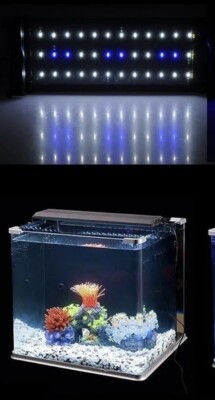
Credit: www.ebay.ca
Benefits Of Led Lighting
LED lighting is a popular choice for breeding tanks. It offers many advantages for fish and plants.
Using LED lights helps create a good environment. It supports healthy growth and saves resources.
Energy Efficiency
LED lights use less power than traditional bulbs. They reduce electricity bills and save energy.
They give bright light without heating the tank. This keeps water temperature stable for fish.
Longevity And Durability
LED bulbs last much longer than other lights. They can work for many years without needing replacement.
These lights resist damage from moisture and vibrations. They are strong and reliable in wet tank areas.
Customizable Light Spectrum
LEDs can produce different colors and brightness levels. This helps adjust light to suit fish and plants.
Custom light settings improve plant growth and fish health. You can match light to breeding needs easily.

Credit: www.amazon.co.uk
Impact On Breeding Success
LED lighting plays a key role in breeding tanks for aquatic animals. It affects how well fish reproduce and raise their young.
Proper light helps create a healthy environment that encourages natural behaviors and improves survival rates.
Stimulating Reproductive Behavior
LED lights can mimic natural daylight cycles. This helps fish start mating behaviors at the right time.
- Adjust light color to match species’ natural habitat
- Use timers to create consistent day and night periods
- Bright but soft light encourages activity without stress
Enhancing Egg Development
Light quality affects how eggs grow and hatch. LED lighting provides steady and gentle illumination.
| Lighting Aspect | Effect on Eggs |
| Light Intensity | Prevents overheating and damage |
| Light Spectrum | Supports cell growth and health |
| Duration | Ensures proper development timing |
Improving Fry Survival Rates
Proper LED lighting helps young fish see food and avoid stress. This raises their chance of survival.
- Reduces shadows that scare fry
- Supports natural feeding behavior
- Maintains calm water conditions
Choosing The Right Led Setup
Choosing the right LED lighting for breeding tanks is important for healthy fish growth. The light affects fish behavior and tank environment. This guide helps you pick the best LED setup for your breeding tanks.
We will cover key points like light intensity, color temperature, and timing controls. Each factor plays a role in creating a good habitat for your fish.
Light Intensity And Coverage
Light intensity means how bright the LED light is. Coverage means how well the light spreads over the tank. Both affect how well plants and fish respond in the tank.
- Use medium to low light intensity to avoid stressing fish.
- Choose LEDs with adjustable brightness for flexibility.
- Ensure light covers the entire tank evenly.
- Check the tank size and choose LEDs that match its dimensions.
Color Temperature Selection
Color temperature is the light color measured in Kelvins (K). It changes how the tank looks and affects fish behavior. Different temperatures suit different breeding needs.
| Color Temperature (K) | Effect | Use |
| 3000K – 4000K | Warm, soft light | Good for calm, low-stress environments |
| 5000K – 6500K | Bright, daylight-like | Supports plant growth and active fish |
| 7000K – 10000K | Cool, bluish light | Enhances fish color and simulates natural water |
Dimming And Timing Controls
Dimming and timing help control how long and how bright the lights stay on. This mimics natural daylight cycles and reduces fish stress.
Benefits of dimming and timing controls:
- Set gradual light changes to avoid sudden brightness.
- Program on/off cycles matching fish natural habitat.
- Save energy by reducing light when not needed.
- Adjust settings for different breeding stages.
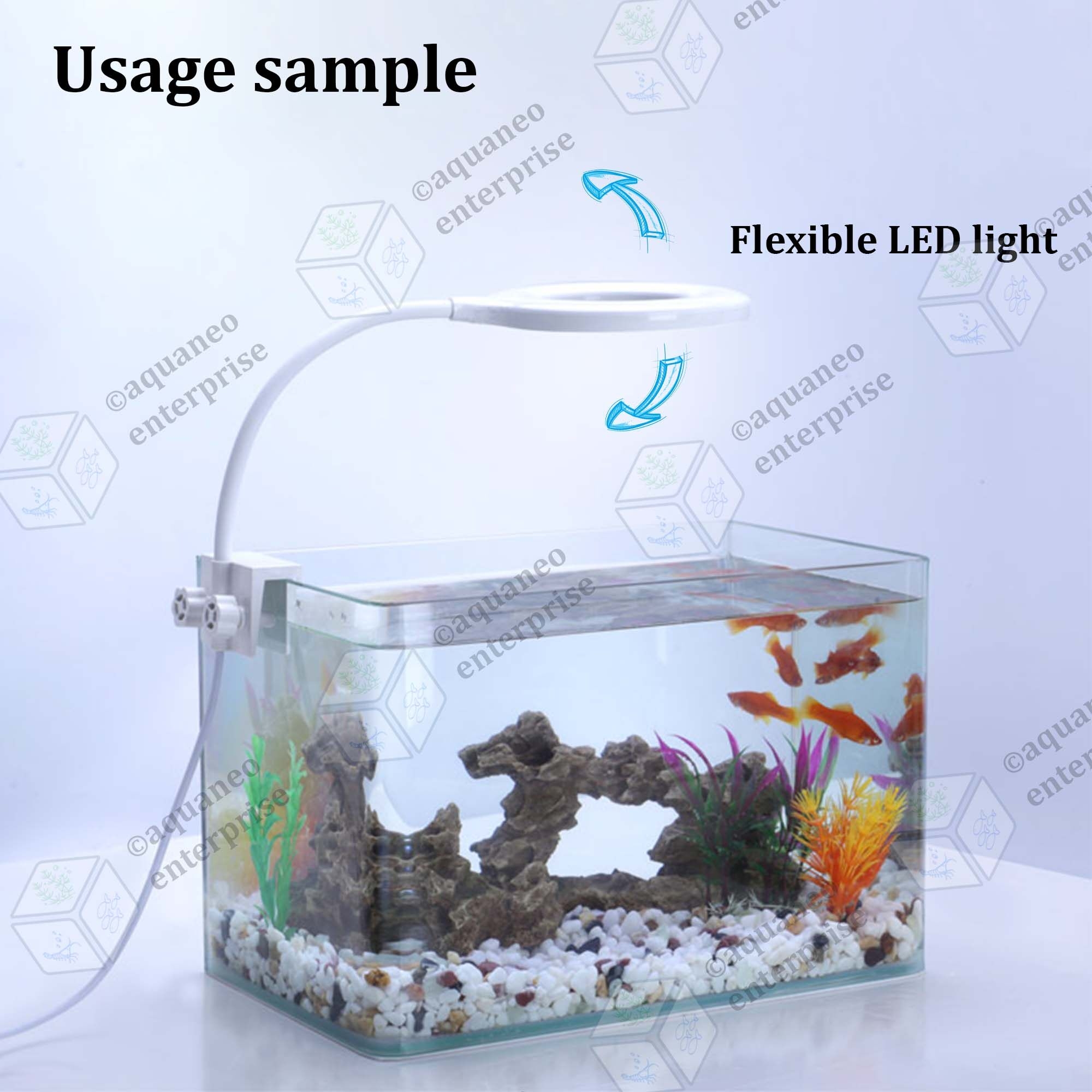
Credit: www.aquaneo2u.com
Installation Tips For Breeding Tanks
Installing LED lighting in breeding tanks helps fish grow well. Good lighting makes eggs and fry healthy. Use the right setup for best results.
Follow these tips to set up LED lights safely and effectively in your breeding tanks.
Positioning For Optimal Light Distribution
Place LED lights above the tank to spread light evenly. Avoid direct glare on fish to reduce stress. Position lights so all parts of the tank get enough light.
- Center lights over the tank for uniform coverage
- Use adjustable mounts to change light angles
- Keep lights 6-12 inches above water surface
- Test light spread before final installation
Waterproofing And Safety Measures
Keep LED lights safe by using waterproof models. Protect electrical parts from water splashes. Use proper seals and covers to avoid damage.
- Choose LED lights with IP65 rating or higher
- Seal all cable connections with waterproof tape
- Place power sources away from water
- Use ground fault circuit interrupter (GFCI) outlets
Maintenance And Cleaning
Clean LED lights regularly to keep brightness high. Remove dust and water spots gently. Check for damage to avoid risks.
- Turn off and unplug lights before cleaning
- Use a soft cloth or brush for cleaning
- Inspect cables and seals monthly
- Replace damaged parts immediately
Comparing Led With Other Lighting Options
Lighting is important for breeding tanks. It helps fish and plants grow well. Different types of lights have different effects.
LED lights are popular, but other options like fluorescent, incandescent, and sunlight are used too. Let’s compare these choices.
Fluorescent Lights
Fluorescent lights have been common in fish tanks for years. They provide good light for plants and fish.
These lights use more energy than LEDs and need regular replacement. They also produce more heat, which can change water temperature.
- Moderate energy use
- Needs bulb changes every year or two
- Produces some heat
- Good for plant growth
Incandescent Bulbs
Incandescent bulbs are old-style lights. They are cheap but use a lot of electricity.
These bulbs create a lot of heat that may harm fish. They also do not provide the right light spectrum for plants.
- High energy use
- Short lifespan
- Produces much heat
- Not ideal for plants
Natural Sunlight
Natural sunlight is free and good for plants. It provides a full spectrum of light needed for growth.
Direct sunlight can cause water temperature to rise too much. It can also cause algae growth in tanks.
- Full spectrum light
- Free and natural
- Can overheat the tank
- May cause algae problems
Case Studies And Success Stories
LED lighting is vital for breeding tanks. It supports growth and health in aquatic environments.
Many aquarists have shared their success stories. They show how LED lighting improves breeding outcomes.
Freshwater Breeding Tanks
Freshwater tanks benefit greatly from LED lighting. It simulates natural sunlight and promotes healthy breeding.
One breeder noted increased fry survival rates. The LED lights helped maintain ideal conditions for their fish.
- Improved plant growth
- Balanced water temperature
- Enhanced fish coloration
Saltwater Breeding Tanks
LED lighting is crucial in saltwater breeding tanks. It provides the spectrum needed for coral and fish health.
Aquarists have seen better coral growth. LED lights mimic the ocean’s light, supporting natural behaviors.
| Benefit | Description |
| Coral Growth | LEDs promote faster coral growth |
| Fish Health | Supports immune function in fish |
| Algae Control | Prevents unwanted algae blooms |
Species-specific Results
Different species have unique lighting needs. LED technology allows customization for each species.
Cichlid breeders reported vibrant colors in their fish. The specific light spectrum enhanced their appearance.
- Tetras showed increased activity
- Guppies had higher birth rates
- Discus fish displayed improved health
Frequently Asked Questions
What Are The Benefits Of Led Lighting For Breeding Tanks?
LED lighting provides energy efficiency, longer lifespan, and customizable light spectrums. It enhances fish health and promotes breeding success by mimicking natural light conditions.
How Does Led Lighting Affect Fish Breeding Behavior?
LED lights simulate day-night cycles, reducing stress and encouraging natural breeding behaviors. Proper lighting intensity and spectrum improve spawning rates and fry survival.
Can Led Lighting Improve Plant Growth In Breeding Tanks?
Yes, LED lights support aquatic plant growth by providing optimal light wavelengths. Healthy plants improve water quality and create a balanced environment for breeding fish.
What Led Color Spectrum Is Best For Breeding Tanks?
A full-spectrum LED with adjustable blue and red light is ideal. Blue light promotes calmness, while red light encourages breeding and plant photosynthesis.
Conclusion
LED lighting helps create a healthy environment for breeding tanks. It uses less energy and stays cool, protecting fish and eggs. Brightness and color can be adjusted to match needs. This lighting supports plant growth and reduces algae problems. Choosing the right LED setup improves tank conditions and breeding success.
Small changes make a big difference in fish health. Keep lighting consistent for better results every time. Simple, efficient, and safe—LED lights suit breeding tanks well.