
Choosing the right tank size for your freshwater angelfish is one of the most important decisions you’ll make as a fish owner. If your tank is too small, your angelfish won’t have enough space to swim and grow comfortably.
But if it’s too big, you might be wasting resources and money. You want your angelfish to thrive, look vibrant, and live a long, healthy life. You’ll discover the perfect tank size that meets your fish’s needs and keeps your aquarium balanced.
Keep reading to find out exactly what your angelfish require and how to create the best home for them.
Ideal Tank Size
Freshwater angelfish need enough space to swim and grow. Choosing the right tank size helps keep them healthy.
A suitable tank also allows you to add plants and decorations. This creates a natural environment for your angelfish.
Minimum Dimensions
The smallest tank for one angelfish should be at least 20 gallons. This gives the fish enough room to move freely.
The tank should be at least 24 inches long and 12 inches wide. Height is important too because angelfish swim vertically.
- Tank capacity: 20 gallons minimum
- Length: 24 inches minimum
- Width: 12 inches minimum
- Height: 18 inches or more
Space For Growth
Angelfish grow up to 6 inches tall. They need extra space as they grow bigger.
A 30 to 40 gallon tank is better for a small group. This tank size supports healthy swimming and reduces stress.
- For 2-4 angelfish, choose 30-40 gallons
- Provide at least 24 inches height for vertical swimming
- More space helps keep water quality stable
Tank Shape And Layout
Choosing the right tank shape is important for freshwater angelfish. Their long fins and body need enough space to swim comfortably. The layout inside the tank also affects their behavior and health.
This guide looks at tall versus wide tanks and offers aquascaping tips to create a good environment for angelfish.
Tall Vs Wide Tanks
Tall tanks provide more vertical space for angelfish to swim up and down. Wide tanks offer more horizontal swimming room. Both types have benefits depending on your setup and fish number.
| Tank Type | Pros | Cons |
| Tall Tank | More vertical space, natural for angelfish fins | Less horizontal swimming room |
| Wide Tank | More horizontal swimming area, better for groups | Less vertical space for fins |
Aquascaping Tips
Good aquascaping helps angelfish feel safe and reduces stress. Use plants, rocks, and hiding places to mimic their natural habitat.
- Place tall plants near the back and sides for vertical cover.
- Use flat stones or driftwood to create horizontal swim spaces.
- Keep open areas for swimming in the middle of the tank.
- Include hiding spots like caves or dense plants.
- Arrange decorations to allow easy movement and sight lines.
Water Parameters
Freshwater angelfish need clean water to stay healthy. Proper water parameters help them grow well.
Keeping the water stable is important. Fish feel less stress and live longer with good water quality.
Temperature Range
Angelfish prefer warm water. The ideal temperature range is between 76°F and 82°F (24°C to 28°C).
Keep the temperature steady. Sudden changes can make angelfish sick or stressed.
Ph And Hardness
Angelfish thrive in slightly acidic to neutral water. The pH should be between 6.5 and 7.5.
Water hardness affects their health. Aim for soft to moderately hard water, about 3 to 8 dGH.
- pH: 6.5 to 7.5
- Water Hardness: 3 to 8 dGH (degrees of General Hardness)
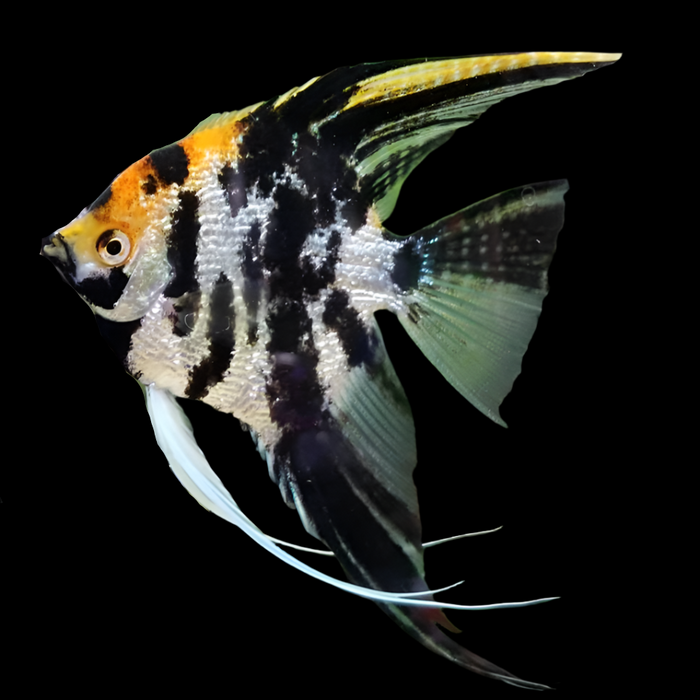
Credit: www.coastgemusa.com
Stocking Considerations
Choosing the right tank size depends on how many angelfish you keep. You must also think about their tankmates. Good stocking keeps fish healthy and happy.
Too many fish can cause stress and poor water quality. Plan your aquarium space carefully to avoid problems.
Number Of Angelfish
Angelfish grow to about 6 inches tall and wide. They need space to swim and hide. For each adult angelfish, allow at least 10 gallons of water.
- One angelfish: A 10-gallon tank is minimum.
- Two angelfish: Use a 20-gallon tank to avoid fights.
- Four or more: A 40-gallon or larger tank is best.
Compatible Tankmates
Angelfish are semi-aggressive. Choose tankmates that swim in different water levels and have peaceful temperaments.
| Fish Type | Compatibility | Notes |
|---|---|---|
| Tetras | Good | Small, fast swimmers |
| Corydoras Catfish | Good | Bottom dwellers |
| Gouramis | Fair | Watch for aggression |
| Goldfish | Poor | Different temperature needs |
| Discus | Good | Similar water needs |
Filtration And Maintenance
Proper filtration keeps freshwater angelfish tanks clean and healthy. Good maintenance helps fish stay active and disease-free.
Choosing the right filter and cleaning it regularly are key for a balanced tank environment.
Filter Types
Filters remove waste and harmful chemicals from the water. They also add oxygen to the tank. Here are common types used for angelfish tanks.
- Hang-on-back (HOB) filters:Easy to install and clean. Good for small to medium tanks.
- Canister filters:Powerful and quiet. Best for larger tanks with heavy bio-loads.
- Sponge filters:Gentle flow and great for fry tanks. Good biological filtration.
- Internal filters:Placed inside the tank. Suitable for smaller setups.
Cleaning Schedule
Regular cleaning keeps filters working well and water safe for angelfish. Follow this schedule to maintain your tank.
| Task | Frequency |
| Check filter media | Every 2 weeks |
| Rinse filter sponges or pads | Monthly |
| Replace carbon or chemical media | Every 4-6 weeks |
| Clean tank glass and decorations | Weekly |
| Partial water change (20-25%) | Weekly |
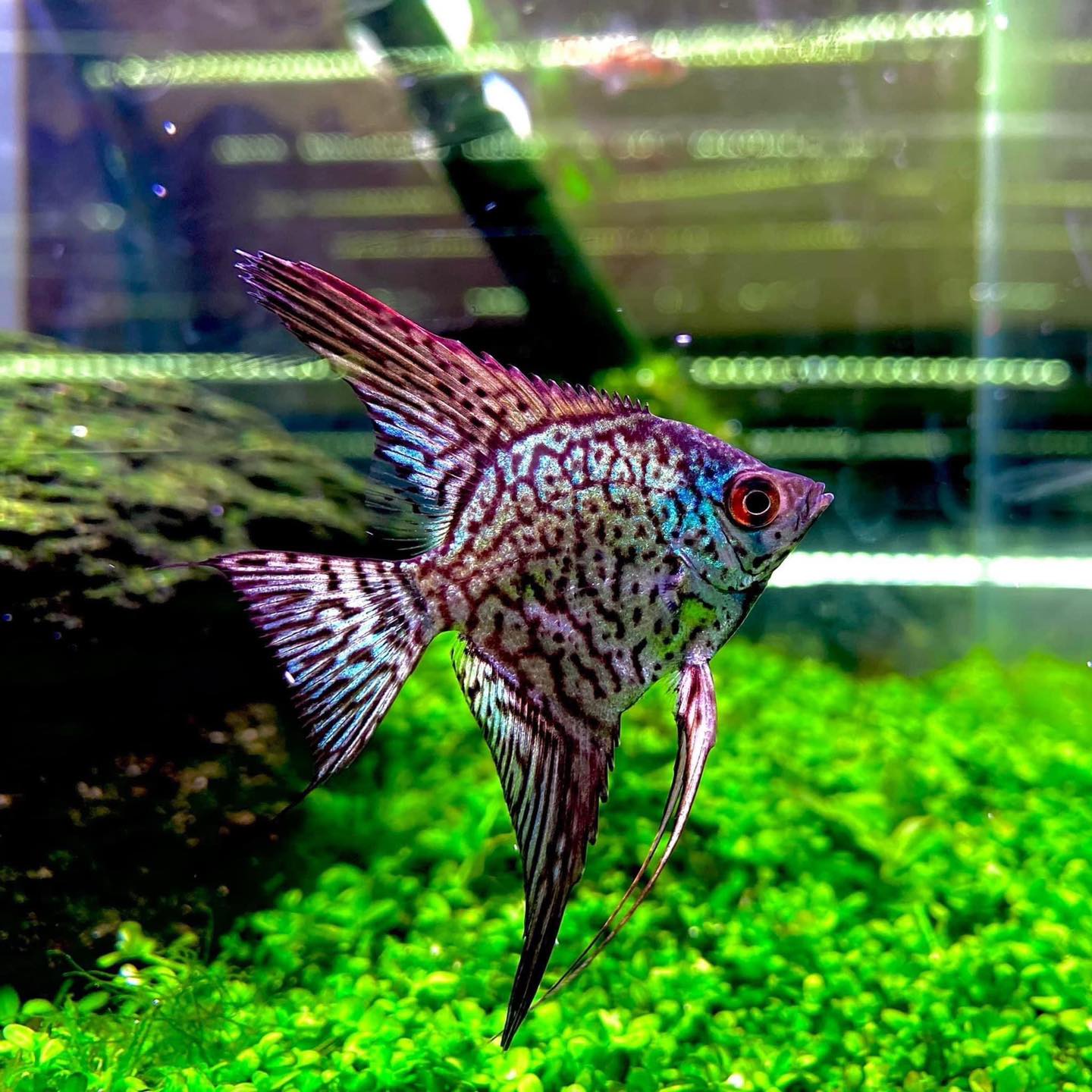
Credit: tropicflow.com
Signs Of Tank Stress
Freshwater Angelfish are sensitive to their environment. A small tank can cause stress. Stress impacts their health and behavior.
Understanding stress signs helps in maintaining a healthy habitat. This ensures your angelfish thrive.
Behavioral Changes
Angelfish show stress through behavior changes. They might become aggressive or hide often.
Another sign is loss of appetite. They might stop eating or eat less than usual.
- Hiding more than usual
- Increased aggression
- Reduced appetite
Water Quality Issues
Poor water quality stresses angelfish. Dirty water affects their breathing and health.
Regular water changes are necessary. This keeps the tank clean and reduces stress.
- Cloudy water
- High ammonia levels
- Infrequent water changes

Credit: www.reddit.com
Frequently Asked Questions
What Is The Ideal Tank Size For Freshwater Angelfish?
The ideal tank size for freshwater angelfish is at least 20 gallons. Larger tanks of 30 gallons or more provide better swimming space and stability, especially for groups or breeding pairs.
How Many Angelfish Can Fit In A 20-gallon Tank?
A 20-gallon tank can comfortably house 2 to 3 angelfish. Overcrowding can stress the fish and degrade water quality, so avoid adding too many angelfish in small tanks.
Why Is Tank Size Important For Angelfish Health?
Proper tank size ensures good water quality and reduces stress. Angelfish need space to swim and establish territories, which promotes their overall health and longevity.
Can Angelfish Live In Small Tanks Under 20 Gallons?
Small tanks under 20 gallons are not recommended for angelfish. Limited space restricts movement and causes rapid water parameter fluctuations, harming the fish’s health.
Conclusion
Choosing the right tank size helps your freshwater angelfish live well. A bigger tank means more space to swim and grow. It also keeps water clean and healthy for your fish. Small tanks can cause stress and health problems. Give your angelfish room to thrive.
Remember, a good tank size keeps your fish happy and active. This simple step improves your fishkeeping experience a lot. Take care of your angelfish by picking a suitable tank today.