
Are you curious about how goby species survive and thrive in different temperatures? Understanding their temperature adjustments is key to keeping these fascinating fish healthy and happy.
Whether you’re a hobbyist or just interested in aquatic life, knowing how gobies adapt to changing conditions can help you create the perfect environment for them. Keep reading to discover the secrets behind their temperature tolerance and how you can use this knowledge to care for your gobies better than ever before.
Goby Species And Their Habitats
Goby fish live in many places like oceans, rivers, and lakes. They adapt well to different water conditions.
These small fish are found worldwide, especially in warm and tropical areas. Their habitats affect how they handle temperature.
Common Goby Types
There are many types of goby fish. Some live in fresh water, while others live in salt water.
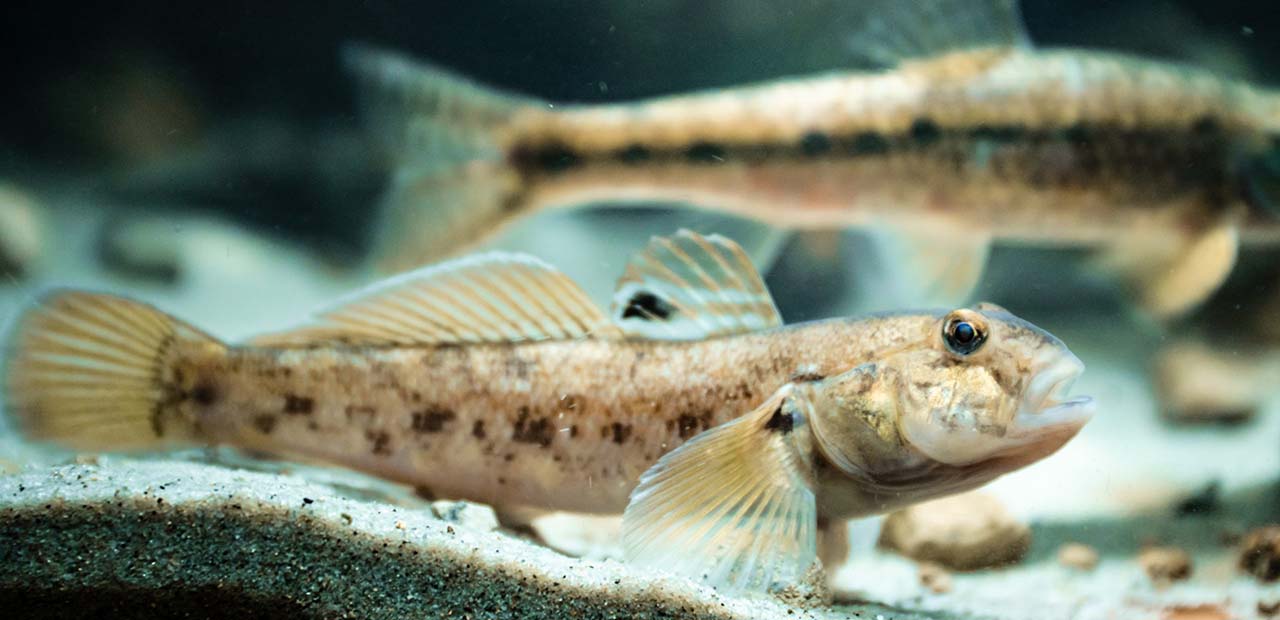
Popular types include the neon goby, mudskipper, and the round goby. Each type has unique habits and habitats.
- Neon Goby: bright and found in coral reefs
- Mudskipper: lives in mudflats and can breathe air
- Round Goby: common in freshwater lakes and rivers
Natural Temperature Ranges
Goby fish survive in a range of temperatures. Most prefer water between 20°C and 28°C (68°F to 82°F).
Some species, like the round goby, can live in cooler water as low as 4°C (39°F). Others need warmer water to thrive.
| Goby Species | Typical Habitat | Temperature Range (°C) |
|---|---|---|
| Neon Goby | Coral reefs | 24 – 28 |
| Mudskipper | Mudflats and mangroves | 22 – 30 |
| Round Goby | Freshwater lakes and rivers | 4 – 24 |
Impact Of Temperature On Gobies
Temperature plays a key role in the life of goby fish. It affects how they live and grow.
Changes in water temperature can change goby metabolism, behavior, and breeding success.
Effects On Metabolism
Gobies have faster metabolism at higher temperatures. They use more energy and need more food.
- In warm water, gobies swim and feed more.
- Cold water slows their metabolism down.
- Very high temperatures can stress gobies and reduce energy.
Behavioral Changes
Temperature changes can alter how gobies act. They may hide or explore less in cold water.
| Temperature | Behavior |
| Low (below 15°C) | Less active, more hiding |
| Moderate (15-25°C) | Normal swimming and feeding |
| High (above 25°C) | Increased activity, risk of stress |
Reproductive Success
Gobies need the right temperature to breed well. Too cold or hot water lowers egg survival.
Temperature effects on goby reproduction include:
- Optimal range: 18°C to 24°C for egg laying
- Below 18°C delays spawning
- Above 24°C reduces egg and larva survival
Signs Of Temperature Stress
Goby species react strongly to changes in water temperature. These changes can cause stress that affects their health and behavior.
Recognizing signs of temperature stress helps in taking quick action to protect your gobies.
Physical Symptoms
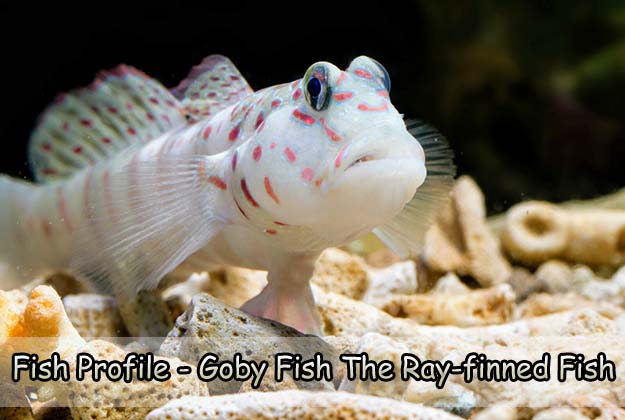
Temperature stress shows up in gobies through several physical symptoms. These signs indicate that their bodies are struggling to cope.
- Faded or dull coloration
- Clamped fins that stay close to the body
- Rapid or irregular gill movement
- Visible lesions or sores on the skin
- Swollen or bloated abdomen
Changes In Activity Levels
Temperature shifts also affect how active gobies are. Stress can make them less energetic or cause unusual behavior.
| Activity Change | Description |
| Reduced Movement | Goby stays near the bottom or hides more than usual. |
| Erratic Swimming | Sudden bursts of speed or uncoordinated movements. |
| Loss of Appetite | Refuses food or eats less than normal. |
| Increased Surface Breathing | Spends more time near the water surface gasping for air. |
Credit: www.hygger-online.com
Adjusting Aquarium Conditions
Goby species need proper temperature to stay healthy in an aquarium.
Adjusting the temperature helps create a safe and comfortable environment.
Temperature Control Devices
Using the right devices helps keep the water temperature steady for gobies.
- Aquarium heaters keep the water warm during cold days.
- Thermostats monitor and adjust the heater automatically.
- Cooling fans or chillers lower the temperature when it is too high.
- Thermometers help check the current water temperature regularly.
Maintaining Stable Conditions
Stable temperature is key to avoiding stress and illness in gobies.
| Tip | Description |
| Check daily | Measure water temperature every day to catch changes early. |
| Avoid sudden changes | Adjust temperature slowly to prevent shock to fish. |
| Use timers | Set heaters and coolers on timers for consistent control. |
| Clean devices | Regularly clean heaters and thermometers for accuracy. |
Seasonal Temperature Management
Goby species need careful temperature care throughout the year. Seasonal changes affect their health and behavior. Adjusting water temperature helps keep gobies safe and active.
Both cold winters and hot summers require different strategies. Understanding these needs ensures your gobies thrive in all seasons.
Winter Care Tips
In winter, water temperature can drop too low for gobies. Keep the water warm but stable to avoid stress. Sudden temperature changes can cause illness.
- Use an aquarium heater with a reliable thermostat.
- Check water temperature daily to maintain 72-78°F (22-26°C).
- Reduce feeding since gobies eat less in cold water.
- Keep the tank away from cold drafts and windows.
- Perform smaller water changes to keep temperature steady.
Summer Heat Strategies
High temperatures can stress gobies in summer. Water above 80°F (27°C) can lower oxygen levels and increase disease risk.
| Strategy | Action |
| Cooling | Use fans or aquarium chillers to reduce temperature. |
| Shade | Place the tank away from direct sunlight. |
| Oxygen | Add air stones to increase oxygen levels in water. |
| Feeding | Feed smaller amounts to prevent water pollution. |
| Monitoring | Check temperature twice a day during heat waves. |
Credit: www.hygger-online.com
Feeding And Temperature
Goby species change their feeding habits based on water temperature. Temperature affects their metabolism and hunger levels.
Understanding how temperature impacts feeding helps keep gobies healthy and active in different environments.
Diet Adjustments
Goby fish eat less when water is cold. Their metabolism slows down, so they need fewer calories.
In warmer water, gobies require more food. Their bodies burn energy faster and need more nutrients.
- Cold water: feed smaller amounts
- Warm water: increase food portions
- Use easily digestible foods in cold conditions
Feeding Frequency
Goby feeding times depend on temperature. In cold water, feed fewer times per day.
In warmer water, feed gobies more often. Their energy needs rise with temperature.
- Cold conditions: 1-2 feedings daily
- Warm conditions: 3-4 feedings daily
- Observe goby behavior to adjust feeding schedule
Breeding And Temperature
Goby species have specific needs when it comes to breeding. Temperature plays a big role in this process. Adjusting the temperature can help ensure successful breeding.
Understanding the right temperature is key. It affects the health of the eggs and the young fish. Let’s explore the optimal settings for goby breeding.
Optimal Breeding Temperatures
Goby fish need warm water to breed well. Keeping the right temperature helps the eggs develop properly.
- The ideal range is between 75°F and 82°F.
- Consistent temperature avoids stress for the fish.
- Use a reliable aquarium heater for stability.
Incubation And Fry Care
After the eggs are laid, incubation begins. The right conditions ensure healthy fry.
| Stage | Temperature (°F) | Duration (Days) |
| Incubation | 76°F – 80°F | 5 – 7 |
| Fry Growth | 78°F – 82°F | 14 – 21 |
During incubation, monitor the water closely. This helps prevent any sudden changes that could harm the eggs.
Preventing Temperature-related Diseases
Goby fish are sensitive to temperature changes. These changes can cause diseases.
Managing the water temperature is key. It helps in keeping the goby fish healthy.
Common Illnesses Linked To Temperature
Temperature changes can lead to several illnesses in goby fish. Some common issues include:
- Ichthyophthirius multifiliis (Ich)
- Fungal infections
- Bacterial infections
- Stress-related diseases
Preventive Measures
Preventive measures are essential to avoid temperature-related diseases.
| Measure | Action |
| Monitor Temperature | Use a reliable thermometer |
| Stable Environment | Avoid sudden temperature changes |
| Quality Filtration | Maintain clean water |
| Regular Checks | Observe fish behavior daily |
Consistent care leads to healthier goby fish. Always be attentive to their needs.
Monitoring Tools And Techniques
Keeping goby fish healthy means watching their water temperature closely. Fish need a steady temperature to stay active and safe.
There are simple tools and ways to check water temperature. These help fishkeepers keep the right conditions for goby species.
Thermometers And Sensors
Thermometers are the main tools to measure water temperature. They show the exact heat level where the gobies live.
Sensors can connect to devices and give real-time data. This helps in quick temperature checks without opening tanks.
- Digital thermometers show temperature clearly and quickly
- Glass thermometers are simple but need careful reading
- Wireless sensors send data to phones or computers
- Some sensors alert if the water gets too hot or cold
Regular Observation Practices
Watching the fish and their environment helps spot problems early. Regular checks make sure the gobies stay safe.
Daily observation includes looking for changes in fish behavior and water conditions. This helps keep the temperature stable.
- Check water temperature at least twice a day
- Look for signs of stress in gobies, like hiding or slow movement
- Note any sudden changes in water clarity or smell
- Keep a log of temperature readings and fish behavior

Credit: www.sciencedirect.com
Frequently Asked Questions
What Is The Ideal Temperature For Goby Species?
Goby species thrive best between 72°F and 82°F. Maintaining stable temperatures ensures their health and activity levels. Sudden changes can stress them and cause illness.
How Do Goby Species Adjust To Temperature Changes?
Goby species adapt by altering their metabolism and behavior. They seek cooler or warmer areas in their habitat. However, rapid shifts can be harmful and should be avoided.
Can Gobies Survive In Cold Water?
Most gobies prefer warmer water and may struggle in cold conditions below 65°F. Some species tolerate cooler temperatures but generally need warmth to stay active and healthy.
Why Is Temperature Regulation Important For Gobies?
Proper temperature supports gobies’ immune systems and breeding. It influences their digestion and energy use. Consistent temperatures prevent stress-related diseases and promote longevity.
Conclusion
Goby species change their behavior to handle temperature shifts. They move to cooler or warmer areas as needed. These fish adjust their body functions too. Understanding their temperature habits helps keep them healthy in tanks. Small changes make big differences for gobies.
Watch their reactions to keep them safe. Temperature matters a lot for goby survival. Careful attention leads to happy, thriving fish.