
If you’re passionate about creating stunning underwater landscapes, you know that lighting plays a crucial role in bringing your aquascape to life. Choosing the right LED lighting can make a huge difference in how vibrant and healthy your plants and fish look.
But with so many options out there, how do you find the perfect setup for your tank? This guide will help you understand why LED lighting is a game-changer for aquascape hobbyists like you and how to pick the best lights to make your aquarium truly shine.
Keep reading, and discover how to transform your aquascape into a breathtaking masterpiece.
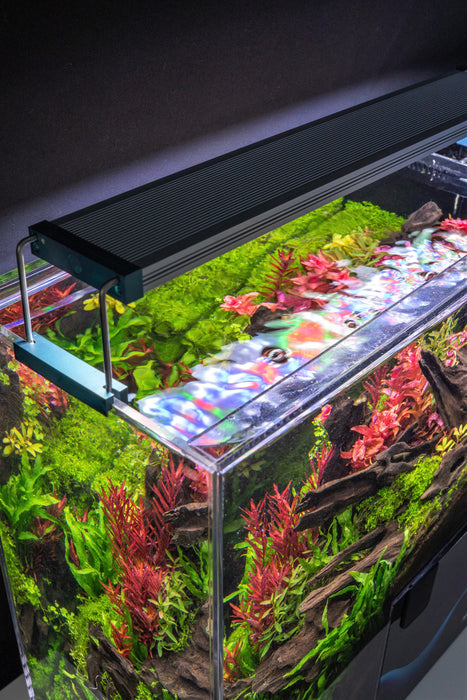
Credit: buceplant.com
Benefits Of Led Lighting
LED lighting is popular among aquascape hobbyists. It helps plants grow and shows colors well.
Using LED lights can improve your tank’s look and save energy. Let’s explore the main benefits.
Energy Efficiency
LED lights use less electricity than other bulbs. They give more light for less power. This means lower energy bills and less impact on the environment.
Longevity And Durability
LEDs last much longer than traditional bulbs. They can work for tens of thousands of hours. This reduces the need to buy replacements often.
- Long lifespan means fewer changes
- Strong design handles moisture well
- Less risk of breaking during installation
Customizable Light Spectrum
LEDs allow users to adjust colors and brightness. You can choose light types that suit different plants and fish. This helps plants grow healthy and shows natural colors.
| Light Color | Benefit |
| Red | Boosts plant photosynthesis |
| Blue | Supports plant growth and algae control |
| White | Enhances natural look of aquarium |
| Green | Improves color contrast and fish appearance |
Low Heat Emission
LED lights produce little heat compared to other bulbs. This keeps aquarium water stable. It also lowers the risk of harming plants and fish.
Key points on low heat emission:
- Prevents water temperature spikes
- Reduces need for cooling devices
- Protects delicate aquatic life
Choosing The Right Led Lights
LED lights are popular for aquascape hobbyists. They help plants grow and make aquariums look beautiful.
Picking the right LED lights can improve your aquascape health and appearance. Learn what to consider before buying.
Light Intensity And Par Levels
Light intensity affects how well plants grow. PAR means Photosynthetically Active Radiation. It shows usable light for plants.
Choose LED lights with PAR levels that match your plants’ needs. Higher light needs more PAR. Low light plants need less.
- Low light plants: 20-40 µmol/m²/s PAR
- Medium light plants: 40-70 µmol/m²/s PAR
- High light plants: 70+ µmol/m²/s PAR
Color Temperature Options
Color temperature shows the light color. It is measured in Kelvins (K). Different temperatures affect plant growth and tank look.
Choose color temperatures based on your tank style. Cooler light (5000K-7000K) looks natural and helps plants. Warmer light (3000K-4000K) can enhance colors.
- 3000K: Warm light, highlights reds
- 5000K-6500K: Natural daylight, good for most plants
- 7000K-10000K: Cooler light, promotes green growth
Fixture Size And Coverage
Fixture size must fit your aquarium. The light should cover the whole tank evenly. Too small means dark spots.
Measure your tank length and width. Choose LED fixtures that cover this area. Some lights allow size adjustment or add-ons.
- Match fixture length to tank length
- Check light spread angle for good coverage
- Use multiple fixtures for large tanks
Dimmable And Programmable Features
Dimmable lights let you adjust brightness. This helps simulate natural daylight changes. It can reduce algae growth.
Programmable lights offer timers and color changes. You can set sunrise and sunset effects. This supports plant cycles and fish comfort.
- Dimming helps control light intensity
- Timers automate on/off times
- Color programs create natural effects
Lighting Needs For Different Plants
Aquascape plants need different light levels to grow well. Choosing the right light helps keep plants healthy. LED lighting is popular for its efficiency and color options.
This guide explains lighting needs for low-light, medium-light, and high-light plants. Knowing these needs helps aquascape hobbyists create vibrant underwater gardens.
Low-light Plants
Low-light plants thrive in dim conditions. They need gentle LED lights with low intensity. These plants grow slowly and need less light time.
- Java Fern
- Anubias
- Cryptocoryne
- Bolbitis
Medium-light Plants
Medium-light plants require moderate brightness. They do best under LED lights with balanced intensity. These plants grow faster and need more light hours than low-light types.
| Plant | Light Intensity | Recommended Hours |
| Amazon Sword | Medium | 8–10 hours |
| Vallisneria | Medium | 8–10 hours |
| Java Moss | Medium | 8–10 hours |
| Hornwort | Medium | 8–10 hours |
High-light Plants
High-light plants need strong LED lighting for healthy growth. They require bright light and longer daily exposure. These plants grow fast but need careful light control.
- Use LED lights with high PAR values
- Keep light on for 10–12 hours daily
- Monitor algae growth closely
- Adjust light distance to avoid burning
Setting Up Led Lights In Aquascapes
LED lighting is a popular choice for aquascape hobbyists. It helps plants grow and shows off the aquarium’s beauty.
Setting up LED lights correctly can improve plant health and make your aquascape look great.
Optimal Light Positioning
Place LED lights so they shine evenly across the tank. Avoid bright spots or shadows that can harm plants.
Keep the lights close enough to reach the plants, but not too close to cause algae growth.
- Center lights above the tank for even coverage
- Use adjustable mounts to change height as plants grow
- Angle lights to reduce glare on the glass
Timing And Photoperiods
Set a daily light schedule to mimic natural daylight. Too much or too little light can stress plants.
Most aquascapes do well with 8 to 10 hours of light each day. Use a timer to keep the schedule consistent.
- Turn lights on in the morning and off in the evening
- Adjust hours seasonally for plant needs
- Watch for algae growth as a sign to reduce light time
Balancing Light With Co2 And Nutrients
Plants need more than light to grow well. CO2 and nutrients must match the light intensity.
High light needs higher CO2 and nutrients. Low light needs less. Balance these to avoid algae problems.
- Use CO2 injection if lighting is strong
- Feed plants with liquid or root fertilizers
- Watch plant health to adjust light, CO2, or nutrients
Common Challenges And Solutions
Using LED lighting in aquascaping brings great benefits. Still, some challenges can affect plant health and aquarium balance.
Understanding these issues helps hobbyists create a thriving underwater garden with the right light settings.
Algae Control
Algae growth often results from too much light or poor water quality. LEDs can cause algae if left on too long or set too bright.
- Limit lighting duration to 6-8 hours daily.
- Use a timer to keep light consistent.
- Maintain good water flow and filtration.
- Add algae-eating fish or snails to the tank.
- Clean the tank and decorations regularly.
Preventing Plant Burn
Plant burn happens when LED light is too strong or too close. Leaves may turn yellow or get holes.
| Cause | Effect | Solution |
| LEDs too close | Leaf burn, bleaching | Raise lights to proper height |
| High intensity | Damaged cells, yellow leaves | Use dimmer or lower wattage LEDs |
| Long exposure | Stress and burns | Reduce lighting hours |
Avoiding Light Stress
Light stress can slow plant growth and cause leaf loss. Sudden changes in lighting make plants struggle.
To avoid light stress, follow these tips:
- Introduce new lights gradually over 3-5 days.
- Keep a stable lighting schedule every day.
- Match light intensity to plant species needs.
- Observe plants and adjust light if leaves curl or fade.
Maintenance And Upkeep
LED lighting is important for aquascape hobbyists. It helps plants grow and makes aquariums look beautiful. Proper maintenance ensures the lights work well and last longer.
Regular upkeep prevents issues and keeps your aquatic environment healthy. Let’s explore how to maintain your LED fixtures effectively.
Cleaning Led Fixtures
Cleaning LED fixtures is simple and helps in maintaining brightness. Dust and water spots can reduce light output.
Use a soft cloth to wipe the fixtures. Avoid using harsh chemicals as they may damage the surface.
- Unplug the fixture before cleaning
- Use a dry or slightly damp cloth
- Clean regularly to prevent buildup
Replacing Parts
Parts like bulbs or connectors may need replacement over time. It’s important to use compatible parts.
Check the manufacturer’s guidelines for replacement parts. This ensures safety and optimal performance.
- Identify the part that needs replacement
- Purchase the correct replacement part
- Follow instructions for installation
Monitoring Light Performance
Monitoring light performance helps in keeping plants healthy. Check the brightness and color regularly.
Observe plant growth and adjust lighting if needed. This ensures plants receive the right amount of light.
- Check for flickering lights
- Notice any changes in plant health
- Adjust lighting duration as necessary
Innovative Led Technologies
LED lighting has changed how aquascape hobbyists light their tanks. New technology offers better light quality and energy savings.
These innovations help plants grow and show fish colors clearly. Let’s look at some key features of modern LED lighting.
Smart Led Systems
Smart LED systems let users control lights with apps or remotes. You can set schedules and adjust brightness easily.
These systems make tank care simpler by automating light cycles that match natural day and night.
- Control from smartphones or tablets
- Set timers for automatic on/off
- Adjust brightness without touching the tank
Spectrum Tuning
Spectrum tuning means adjusting light colors to fit plant needs. Different plants need different light colors to grow well.
LEDs can change colors from blue to red to green. This helps plants grow strong and look healthy.
- Blue light helps leaf growth
- Red light supports flowering and fruiting
- Green light improves overall color balance
Integration With Automation
LED lights can connect with other devices for full automation. This means lights, filters, and pumps work together.
Automation keeps the tank stable. It saves time and helps fish and plants stay healthy.
- Sync lights with feeding times
- Adjust light based on water temperature
- Control multiple devices from one app

Credit: www.reddit.com
Budgeting For Led Lighting
Aquascaping is a rewarding hobby, but it can be costly. One major expense is LED lighting. Planning your budget helps you choose the right lights without overspending.
Understanding what you need ensures that you get the best value. Whether you want to light a small tank or a large display, careful budgeting is key.
Cost Vs. Quality
LED lights vary in price and quality. Cheaper lights may not last as long. High-quality lights often provide better color and brightness.
Choose a balance between cost and quality. Spending a bit more upfront can save money over time.
- Low-cost lights may need frequent replacement
- High-quality lights often include warranties
- Consider energy efficiency for long-term use
Long-term Savings
Investing in good LED lights can lead to savings. Energy-efficient models reduce electricity bills. Durable lights mean fewer replacements.
Think about the total cost over several years. Quality lights may be more affordable in the long run.
| Type | Initial Cost | Yearly Cost |
| Standard LED | $50 | $10 |
| Energy-efficient LED | $80 | $5 |
Diy Vs. Ready-made Solutions
DIY lighting can be cheaper. You can customize it to your tank’s needs. But it requires time and skills.
Ready-made solutions are convenient. They often come with features like timers. Decide based on your budget and skill level.
- DIY allows for creative control
- Ready-made is easy to install
- Consider warranty options

Credit: www.amazon.ca
Frequently Asked Questions
What Are The Benefits Of Led Lighting For Aquascapes?
LED lighting offers energy efficiency, longer lifespan, and customizable color spectra. It enhances plant growth and highlights aquatic scenery vividly. LEDs produce less heat, reducing algae growth and maintaining stable tank temperatures. These benefits make LED lighting ideal for aquascape hobbyists seeking optimal plant health and visual appeal.
How Does Led Lighting Affect Aquatic Plant Growth?
LED lights provide specific wavelengths that promote photosynthesis. They support healthy, vibrant plant growth and improve overall aquascape vitality. Adjustable intensity and spectrum allow hobbyists to tailor light conditions for different plant species. Proper LED lighting encourages lush, thriving plants and balanced aquarium ecosystems.
Can Led Lighting Reduce Algae Problems In Aquascapes?
Yes, LED lighting helps control algae by producing less heat. It offers targeted light spectra that favor plants over algae. Proper light duration and intensity prevent algae overgrowth. Using LED lights with appropriate settings supports a cleaner, healthier aquascape environment.
What Is The Ideal Led Spectrum For Aquascape Plants?
The ideal LED spectrum includes blue and red wavelengths, essential for photosynthesis. Balanced white light enhances plant color and growth. Adjustable full-spectrum LEDs mimic natural sunlight, promoting robust aquatic plants. Selecting the right spectrum ensures optimal plant health and visual appeal.
Conclusion
Choosing the right LED lighting helps plants grow strong and healthy. It also makes your aquascape look bright and colorful. Good lighting saves energy and lasts a long time. It is easy to adjust and fits many tank sizes. Taking care of your plants becomes simple with LED lights.
Enjoy a beautiful underwater garden every day. Keep learning and experimenting with different light settings. This keeps your hobby fun and rewarding. LED lighting truly supports your aquascape’s health and beauty.