
Have you ever wondered why some plants thrive under certain lights while others struggle? The secret lies in the light spectrum and how it fuels plant photosynthesis.
Understanding which colors of light your plants need can make a huge difference in their growth and health. You’ll discover exactly how different parts of the light spectrum affect your plants, helping you boost their energy and vitality. Keep reading to unlock the key to greener, stronger plants right in your home or garden.
Role Of Light In Photosynthesis
Light is essential for plants to make their food. They use sunlight to start photosynthesis.
Photosynthesis helps plants turn light energy into chemical energy. This energy fuels their growth.
How Plants Use Light
Plants capture light with special cells in their leaves. This light energy powers the creation of sugars.
- Light hits the leaf surface
- Energy is absorbed by pigments
- Energy converts carbon dioxide and water into sugar
- Oxygen is released as a byproduct
Chlorophyll And Light Absorption
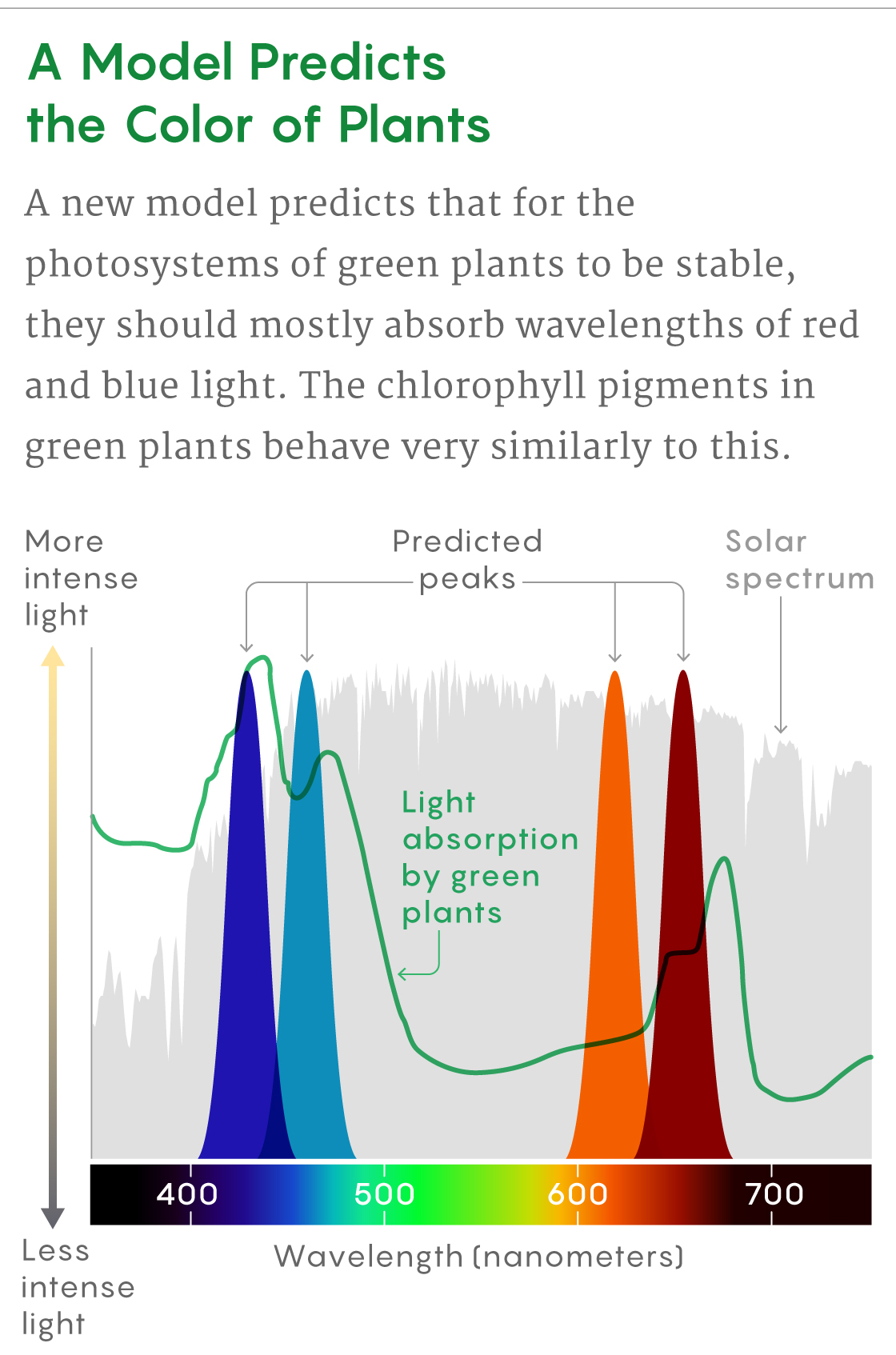
Chlorophyll is the green pigment in leaves. It absorbs light mainly in blue and red wavelengths.
| Light Color | Absorption by Chlorophyll |
| Blue (450-495 nm) | High absorption |
| Red (620-750 nm) | High absorption |
| Green (495-570 nm) | Low absorption (reflected) |
Key Light Spectrum Components
Light is very important for plants to grow. Plants use light for photosynthesis. Different light colors affect plants in different ways.
The light spectrum includes many colors. Each color has a role in helping plants make food and grow strong.
Blue Light Effects
Blue light helps plants grow leaves and stems. It makes plants strong and healthy. Blue light also affects how plants open their stomata.
This light helps plants control water loss. It is important for photosynthesis because it helps chlorophyll work well.
Red Light Benefits
Red light helps plants make flowers and fruits. It is very good for photosynthesis. Red light helps plants grow taller and produce more food.
Plants use red light to start the process of turning light into energy. It works with blue light to keep plants healthy.
Far-red And Green Light Roles
Far-red light helps plants sense day length. This controls when plants flower and grow. It also helps plants stretch toward light.
Green light passes through leaves and reaches lower parts. It helps plants use light more fully. Green light also helps with photosynthesis inside the leaf.
Light Spectrum And Plant Growth Stages
Plants use light to grow through photosynthesis. Different light colors affect plants in many ways. Knowing the light spectrum helps in better plant care.
Light spectrum means the range of light colors plants receive. Each color helps plants at different growth stages.
Seedling Development
During seedling growth, plants need mostly blue light. Blue light helps seedlings grow strong leaves and roots. It keeps them short and sturdy.
- Blue light supports chlorophyll production
- Encourages compact and healthy seedlings
- Prevents seedlings from becoming tall and weak
Vegetative Growth
Plants use both red and blue light in the vegetative stage. Red light helps leaves and stems grow big and strong. Blue light keeps the plant healthy and balanced.
| Light Color | Effect on Vegetative Growth |
| Red Light | Boosts leaf size and stem thickness |
| Blue Light | Supports healthy leaf development |
| Green Light | Penetrates leaves, aiding lower parts |
Flowering And Fruiting
Red and far-red light help plants start flowering. These lights affect when flowers open and fruits grow. Too little red light can delay flowering.
Key light roles in flowering and fruiting:
- Red light triggers flower formation
- Far-red light affects flower timing
- Balanced light helps fruit size and quality

Credit: www.growgeneration.com
Optimizing Light For Indoor Gardening
Light is very important for plants growing indoors. Plants use light to make food through photosynthesis.
Using the right light helps plants grow healthy and strong inside your home or garden.
Choosing Led Grow Lights
LED grow lights save energy and give the right colors of light plants need. They last a long time.
Look for LED lights that give red and blue colors. These colors help plants make food and grow well.
- Red light helps flowers and fruit grow
- Blue light helps leaves and stems grow strong
- Full spectrum LEDs cover many light colors
Balancing Spectrum For Different Plants
Different plants need different colors of light. Adjust the light color to match the plant type.
Leafy greens need more blue light. Flowering plants need more red light to bloom well.
- Leafy vegetables: more blue light for strong leaves
- Flowering plants: more red light for better flowers
- Mixed plants: use full spectrum light for balance
Light Intensity And Duration
Plants need the right amount of light each day. Too much light can hurt them, too little slows growth.
Most indoor plants do well with 12 to 16 hours of light daily. Adjust brightness to fit your plants’ needs.
- Use timers to control light duration
- Keep lights 12 to 24 inches from plants
- Increase light for seedlings, reduce for mature plants
Measuring And Adjusting Light Spectrum
Light spectrum affects how plants grow and produce food. Measuring the light helps understand its effect on photosynthesis.
Adjusting the light spectrum can improve plant health and growth speed. It is important to use the right tools and methods.
Tools For Spectrum Analysis
Spectrum analysis tools measure the light wavelengths plants receive. They help identify if the light is suitable for photosynthesis.
- Spectrometers: Measure light intensity across wavelengths.
- Light meters: Measure overall light brightness.
- Colorimeters: Analyze specific colors in the light.
- Handheld sensors: Portable tools for quick checks.
Customizing Light Settings
Adjusting light helps match plant needs at different growth stages. You can change the light color and intensity.
| Light Type | Effect on Plants |
| Blue Light | Supports leaf growth |
| Red Light | Encourages flowering and fruit |
| Far-Red Light | Triggers seed germination |
| Full Spectrum | Balances all growth needs |
Credit: nautil.us
Future Trends In Light Technology
The future of light technology for plant growth is exciting. New trends focus on improving photosynthesis.
Smart systems and spectral tuning are key areas. These innovations aim to boost plant health and yield.
Smart Lighting Systems
Smart lighting systems are transforming plant growth environments. These systems adjust light based on plant needs.
- Automated light adjustments save energy
- Sensors monitor plant health in real-time
- Remote control via smartphones
Advances In Spectral Tuning
Spectral tuning allows precise control of light colors. This helps in optimizing photosynthesis for different plant stages.
By using spectral tuning, farmers can:
| Light Color | Growth Stage | Effect |
| Red | Flowering | Boosts bloom |
| Blue | Vegetative | Enhances leaf growth |
| Green | Overall | Balances plant health |

Credit: www.ledestar.com
Frequently Asked Questions
What Light Spectrum Is Best For Plant Photosynthesis?
Plants mainly use blue (400-500 nm) and red (600-700 nm) light for photosynthesis. These wavelengths maximize energy absorption, boosting growth and development. Green light is less effective but still contributes to overall photosynthesis.
How Does Blue Light Affect Plant Growth?
Blue light influences leaf growth and stomatal opening. It helps regulate plant shape and encourages strong, healthy leaves. Blue light is essential during early growth stages for optimal photosynthesis.
Why Is Red Light Important In Photosynthesis?
Red light drives photosynthesis by activating chlorophyll pigments. It promotes flowering and fruit production. Red wavelengths are highly efficient for energy conversion, enhancing plant productivity.
Can Plants Use Green Light For Photosynthesis?
Plants absorb less green light, as chlorophyll reflects it. However, green light penetrates deeper into leaves, aiding photosynthesis in lower layers. It supports overall plant health in combination with other wavelengths.
Conclusion
Plants need light to grow and stay healthy. Different colors in the light spectrum affect plants in different ways. Blue light helps leaves grow strong, while red light helps flowers and fruits develop. Green light is less useful but still plays a small role.
Understanding how light works can help gardeners and farmers grow plants better. Using the right light can improve plant health and boost growth. Light matters a lot for plant life. Simple choices can lead to better results.