
Have you ever wondered how temperature affects the pH of a solution? Understanding the connection between temperature and pH is key to many areas, from gardening to chemistry experiments.
If you want to get accurate results or keep your plants healthy, knowing this relationship can make all the difference. You’ll discover how temperature changes can shift pH levels, why it matters to you, and simple ways to measure and control it.
Keep reading to unlock the secrets behind temperature and pH correlation and take your knowledge to the next level.
Temperature Effects On Ph Levels
Temperature plays a key role in changing pH levels in water and solutions. As temperature rises or falls, pH values shift too.
Understanding this link helps in fields like chemistry, biology, and environmental science.
How Temperature Influences Ph
When temperature changes, it affects how acids and bases release ions. This changes the pH level. Warmer temperatures usually lower pH in pure water. This happens because water splits into hydrogen and hydroxide ions more at higher heat.
- Higher temperature speeds up ion movement.
- More ionization means more hydrogen ions.
- More hydrogen ions make the solution more acidic.
- Lower temperature slows ion release, raising pH.
Thermal Impact On Acid-base Equilibria
Acid-base reactions depend on temperature. Heat can shift the balance between acids and bases, changing pH. Some acids get stronger with heat, others weaken.
| Effect of Temperature | Acid Strength | Base Strength |
| Increase in Temperature | May increase or decrease | Usually decreases |
| Decrease in Temperature | May decrease or increase | Usually increases |
| Neutral Water | pH drops as temperature rises | pH rises as temperature falls |
Ph Variations Across Different Temperatures
pH measures how acidic or basic water is. Temperature affects pH levels in many ways. Understanding this helps in water quality studies.
As temperature changes, the pH of water can rise or fall. This happens because temperature changes chemical reactions in water.
Ph Changes In Natural Waters
Natural waters like lakes and rivers show pH changes with temperature shifts. Warmer water often has lower pH values.
Plants and animals in water depend on stable pH levels. Temperature changes can affect their survival and health.
- Cold water usually has higher pH values.
- Warm water often shows more acidic pH.
- Seasonal temperature changes cause pH variations.
- pH affects oxygen levels in water.
Laboratory Observations Of Ph Shifts
Scientists study pH changes at different temperatures in labs. They use pure water and solutions to see how pH shifts.
Results show that pH usually decreases as temperature rises. This is due to increased water ionization at higher temperatures.
| Temperature (°C) | Observed pH |
|---|---|
| 0 | 7.47 |
| 25 | 7.00 |
| 50 | 6.63 |
| 75 | 6.35 |
| 100 | 6.14 |
Scientific Implications Of Temperature-ph Interaction
Temperature and pH are key factors in many natural processes. Their interaction affects chemical and biological systems.
Studying how temperature and pH work together helps us understand many scientific phenomena.
Biochemical Reactions And Enzyme Activity
Biochemical reactions depend on temperature and pH levels. These factors control how fast reactions happen.
Enzymes work best at certain temperatures and pH ranges. Outside these ranges, enzyme activity slows down or stops.
- High temperature can change enzyme shape and reduce function
- Low pH (acidic) or high pH (basic) can break enzyme bonds
- Optimal temperature and pH vary for each enzyme
- Temperature and pH together influence reaction speed and efficiency
Environmental And Ecological Consequences
Temperature and pH changes affect ecosystems and water quality. Small shifts can harm plants and animals.
Acid rain and warming waters change pH and temperature. These changes disrupt habitats and food chains.
- Fish and aquatic life need stable pH and temperature
- Temperature rise can lower oxygen levels in water
- pH shifts can make water toxic to some species
- Plants may fail to grow if pH or temperature is wrong

Credit: www.researchgate.net
Measuring And Controlling Ph With Temperature
pH levels change with temperature. Measuring pH without considering temperature can give wrong results. Controlling both helps keep solutions stable.
Understanding how temperature affects pH helps in many fields. It is important in labs, water treatment, and agriculture.
Calibration Techniques For Accurate Readings
Calibrating pH meters with temperature compensation improves accuracy. Use standard buffer solutions at different temperatures. This adjusts the meter to current conditions.
Keep the calibration solutions fresh and clean. Always rinse the electrode with distilled water before and after calibration. This prevents contamination and errors.
- Use fresh buffer solutions at known temperatures
- Rinse electrode with distilled water before use
- Calibrate regularly for consistent results
- Record temperature during calibration
Technological Tools And Sensors
Modern pH sensors include temperature probes for automatic compensation. These sensors adjust pH readings based on the current temperature. This saves time and improves precision.
Some devices show both pH and temperature on the screen. Others connect to computers for data logging. These tools help monitor changes and control processes better.
- pH electrodes with built-in temperature sensors
- Portable meters with automatic temperature compensation
- Data loggers for continuous monitoring
- Software for analyzing pH and temperature trends
Applications In Industry And Research
The correlation between temperature and pH is important in various fields. It plays a key role in industry and research settings.
Understanding this relationship helps in controlling processes and ensuring quality. It is crucial in sectors like water treatment, pharmaceuticals, and chemicals.
Water Treatment Processes
Water treatment relies on temperature and pH balance. These factors affect the efficiency of filtration and purification.
Maintaining the right pH level ensures safe drinking water. Temperature influences chemical reactions during treatment.
- High temperatures speed up reactions
- Low pH can cause corrosion
- Proper balance reduces harmful bacteria
Pharmaceutical And Chemical Manufacturing
In pharmaceuticals, temperature and pH control is vital. It ensures drug safety and effectiveness.
In chemical manufacturing, these factors affect product quality. They determine reaction speed and outcome.
| Industry | Temperature Effect | pH Effect |
| Pharmaceuticals | Stability of active ingredients | Drug solubility |
| Chemicals | Reaction rates | Product purity |
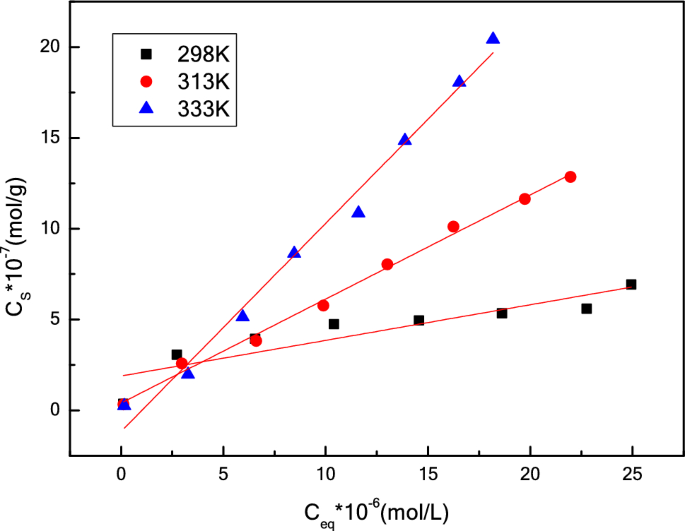
Credit: link.springer.com
Future Directions In Temperature-ph Studies
Understanding how temperature and pH interact is important for many fields. Scientists study this to see how changes affect living systems and the environment.
New research and technology help us learn more about temperature-pH relationships. These advances guide future studies and practical uses.
Emerging Research Areas
Researchers explore new topics to better understand temperature and pH effects. These areas focus on natural and human-made systems.
- Impact of climate change on aquatic pH and temperature levels
- Role of temperature and pH in soil nutrient cycles
- Effects on microbial communities in different environments
- Interactions between temperature, pH, and pollution
- Development of predictive models for ecosystem responses
Innovations In Measurement Technology
New tools make it easier to measure temperature and pH together. These devices improve accuracy and data collection speed.
| Technology | Benefit | Application |
| Micro sensors | High precision | Water quality monitoring |
| Wireless probes | Remote data collection | Field research |
| Integrated data loggers | Continuous monitoring | Environmental studies |
| AI-based analysis | Faster data processing | Predictive modeling |
Credit: www.researchgate.net
Frequently Asked Questions
How Does Temperature Affect Ph Levels?
Temperature influences pH by altering water’s ionization rate. Higher temperatures increase ionization, lowering pH. This change can impact chemical reactions and biological processes sensitive to pH variations.
Why Is Ph Important In Temperature Changes?
PH affects chemical stability and biological activity. Temperature shifts can change pH, impacting enzyme function and aquatic life. Monitoring pH ensures proper environmental and industrial conditions.
Can Temperature Cause Ph Measurement Errors?
Yes, temperature affects pH sensor readings. Most pH meters require temperature compensation to ensure accurate measurements. Ignoring temperature can lead to incorrect pH data and faulty conclusions.
What Is The Correlation Between Temperature And Ph In Water?
As water temperature rises, pH generally decreases due to increased ionization. This inverse relationship is crucial for aquatic ecosystems and water quality management.
Conclusion
Temperature and pH affect each other in many ways. Warmer temperatures often lower pH levels, making water more acidic. This change can impact plants, animals, and chemical reactions. Understanding their link helps us protect nature and maintain balance. Small shifts in temperature or pH can cause big effects.
Keep observing these factors to better manage environments. Simple science with real-world impact.