
If you want to truly enjoy the vibrant life inside your reef tank, lighting plays a bigger role than you might think. The right lighting not only brings out the stunning colors of your fish but also helps you observe their natural behavior clearly.
Imagine watching your fish swim in a tank where every detail pops, making your aquarium feel alive and captivating. You’ll discover simple lighting tips that can transform your fish observation experience and turn your reef tank into a mesmerizing underwater world.
Ready to see your fish like never before? Keep reading!
Choosing The Right Light Spectrum
Lighting is key for observing fish in reef tanks. The right light spectrum helps show colors clearly. It also supports coral and plant health.
Different light colors affect the tank’s look and the fish’s well-being. Choosing the right combination can create a natural and beautiful display.
Benefits Of Blue And Actinic Lights
Blue and actinic lights highlight fluorescent colors in fish and corals. They enhance the deep ocean feel in reef tanks. These lights also help corals grow by aiding photosynthesis.
- Bring out bright blues, greens, and purples
- Reduce stress for nocturnal fish
- Support coral growth and health
- Simulate natural underwater light conditions
Impact Of White And Full Spectrum Lights
White and full spectrum lights provide a balanced view of the tank. They show fish colors as they appear in daylight. These lights help plants and corals by covering many light wavelengths.
| Light Type | Effect on Tank | Best Use |
| White Light | Natural color display | Daytime viewing |
| Full Spectrum | Supports coral and plant growth | All-day lighting |
| Blue/Actinic | Enhances fluorescence | Night or moonlight mode |
Balancing Color For Natural Appearance
Mixing light colors creates a natural look in reef tanks. Too much blue can make the tank look dark. Too much white can wash out colors.
Tips for balancing light:
- Use blue light to enhance coral glow.
- Add white light for clear fish colors.
- Adjust light intensity to avoid glare.
- Change settings for day and night cycles.
- Observe fish behavior to find best balance.

Credit: digital-photography-school.com
Light Intensity And Its Effects
Lighting is very important for fish observation in reef tanks. The right light helps you see the fish clearly. It also affects the fish’s health and behavior.
Too much or too little light can cause problems. Understanding light intensity helps keep fish safe and happy.
Optimal Brightness For Fish Visibility
Fish need enough light to show their colors and shapes. Bright light makes it easier to watch them swim and explore.
Use moderate light levels to avoid glare and shadows. This helps you see fish clearly without hurting their eyes.
Avoiding Stress From Excessive Light
Too bright light can stress fish and cause hiding or aggressive behavior. Stress lowers their immune system.
Limit the light duration and intensity to keep fish calm. Use timers to control light periods for a natural day-night cycle.
- Keep light on for 8 to 10 hours daily
- Use dimmers to adjust brightness
- Provide shaded areas in the tank
Adjusting Intensity For Different Species
Different fish species need different light levels. Some prefer low light and others need bright light to thrive.
Research your fish species and adjust the light intensity to match their natural habitat. This helps them stay healthy and active.
- Low light fish: use soft, dim lighting
- Bright light fish: increase brightness carefully
- Mixed species tanks: balance light for all fish
Lighting Duration And Timing
Proper lighting helps fish stay healthy and active in reef tanks. Timing and duration of light mimic nature.
Fish respond to light patterns like in the wild. This affects their feeding and behavior.
Mimicking Natural Daylight Cycles
Reef tank lighting should follow day and night rhythms. This means changing light intensity and color.
- Start with dim light in the morning
- Increase brightness to midday levels
- Lower light gradually in the evening
- Use cooler light tones at night
Using Timers For Consistency
Timers help keep lighting regular. This prevents stress in fish and supports their natural cycles.
| Time | Light Setting |
| 6:00 AM | Dim light on |
| 9:00 AM | Bright light full spectrum |
| 6:00 PM | Dim light begins |
| 8:00 PM | Lights off or moonlight |
Night Lighting Options For Observation
Night lighting lets you watch fish without hurting their rest. Blue or moonlight LEDs work well.
- Blue LED lights create a moonlight effect
- Low intensity avoids disturbing fish
- Use only for short periods during night checks
- Helps see nocturnal fish behavior
Credit: www.reef2reef.com
Types Of Lighting Fixtures
Lighting is very important for fish observation in reef tanks. It helps show the colors and behaviors of the fish.
Different types of lighting fixtures offer unique benefits. Choosing the right one improves your tank’s look and health.
Led Lights Advantages
LED lights use less energy and last a long time. They produce less heat, which keeps the tank cooler.
LEDs offer many color options. You can adjust brightness and color to suit your fish and coral needs.
- Energy efficient and cost-saving
- Long lifespan, often over 50,000 hours
- Low heat output protects tank life
- Adjustable colors and brightness
T5 Fluorescent Options
T5 fluorescent lights are slim tubes that fit well in many tanks. They give bright, even light over the water.
T5 bulbs come in different colors to help coral growth and show fish colors clearly. They need regular changing.
- Good light coverage for medium tanks
- Multiple color bulbs available
- Needs bulb replacement every 12-18 months
- Moderate heat output
Metal Halide And Other Alternatives
Metal halide lights produce very strong light. They help coral grow well in deep or large tanks.
These lights create more heat and use more power. Other options include compact fluorescents and hybrid fixtures.
- Very bright, good for deep tanks
- Higher energy use and heat output
- Requires special fixtures and cooling
- Other alternatives fit small or budget tanks
Positioning Lights For Best View
Good lighting helps you see fish clearly in reef tanks. Proper light placement shows their true colors.
Light position affects glare, shadows, and depth in the tank. Adjust lights to get the best view.
Reducing Glare And Reflections
Glare and reflections make it hard to see fish well. Place lights so they don’t shine directly at the glass.
Use angled lighting to avoid bright spots. This helps reduce reflections on the tank’s surface.
- Position lights above and slightly behind the tank
- Use diffusers or frosted covers on lights
- Keep room lighting low to limit reflections
Highlighting Fish Colors And Patterns
Bright, focused lights bring out fish colors. Use lights with the right color temperature for reef tanks.
Position lights to shine directly on fish. This shows their patterns clearly and makes colors pop.
- Choose full-spectrum LED lights for true colors
- Place lights at different angles for even coverage
- Use spotlights for specific fish or areas
Creating Depth And Shadows
Light and shadow create a 3D look in your reef tank. Place lights to cast soft shadows behind corals and rocks.
Shadows help fish stand out and give the tank a natural feel. Mix direct and indirect lighting for the best effect.
- Use multiple light sources at different heights
- Angle lights to create gentle shadows
- Avoid flat, even lighting that reduces depth
Enhancing Fish Behavior Through Lighting
Lighting plays a key role in the behavior of fish in reef tanks. The right light encourages natural activities, reduces aggression, and supports breeding.
Understanding how lighting affects fish can help create a healthier tank environment. Adjusting light levels can mimic natural conditions and improve fish well-being.
Encouraging Natural Activity
Fish are more active when lighting resembles their natural habitat. Soft, gradual lighting changes can simulate dawn and dusk, promoting normal behavior.
- Use timers for gradual light changes
- Mimic sunrise and sunset daily
- Provide shaded areas for retreat
Avoiding Light-induced Aggression
Strong or constant light can cause stress and aggression among fish. Proper lighting reduces these issues, creating a calm environment for all tank inhabitants.
Tip:Adjust light intensity to avoid glare and stress.
Supporting Breeding And Spawning
Specific lighting conditions can trigger breeding in some fish species. Understanding these needs helps in planning light cycles that encourage spawning.
| Fish Species | Lighting Preference |
| Clownfish | Moderate Light |
| Angelfish | Bright Light |
| Guppies | Dim Light |
Maintenance And Upkeep Of Lighting Systems
Proper lighting is crucial for observing fish in reef tanks. Regular maintenance ensures systems work efficiently. Learn how to keep your lighting in top condition.
Cleaning Fixtures Regularly
Dust and algae can build up on light fixtures. This reduces light efficiency and affects fish observation. Clean fixtures regularly to maintain brightness.
- Use a soft cloth to wipe down fixtures weekly.
- Check for algae build-up and clean with a mild solution.
- Ensure fixtures are dry before turning them back on.
Replacing Bulbs And Leds
Bulbs and LEDs lose brightness over time. Replacing them ensures optimal lighting for your reef tank. Know the lifespan of your bulbs and plan replacements.
| Type | Lifespan |
| Fluorescent | 6-12 months |
| LED | 2-5 years |
| Metal Halide | 9-12 months |
Monitoring Energy Consumption
Efficient lighting saves energy and reduces costs. Monitor your system’s energy use to identify improvements. This keeps your reef tank eco-friendly.
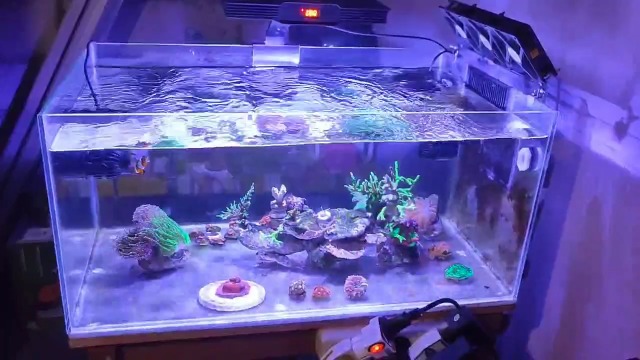
Credit: www.amazon.com
Common Lighting Mistakes To Avoid
Lighting plays a key role in fish observation for reef tanks. Poor lighting can stress fish and harm corals. Avoiding common mistakes helps keep your tank healthy and beautiful.
This guide covers three main lighting mistakes. Learn about overlighting, ignoring spectrum needs, and neglecting photoperiod consistency.
Overlighting And Its Consequences
Too much light can cause stress to fish and algae growth. Overlighting also wastes energy and may damage corals. Balance the light intensity for the best results.
- Fish may hide or show signs of stress.
- Algae can spread quickly and cover decorations.
- Corals might bleach and lose color.
- Electricity bills increase with excessive lighting.
Ignoring Spectrum Needs
Fish and corals need specific light colors to thrive. White, blue, and actinic light support health and growth. Ignoring spectrum needs causes poor coral growth and dull fish colors.
| Light Spectrum | Purpose |
|---|---|
| White Light | General illumination and natural look |
| Blue Light | Enhances coral fluorescence and fish color |
| Actinic Light (420-460nm) | Supports photosynthesis for corals and plants |
Neglecting Photoperiod Consistency
Fish and corals need a stable day and night cycle. Changing light times confuse fish and disrupt coral health. Keep the photoperiod consistent every day.
Tips for photoperiod consistency:
- Set a timer for your lights
- Keep light on for 8 to 10 hours daily
- Avoid sudden light changes or flickering
- Use dimming features for sunrise and sunset effects
Frequently Asked Questions
What Type Of Lighting Is Best For Reef Tank Fish Observation?
LED lighting with adjustable spectrum is best for observing reef tank fish. It enhances fish colors and mimics natural light, promoting healthy behavior and clear visibility.
How Does Lighting Affect Fish Behavior In Reef Tanks?
Proper lighting influences fish activity and feeding patterns. Bright, natural-spectrum lights encourage natural behaviors, while dim or incorrect lighting can stress fish and reduce their visibility.
Can Lighting Impact Coral And Fish Health In Reef Tanks?
Yes, balanced lighting supports both coral photosynthesis and fish well-being. Too much light can cause algae growth, while too little harms coral and fish vitality.
How Long Should Reef Tank Lights Be On Daily?
Reef tank lights should be on for 8 to 12 hours daily. This duration mimics natural daylight cycles, helping fish stay active and healthy without promoting algae overgrowth.
Conclusion
Good lighting makes fish observation in reef tanks easier and more fun. It helps show fish colors and natural behaviors clearly. Choosing the right light improves your tank’s look and keeps fish healthy. Remember to balance brightness and color for the best view.
Small changes can make a big difference. Enjoy watching your fish thrive under proper lighting. Keep learning and adjusting to find what works best for your reef tank. Lighting is a key part of a beautiful and lively aquarium.