
If you want your Apistogramma to thrive, understanding their temperature needs is crucial. These vibrant fish are sensitive to changes in their environment, and the right water temperature can make all the difference in their health and behavior.
Are you sure your tank is set up to keep them comfortable and active? Keep reading to discover exactly what temperature range suits your Apistogramma best—and how you can create the perfect home for these beautiful fish. Your success in keeping them healthy starts here.
Ideal Temperature Range
Apistogramma are small freshwater fish needing specific temperatures. Keeping the water in the right range helps them stay healthy.
Each species prefers a slightly different temperature. Knowing these ranges prevents stress and illness.
Optimal Degrees For Apistogramma
Most Apistogramma species thrive between 75°F and 82°F (24°C to 28°C). This range supports their metabolism and breeding.
- Keep temperature steady to avoid stress
- Use a reliable aquarium heater
- Monitor temperature daily with a thermometer
Temperature Variations By Species
| Species | Ideal Temperature (°F) | Ideal Temperature (°C) |
| Apistogramma cacatuoides | 75 – 82 | 24 – 28 |
| Apistogramma borellii | 72 – 79 | 22 – 26 |
| Apistogramma agassizii | 74 – 80 | 23 – 27 |
| Apistogramma trifasciata | 73 – 78 | 23 – 26 |
Different species tolerate slight temperature shifts. Adjust heater settings based on your Apistogramma type.
Effects Of Temperature On Behavior
Temperature plays a key role in how Apistogramma fish behave. Their actions change with water warmth. This affects their daily life and survival.
Understanding these changes helps keep Apistogramma healthy. It also supports their natural habits in home aquariums.
Activity Levels
Apistogramma fish are more active in warmer water. Cooler temperatures slow them down. They swim less and hide more when cold.
- At 26-28°C, activity is high and fish explore often.
- Below 22°C, movement reduces and resting increases.
- Temperatures above 30°C may cause rapid breathing and stress.
Breeding And Mating Habits
Temperature affects breeding success. Apistogramma prefer warm water for mating. Cooler water can delay egg laying and fry development.
| Temperature (°C) | Effect on Breeding |
| 24-28 | Optimal breeding and fry growth |
| 20-23 | Slower breeding, fewer eggs |
| Below 20 | Breeding may stop |
| Above 30 | Egg and fry mortality increases |
Stress And Health Risks
Extreme temperatures cause stress in Apistogramma. This weakens their immune system. Stress raises risk of disease and early death.
- Erratic swimming
- Loss of appetite
- Faded colors
- Hiding more than usual
- Increased breathing rate
Setting Up The Aquarium Heater
Apistogramma fish need a warm and steady temperature to stay healthy. Setting up a good aquarium heater is very important. It helps keep their water temperature just right.
Choosing the right heater and placing it well can make a big difference. You also need to keep the temperature stable every day.
Choosing The Right Heater
Pick a heater that fits your tank size. Too small heaters may not keep the water warm enough. Too big heaters can overheat the water.
Look for heaters with adjustable temperature controls. This helps you set the exact temperature for Apistogramma fish.
- Use a heater with a power rating of 3-5 watts per gallon
- Choose heaters with built-in thermostats for safety
- Pick heaters made for freshwater tanks
Placement Tips
Place the heater near water flow. This helps warm water spread evenly in the tank. Avoid placing it where fish hide or swim a lot.
Keep the heater away from tank decorations and plants. This stops damage and keeps the heater working well.
- Put the heater near the filter outlet or water pump
- Check the heater is fully underwater
- Secure the heater so it does not move or touch glass directly
Maintaining Stable Temperature
Use a reliable aquarium thermometer to watch the water temperature daily. Apistogramma fish do best between 75°F and 82°F (24°C to 28°C).
Do not let the temperature change quickly. Sudden shifts can stress or harm the fish.
- Check heater settings often
- Fix or replace the heater if temperature varies a lot
- Keep the room temperature steady around the tank

Credit: roxyaquarium.com.au
Seasonal Temperature Adjustments
Apistogramma fish need different water temperatures in each season. Changing the temperature helps keep them healthy all year.
Adjusting the temperature slowly lets the fish get used to new conditions. Sudden changes can cause stress and illness.
Winter Care
In winter, water temperature should be slightly warmer than room temperature. This helps Apistogramma stay active.
Use a reliable aquarium heater to keep the temperature steady. Avoid letting it drop below 72°F (22°C).
- Keep temperature between 72°F and 78°F (22°C – 26°C)
- Check heater daily for proper function
- Do not raise temperature too fast
- Monitor fish for signs of cold stress
Summer Precautions
In summer, water can get too warm. Temperatures above 82°F (28°C) can harm Apistogramma.
Use fans or cooling systems to keep water cool. Keep the tank out of direct sunlight to avoid overheating.
- Maintain temperature between 75°F and 82°F (24°C – 28°C)
- Use aquarium fans or chillers if needed
- Place tank away from windows and heat sources
- Watch for signs of heat stress like heavy breathing
Monitoring Temperature Accurately
Apistogramma fish need stable water temperatures to stay healthy. Watching the tank temperature closely helps prevent stress and illness.
Using the right tools and checking them often keeps your aquarium safe. Accurate temperature control is key to a happy Apistogramma.
Best Thermometers For Aquariums
Choose thermometers made for aquarium use. They are designed to resist water and give clear readings.
Digital thermometers offer quick, easy-to-read numbers. Stick-on strip thermometers are simple but less precise.
- Digital probe thermometers give accurate results
- Glass stick thermometers are traditional but fragile
- Strip thermometers attach inside the tank for easy viewing
- Infrared thermometers measure without touching water
Regular Checks And Calibration
Check your thermometer daily to catch temperature changes early. Stable heat helps Apistogramma thrive.
Calibrate your thermometer often by comparing it to a trusted device. This keeps readings accurate over time.
- Test thermometers in ice water and boiling water
- Adjust or replace if readings are off by more than 1°C
- Keep a backup thermometer in case of failure

Credit: allfish2u.au
Common Temperature-related Issues
Apistogramma fish need specific temperatures to stay healthy. Temperature changes can cause stress and illness.
Understanding the signs of temperature stress helps prevent these problems. Proper care keeps your fish happy and healthy.
Signs Of Temperature Stress
Fish show certain signs when they experience temperature stress. Look out for these symptoms to help your fish.
- Gasping at the surface for air
- Loss of color and vibrancy
- Erratic swimming patterns
- Reduced appetite
Preventing Illnesses Linked To Temperature
Maintaining the right temperature prevents illnesses. Use a reliable heater and thermometer for best results.
| Temperature | Action |
| Too High | Lower room temperature, increase aeration |
| Too Low | Check heater, insulate tank |
Ensure the tank’s temperature stays between 75-81°F (24-27°C) for optimal health.
Tips For New Apistogramma Keepers
Apistogramma fish are colorful and interesting creatures. They require specific conditions to thrive. Let’s explore how to set up the perfect tank for them.
Understanding their temperature needs is key. It ensures your fish remain healthy and vibrant. Here are some tips for new Apistogramma keepers.
Setting Up Your First Tank
Start by choosing the right tank size. A 20-gallon tank is a good start. It provides enough space for a small group of Apistogramma.
Temperature is crucial for their well-being. Keep the tank between 72°F and 82°F. This range mimics their natural habitat.
- Use a reliable heater to maintain temperature
- Place the tank away from windows and direct sunlight
- Monitor temperature with an accurate thermometer
Maintaining Consistent Conditions
Consistency is vital for Apistogramma health. Fluctuations in temperature can stress them. Stress can lead to illness.
Regular checks help in maintaining stable conditions. Adjust the heater if needed to keep the temperature constant.
- Check the heater’s function weekly
- Avoid frequent water changes to keep stability
- Use a lid to prevent temperature loss
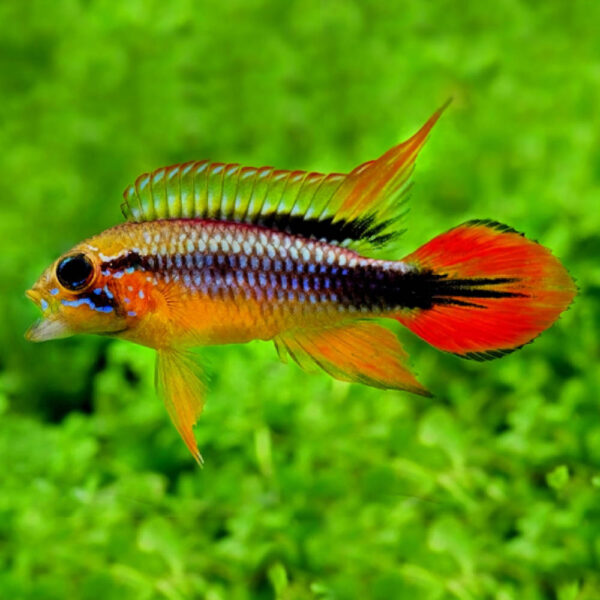
Credit: roxyaquarium.com.au
Frequently Asked Questions
What Is The Ideal Temperature For Apistogramma Fish?
Apistogramma thrive best between 75°F and 82°F. Maintaining this range supports their health and vibrant colors. Sudden temperature changes can stress them, so use a reliable heater and thermometer for stability.
How Does Temperature Affect Apistogramma Breeding?
Temperature influences Apistogramma spawning success. Warmer waters around 79°F to 82°F encourage breeding behaviors. Cooler temperatures may delay or prevent spawning. Consistent warmth helps eggs develop properly and fry grow strong.
Can Apistogramma Tolerate Temperature Fluctuations?
Apistogramma prefer stable temperatures with minimal fluctuations. Sudden drops or rises can cause stress and illness. Aim to keep daily changes under 2°F to ensure their well-being and longevity.
What Temperature Range Suits Apistogramma Species Diversity?
Different Apistogramma species have slight temperature preferences. Most do well in 75°F to 82°F. Research your specific species for exact needs. Providing optimal temperature ensures vibrant health and active behavior.
Conclusion
Maintaining the right temperature keeps Apistogramma healthy and active. These fish thrive best between 72°F and 82°F. Consistent warmth helps them eat well and grow strong. Sudden changes can cause stress and illness. Use a reliable heater and thermometer in their tank.
Watch for signs if the water feels too cold or hot. Caring for their temperature needs makes your aquarium a happy home. Simple steps lead to vibrant, lively Apistogramma fish every day. Keep their environment steady and enjoy your colorful tank.