
Are you struggling to find the perfect freshwater species for your low-light aquarium? You’re not alone.
Many aquarium lovers face this challenge because not all fish and plants thrive without bright lighting. But don’t worry—there are plenty of beautiful, hardy species that will brighten your tank even in dim conditions. Keep reading to discover which freshwater species can turn your low-light aquarium into a vibrant, thriving underwater world you’ll love watching every day.
Benefits Of Low Light Aquariums
Low light aquariums are perfect for many freshwater species. These tanks create calm and natural environments.
They are easy to maintain and offer several benefits for both fish and aquarium owners.
Energy Efficiency And Cost Savings
Low light aquariums use less electricity than bright tanks. This lowers your energy bills every month.
Using low wattage or LED lights reduces heat, so you spend less on cooling systems.
- Less power consumption
- Lower electricity bills
- Reduced need for cooling devices
Reduced Algae Growth
Too much light causes algae to grow quickly. Low light slows algae growth and keeps tanks clean.
Less algae means less cleaning and better water quality for your fish.
- Slower algae buildup
- Cleaner tank walls and plants
- Improved water clarity
Suitable Environments For Certain Species
Many freshwater species prefer low light. It mimics their natural habitats like shaded rivers or forest streams.
Fish such as catfish, loaches, and some tetras feel safe and active in low light tanks.
- Catfish thrive in dim light
- Loaches prefer shaded areas
- Tetras feel less stressed

Credit: www.aquariumsource.com
Key Traits For Low Light Species
Freshwater species that thrive in low light have special features. These help them live well in dim aquarium environments.
Understanding their traits helps aquarium keepers create better habitats. It also supports the health and comfort of the fish.
Adaptations To Dim Conditions
Many low light species have physical and biological changes. These allow them to see and find food in less light.
- Larger eyes to catch more light
- Darker or muted colors for camouflage
- Slower metabolism to conserve energy
- Enhanced sense of smell or touch
- Ability to feed on low-light algae or detritus
Behavioral Characteristics
Behavior in dim conditions differs from bright environments. These species tend to be more cautious and active at night.
| Behavior | Description |
|---|---|
| Reduced movement | Conserves energy when visibility is low |
| Hiding in plants or caves | Provides safety from predators |
| Nocturnal feeding | Feeds during night or low light times |
| Schooling or grouping | Increases protection and social interaction |
Compatibility With Tank Conditions
Low light species do best in tanks with specific conditions. These include soft water and plenty of hiding places.
Key tank requirements:
- Low to moderate lighting (no direct sunlight)
- Plants that tolerate shade like Java fern or Anubias
- Stable water temperature around 72-78°F (22-26°C)
- Soft to moderately hard water
- Minimal strong currents
Top Freshwater Fish For Low Light
Some freshwater fish do well in aquariums with low lighting. These fish stay healthy and active without bright light. Choosing the right species helps keep your tank balanced.
Low light fish are great for shaded rooms or tanks with plants that need less light. They add color and life without needing extra lighting equipment.
Betta Fish
Betta fish live well in low light because they come from shaded waters. They have bright colors that show even in dim tanks. Bettas are easy to care for and can live alone.
They enjoy places to hide like plants and caves. Bettas need warm water and clean conditions to stay healthy.
Corydoras Catfish
Corydoras catfish are peaceful bottom dwellers. They prefer soft light and like to stay near the tank floor. Corydoras clean leftover food, helping keep the tank tidy.
These fish do well in groups of five or more. They are hardy and get along with many other fish species.
Kuhli Loaches
Kuhli loaches look like little snakes and like dark places. They hide during the day and come out in low light to feed. These fish need soft sand or smooth gravel to protect their bodies.
They like to live in groups and require hiding spots like plants or tunnels. Kuhli loaches are gentle and shy but fun to watch.
Otocinclus Catfish
Otocinclus catfish are small algae eaters that do well in low light tanks. They help control algae without harming plants. These fish prefer calm water and smooth surfaces.
Otocinclus like to stay in groups of at least three. They are peaceful and easy to care for with proper tank conditions.

Credit: www.reddit.com
Ideal Plants For Low Light Tanks
Creating a beautiful aquarium with low lighting is possible. Selecting the right plants is key. Some plants thrive in low light and are easy to care for.
These plants can enhance the look of your aquarium without needing bright lights. Let’s explore some ideal options.
Java Fern
Java Fern is perfect for low light tanks. It has broad, green leaves. This plant is easy to maintain and does not need much light.
Java Fern can be attached to rocks or driftwood. It grows slowly and provides a natural look to your aquarium.
Anubias
Anubias is another great choice for low light conditions. It has thick, dark green leaves. This plant is hardy and requires minimal care.
Anubias grows well when attached to decorations. It adds texture and depth to your tank.
Cryptocoryne
Cryptocoryne plants are versatile and can thrive in low light. They have varied leaf shapes and colors. This makes them attractive additions to aquariums.
These plants grow slowly, making them easy to manage. They are ideal for beginners and experienced aquarists alike.
Moss Varieties
Moss varieties like Java Moss or Christmas Moss do well in low light. They are soft and can cover surfaces in your tank.
Mosses are excellent for creating lush, green carpets. They provide hiding spots for small fish and shrimp.
- Java Fern: Easy, slow-growing
- Anubias: Hardy, minimal care
- Cryptocoryne: Versatile, attractive
- Moss Varieties: Lush, provides shelter
Setting Up A Low Light Aquarium
Freshwater aquariums with low lighting can create a calm and natural environment. Many fish and plants thrive with less light.
Setting up the right conditions helps keep your aquarium healthy and beautiful. Choose suitable lighting, substrate, and water care.
Lighting Options And Placement
Use LED lights designed for low light aquariums. These lights save energy and produce little heat. Place lights so they cover the tank evenly.
Avoid strong, direct light. Soft, diffused lighting helps reduce algae growth. Set timers to give fish a regular day and night cycle.
- Choose low wattage LED or fluorescent bulbs
- Place lights above the tank, not inside
- Use timers for 8 to 10 hours of light daily
- Use light diffusers or covers to soften brightness
Substrate And Decoration Tips
Select dark or natural-colored substrate to show off fish colors. Fine gravel or sand works well for many species. Decorations should provide hiding places.
Use driftwood and live plants that do well in low light. Avoid overcrowding to allow good water flow and fish movement.
- Dark sand or fine gravel substrate
- Driftwood and smooth rocks
- Low light plants like Java fern and Anubias
- Spaces for fish to hide and swim freely
Water Quality Management
Keep water clean by testing regularly. Change 10-20% of the water weekly. Use a good filter that works quietly in low flow mode.
Monitor temperature and pH to match your fish needs. Remove uneaten food and waste to stop water pollution.
- Test water for ammonia, nitrites, and nitrates
- Do weekly partial water changes
- Use a gentle filter for low light tanks
- Keep temperature stable between 72-78°F (22-26°C)
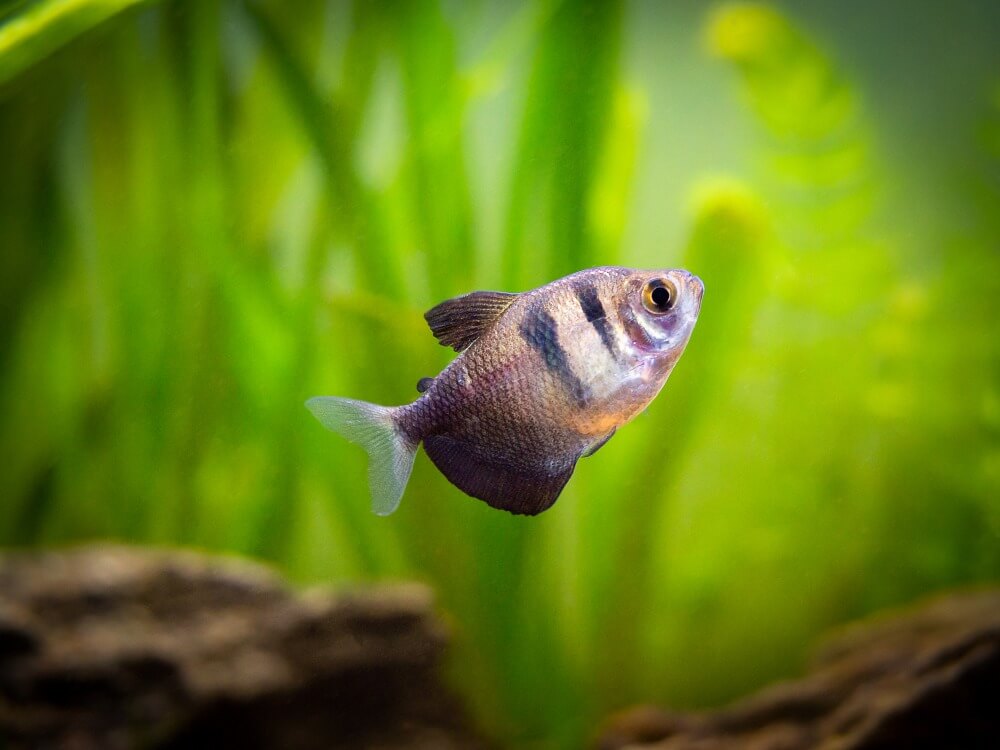
Credit: www.aquariumsource.com
Maintaining Health In Low Light Species
Freshwater species that live in low light need special care. Their environment is different from brightly lit tanks.
Keeping them healthy means understanding their unique needs. This guide helps you maintain their well-being.
Feeding Strategies
Low light species often have slower metabolisms. They need food that is easy to digest and rich in nutrients.
Feed small amounts more often to avoid waste buildup. Use sinking pellets or frozen foods suited for bottom feeders.
- Offer food two to three times daily
- Choose natural or high-quality pellet foods
- Remove uneaten food after 15 minutes
- Include occasional live or frozen foods
Monitoring Behavior And Health
Watch your fish for signs of stress or illness. Low light species may hide more, so look closely at their activity.
Check for changes in color, appetite, or swimming patterns. Early detection helps treat problems fast.
- Observe daily for unusual behavior
- Note any changes in eating habits
- Look for spots, discoloration, or injuries
- Keep a log of observations to track health
Preventing Common Issues
Low light tanks can have algae growth and poor water quality. Regular cleaning keeps the tank safe for your fish.
Use gentle filtration and test water often. Avoid sudden changes in temperature or lighting to reduce stress.
- Change 20% of water weekly
- Clean substrate and remove debris
- Keep water temperature stable
- Use low-intensity lighting suited for species
Frequently Asked Questions
What Are The Best Freshwater Fish For Low Light Aquariums?
Tetras, bettas, and Corydoras catfish thrive in low light freshwater tanks. These species adapt well and stay healthy without intense lighting.
Can Plants Survive In Low Light Freshwater Aquariums?
Yes, plants like Java fern and Anubias grow well in low light. They require minimal light and help maintain water quality.
How Does Low Lighting Affect Freshwater Aquarium Fish Behavior?
Low lighting reduces fish stress and promotes natural behavior. It mimics their natural habitat, helping shy species feel secure.
What Are Common Challenges In Low Light Freshwater Tanks?
Algae growth and insufficient plant growth are common challenges. Proper maintenance and choosing low light plants can prevent issues.
Conclusion
Choosing the right freshwater species makes low-light aquariums thrive. These fish and plants need less light but still stay healthy. They bring life and color to dim tanks without extra care. Small changes in tank setup can help them grow well.
Keep water clean and stable for best results. Enjoy watching peaceful, beautiful creatures in your quiet aquarium space. This simple approach fits beginners and experts alike. Your low-light aquarium can become a relaxing, natural corner at home.