
Dealing with aggression in species-specific aquariums can be frustrating. You want your fish to thrive, but constant fighting can make your tank a stressful place.
What if you could create a peaceful environment where your aquatic pets live comfortably together? Understanding why aggression happens and learning simple ways to manage it can transform your aquarium experience. Keep reading, and you’ll discover practical tips to keep your fish calm and your tank a beautiful, harmonious home.
Credit: jungleaquatics.com
Causes Of Aggression
Aggression in species-specific aquariums is common and can cause stress. Understanding what causes this behavior helps keep fish safe and healthy.
Fish show aggression for different reasons. These reasons often relate to their natural instincts and environment.
Territorial Behavior
Many fish defend their space to feel safe. They mark an area as their own and fight off others who enter it. This helps them protect food and shelter.
Territorial fights can cause damage and stress. It is important to provide enough space and hiding spots to reduce this aggression.
Breeding Instincts
During breeding, fish become more aggressive. They guard their eggs and young to keep them safe from threats. This behavior is natural but can cause conflict.
- Male fish may chase away others
- Females protect nests fiercely
- Both parents guard their young until safe
Competition For Resources
Fish compete for food, space, and hiding places. When resources are limited, aggression rises. This fight helps them survive but can harm others.
| Resource | Effect of Competition |
| Food | Fish may chase or nip at each other |
| Space | Territorial fights increase |
| Hiding Places | Stress and injury may occur |
Signs Of Aggression
Aggression in species-specific aquariums can harm fish and disrupt tank harmony. Recognizing early signs helps you manage it effectively.
Watch your fish carefully. They show aggression through their actions and body language.
Physical Displays
Aggressive fish often show physical signs. These include flaring fins, raised scales, and bright colors. Such displays warn other fish to stay away.
- Flaring gill covers
- Spreading fins wide
- Raising scales or spines
- Changing to brighter or darker colors
Chasing And Nipping
Chasing is a clear sign of aggression. Fish swim quickly after others to scare or hurt them. Nipping means biting the fins or body of tank mates.
| Behavior | Description | Effect on Tank Mates |
|---|---|---|
| Chasing | Fish swim after others rapidly | Stress and injury |
| Nipping | Biting fins or body parts | Damaged fins and wounds |
Changes In Behavior
Aggressive fish often change their normal habits. They may hide less, become restless, or guard a specific area more strongly.
- Restless swimming or darting
- Increased hiding or isolation
- Guarding territory or breeding sites
- Refusal to share space or food
Tank Setup Strategies
Dealing with aggression in species-specific aquariums needs smart tank setup. Good setup helps reduce stress and fights among fish.
Focus on tank size, hiding spots, and water conditions to keep fish calm and healthy. Each factor plays a key role in managing aggression.
Proper Tank Size
Choosing the right tank size is very important for aggressive species. A small tank causes stress and territorial fights.
- Check the adult size of your fish before buying the tank.
- Provide at least 10 gallons of water per inch of fish length.
- Choose a wider tank to give enough horizontal space.
- Make sure the tank allows enough swimming room for all fish.
Hiding Spots And Decorations
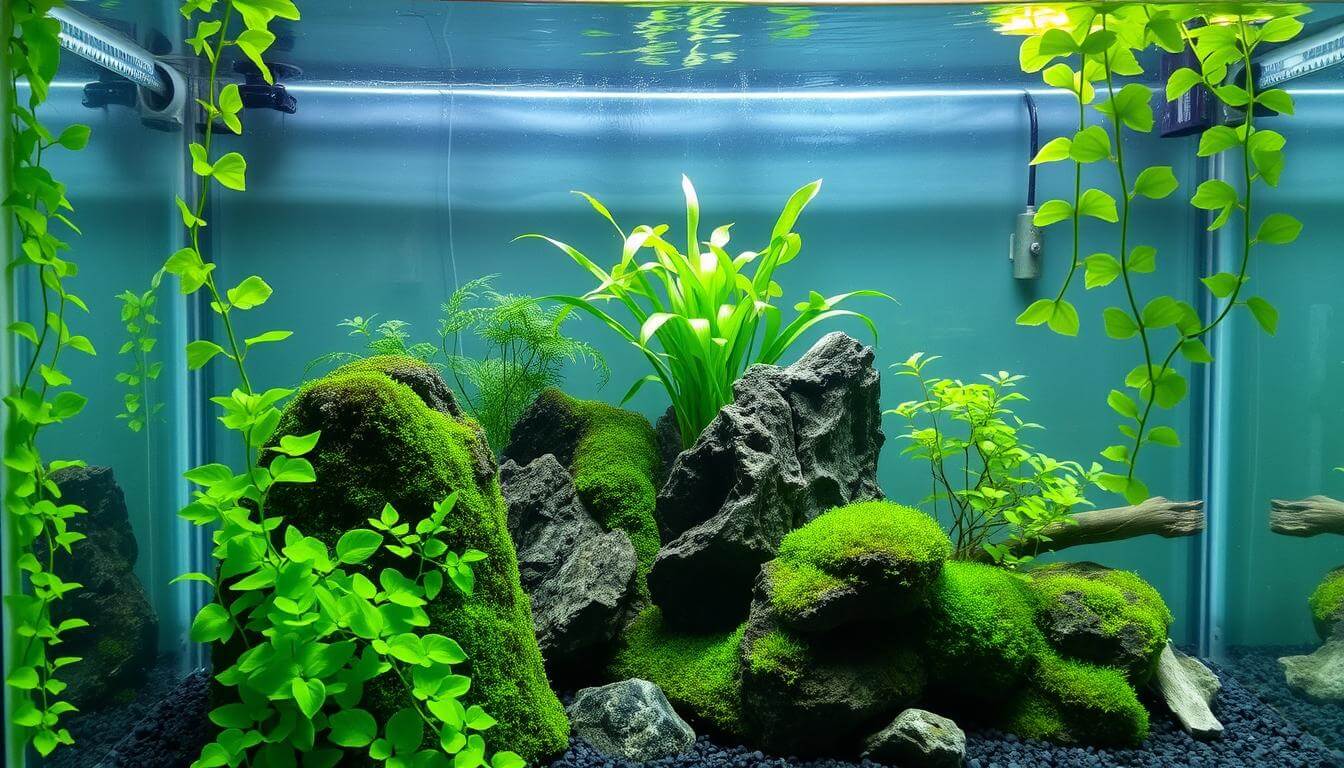
Fish need places to hide and claim as territory. Hiding spots reduce tension and stop fights.
- Use rocks, caves, and driftwood to create shelters.
- Add plants to break sight lines between fish.
- Arrange decorations to form multiple territories.
- Make sure hiding spots are easy to access and safe.
Water Conditions
Stable water conditions keep fish healthy and less aggressive. Sudden changes can cause stress and fights.
| Condition | Ideal Range | Effect on Aggression |
|---|---|---|
| Temperature | Match species needs (e.g., 75-80°F) | Comfort lowers stress and aggression |
| pH Level | Species-specific (usually 6.5-7.5) | Stable pH prevents irritation |
| Ammonia/Nitrite | 0 ppm | Toxic levels increase hostility |
| Nitrate | < 20 ppm | High nitrate causes discomfort |

Credit: www.reddit.com
Choosing Compatible Species
Keeping species-specific aquariums means selecting fish that live well together. Aggression can harm fish and spoil your tank.
Choosing compatible species helps reduce fighting and stress. It creates a peaceful environment for your aquarium.
Researching Species Traits
Each fish species has its own behavior and needs. Some are naturally aggressive while others stay calm.
Learn about the size, temperament, and territory rules of your fish. This knowledge helps prevent conflicts.
- Check if the species defends a specific area
- Know if the fish is a hunter or peaceful feeder
- Understand how big the fish grows
- Learn about social behavior in groups
Avoiding Overcrowding
Too many fish in one tank cause stress and fights. Overcrowding makes it hard for fish to hide or find space.
Keep the tank size suitable for the number of fish. Give each fish enough room to swim and rest.
- Follow recommended tank size for each species
- Limit the number of fish per gallon of water
- Provide plants and decorations for hiding spots
Balancing Male And Female Ratios
Many fish show more aggression if males outnumber females. A good balance lowers fighting and stress.
Try to keep more females than males or equal numbers. This helps reduce competition between males.
- Keep a ratio like one male for two or three females
- Avoid too many males in a small space
- Watch fish behavior and adjust if needed
Feeding Techniques
Managing aggression in species-specific aquariums starts with good feeding habits. Proper feeding reduces fights and stress among fish.
Feeding techniques control how food is given to fish. This helps keep peace and health in the tank.
Regular Feeding Schedules
Feeding fish at the same times daily sets a routine. Fish feel less stressed and less likely to act aggressively.
- Feed fish small amounts two to three times per day.
- Keep feeding times consistent every day.
- Observe fish behavior to adjust feeding if needed.
- Remove leftover food to avoid water pollution.
Distributing Food Evenly
Spread food across the tank to stop fights over one spot. This lets shy fish eat safely too.
| Method | Benefit |
|---|---|
| Scatter flakes or pellets | Food spreads to all areas |
| Use multiple feeding points | Less competition for food |
| Feed bottom feeders separately | Prevent surface fish from taking all food |
Using Feeding Rings
Feeding rings keep food in one area. This limits mess and helps target feeding.
- Place feeding rings on the water surface.
- Drop food inside the ring to contain it.
- Use rings to train fish to eat in one spot.
- Clean rings regularly to avoid algae buildup.
Credit: www.chewy.com
Behavioral Management
Managing aggression in species-specific aquariums is essential. It ensures a peaceful and healthy environment for all fish.
Understanding fish behavior helps in preventing conflicts. Here are some strategies to manage aggression effectively.
Separating Aggressive Fish
Sometimes, separating aggressive fish is necessary. This can prevent harm to other tank mates.
Using Tank Dividers
Tank dividers are a practical solution. They allow you to keep all fish in the same tank while preventing direct contact.
- Choose a divider that fits your tank size.
- Ensure the divider has small holes for water flow.
- Place the divider securely to avoid any gaps.
Introducing Distractions
Adding distractions can reduce aggression. Provide toys or plants to divert the fish’s attention.
| Distraction Type | Benefit |
| Aquatic Plants | Provide hiding spots |
| Tank Toys | Engage fish activity |
| Floating Logs | Create territory boundaries |
Monitoring And Maintenance
Keeping species-specific aquariums requires careful monitoring and maintenance. Regular checks help in managing aggression among fish.
Simple routines ensure a healthy environment and reduce stress for your aquatic pets.
Regular Observation
Observe the fish to detect signs of aggression. Look for chasing, nipping, or hiding behaviors.
- Watch fish interactions daily
- Note any changes in behavior
- Separate aggressive fish if needed
Cleaning And Water Changes
Maintain clean water to prevent stress and aggression. Dirty water can lead to health issues.
- Change 25% of the water weekly
- Clean filters regularly
- Remove uneaten food promptly
Adjusting Environment As Needed
Modify the tank environment to reduce aggression. Use decorations and plants to create hiding spaces.
Consider adding dividers to separate aggressive species.
| Adjustment | Purpose |
| Add plants | Provide shelter |
| Adjust lighting | Reduce stress |
| Rearrange decor | Break line of sight |
Frequently Asked Questions
What Causes Aggression In Species-specific Aquariums?
Aggression often arises from territorial disputes, overcrowding, or mating behaviors. Stress and limited hiding spaces also trigger fights among fish, increasing aggression levels.
How Can I Reduce Fish Aggression Effectively?
Provide ample space, hiding spots, and proper tank mates. Maintain water quality and avoid overcrowding to minimize stress and aggressive behavior in your aquarium.
Which Fish Species Are Prone To Aggression?
Cichlids, bettas, and some catfish species show higher aggression. Knowing species behavior helps prevent conflicts and maintain a peaceful aquarium environment.
When Should I Separate Aggressive Fish?
Separate fish if fighting causes injury or stress. Early intervention prevents harm and maintains harmony in your species-specific aquarium.
Conclusion
Aggression in species-specific aquariums can be managed with patience. Watch your fish closely to spot early signs of stress. Provide plenty of hiding spots and space for each fish. Keep the tank clean and maintain stable water conditions. Choose compatible fish to reduce fights and stress.
Regular feeding helps avoid hunger-driven aggression. Remember, calm fish create a peaceful aquarium environment. Small changes can lead to big improvements. Stay consistent and enjoy a healthier, happier aquarium.