
Choosing the right aquarium size for your tropical fish is more important than you might think. If your tank is too small, your fish won’t thrive and could even get sick.
But if it’s too big, you might waste money and space. You want a healthy, vibrant underwater world that’s easy to care for and enjoyable to watch. You’ll discover exactly how to pick the perfect tank size for your tropical species.
Keep reading to avoid common mistakes and create a beautiful home your fish will love.

Credit: www.aqqapet.com
Choosing The Right Aquarium Size
Choosing the right aquarium size is important for tropical fish health. A proper size gives fish enough space to swim and grow well.
Too small tanks can stress fish and cause water problems. Large tanks need more care but keep fish healthier.
Factors Influencing Size Selection
Several factors affect what size aquarium you need. Knowing these helps you pick the best tank for your fish.
Think about the number of fish, their size, and how active they are. Some fish need more space than others.
- Number of fish you want to keep
- Adult size of each fish species
- Swimming habits and activity level
- Filtration and maintenance needs
- Available space in your home
Common Sizes For Tropical Fish
Common aquarium sizes vary from small to large. Small tanks suit a few small fish. Large tanks fit many or bigger fish.
Beginners often start with tanks between 10 and 30 gallons. Experienced hobbyists may use tanks over 50 gallons.
- 10 gallons – good for small fish or beginners
- 20 to 30 gallons – fits small groups of tropical fish
- 40 to 55 gallons – allows more fish and plants
- 75 gallons and up – supports larger or active species
Space Requirements Per Species
Each fish species needs a certain space to live comfortably. Knowing this helps avoid crowding and stress.
Some fish are small but like to swim a lot. Others grow big and need more room to move freely.
| Fish Species | Adult Size | Space Needed (Gallons) |
|---|---|---|
| Neon Tetra | 1.5 inches | 5 gallons per 5 fish |
| Guppy | 2 inches | 10 gallons per 6 fish |
| Angelfish | 6 inches | 30 gallons per 2 fish |
| Discus | 8 inches | 50 gallons per 5 fish |
| Oscar | 12 inches | 75 gallons per fish |

Credit: www.hygger-online.com
Impact Of Aquarium Size On Fish Health
Aquarium size affects the health and well-being of tropical fish. Choosing the right tank size helps fish live longer and stay active.
Small tanks can cause problems that harm fish. Larger tanks provide a better environment for many tropical species.
Stress And Behavior In Small Tanks
Fish in small tanks often show signs of stress. Limited space makes it hard for them to swim and hide.
- Fish may become aggressive or shy.
- They can lose appetite or stop moving.
- Stress weakens their immune system.
- Behavior changes can signal poor health.
Water Quality And Stability
Smaller tanks have less water to dilute waste and toxins. This causes rapid changes in water quality.
| Tank Size | Water Change Frequency | Risk of Toxin Build-up |
| 5 gallons | Every 2-3 days | High |
| 20 gallons | Once a week | Medium |
| 50 gallons | Every 2 weeks | Low |
Growth And Longevity Considerations
Fish need space to grow. Small tanks limit their size and shorten their lifespan.
- Large tanks support healthy growth.
- More space reduces stress and disease.
- Proper tank size helps fish live longer.
- Better environment improves overall vitality.
Recommended Sizes For Popular Tropical Fish
Choosing the right aquarium size is important for tropical fish health. Each species needs enough space to swim and grow.
This guide lists popular tropical fish and their recommended tank sizes for a happy home.
Betta Fish
Betta fish are small but active. They need room to swim and rest. A small tank is enough if it is well maintained.
At least 5 gallons is best for one Betta fish. Bigger tanks help keep water clean and fish healthy.
Neon Tetras
Neon Tetras are small schooling fish. They need to live in groups of six or more. Space is important for their swimming.
A 10-gallon tank can hold about 6 Neon Tetras. Larger tanks allow bigger groups and better water quality.
Guppies
Guppies are lively and colorful fish. They breed fast and need space to swim freely.
A 10-gallon tank fits about 5 to 6 guppies. More space helps reduce stress and aggression.
Angelfish
Angelfish grow larger and need vertical space to swim. They are semi-aggressive and need room to avoid fights.
A tank of 20 gallons or more is recommended for a pair of Angelfish. Bigger tanks allow more fish and plants.
Cichlids
Cichlids vary in size and behavior. They are often territorial and need plenty of space.
Tank size depends on species, but a 30-gallon tank is a good start. Bigger tanks reduce fights and allow hiding spots.
- Small cichlids: 20-30 gallons
- Medium cichlids: 30-55 gallons
- Large cichlids: 55 gallons or more
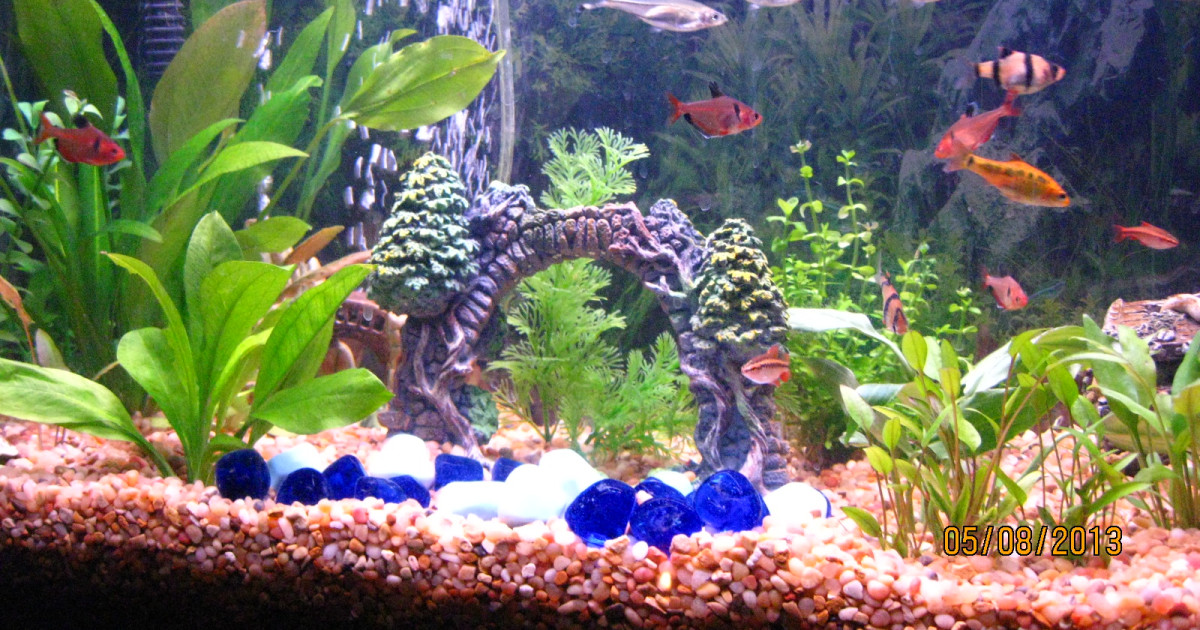
Credit: pethelpful.com
Setting Up The Perfect Habitat
Choosing the right aquarium size is key for tropical fish health. The tank must give enough space to swim and grow.
Setting up the habitat includes picking substrate, decorations, plants, and good water flow. These help fish feel safe.
Substrate And Decorations
Use smooth gravel or sand as substrate. It should not hurt fish or trap waste too much.
Decorations add interest and hiding spots. Avoid sharp edges to keep fish safe.
- Choose natural colors for a calm look
- Place rocks and wood carefully for stability
- Clean decorations before adding to the tank
Plants And Hiding Spots
Live plants improve water quality and oxygen. They give fish places to hide and feel secure.
Add caves or tunnels for extra shelter. These reduce stress and encourage natural behavior.
- Use easy plants like Java fern or Anubias
- Place hiding spots in quiet tank corners
- Keep plants trimmed to avoid overcrowding
Filtration And Aeration
Good filtration keeps water clean and clear. It removes waste and harmful chemicals.
Aeration adds oxygen to the water. Fish need oxygen to breathe and stay healthy.
- Choose a filter rated for your tank size
- Check and clean the filter regularly
- Use an air pump or bubbler for extra oxygen
Maintenance Tips For Different Aquarium Sizes
Keeping tropical fish healthy depends on how well you care for their tank. Aquarium size changes how often you need to clean and check the water.
Small tanks need more attention because water conditions change fast. Large tanks are more stable but still need regular care.
Water Changes And Cleaning
Water changes keep the tank clean and fish healthy. The size of your aquarium affects how much water to change and how often.
| Aquarium Size | Water Change Frequency | Amount to Change |
| Small (Under 20 gallons) | Weekly | 25-50% |
| Medium (20-50 gallons) | Every 2 weeks | 20-30% |
| Large (Over 50 gallons) | Monthly | 15-20% |
Monitoring Water Parameters
Check water quality often to avoid problems. Different tank sizes need different monitoring schedules.
- Small tanks: Test water twice a week for ammonia, nitrites, and pH.
- Medium tanks: Test once a week to keep parameters stable.
- Large tanks: Test every two weeks but watch for changes after feeding or cleaning.
Feeding Strategies
Feed your fish the right amount to avoid leftover food. Overfeeding pollutes the water, especially in smaller tanks.
- Feed small tanks once or twice daily with small portions.
- Feed medium tanks once daily, adjusting portion size as needed.
- Feed large tanks once daily or every other day, depending on fish type.
- Remove uneaten food after five minutes to keep water clean.
Upgrading And Expanding Your Aquarium
Having an aquarium with tropical species is fun and relaxing. As your fish grow, they need more space. Expanding your aquarium helps them thrive.
Learn when and how to upgrade your tank. Choose compatible species for a peaceful environment.
Signs You Need A Larger Tank
Your fish need enough room to swim and grow. A crowded tank stresses them. Look for signs that your tank is too small.
- Fish are bumping into each other often
- Water quality drops quickly
- Fish appear stressed or sick
Steps For A Smooth Transition
Moving your fish to a larger tank can be easy. Plan carefully to avoid stress. Follow simple steps for a smooth transition.
- Set up the new tank with clean water and decorations
- Gradually introduce your fish to the new environment
- Monitor your fish closely for any signs of stress
Choosing Compatible Species For Expansion
Adding new species can make your aquarium vibrant. Choose species that live well together. Avoid conflicts by picking the right fish.
- Research the temperaments of potential new fish
- Ensure the new fish have similar water needs
- Introduce new fish gradually to the tank
Frequently Asked Questions
What Is The Ideal Aquarium Size For Tropical Fish?
The ideal aquarium size for tropical fish is typically 20 gallons or larger. This size provides enough space for swimming and stable water conditions. Larger tanks help maintain temperature and water quality, which are crucial for tropical species’ health and well-being.
How Does Aquarium Size Affect Tropical Fish Health?
A proper aquarium size ensures enough swimming space and reduces stress. Smaller tanks can lead to poor water quality and overcrowding. Larger tanks stabilize water parameters, promoting better oxygen levels and reducing disease risk in tropical fish.
Can Small Tanks Support Tropical Fish Species?
Small tanks can support only a few small tropical species. However, they require frequent maintenance and careful monitoring of water quality. For a healthy environment, larger tanks are preferred to avoid stress and ensure proper growth of tropical fish.
Why Choose Larger Tanks For Tropical Species?
Larger tanks provide stable temperature and water conditions. They offer ample space for fish to swim freely, reducing stress. Bigger aquariums also support diverse species and plants, creating a balanced ecosystem beneficial for tropical fish longevity.
Conclusion
Choosing the right aquarium size helps tropical fish thrive. Small tanks limit space and can stress fish. Bigger tanks offer better water quality and room to swim. Always match tank size to the species’ needs. Healthy fish show bright colors and active swimming.
Proper tank size makes fish care easier and more fun. Remember, a good home means happy tropical fish. Keep your aquarium size in mind for a lively underwater world.