
If you keep discus fish, you know how special they are. But did you know that their health and happiness depend a lot on the water temperature?
Getting the temperature right is not just a small detail—it can make the difference between a thriving discus and one that struggles. You’ll discover why discus fish are so sensitive to temperature changes and how you can create the perfect environment for them.
Keep reading to learn the simple steps that will keep your discus healthy and vibrant.

Credit: www.pvas.com
Discus Fish Temperature Needs
Discus fish are tropical fish that need warm water to stay healthy. They live best in stable temperatures.
Keeping the right temperature helps discus fish grow and avoid stress. Sudden changes can harm them.
Ideal Temperature Range
The best temperature for discus fish is between 82°F and 86°F (28°C to 30°C). This range keeps them active and healthy.
Temperatures below 80°F (27°C) can slow their metabolism. Temperatures above 88°F (31°C) can cause stress.
- Minimum: 82°F (28°C)
- Maximum: 86°F (30°C)
- Keep temperature steady within this range
Effects Of Temperature Fluctuations
Rapid temperature changes can weaken discus fish’s immune system. This makes them more likely to get sick.
Small, slow changes are less harmful but still cause stress. Stress lowers their ability to fight diseases.
- Sudden drops can cause shock or illness
- High temperatures can reduce oxygen in water
- Stress from changes leads to poor growth
- Keep temperature steady to avoid health problems
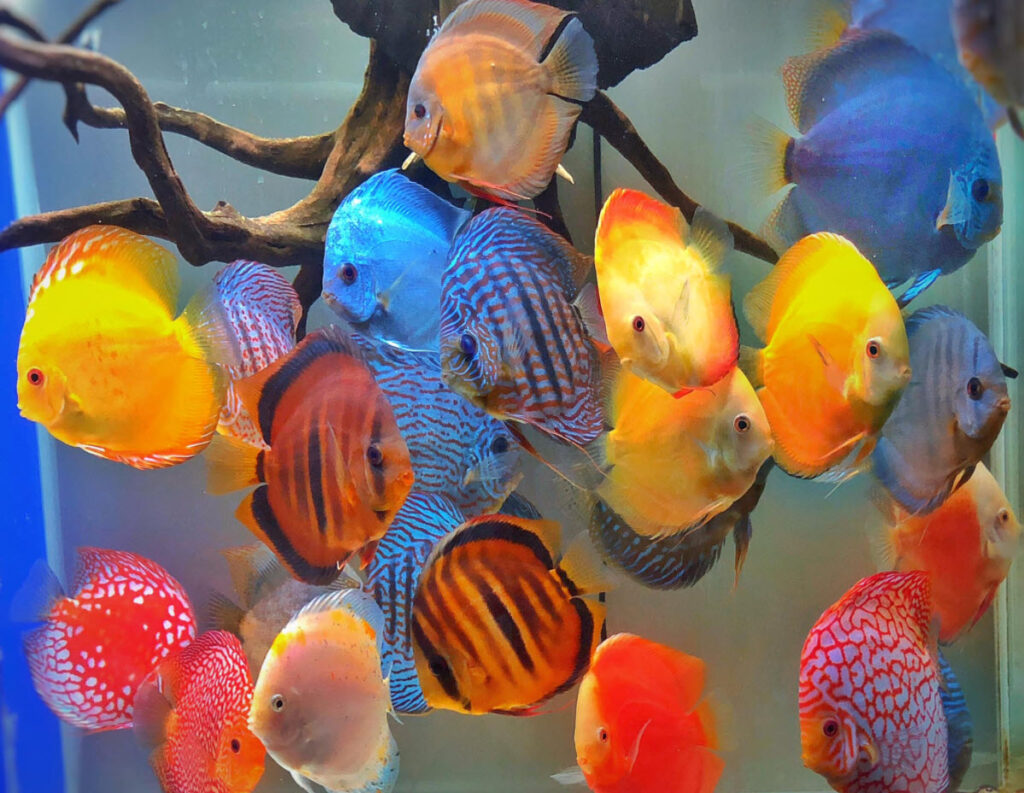
Credit: aquainfo.nl
Signs Of Temperature Stress
Discus fish are very sensitive to changes in water temperature. If the water is too hot or too cold, they can get stressed. Recognizing the signs of temperature stress helps keep your fish healthy.
Stress from temperature changes affects their behavior and body. Watch for changes early to prevent serious problems.
Behavioral Changes
Discus fish show clear behavior changes when stressed by temperature. They may swim less or hide more than usual. They might also lose interest in food.
Other common behaviors include rapid gill movement and unusual swimming patterns. These signs mean the fish is uncomfortable and needs attention.
- Reduced swimming activity
- Hiding in corners or behind plants
- Loss of appetite
- Faster or heavier breathing
- Erratic swimming or floating near the surface
Physical Symptoms
Temperature stress also shows in the physical condition of discus fish. Their color may fade or become dull. Skin might look blotchy or pale.
Look for clamped fins or swollen areas on their body. These symptoms can indicate the fish is struggling with the water temperature.
- Faded or dull coloration
- Clamped fins close to the body
- Swollen or inflamed spots
- Gasping at the water surface
- Excess mucus or slime on skin
Maintaining Stable Water Conditions
Discus fish are very sensitive to water temperature changes. Keeping the water stable helps them stay healthy and active.
Sudden temperature swings can stress the fish and cause illness. This guide explains how to keep their water temperature steady.
Choosing The Right Heater
Select a heater that fits your aquarium size. A proper heater keeps the water at a steady temperature without large changes.
Look for heaters with an adjustable thermostat. This feature helps you set the exact temperature your discus fish need.
- Pick a heater that matches your tank’s volume
- Use a heater with a built-in thermostat
- Choose reliable brands with good reviews
- Consider heaters with safety features like auto shut-off
Monitoring Temperature Regularly
Check the water temperature at least twice a day. Use a good quality aquarium thermometer for accurate readings.
Keep notes of temperature changes. This helps you spot problems early and keep the water stable for your discus fish.
- Place the thermometer where fish swim most
- Record temperature morning and evening
- Watch for sudden drops or spikes
- Adjust the heater if temperature goes outside safe range
Impact Of Temperature On Immune Health
Discus fish are sensitive to water temperature changes. Temperature affects their immune system and health.
Keeping the right temperature helps discus fish fight infections and stay strong.
Temperature And Disease Susceptibility
Low or high water temperatures can weaken discus fish immune defenses. Cold water slows their metabolism and immune response.
Warm water over 86°F (30°C) stresses discus fish and increases sickness risk. Stable temperature reduces disease chances.
- Too cold water lowers white blood cell activity
- Too warm water causes stress and weakens immunity
- Fluctuating temperatures confuse the immune system
- Stable range (82°F to 86°F) supports strong immunity
Boosting Immunity Through Environment
Good water quality and proper temperature help discus fish build strong immune systems. Clean water lowers harmful bacteria.
Adding plants and hiding spots reduces stress. Less stress means better immune health for discus fish.
- Keep temperature steady between 82°F and 86°F
- Change water regularly to keep it clean
- Use gentle filters to avoid stress
- Add plants for natural shelter
- Feed nutritious food to support immunity
Seasonal Temperature Adjustments
Discus fish are sensitive to changes in water temperature. Seasonal shifts can affect their health and behavior.
Adjusting tank temperature carefully helps discus fish stay healthy through different seasons.
Adapting To Climate Changes
Discus fish come from warm tropical waters. Sudden temperature drops can stress them.
Keep water temperature stable as outdoor weather changes. Use heaters or chillers if needed.
- Monitor aquarium temperature daily
- Adjust heater settings gradually
- Avoid sudden temperature changes
- Use insulated tank covers in winter
Preventing Seasonal Stress
Stress lowers discus fish immunity. Seasonal stress can cause illness or death.
Keep water clean and stable during seasonal changes. Feed discus fish high-quality food to boost health.
- Do regular water tests
- Perform partial water changes weekly
- Keep tank temperature steady within 82-86°F (28-30°C)
- Feed small, frequent meals

Credit: www.wetspottropicalfish.com
Best Practices For Tank Setup
Discus fish are sensitive to temperature changes. Proper tank setup helps keep them healthy.
Follow these practices to maintain the right environment for your discus fish.
Insulation Techniques
Insulation helps maintain stable water temperature. Use proper insulation to prevent heat loss.
Wrap the tank with insulating foam or blankets. This keeps the temperature steady.
- Use a tank cover to reduce heat escape
- Place the tank away from windows
- Consider using a heater with a thermostat
Placement Of Aquarium
Where you place your aquarium affects temperature stability. Choose a safe spot for your tank.
Avoid areas with direct sunlight or drafts. These spots can cause temperature swings.
| Preferred Location | Impact on Temperature |
| Interior walls | Stable temperature |
| Near heating vents | Risk of overheating |
| Near windows | Fluctuating temperature |
Temperature And Breeding Success
Discus fish are sensitive to temperature changes. Their breeding success depends on stable conditions.
The right temperature helps discus fish lay eggs. It also ensures the eggs hatch successfully.
Optimal Conditions For Spawning
Discus fish need specific conditions to spawn. The water temperature should be around 82 to 86°F.
Warmer water encourages breeding behavior. It also helps the eggs develop properly.
- Keep water clean and free of toxins.
- Maintain a pH level between 6.0 and 6.5.
- Use a soft water setup for best results.
Raising Fry In Stable Temperatures
After hatching, fry need stable temperatures. Consistent warmth helps them grow strong and healthy.
Fluctuating temperatures can harm fry. It is important to keep the water between 82 to 86°F.
| Temperature | Effect on Fry |
| Too Low | Slows growth and development |
| Optimal (82-86°F) | Promotes healthy growth |
| Too High | Causes stress and health issues |
Frequently Asked Questions
What Is The Ideal Temperature For Discus Fish?
The ideal temperature for discus fish is between 82°F and 86°F (28°C to 30°C). Maintaining this range ensures optimal health and vibrant colors.
How Does Temperature Affect Discus Fish Behavior?
Temperature influences discus fish activity and metabolism. Too cold or hot water can cause stress, lethargy, or increased aggression.
Can Discus Fish Survive In Low Temperatures?
Discus fish struggle in temperatures below 78°F (25. 5°C). Prolonged exposure to cold can weaken their immune system and cause illness.
How To Maintain Stable Temperature For Discus Fish?
Use a reliable aquarium heater and thermometer. Regularly monitor water temperature to avoid sudden fluctuations that harm discus fish health.
Conclusion
Discus fish need stable water temperatures to stay healthy. Sudden changes can stress them and cause illness. Keeping the tank temperature steady helps discus fish live longer. Use a reliable heater and thermometer to watch their environment closely. Small adjustments can make a big difference.
Caring for discus fish means paying close attention to temperature. This simple step ensures your fish thrive and stay vibrant. Temperature control is key to happy, healthy discus fish.