
Looking for the best fish for your low-maintenance aquarium? You want beautiful, lively fish that don’t need constant care or complicated setups.
Imagine having a vibrant tank that brightens your space without adding stress to your day. You’ll discover easy-to-care-for fish that fit perfectly into your busy lifestyle. Keep reading to find the perfect companions for your aquarium that will thrive with minimal effort from you.
Why Choose Low-maintenance Fish
Choosing low-maintenance fish makes aquarium care easier. These fish need less attention and can live well in simple setups.
They are perfect for beginners and busy people who want a beautiful tank without much work.
Benefits Of Easy-care Species
Easy-care fish offer many advantages that help keep your aquarium healthy and enjoyable.
- Less frequent feeding and cleaning
- Better tolerance for water changes
- Lower risk of disease
- Can live in a range of water conditions
- Suitable for small or simple tanks
Ideal Aquarium Conditions
Low-maintenance fish thrive in stable, easy-to-maintain environments. Knowing the right conditions helps them stay healthy.
| Condition | Recommended Range | Notes |
| Water Temperature | 72°F to 78°F (22°C to 26°C) | Room temperature is often fine |
| pH Level | 6.5 to 7.5 | Neutral water suits most species |
| Tank Size | 10 gallons or more | Small tanks work with small fish |
| Filtration | Basic filter system | Removes waste and keeps water clear |
| Lighting | Moderate | Natural or LED lights are good |
Credit: www.chewy.com
Top Freshwater Fish For Beginners
Choosing the right fish is important for a low-maintenance aquarium. Some fish need less care and are good for beginners.
These fish are easy to feed, stay healthy, and live well in simple tank setups. They help new fishkeepers enjoy their aquarium.
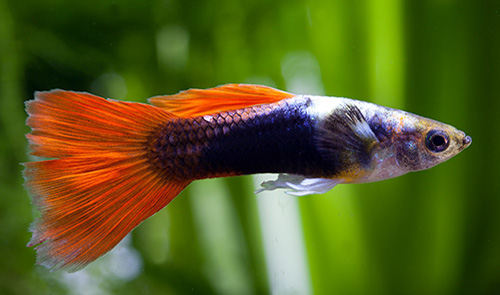
Guppies
Guppies are small, colorful fish that adapt well to many tank conditions. They are peaceful and active swimmers.
Guppies eat flakes and small live food. They breed easily, so watch their numbers in the tank.
- Tank size: 5 gallons or more
- Water temperature: 72–82°F (22–28°C)
- pH level: 6.8–7.8
- Diet: Flakes, freeze-dried, live food
Betta Fish
Betta fish are known for their bright colors and flowing fins. They can live in small tanks with low water flow.
Male bettas should be kept alone to avoid fights. They eat pellets and frozen food easily.
- Tank size: Minimum 5 gallons
- Water temperature: 75–80°F (24–27°C)
- pH level: 6.5–7.5
- Diet: Pellets, frozen, live food
Zebra Danios
Zebra Danios are small, striped fish that like to swim in groups. They are hardy and easy to care for.
They eat flakes and small live foods. Keep them in groups of five or more for best health.
- Tank size: 10 gallons or more
- Water temperature: 64–74°F (18–23°C)
- pH level: 6.5–7.5
- Diet: Flakes, live or frozen food
Corydoras Catfish
Corydoras catfish are small bottom-dwellers. They help keep the tank clean by eating leftover food.
These fish like to be in groups and live well with peaceful tank mates. They eat sinking pellets and flakes.
- Tank size: 10 gallons or more
- Water temperature: 72–78°F (22–26°C)
- pH level: 6.0–7.8
- Diet: Sinking pellets, flakes
Low-maintenance Saltwater Fish Options
Saltwater fish can be beautiful and interesting pets. Some saltwater fish need less care than others. These fish are good for beginners or busy fish keepers.
Low-maintenance saltwater fish are hardy and easy to feed. They adapt well to aquarium life. This makes them good choices for simple saltwater tanks.
Clownfish
Clownfish are bright and popular saltwater fish. They are peaceful and easy to care for. Clownfish do well in small to medium tanks.
They eat flakes or pellets and some frozen food. Clownfish are hardy and can live in many water conditions. They also enjoy hiding in anemones or rocks.
Damselfish
Damselfish are small and colorful fish. They are tough and can handle a range of water conditions. Damselfish are good for beginners.
They are active swimmers and easy to feed. Damselfish eat flakes, pellets, and frozen foods. They may be a bit aggressive to other fish, so choose tank mates carefully.
Gobies
Gobies are small bottom-dwelling fish. They help keep the tank clean by eating leftover food. Gobies are peaceful and easy to care for.
They eat small flakes, pellets, and frozen food. Gobies like sandy bottoms and hiding spots. They do well in community tanks with other peaceful fish.

Credit: www.completekoi.com
Tips For Keeping Easy-care Fish Healthy
Keeping fish healthy in a low-maintenance aquarium is easy with the right care. Simple habits help fish live longer and stay active.
This guide covers feeding basics, water quality, and tank setup to support your easy-care fish.
Feeding Basics
Feed your fish small amounts once or twice a day. Overfeeding can harm their health and water quality.
- Use high-quality fish flakes or pellets
- Remove uneaten food after 5 minutes
- Feed only what fish can eat quickly
- Include occasional treats like frozen or live food
Water Quality Maintenance
Clean water is vital for fish health. Test water weekly and keep levels safe for your fish type.
| Parameter | Ideal Range | Why It Matters |
| pH | 6.5 – 7.5 | Prevents stress and illness |
| Ammonia | 0 ppm | Highly toxic to fish |
| Nitrite | 0 ppm | Damages gills and health |
| Nitrate | < 20 ppm | Safe at low levels |
| Temperature | 72°F – 78°F | Supports metabolism and activity |
Tank Setup Essentials
Choose the right tank size and decorations to create a stress-free home for your fish.
Follow these tips for your tank setup:
- Pick a tank at least 10 gallons for stable water
- Use a filter rated for your tank size
- Add live or artificial plants for hiding spots
- Provide smooth gravel or sand substrate
- Avoid overcrowding by limiting fish numbers
Common Mistakes To Avoid
Keeping a low-maintenance aquarium can be simple if you avoid common errors. These mistakes can cause stress to your fish and affect water quality.
Learn about common problems like overfeeding, ignoring water changes, and mixing incompatible species. Fixing these helps your aquarium stay healthy and beautiful.
Overfeeding
Giving your fish too much food is a big mistake. Leftover food pollutes the water and harms fish health. Feed small amounts once or twice a day.
- Feed only what fish can eat in 2 minutes
- Remove uneaten food after feeding
- Use high-quality food for better nutrition
- Adjust feeding based on fish size and type
Ignoring Water Changes
Skipping regular water changes causes toxins to build up. Fish need clean water to live well. Change part of the water every week or two.
| Water Change Frequency | Amount to Change | Reason |
| Weekly | 10-20% | Remove waste and toxins |
| Every 2 weeks | 20-30% | Maintain water quality |
| Monthly | 30-50% | For less stocked tanks only |
Mixing Incompatible Species
Not all fish get along. Some fish may fight or stress each other. Choose species that live peacefully together.
Here are tips to avoid problems:
- Research each species’ behavior before adding
- Keep fish with similar size and temperament
- Avoid mixing aggressive and shy fish
- Use separate tanks if unsure about compatibility
Credit: www.hygger-online.com
Frequently Asked Questions
What Fish Species Are Best For Low-maintenance Aquariums?
Betta fish, guppies, and zebra danios are ideal for low-maintenance tanks. They require minimal care and adapt well to different water conditions. These species are hardy, easy to feed, and suitable for beginners seeking a simple, attractive aquarium setup.
How Often Should I Clean A Low-maintenance Fish Tank?
For low-maintenance tanks, clean partial water changes of 20-30% every two weeks are sufficient. Regular gravel vacuuming and filter checks help maintain water quality without stressing fish. Avoid full cleanings to preserve beneficial bacteria essential for aquarium health.
Can Low-maintenance Fish Live In Small Aquariums?
Yes, many low-maintenance fish thrive in small tanks, typically 5-10 gallons. Species like bettas and small tetras prefer compact environments. Ensure proper filtration and regular water changes to keep conditions stable and fish healthy in smaller spaces.
What Food Is Best For Low-maintenance Aquarium Fish?
High-quality flakes or pellets designed for tropical fish work well. Occasionally supplement with frozen or live foods like brine shrimp for variety. Feed small amounts once or twice daily to prevent overfeeding and maintain water quality in low-maintenance tanks.
Conclusion
Choosing the right fish makes your aquarium care easier and fun. These low-maintenance fish stay healthy with simple care routines. They adapt well and need less attention daily. Enjoy watching their colors and movements without stress. A peaceful tank brings calm and joy to your space.
Start with these fish to build your perfect tank. Keep your aquarium simple, and it will thrive. Fishkeeping can be rewarding with the right choices. Try these options for a happy, easy-to-care-for aquarium.