
Setting up the perfect aquarium for your angelfish and discus can feel overwhelming. You want a beautiful, healthy environment where these stunning fish can thrive.
But how do you create a tank that meets their unique needs without endless trial and error? This guide will walk you through everything you need to know to build a vibrant, balanced aquarium that keeps your angelfish and discus happy and healthy.
By the end, you’ll have clear, simple steps to transform your tank into a peaceful underwater haven you’ll love watching every day. Ready to make your aquarium a masterpiece? Let’s dive in!
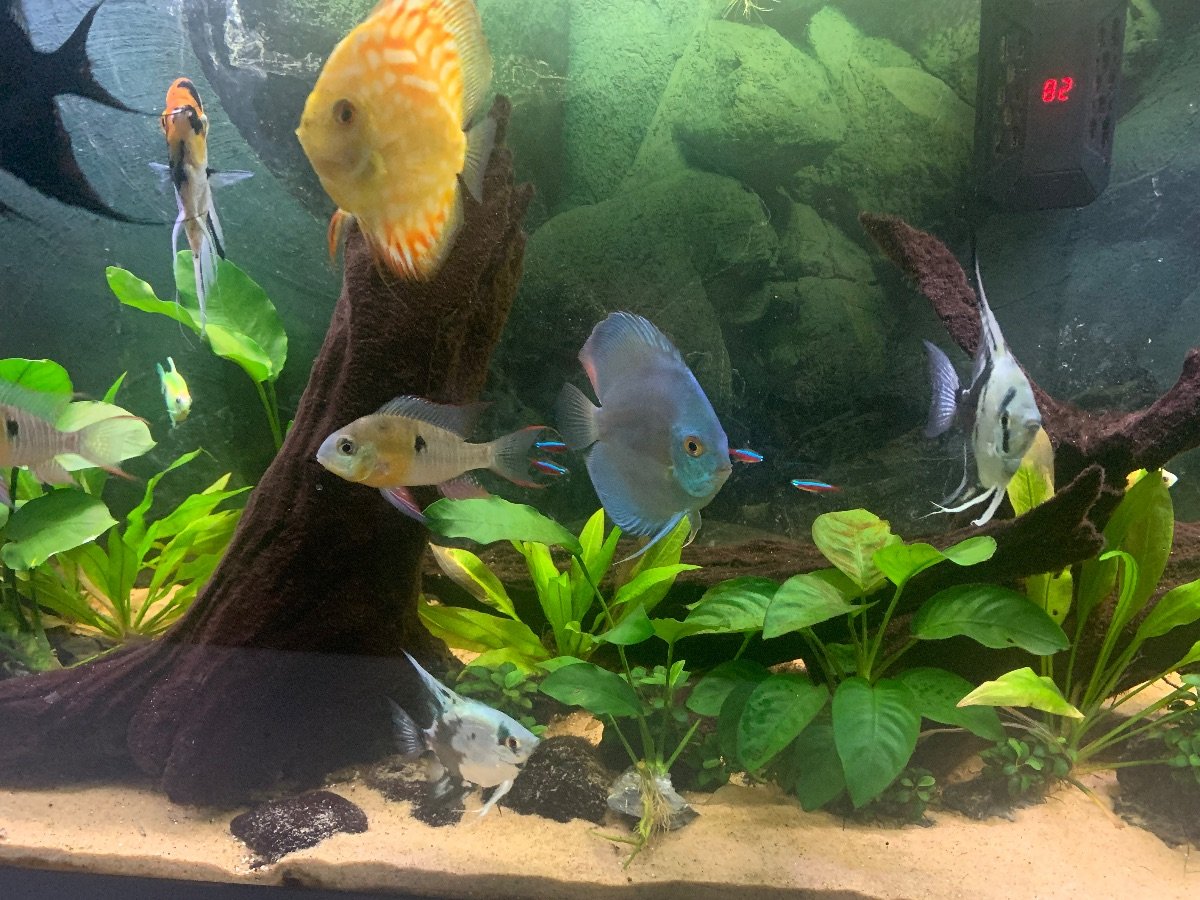
Credit: fishtanks.wattleydiscus.com
Choosing The Right Tank
Setting up a tank for Angelfish and Discus needs careful thought. The right tank keeps fish healthy and happy.
This guide helps you pick the best tank size, shape, and material for your aquarium.
Ideal Tank Size
Angelfish and Discus need enough space to swim comfortably. A small tank can cause stress and poor health.
A tank that is too small limits growth and increases waste buildup. Choose a size that fits both species well.
- Minimum 30 gallons for a small group of Angelfish
- At least 50 gallons for Discus to thrive
- Combine sizes for mixed tanks, 55 gallons or more
- Allow extra room for plants and decorations
Tank Shape And Material
Tank shape affects swimming space and fish comfort. Tall tanks suit Angelfish, while wide tanks benefit Discus.
Choose a tank made from strong, clear glass or acrylic. Both materials have advantages for durability and clarity.
- Taller tanks give Angelfish vertical space
- Wider tanks offer Discus more horizontal room
- Glass tanks resist scratches better
- Acrylic tanks are lighter and impact-resistant
- Consider tank placement and weight before buying
Water Parameters
Setting the right water parameters is key for keeping Angelfish and Discus healthy. These fish need clean water with stable conditions.
Good water quality helps fish grow well and shows their best colors. Learn about temperature, pH, hardness, and filtration.
Temperature Requirements
Angelfish and Discus prefer warm water. Keep the tank temperature steady to avoid stress.
Ideal temperature ranges differ slightly for each fish but overlap well for a shared tank.
- Angelfish: 76°F to 82°F (24°C to 28°C)
- Discus: 82°F to 86°F (28°C to 30°C)
- Maintain a stable temperature to prevent illness
Ph And Hardness Levels
Both fish prefer slightly acidic to neutral water. The pH should stay within a narrow range.
Water hardness affects fish health and comfort. Soft water suits these tropical species best.
- Angelfish pH: 6.5 to 7.0
- Discus pH: 6.0 to 7.0
- Water hardness (dGH): 1 to 8 degrees
- Use test kits to monitor pH and hardness regularly
Filtration And Water Quality
Good filtration keeps water clean and removes toxins. It helps fish breathe and stay healthy.
Regular water changes and proper filter size are important for stable water quality.
- Use a filter rated for at least double the tank volume per hour
- Perform 25% water changes weekly
- Test ammonia, nitrite, and nitrate levels often
- Keep nitrate below 20 ppm for best health
Tank Decoration
Setting up the right tank decoration helps angelfish and discus feel safe. It also makes the aquarium look natural and beautiful. Choosing the right items keeps your fish healthy and happy.
Tank decoration includes substrate, plants, hiding spots, and lighting. Each part plays a role in creating a good home for your fish.
Substrate Choices
A soft, smooth substrate is best for angelfish and discus. It protects their delicate fins and helps keep the water clean. Sand and fine gravel work well in these tanks.
- Choose sand for a natural look and gentle texture
- Use fine gravel to allow water flow and easy cleaning
- Avoid sharp or large stones that may harm fish
- Rinse substrate well before adding it to the tank
Plants And Hiding Spots
Live plants add oxygen and improve water quality. They also offer hiding spots for shy fish. Driftwood and smooth rocks create natural shelters and reduce stress for angelfish and discus.
| Decoration Type | Benefit |
| Amazon Sword Plant | Provides large leaves for hiding |
| Java Fern | Easy to care for and adds greenery |
| Driftwood | Creates natural caves and hides |
| Smooth Rocks | Safe spots for fish to rest |
Lighting Needs
Proper lighting helps plants grow and shows fish colors well. Use soft, adjustable lights to avoid stressing your fish. Timers keep a regular day and night cycle.
- Use LED lights with adjustable brightness
- Keep light on for 8 to 10 hours daily
- Reduce brightness if fish seem stressed
- Match light color to natural daylight

Credit: www.reddit.com
Selecting Compatible Fish
Choosing the right fish for your aquarium keeps the tank peaceful. Compatibility depends on fish behavior and needs.
Angelfish and discus require careful selection to avoid stress and aggression. Learn their traits and suitable tank mates.
Angelfish Characteristics
Angelfish are tall, triangular, and graceful swimmers. They are semi-aggressive and may chase smaller fish.
- Prefer warm water around 78-84°F (25-29°C)
- Enjoy tall plants and open swimming space
- May nip fins of slow-moving fish
- Can grow up to 6 inches in height
Discus Traits
Discus are round, colorful, and peaceful fish. They need very clean water and stable conditions.
| Trait | Description |
| Size | Up to 8 inches in diameter |
| Temperature | 82-86°F (28-30°C) |
| Water Quality | Low nitrate, soft water preferred |
| Temperament | Calm and shy |
Suitable Tank Mates
Choose fish that match angelfish and discus needs. Avoid aggressive or very small fish.
- Cardinal tetras
- Rummy nose tetras
- Corydoras catfish
- German blue ram cichlids
- Harlequin rasboras
Feeding And Nutrition
Proper feeding is key to keeping Angelfish and Discus healthy. Good nutrition helps them grow strong and show bright colors.
Both fish need a balanced diet that matches their natural eating habits. Feeding them right supports their immune system and activity.
Diet For Angelfish
Angelfish eat mostly small animals and plants in the wild. They need a mix of protein and plant matter in their food.
Feed them flakes or pellets made for cichlids. Add live or frozen foods to keep their diet varied and rich.
- Flake food with balanced nutrients
- Frozen or live brine shrimp
- Bloodworms for extra protein
- Vegetable matter like spinach or peas
Diet For Discus
Discus fish need a high-protein diet to support their fast growth. They also benefit from vitamins and minerals.
Feed them pellets or flakes made for discus. Include frozen or live foods to keep them healthy and colorful.
- High-quality discus pellets
- Frozen bloodworms or brine shrimp
- Beef heart mix for strong muscles
- Occasional vegetable flakes or spirulina
Feeding Schedule And Tips
Feed Angelfish and Discus two to three times daily. Small amounts prevent water pollution and keep fish healthy.
Remove uneaten food after 5 minutes. Watch your fish to adjust the feeding amount as needed.
- Feed 2–3 times per day with small portions
- Use a timer if needed for regular feeding
- Remove leftover food to keep water clean
- Observe fish behavior to adjust food amount
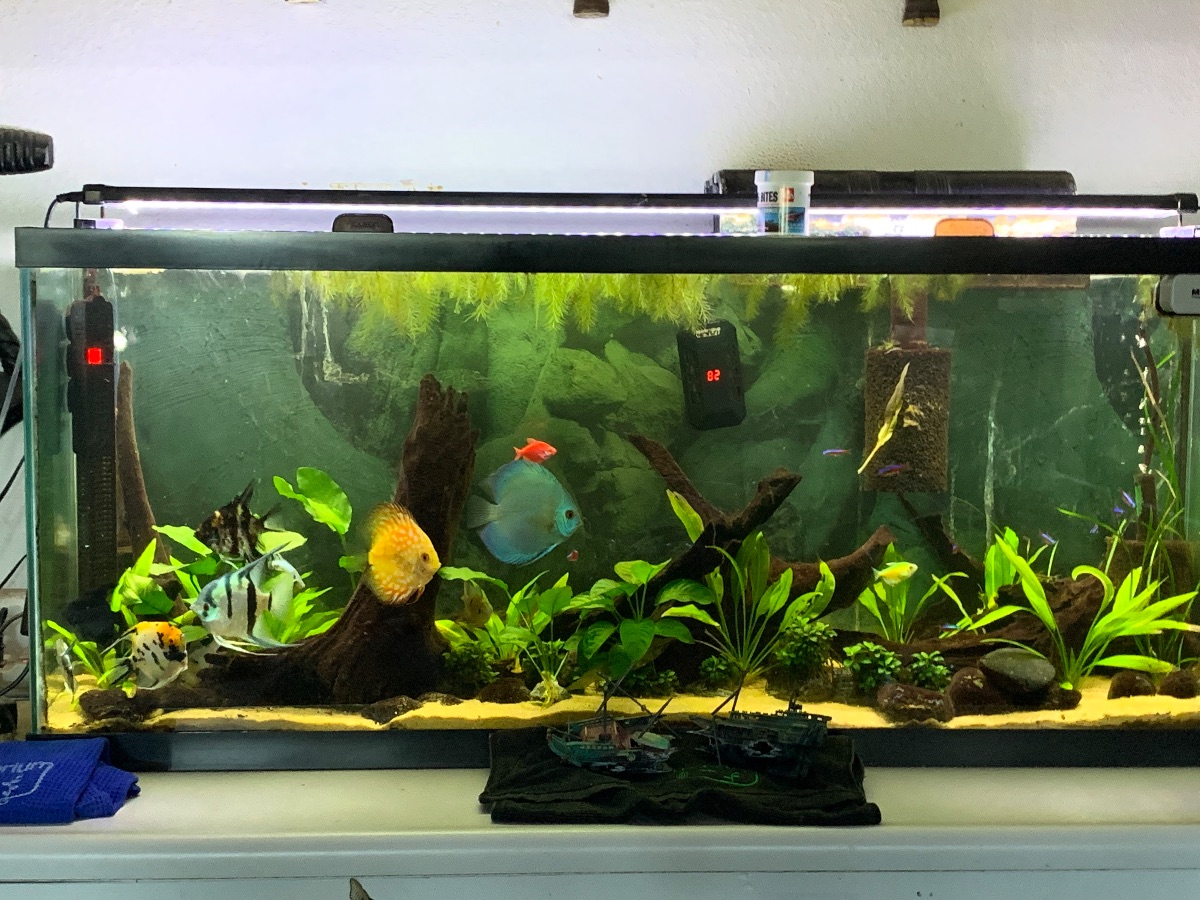
Credit: fishtanks.wattleydiscus.com
Maintaining Tank Health
Keeping your aquarium healthy is important for angelfish and discus. A clean tank helps fish thrive and prevents illness.
Regular maintenance ensures a safe home for your fish. Let’s explore some key practices.
Regular Cleaning Routine
Cleaning the tank regularly keeps water conditions stable. This prevents harmful bacteria from growing.
Change 20% of the water every week. Clean the filter monthly to remove dirt and debris.
- Use a gravel vacuum to clean the tank bottom
- Wipe algae off the glass with a sponge
- Check and rinse the filter media
Monitoring Fish Behavior
Watch your fish daily to notice any changes. Healthy fish swim actively and eat well.
If fish hide or stop eating, it may signal a problem. Observe them closely for any unusual behavior.
- Look for signs of stress or aggression
- Ensure fish interact positively with each other
- Check for changes in color or spots
Preventing Common Diseases
Diseases can spread quickly in aquariums. Prevention is key to keeping fish healthy.
Quarantine new fish before adding them to the main tank. This prevents diseases from spreading.
- Maintain proper water temperature and pH levels
- Avoid overfeeding to keep water clean
- Use a UV sterilizer to reduce bacteria
Breeding Tips
Breeding angelfish and discus can be a rewarding experience. Both species require specific conditions to breed successfully. Understanding their needs will help you create the ideal environment for them.
By preparing properly, you can increase the chances of successful breeding. This guide will cover essential tips and strategies for breeding angelfish and discus.
Preparing The Breeding Tank
Setting up the breeding tank is crucial for success. The tank should be spacious enough to accommodate the fish comfortably. A 20-gallon tank is a good starting point.
Maintain the water temperature between 78°F and 82°F. Use a heater to keep the temperature stable. Clean water with a pH of 6.5 to 7.0 is ideal for breeding.
- Use a sponge filter for gentle filtration
- Add flat surfaces for egg-laying
- Provide hiding spots with plants
Caring For Fry
Fry care is a delicate process. Once the eggs hatch, the fry need special attention. They are sensitive to water conditions and require frequent feeding.
Feed the fry with infusoria or specially prepared fry food. Gradually introduce baby brine shrimp as they grow. Monitor water quality daily to ensure a healthy environment.
- Feed small amounts multiple times a day
- Perform regular water changes
- Keep the tank clean to prevent disease
Breeding Challenges
Breeding angelfish and discus comes with challenges. One common issue is aggression among fish. This can stress the fish and hinder breeding success.
Another challenge is ensuring the survival of the fry. They are vulnerable to fluctuations in water conditions. Consistent monitoring and care are essential to overcoming these challenges.
- Watch for signs of aggression
- Separate aggressive fish if needed
- Maintain stable water conditions
Frequently Asked Questions
What Is The Ideal Tank Size For Angelfish And Discus?
The ideal tank size for both Angelfish and Discus is at least 55 gallons. This provides enough space for swimming and territory. Larger tanks help maintain water quality and reduce stress for these species.
How To Maintain Water Conditions For Angelfish And Discus?
Keep water temperature between 78-84°F and pH around 6. 0-7. 0. Use a good filtration system and perform regular water changes. Stable, clean water is crucial for their health and vibrant colors.
Can Angelfish And Discus Coexist Peacefully?
Yes, Angelfish and Discus can live together if the tank is spacious. Ensure compatible water parameters and avoid aggressive tank mates. Monitor behavior to prevent stress or territorial disputes.
What Is The Best Diet For Angelfish And Discus?
Feed a balanced diet including high-quality flakes, pellets, and frozen foods. Supplement with live foods like brine shrimp or bloodworms. Proper nutrition supports growth and vibrant coloration.
Conclusion
Setting up an aquarium for angelfish and discus needs care and patience. Keep water clean and stable for their health. Choose plants and decorations that suit their needs. Feed them well, but do not overfeed. Watch their behavior to spot any problems early.
A well-kept tank brings calm and beauty to your home. Enjoy the peace that these fish can create. Small efforts lead to happy, vibrant fish. Start simple and grow your aquarium skills over time.