
Keeping your fish healthy isn’t always easy, especially when different species have unique needs. You want your underwater friends to thrive, not just survive.
But how can you tell if your species-specific fish are truly healthy? This guide will give you simple, clear steps to recognize signs of good health and spot problems early. By understanding your fish’s specific requirements, you’ll create a vibrant, lively tank that you’ll enjoy every day.
Keep reading to discover practical tips that will make a real difference for your aquatic pets.
Choosing The Right Species
Selecting the right fish species is key to keeping them healthy. Each species has unique needs that affect their well-being.
Understanding these needs helps create a suitable environment. This guide covers habitat, water, and compatibility factors.
Research Habitat Needs
Fish live in different habitats such as rivers, lakes, or oceans. Learn about your fish’s natural home before buying.
- Find out if they need plants or rocks for shelter
- Check if they swim near the surface or bottom
- Know if they live in fast or slow water
- Understand their diet in the wild
Match Water Conditions
Water quality is vital. Different species need specific temperature, pH, and hardness levels.
| Species | Temperature (°F) | pH Range | Water Hardness (dGH) |
| Goldfish | 65-75 | 7.0-8.4 | 5-19 |
| Neon Tetra | 70-81 | 6.0-7.0 | 1-2 |
| Discus | 82-86 | 6.0-7.0 | 1-4 |
Consider Compatibility
Some fish do not get along with others. Choose species that live peacefully together.
- Avoid mixing aggressive and peaceful fish
- Match fish of similar size to prevent bullying
- Group species with similar activity levels
- Check if fish have special social needs
Setting Up The Aquarium
Setting up the aquarium properly helps keep species-specific fish healthy. Every fish has needs for space, water, and temperature.
Understanding these needs before placing fish in the tank prevents stress and disease.
Tank Size And Environment
Choose a tank size that fits your fish species. Small fish need less space; big fish need more room to swim.
- Research the adult size of your fish
- Allow extra space for growth and movement
- Include plants or decorations for hiding spots
- Use substrate suitable for the fish type
Water Filtration And Quality
Clean water is vital for fish health. Use filters that match your tank size and fish type.
| Filter Type | Best For | Maintenance |
| Hang-on-back | Small to medium tanks | Clean weekly |
| Canister | Large tanks | Clean monthly |
| Sponge | Breeding or fry tanks | Rinse weekly |
Temperature Control
Keep the water temperature steady for your fish species. Sudden changes cause stress.
- Buy a reliable heater for tropical fish
- Use a thermometer to check water daily
- Adjust temperature slowly if needed
- Place the tank away from direct sunlight or drafts
Feeding Species-specific Diets
Feeding your fish the right diet is important for their health. Different fish species need different types of food.
Understanding what your fish need helps them grow strong and stay healthy.
Identify Nutritional Requirements
Each fish species has unique nutritional needs. Some need more protein, others need more plants.
Knowing these needs helps you pick the right food to keep your fish healthy.
- Carnivorous fish require high protein diets
- Herbivorous fish need plant-based foods
- Omnivores eat both animal and plant matter
- Some fish need special vitamins or minerals
Selecting Quality Food
Choose food that matches your fish’s diet and is fresh. Good food has all needed nutrients.
Look for foods made for your fish type to avoid health problems and improve growth.
- Use pellets or flakes made for your fish species
- Offer fresh or frozen foods when possible
- Avoid expired or low-quality foods
- Check ingredient lists for balanced nutrition
Feeding Frequency And Portions
Feed your fish the right amount of food at proper times. Overfeeding can cause health issues.
Small, frequent meals often work best for many species.
- Feed small portions that fish can eat in a few minutes
- Feed carnivores once or twice daily
- Herbivores may need more frequent feeding
- Adjust feeding based on fish activity and water quality

Credit: www.mdpi.com
Monitoring Fish Behavior
Watching fish behavior helps keep them healthy. It shows if fish feel safe and comfortable.
Each fish species acts in its own way. Knowing normal actions helps spot problems early.
Recognizing Normal Activity
Normal fish activity means regular swimming and eating patterns. Fish should explore their tank and interact calmly with others.
- Fish swim steadily without rapid darting.
- They eat at usual times and finish food quickly.
- Colors stay bright and scales look smooth.
- Fish rest quietly in safe spots.
- They show natural social behavior for their species.
Spotting Signs Of Stress
Stress makes fish act strangely. It may cause changes in swimming or eating habits.
| Sign | What It Means |
| Hiding often | Fear or poor water quality |
| Gasping at surface | Low oxygen levels |
| Loss of appetite | Illness or stress |
| Clamped fins | Discomfort or infection |
| Erratic swimming | Stress or injury |
Dealing With Aggression
Aggression harms fish health. It can cause injuries and stress in the tank.
Use these tips to manage aggression:
- Separate aggressive fish in a different tank.
- Provide hiding spots with plants or decorations.
- Avoid overcrowding the aquarium.
- Feed fish well to reduce competition.
- Observe fish often to catch fights early.
Preventing Common Diseases
Keeping fish healthy means stopping diseases before they start. Fish need clean water and good care.
Preventing illness helps fish live longer and grow better. It also keeps the tank safe for all fish.
Quarantine New Arrivals
New fish can carry germs that spread to others. Keep new fish separate for two weeks before adding them.
This time lets you watch for sickness and treat any problems early. Use a small tank for quarantine.
- Check for spots, odd swimming, or loss of appetite
- Keep water clean and warm in quarantine
- Treat fish if signs of illness appear
Maintain Clean Environment
Dirty tanks cause stress and disease. Clean tanks help fish stay strong and healthy.
Change water regularly and remove leftover food. Use filters and test water often for good quality.
- Change 10-20% of water weekly
- Remove uneaten food and waste daily
- Check pH, ammonia, and nitrate levels
- Clean tank walls and decorations monthly
Use Preventative Treatments
Some medicines and additives help stop disease before it starts. Use these treatments carefully.
Salt baths and water conditioners support fish health. Follow instructions and avoid overuse.
- Use aquarium salt to reduce parasites
- Add water conditioners to remove chlorine
- Use probiotics to boost fish immunity
- Follow dosage instructions on all products

Credit: www.completekoi.com
Regular Health Checks
Ensuring your fish are healthy requires regular checks. This helps you spot issues early. Consistent care keeps your fish thriving.
Learn how to perform these checks for better fish health. Each step is simple but important.
Visual Inspections
Look at your fish daily for signs of illness. Check for spots, unusual swimming, or changes in color.
- Observe fish behavior and interactions
- Look for signs of stress or disease
- Check for physical injuries or abnormalities
Water Testing Routine
Test water regularly to ensure it is clean. Healthy water means healthy fish. Keep track of water quality weekly.
| Test Type | Frequency |
| pH Level | Weekly |
| Ammonia | Weekly |
| Nitrite | Weekly |
| Nitrate | Weekly |
Tracking Growth And Development
Keep a record of your fish’s growth. This helps you notice any unusual changes. Regular tracking supports healthy development.
Expert Care Practices
Ensuring fish are healthy requires specific care practices. Each species has unique needs. Understanding these needs is crucial for their well-being.
Expert care practices include consulting specialists, using technology, and continuous learning. These methods help maintain optimal conditions for fish.
Consulting Specialists
Consulting specialists can be very beneficial. They offer advice on feeding, tank setup, and health checks. Specialists have experience with various species.
They can identify issues early. This helps prevent diseases and stress in fish. Regular consultations are key to maintaining healthy fish.
- Regular health assessments
- Advice on tank conditions
- Feeding recommendations
Using Technology In Care
Technology can aid in fish care. Devices can monitor water quality and temperature. This ensures the environment is stable for fish.
Using apps can help track feeding and health records. These tools provide data that can improve care practices.
- Water quality monitors
- Temperature control devices
- Feeding and health tracking apps
Continuous Learning And Adaptation
Continuous learning is vital. New research can change how we care for fish. Staying updated helps in providing better care.
Adapting practices based on new information keeps fish healthy. Joining forums and reading articles can be beneficial.
- Read scientific articles
- Join fish care communities
- Attend workshops and seminars
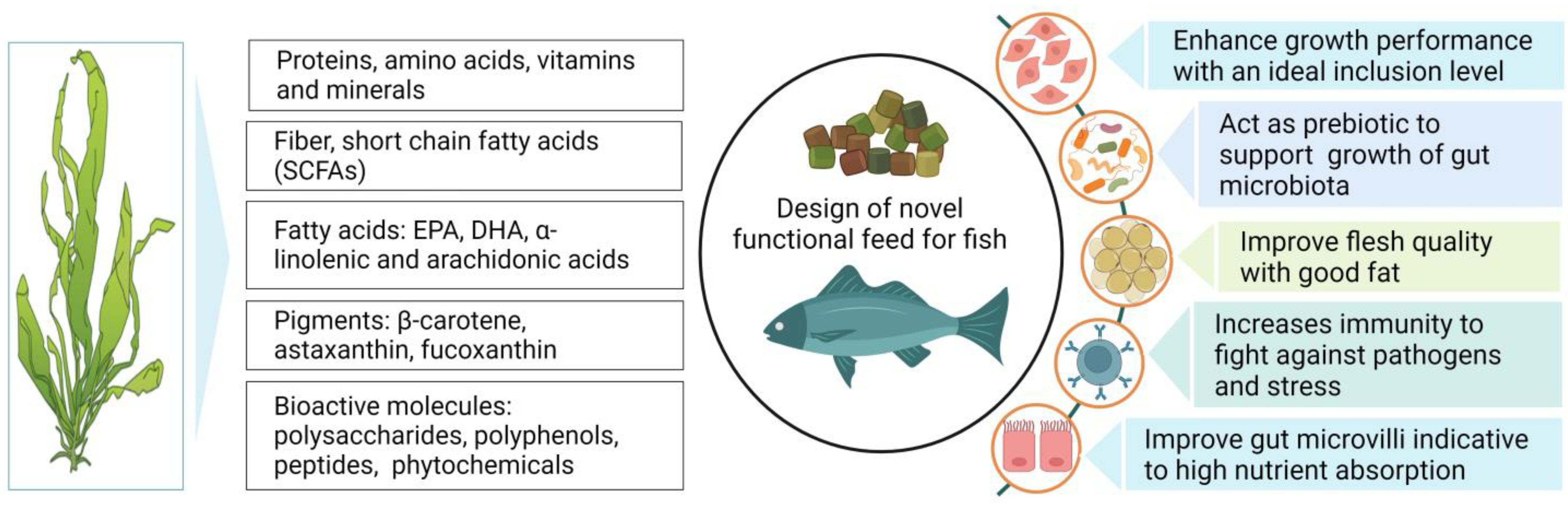
Credit: www.mdpi.com
Frequently Asked Questions
How To Identify Healthy Species-specific Fish?
Healthy fish display vibrant colors, clear eyes, and active swimming. Look for intact fins and no visible signs of disease or stress. Consistent eating habits also indicate good health in species-specific fish.
What Water Conditions Suit Species-specific Fish Best?
Maintain stable temperature, pH, and cleanliness tailored to the fish species. Regularly test water parameters to prevent harmful fluctuations. Proper filtration and regular water changes support a healthy aquatic environment.
How Often Should I Feed Species-specific Fish?
Feed small portions 1-2 times daily, based on species needs. Avoid overfeeding to prevent water pollution and health issues. Use high-quality, species-appropriate food to ensure balanced nutrition.
What Signs Indicate Species-specific Fish Are Stressed?
Signs include erratic swimming, hiding, loss of appetite, and faded colors. Stress can arise from poor water quality or incompatible tank mates. Early detection helps in timely intervention and recovery.
Conclusion
Healthy fish need proper care, clean water, and good food. Watch their behavior and appearance every day. Keep their environment stable and avoid overcrowding. Regular checks help catch problems early. Each species has unique needs—know them well. Care and patience create strong, vibrant fish.
Small efforts make a big difference in their health. Fish thrive when you stay attentive and consistent. Healthy fish bring joy and beauty to your tank.