
Are you ready to transform your aquarium into a stunning home tailored just for your favorite fish? Creating an aquascape for a species-specific tank is more than just arranging plants and decorations—it’s about designing the perfect environment where your fish can thrive and show off their natural beauty.
In this guide, you’ll discover simple, effective steps to build a personalized underwater world that meets the unique needs of your species. Keep reading to learn how you can make your tank both healthy and eye-catching, turning your aquarium into a true masterpiece.
Choosing The Right Species
Choosing the right species is very important for a species-specific tank. You need to pick fish or plants that can live well together.
Knowing the needs of your chosen species helps you create a healthy and balanced aquascape.
Researching Habitat Needs
Learn about the natural habitat of your species. Check the water temperature, pH, and hardness they prefer.
Plants and decorations should match the environment your species comes from.
- Tropical species usually need warmer water
- Some fish prefer soft, acidic water
- Others live in hard, alkaline water
- Light levels affect plant growth and fish comfort
Compatible Tank Mates
Choose tank mates that live well with your species. Avoid adding aggressive or very different fish.
Compatibility helps reduce stress and fighting in the tank.
- Pick fish with similar size and temperament
- Avoid predators with small or slow fish
- Consider fish that share water parameter needs
- Research schooling species to keep in groups
Behavioral Considerations
Understand how your species behaves. Some are shy, while others are very active or territorial.
Design your aquascape to suit these behaviors and keep fish comfortable.
- Provide hiding spots for shy fish
- Leave open swimming areas for active species
- Use plants and rocks to reduce aggression
- Observe fish to adjust tank setup if needed
Credit: myaquariumbuilder.com
Selecting Suitable Plants And Decorations
Creating an aquascape for a species-specific tank means choosing plants and decorations that suit the fish. The right choices help fish feel safe and thrive.
Focus on natural elements that match the fish’s environment. This guide covers native plants, substrate, driftwood, and rocks.
Native Plant Species
Choose plants that grow naturally where your fish come from. These plants create a familiar habitat for the fish.
Native plants offer food and shelter. They also help keep the water clean and balanced.
- Anubias species for African cichlids
- Java fern for Southeast Asian fish
- Amazon sword for South American fish
- Cryptocoryne for shaded tank areas
- Vallisneria for tall background plants
Natural Substrate Choices
Use a substrate that matches the fish’s home. Substrate affects water chemistry and fish behavior.
Sand suits fish that like to dig. Gravel works well for plants with strong roots.
- Fine sand for bottom-dwelling fish
- Rounded gravel for planted tanks
- Clay-based substrate for acid-loving species
- Peat moss to lower pH levels
Driftwood And Rocks
Driftwood and rocks give hiding spots and break open space. They help fish feel safe and reduce stress.
Use smooth rocks and natural driftwood. Avoid sharp edges that can hurt fish.
- Indian almond leaves for tannins and shelter
- Slate or lava rocks for caves
- Spider wood for a natural look
- Driftwood to lower pH and add color
Designing The Layout
Designing an aquascape for a species-specific tank means thinking about the needs of your fish. The layout should provide a natural home that suits their behavior and lifestyle. Careful planning makes the tank look good and keeps the fish healthy.
Focus on how you arrange plants, rocks, and open water. This helps create a balanced space that your species will enjoy. The right layout supports fish activity and rest.
Creating Zones For Species
Divide the tank into zones based on the species’ habits. Some fish like to swim in open water, while others prefer staying near plants or hiding spots. Zones help keep these areas distinct and comfortable.
- Open swimming areas for active species
- Dense planting zones for shy or territorial fish
- Rock or driftwood sections for bottom dwellers
- Surface zones with floating plants for top swimmers
Balancing Open And Hiding Spaces
Balance between open water and hiding spots is key to a good aquascape. Fish need room to swim freely and safe places to retreat. Too much open space can stress shy fish, while too many hiding spots limit movement.
| Space Type | Purpose | Examples |
| Open Space | Allows free swimming and socializing | Clear areas, minimal plants |
| Hiding Space | Offers shelter and reduces stress | Dense plants, caves, driftwood |
Focal Points And Visual Flow
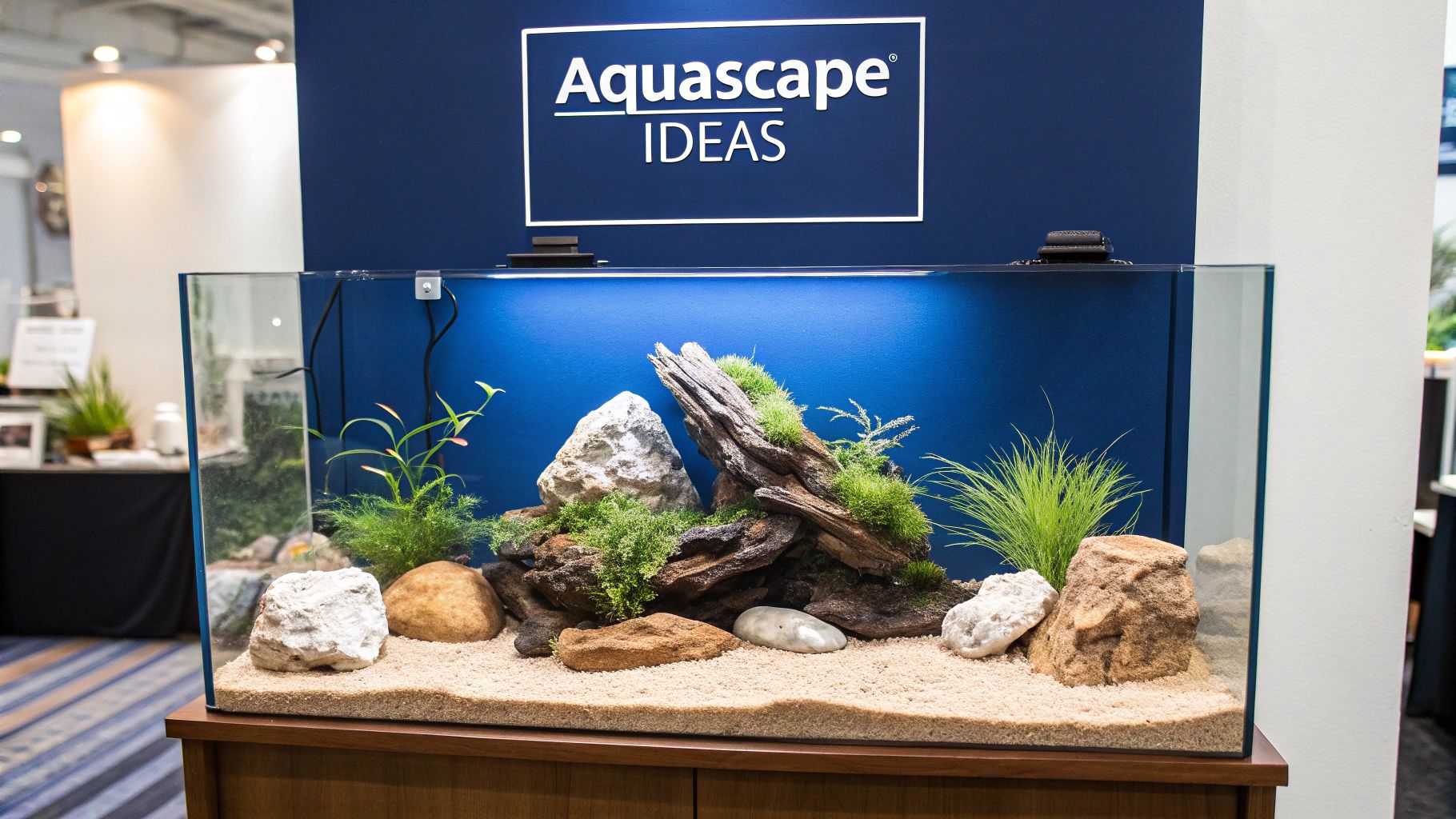
Create focal points to draw attention and guide the eye. Use a unique plant, rock, or decoration as a centerpiece. Arrange elements so the viewer’s gaze moves smoothly through the tank.
Tips for Visual Flow
- Place taller plants or rocks at the back
- Use mid-sized plants in the middle
- Keep smaller plants or open space near the front
- Position decorations to connect zones naturally
Credit: clixfueling.com
Water Parameters And Filtration
Creating an aquascape for a species-specific tank needs careful water care. The right water parameters and good filtration keep fish healthy.
Each species has unique needs for water quality. Meeting those needs helps plants and animals thrive in your tank.
Matching Ph And Hardness
Different fish prefer different pH levels and water hardness. Matching these to your species is important for their health.
Test your water regularly to keep pH and hardness steady. Sudden changes stress fish and plants.
- Soft water suits species like tetras and discus
- Hard water fits African cichlids and livebearers
- Neutral pH (6.5-7.5) works for many community tanks
- Use test kits to monitor pH and GH/KH levels
Temperature Control
Keep water temperature stable to match your fish’s natural habitat. Sudden changes can cause illness.
Choose a reliable heater and thermometer. Adjust temperature slowly if needed to avoid shock.
- Tropical fish usually need 75-80°F (24-27°C)
- Coldwater fish prefer 60-70°F (15-21°C)
- Use a heater with a built-in thermostat
- Place thermometer in a visible spot for easy checks
Efficient Filtration Systems
Good filtration removes waste and keeps water clean. It also helps keep oxygen levels high.
Choose filters based on tank size and species needs. Some fish prefer gentle flow, others like strong currents.
- Canister filters offer strong mechanical and biological filtration
- Hang-on-back filters are easy to maintain and effective
- Sponge filters are gentle and great for small or fry tanks
- Clean filter media regularly but avoid over-cleaning
Lighting And Co2 Considerations
Creating an aquascape for a species-specific tank needs careful planning. Lighting and CO2 affect both plants and fish. Proper balance helps plants grow and fish stay healthy.
Too much or too little light can harm your aquascape. CO2 injection supports plant growth but must be controlled to avoid stress on fish.
Light Intensity For Plants And Fish
Plants need enough light to perform photosynthesis. Fish need a comfortable light level to reduce stress. Both must be considered when choosing light intensity.
| Light Intensity | Effect on Plants | Effect on Fish |
| Low (0-20 μmol/m²/s) | Slow growth, good for shade plants | Low stress, natural setting |
| Medium (20-50 μmol/m²/s) | Healthy growth for most plants | Comfortable lighting |
| High (50+ μmol/m²/s) | Fast growth but risk of algae | Possible stress if too bright |
Co2 Injection Methods
CO2 helps plants grow by boosting photosynthesis. Different methods deliver CO2 at varied rates and costs. Choose the method that fits your tank size and budget.
- Pressurized CO2 systems provide steady CO2 levels.
- DIY yeast reactors are affordable but less stable.
- CO2 tablets dissolve slowly, good for small tanks.
- Liquid carbon supplements add CO2 without equipment.
Avoiding Algae Growth
Algae grow fast when light and nutrients are unbalanced. Controlling these factors can stop algae from taking over your tank.
| Cause | Solution |
|---|---|
| Too much light | Reduce lighting hours or intensity |
| Excess CO2 | Adjust CO2 injection rate |
| High nutrients | Limit feeding and clean regularly |
| Poor water flow | Improve filtration and circulation |
Maintenance And Monitoring
Creating an aquascape for a species-specific tank requires ongoing care. Regular maintenance ensures a healthy environment for your fish.
Monitoring various elements keeps the tank balanced and attractive. Here are key areas to focus on.
Regular Water Testing
Water quality is vital for fish health. Regular testing helps prevent harmful conditions.
- Test pH levels weekly.
- Check ammonia and nitrate levels bi-weekly.
- Monitor water hardness monthly.
Pruning And Cleaning
Plants and decor need attention to maintain the aquascape. Regular pruning and cleaning prevent overgrowth and debris buildup.
Use clean tools to avoid contamination. Trim plants to keep them healthy and prevent overcrowding.
Observing Fish Health
Regular observation of your fish is crucial. Look for signs of stress or illness.
| Sign | Action |
| Loss of appetite | Check water quality |
| Gasping at surface | Ensure proper oxygen levels |
| Color fading | Adjust lighting and diet |
Troubleshooting Common Issues
Creating an aquascape for a species-specific tank can be rewarding. However, it comes with its own challenges. Here, we discuss common issues and how to solve them.
Understanding these problems helps maintain a healthy environment. Let’s explore some key areas to focus on for a thriving aquascape.
Managing Algae Problems
Algae can quickly take over your tank. It is important to control it effectively. Too much light or nutrients can cause algae blooms.
- Reduce light exposure by using a timer.
- Limit fish feeding to avoid excess nutrients.
- Add algae-eating fish or snails.
Adjusting Water Parameters
Water parameters are crucial for fish health. Each species has specific needs. Regular testing helps keep levels safe and balanced.
Adjusting pH, hardness, and temperature may be necessary. Use water conditioners if needed.
| Parameter | Ideal Range |
| pH | 6.5 – 7.5 |
| Temperature | 24°C – 28°C |
| Hardness | 5 – 15 dGH |
Dealing With Plant And Fish Stress
Stress can harm both plants and fish. Causes include sudden changes in the environment. Consistency is key to reducing stress.
Provide hiding spots for fish. Ensure plants have proper lighting and nutrients. Regular maintenance keeps stress levels low.
Credit: medium.com
Frequently Asked Questions
What Is A Species-specific Aquascape Tank?
A species-specific aquascape tank is designed around one fish species. It meets their natural habitat needs and behavior. This approach promotes fish health and natural aesthetics. Aquascaping elements like plants, substrate, and decorations are chosen accordingly.
How Do I Choose Plants For My Aquascape?
Select plants that match your fish’s natural environment. Consider light, water parameters, and growth habits. Use native or similar species to replicate their habitat. This ensures fish comfort and helps maintain tank balance and appearance.
Why Is Substrate Important In Species-specific Tanks?
Substrate affects water chemistry and fish behavior. Different species prefer sand, gravel, or soil substrates. It supports plant growth and beneficial bacteria. Choosing the right substrate improves fish health and enhances the tank’s natural look.
How Can I Maintain Water Quality In Aquascaping?
Regular water changes and filtration are key. Test water parameters often for pH, ammonia, and nitrates. Avoid overfeeding and overcrowding. Clean substrate and remove debris to keep the environment stable and healthy for species-specific tanks.
Conclusion
Creating a species-specific aquascape takes care and planning. Choose plants and decorations that match your fish’s needs. Keep water conditions steady and clean for healthy life. Watch your tank often and adjust as needed. Enjoy the beauty of a tank made just for your fish.
This approach helps your aquatic pets thrive and feel safe. A well-planned aquascape brings joy and peace to your home. Start simple, learn, and improve with each step.