
Choosing the right substrate for your aquarium can make all the difference in creating a healthy and beautiful environment for your fish. But when it comes to species-specific setups, the stakes are even higher.
You want a substrate that not only looks great but also meets the unique needs of your aquatic pets. Imagine giving your fish the perfect home that helps them thrive, grow, and show their true colors. You’ll discover the best aquarium substrates tailored to different species, so you can make the smartest choice for your tank and enjoy a vibrant underwater world like never before.
Keep reading to find out what substrate suits your fish best!
Choosing Substrate By Fish Type
Choosing the right substrate is key for a healthy aquarium. Different fish species need specific substrates to thrive. The substrate affects water quality, fish behavior, and plant growth.
Learn how to pick the best substrate for freshwater, saltwater, and brackish water fish. This guide helps you create a better environment for your fish.
Substrates For Freshwater Fish
Freshwater fish often prefer soft, natural substrates. Gravel and sand are popular choices. Some fish like corydoras and loaches need fine sand to protect their barbels. Plants also grow well in nutrient-rich substrates.
- Fine sand for bottom dwellers
- Gravel for general use
- Clay-based substrates for planted tanks
- Peat or soil for acidic water species
Substrates For Saltwater Fish
Saltwater tanks often use crushed coral or aragonite sand. These substrates help keep the water alkaline and stable. They also support beneficial bacteria needed for a healthy reef tank.
| Substrate Type | Main Benefit | Best For |
| Crushed Coral | Raises pH and hardness | Marine fish and invertebrates |
| Aragonite Sand | Buffers acidity | Reef tanks and saltwater fish |
| Live Sand | Contains beneficial bacteria | Bioactive saltwater tanks |
Substrates For Brackish Water Fish
Brackish water fish live in water between fresh and salt. They need substrates that tolerate changing water conditions. Sand mixed with crushed shells is common. It helps balance pH and mimics their natural habitat.
Good substrate choices for brackish tanks include:
- Fine sand for digging fish
- Crushed coral for buffering water
- Mixed sand and shell grit for texture
- Gravel with neutral pH for general use

Credit: www.reddit.com
Substrates For Plant-based Aquariums
Choosing the right substrate is key for healthy aquatic plants. It supports root growth and supplies nutrients.
Different substrates suit different plant needs. We focus on nutrient-rich and inert options here.
Nutrient-rich Options
Nutrient-rich substrates provide minerals and elements plants need. These help plants grow strong and green.
- Aquarium soil: Contains natural nutrients and organic matter.
- Laterite: Rich in iron, promotes healthy root development.
- Clay-based substrates: Hold nutrients and release them slowly.
- Volcanic soil: Offers minerals and good water circulation.
Inert Substrate Choices
Inert substrates do not add nutrients but provide good anchoring. They work well with root tabs or liquid fertilizers.
| Substrate Type | Features | Best Use |
| Sand | Fine texture, easy root penetration | Small plants, soft water tanks |
| Gravel | Good water flow, stable planting | Larger plants, cichlid tanks |
| Quartz | Neutral pH, durable | Low nutrient setups |
Popular Substrate Materials
Choosing the right substrate is important for fish and plants. It helps create a natural environment for your aquarium.
Different materials suit different species. Some substrates support plant growth. Others are best for fish that like to dig.
Gravel Varieties
Gravel is one of the most common substrates. It comes in many sizes and colors. It is easy to clean and does not change water chemistry.
Some gravel types include river rock, pea gravel, and crushed coral. Crushed coral can raise pH, so it fits saltwater or African cichlid tanks.
- River Rock:Smooth and rounded, good for many fish.
- Pea Gravel:Small, rounded stones, easy to clean.
- Crushed Coral:Sharp edges, raises pH and hardness.
Sand Types
Sand is soft and fine. Many fish like to dig or sift through it. It gives a natural look to tanks with bottom dwellers.
Popular sand types include silica sand, aragonite sand, and play sand. Some sands can affect water hardness and pH.
- Silica Sand:Fine and inert, good for many species.
- Aragonite Sand:Raises pH, good for saltwater or African cichlids.
- Play Sand:Affordable but must be rinsed well.
Soil And Clay-based Substrates
Soil and clay substrates help planted tanks grow well. They add nutrients to the water and support root systems.
These substrates can lower pH and soften water. They are good for species from soft, acidic waters like Amazon fish.
- Aquarium Soil:Rich in nutrients, perfect for plants.
- Clay-Based Substrate:Helps with water chemistry and plant growth.
- Laterite:High in iron, supports root development.
Benefits Of Species-specific Substrate
Choosing the right substrate helps create a healthy home for your aquarium species. Species-specific substrate meets the needs of certain fish and plants.
This type of substrate supports natural behaviors and improves the overall tank environment.
Enhancing Natural Behavior
Species-specific substrate allows fish to dig, burrow, or forage as they do in the wild. This helps reduce stress and encourages natural activity.
For example, cichlids prefer sandy substrates to dig and build nests. Bottom feeders like catfish benefit from smooth gravel they can sift through.
- Encourages digging and burrowing
- Supports feeding habits
- Reduces stress by mimicking natural habitat
Supporting Health And Growth
The right substrate keeps water clean by trapping waste and helps beneficial bacteria grow. These bacteria break down harmful substances.
Certain plants need specific substrates for root growth and nutrient absorption. Using the proper substrate helps fish and plants stay healthy.
- Maintains water quality
- Supports beneficial bacteria
- Provides nutrients for plants
- Promotes healthy fish growth
Aesthetic Considerations
Substrate color and texture affect how your aquarium looks. Species-specific substrates often match the natural environment of the fish.
This creates a more natural and pleasing scene that highlights your fish and plants. It also helps fish feel safe and less exposed.
- Matches natural habitats
- Enhances fish and plant colors
- Creates a balanced, natural look
- Makes fish feel secure
Expert Picks For Cichlid Tanks
Choosing the right substrate is key for cichlid tanks. It affects fish health and tank appearance.
Cichlids need specific substrates to mimic their natural environment. This guide covers ideal grain size and texture, and top product picks.
Ideal Grain Size And Texture
Cichlids prefer substrates with smooth grains to protect their delicate mouths. Grain size affects digging and breeding behavior.
- Grain size between 1 to 3 mm is best for most cichlids.
- Rounded grains reduce risk of injury.
- A mix of fine and medium grains supports natural digging.
- Avoid sharp or large gravel that can harm fish.
Recommended Brands And Products
| Brand | Product | Grain Size | Notes |
| CaribSea | Super Naturals | 1-2 mm | Rounded grains, natural colors |
| Seachem | Flourite | 1-3 mm | Rich in iron, good for plants |
| ADA | Aquasoil Amazonia | 2-3 mm | Soft texture, nutrient rich |
| InTank | Cichlid Sand | 1-2 mm | Specifically for African cichlids |
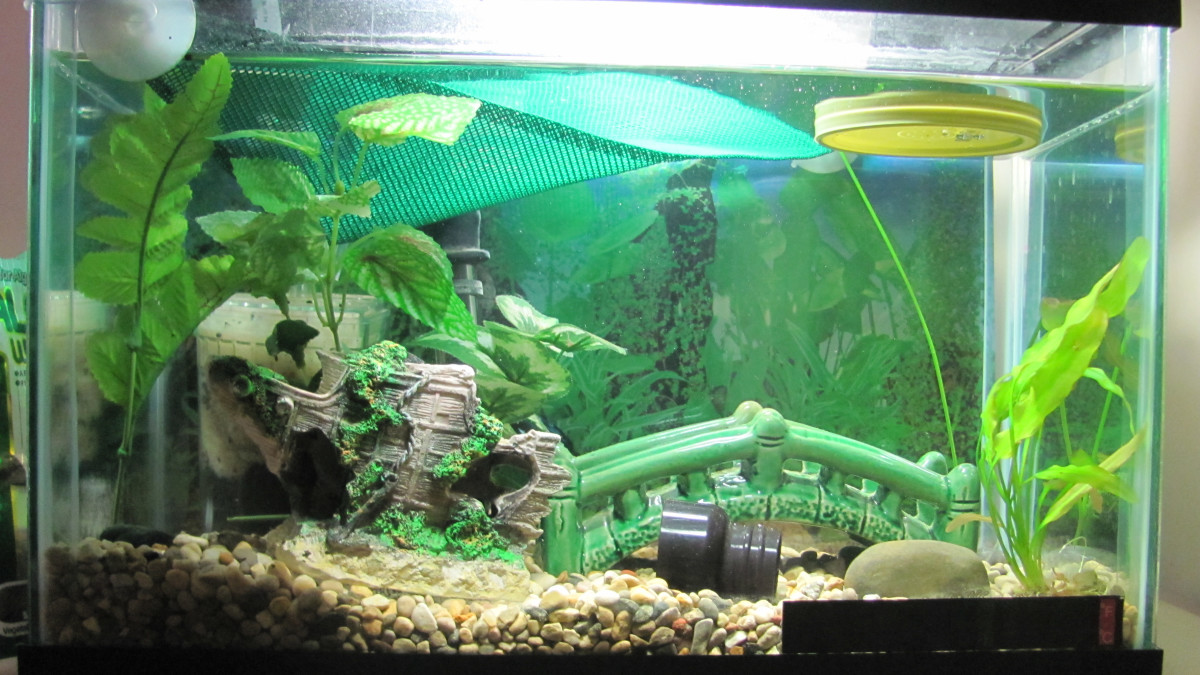
Credit: pethelpful.com
Best Substrates For Shrimp And Invertebrates
Choosing the right substrate is key for shrimp and invertebrates. It affects water quality and animal health.
Some substrates suit specific species better. We focus on important factors like pH and appearance.
Ph And Mineral Requirements
Shrimp and invertebrates need stable pH and minerals to thrive. Substrate can change water chemistry.
| Substrate Type | pH Effect | Minerals Released |
| Active Soil | Lowers pH | Calcium, Magnesium |
| Sand | Neutral | Minimal |
| Gravel | Neutral to Slightly Alkaline | Depends on Composition |
| Crushed Coral | Raises pH | Calcium Carbonate |
Choose substrate that matches your species’ needs. Some shrimp prefer soft, acidic water.
Color And Particle Size
Substrate color and size affect shrimp behavior and tank look. Dark colors show shrimp better.
- Fine grain helps shrimp dig and find food.
- Coarse substrate allows better water flow.
- Neutral colors reduce stress in shy species.
- Bright substrates can highlight colorful shrimp.
Match particle size to species habits. Small shrimp like tiny particles for hiding.
Substrate Maintenance Tips
Maintaining the right substrate in your aquarium is key to keeping your fish healthy. Proper care ensures the substrate stays clean and supports your species-specific setup.
Good substrate care helps prevent harmful bacteria build-up and keeps the tank environment stable. Regular attention keeps your aquarium looking its best.
Cleaning Techniques
Cleaning the substrate regularly removes waste and uneaten food. Use gentle tools to avoid disturbing beneficial bacteria or plants.
Gravel vacuums or siphons work well to clean without removing too much substrate. Clean small areas at a time to protect the tank’s balance.
- Use a gravel vacuum during water changes
- Gently stir the substrate to release trapped debris
- Remove visible waste and leftover food
- Avoid deep cleaning that disturbs the tank too much
Replacing And Refreshing Substrate
Replacing substrate helps keep your aquarium healthy over time. Remove old substrate slowly to avoid stressing fish or plants.
Refresh part of the substrate every 6 to 12 months. This keeps it clean and supports species-specific needs like pH or texture.
- Remove substrate in small amounts during water changes
- Clean new substrate before adding it to the tank
- Match the substrate type to your fish species
- Check water parameters after refreshing substrate
:strip_icc()/Live_Planted_Aquarium_Cheong_Kim_Tick-56a32fc05f9b58b7d0d0df51.jpg)
Credit: www.thesprucepets.com
Frequently Asked Questions
What Is The Best Substrate For Planted Aquariums?
The best substrate for planted aquariums is nutrient-rich soil or aqua soil. It promotes root growth and plant health. Avoid inert substrates as they lack essential nutrients.
How To Choose Substrate For Specific Fish Species?
Choose substrate based on fish habits and water conditions. Soft sand suits bottom dwellers like corydoras. Crushed coral benefits African cichlids by buffering pH.
Can Substrate Affect Aquarium Water Quality?
Yes, substrate influences water chemistry and clarity. Some substrates release minerals, altering pH. Proper substrate helps beneficial bacteria thrive, improving water quality.
Is Gravel Or Sand Better For Species-specific Tanks?
It depends on species needs. Sand suits burrowing fish and delicate bottom feeders. Gravel offers better oxygen flow but may trap debris.
Conclusion
Choosing the right substrate helps your fish and plants thrive well. Each species needs different conditions for a happy home. Soft sand suits bottom dwellers, while gravel works for plants and fish. Testing and observing your tank will guide you to the best choice.
A proper substrate keeps water clean and provides shelter. Remember, small changes make a big difference in your aquarium’s health. Keep learning and adjusting for a beautiful, balanced tank. Your effort creates a safe and natural space for all aquatic life.