
If you’ve ever been fascinated by the vibrant colors and graceful movements of saltwater fish, tangs are sure to catch your eye. But caring for these beautiful creatures isn’t as simple as just putting them in a tank.
You need to understand their unique needs to keep them healthy and happy. You’ll discover easy and effective ways to care for tangs, so your underwater friends can thrive. Ready to become the best caretaker for your saltwater species? Keep reading to unlock the secrets that will make your aquarium shine.
Choosing The Right Tang Species
Tangs are popular saltwater fish with bright colors and unique shapes. Picking the right species helps your tank stay healthy and beautiful.
Each tang species has different needs. Knowing these needs helps you give the best care and avoid problems.
Popular Tang Varieties
There are many tang types to choose from. Some are easier to care for than others. Pick one that fits your tank size and skill level.
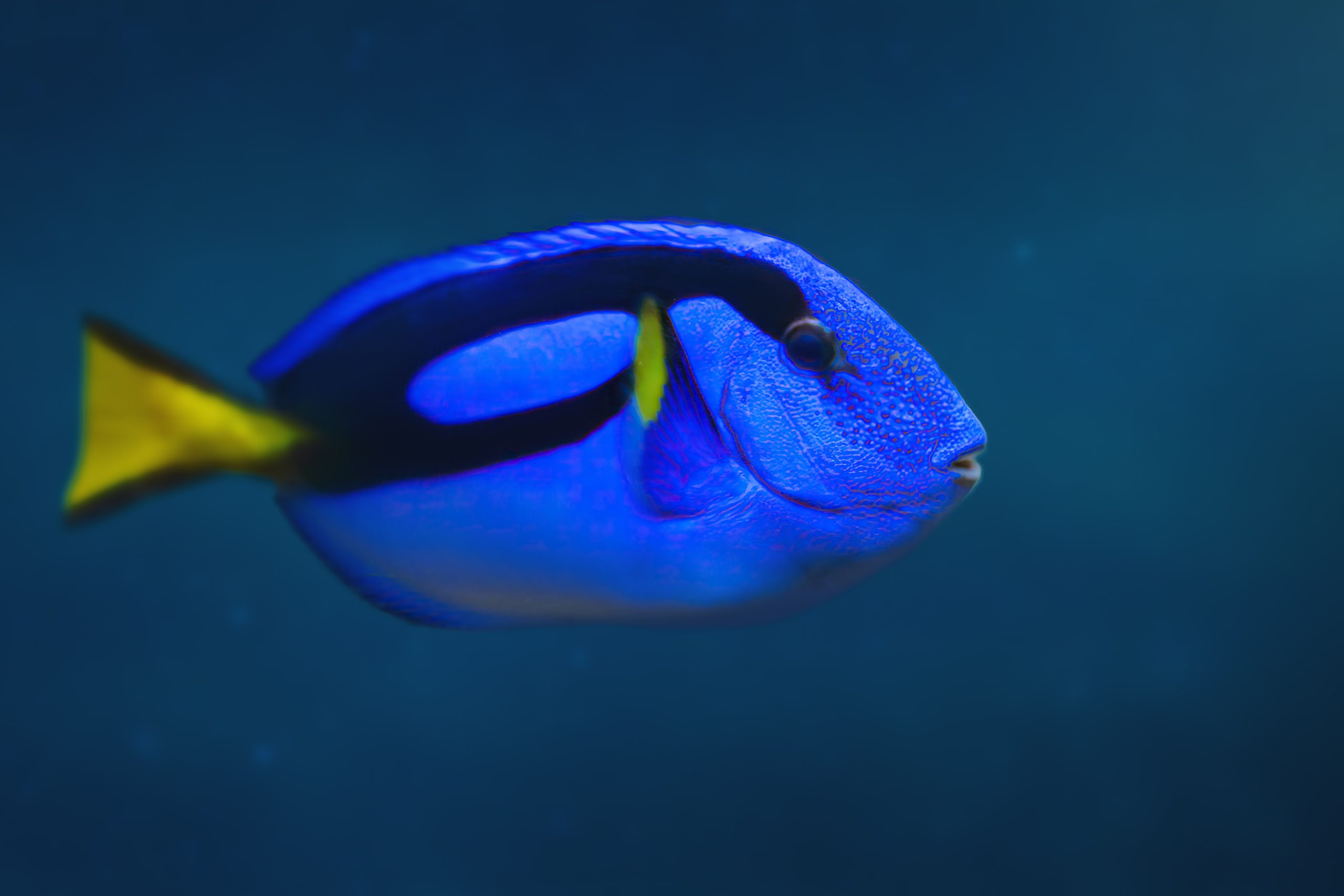
- Blue Tang (Paracanthurus hepatus) – Bright blue and popular in home tanks
- Yellow Tang (Zebrasoma flavescens) – Bright yellow and very active
- Powder Blue Tang (Acanthurus leucosternon) – Blue with yellow fins, needs special care
- Convict Tang (Acanthurus triostegus) – Black stripes, hardy and easy to care for
Size And Tank Requirements
Tangs need enough space to swim. Some get quite large and need bigger tanks. Small tanks can cause stress and illness.
Most tangs need tanks of at least 75 gallons. Larger species may need 100 gallons or more. Good water flow is important for their health.
- Blue Tang: grows up to 12 inches, needs 100+ gallon tank
- Yellow Tang: grows up to 8 inches, needs 75+ gallon tank
- Powder Blue Tang: grows up to 9 inches, needs 100+ gallon tank
- Convict Tang: grows up to 8 inches, needs 75+ gallon tank
Compatibility With Other Species
Tangs can be territorial. They may fight with other tangs or similar fish. Choose tank mates carefully to avoid stress.
Many tangs live well with peaceful fish. Avoid putting two large tangs in small tanks. Watch behavior and separate if needed.
- Good tank mates: clownfish, gobies, blennies
- Avoid: other tangs of the same species or similar shape
- Provide hiding spots to reduce stress
- Keep an eye on aggression signs like chasing or biting
Credit: saltwateraquariumworld.com
Setting Up The Ideal Saltwater Tank
Caring for saltwater fish like tangs starts with the right tank setup. A well-planned tank helps fish live healthy and active lives.
Choosing the right size, water quality, and filtration keeps tangs comfortable. This guide covers what you need to know.
Tank Size And Equipment
Tangs need space to swim freely. A larger tank helps reduce stress and aggression among fish.
Use equipment made for saltwater tanks to keep the environment stable. This includes heaters, lights, and protein skimmers.
- Minimum tank size: 75 gallons
- Use a reliable heater to keep temperature steady
- Install full-spectrum lighting for coral and fish health
- Protein skimmer removes waste efficiently
Water Quality And Parameters
Good water quality is key for tang health. Check salt levels, temperature, and pH regularly.
Keep water parameters stable to avoid stressing your fish. Sudden changes can cause illness.
- Salinity: 1.020 to 1.025 specific gravity
- Temperature: 72-78°F (22-26°C)
- pH level: 8.1 to 8.4
- Ammonia and nitrite: 0 ppm
- Nitrate: below 20 ppm
Filtration And Circulation
Strong filtration removes toxins and keeps water clean. Use filters designed for saltwater use.
Good water flow helps oxygen reach all areas of the tank. It also helps tangs swim naturally.
- Use a high-quality mechanical and biological filter
- Add a powerhead for strong water circulation
- Ensure water flow mimics natural ocean currents
Feeding Tangs Properly
Tangs are colorful saltwater fish that need the right food to stay healthy. Feeding them properly helps them grow strong and live longer.
This guide explains how to feed tangs with the correct diet, how often to feed them, and what extra treats to offer.
Diet Essentials
Tangs mainly eat algae and plant matter in the wild. Their diet in captivity should include these foods to keep their digestion working well.
- Offer a variety of seaweed sheets such as nori or kelp.
- Include high-quality herbivore pellets or flakes.
- Add fresh vegetables like spinach or zucchini occasionally.
- Avoid too much meaty food as it can harm their health.
Feeding Frequency
Feed tangs several small meals each day. This matches their natural grazing behavior and keeps their energy steady.
| Age | Feeding Times Per Day | Portion Size |
| Juvenile | 3-4 | Small |
| Adult | 2-3 | Medium |
| Senior | 2 | Small to Medium |
Supplements And Treats
Supplements help fill nutrition gaps. Treats keep tangs interested in their food and support their immune system.
- Use vitamin-enriched flakes or pellets weekly.
- Offer small amounts of frozen brine shrimp or mysis shrimp.
- Feed spirulina or other algae supplements for extra nutrition.
- Limit treats to avoid digestive problems.

Credit: reefchasers.com
Maintaining Tang Health
Tangs are beautiful saltwater fish that need special care. Keeping them healthy means watching their environment and behavior closely.
Good water quality and proper food help tangs live longer and stay active. Learning common signs of illness can save your fish.
Common Diseases And Prevention
Tangs can get diseases like ich, marine velvet, and fin rot. These illnesses cause spots, color changes, or torn fins.
Prevent diseases by keeping water clean and stable. Feed tangs a varied diet with plenty of algae and greens.
- Keep water temperature steady between 74-78°F (23-26°C)
- Test water regularly for ammonia, nitrites, and nitrates
- Use a good filter and do weekly water changes
- Feed high-quality foods with vitamins and minerals
- Avoid overcrowding the tank
Signs Of Stress
Stress weakens a tang’s immune system and can lead to disease. Watch for signs like hiding or unusual swimming.
Other signs include loss of appetite, faded colors, or rapid breathing. Early detection helps prevent serious problems.
- Hiding or staying still at the tank bottom
- Refusing food or eating less
- Color fading or darkening
- Clamped fins or frayed edges
- Gasping or fast gill movement
Quarantine Procedures
Always quarantine new tangs before adding them to your main tank. This helps stop diseases from spreading.
Use a separate tank for at least two weeks. Watch new fish for signs of illness and treat problems early.
- Set up a quarantine tank with similar water conditions
- Observe new tangs daily for spots, wounds, or odd behavior
- Feed a healthy diet to boost their immune system
- Treat any signs of disease before moving fish to the main tank
- Clean quarantine tank after use to avoid contamination
Behavior And Social Needs
Saltwater species like tangs have unique behaviors that affect their care. Understanding their social needs helps keep them healthy and happy.
These fish show distinct patterns in how they act around others. Knowing these traits helps you create the right environment for them.
Territorial Behavior
Tangs often defend their space in the tank. They can be aggressive toward fish that enter their territory. This behavior is natural and part of their survival instincts.
Providing enough space and hiding spots reduces stress from territorial fights. Avoid overcrowding the tank to keep peace.
Social Grouping Tips
Some tang species do well in groups, while others prefer solitude. Group size and species mix affect their social behavior.
- Keep tangs of similar size to avoid bullying.
- Introduce new fish slowly to prevent stress.
- Provide plenty of space for swimming and hiding.
- Watch for signs of aggression and separate if needed.
Interaction With Other Fish
| Fish Type | Interaction Level | Notes |
| Other Tangs | Medium to High | Can be territorial; space is important |
| Peaceful Species | Low | Generally safe companions |
| Aggressive Species | High | May cause stress or injury to tangs |
| Bottom Dwellers | Low | Usually no conflict with tangs |

Credit: www.aquariumsource.com
Routine Tank Maintenance
Keeping a saltwater tank healthy takes regular care. Routine maintenance helps your tangs stay active and colorful.
Good habits in tank upkeep reduce stress on your fish and prevent problems before they start.
Water Changes
Changing water regularly keeps the tank clean and balanced. It removes waste and refills minerals that tangs need.
- Replace 10-20% of tank water every 1-2 weeks
- Use salt mix designed for marine tanks
- Match new water temperature to the tank
- Use a siphon to clean the gravel during water changes
Cleaning Techniques
Cleaning tools help keep algae and debris from building up. Clean parts carefully to avoid harming beneficial bacteria.
| Tool | Use |
| Algae scraper | Remove algae from glass |
| Gravel vacuum | Clean substrate during water changes |
| Filter brush | Clean filter parts gently |
| Bucket | Hold water during changes |
Monitoring Water Parameters
Check water quality often. Stable water conditions keep tangs healthy and reduce disease risk.
Important water parameters to test:
- Salinity – keep at 1.020-1.025 specific gravity
- Temperature – maintain between 75-82°F (24-28°C)
- pH – aim for 8.1 to 8.4
- Ammonia and nitrite – should be 0 ppm
- Nitrate – keep below 20 ppm
Frequently Asked Questions
What Is The Ideal Tank Size For Tangs?
Tangs need at least 75 gallons to swim freely. Larger tanks reduce stress and promote natural behavior. Ensure good water flow and hiding spots for their comfort.
How Often Should I Feed Saltwater Tangs?
Feed tangs 2-3 times daily with algae and seaweed. Include high-quality flake or pellet food for balanced nutrition. Avoid overfeeding to maintain water quality.
What Water Conditions Suit Tang Fish Best?
Maintain temperature between 72-78°F, pH 8. 1-8. 4, and salinity 1. 020-1. 025. Stable water parameters prevent stress and diseases. Regular testing and water changes are essential.
Can Tangs Live With Other Fish Species?
Yes, tangs coexist well with peaceful, non-aggressive fish. Avoid housing multiple tangs together to prevent territorial disputes. Provide ample space and hiding places.
Conclusion
Caring for tangs needs patience and steady effort. Keep their tank clean and water quality high. Feed them a varied diet for good health. Watch their behavior for signs of stress or illness. Provide hiding spots to make them feel safe.
Regular care helps tangs live longer and stay active. Enjoy their bright colors and lively swimming. Small daily steps make a big difference in their well-being. Saltwater fish like tangs bring beauty to any aquarium. Treat them well, and they will thrive.