
Are you thinking about adding a splash of color and life to your aquarium? Keeping dwarf shrimp might be the perfect choice for you.
These tiny creatures are not only beautiful but also easy to care for, making them ideal for both beginners and experienced hobbyists. But to keep your shrimp happy and thriving, you need to know a few key secrets. You’ll discover everything you need to create the perfect environment for your dwarf shrimp.
Ready to transform your tank and enjoy the fascinating world of these little gems? Keep reading to find out how!
Choosing The Right Shrimp Species
Dwarf shrimp are popular pets for aquariums. Choosing the right species is important for a healthy tank. Each species has its own care needs and traits.
This guide covers popular dwarf shrimp types, their temperaments, and color and size differences to help you decide.
Popular Dwarf Shrimp Varieties
There are many dwarf shrimp species to choose from. Some common types include Cherry Shrimp, Crystal Red Shrimp, and Amano Shrimp. Each has unique features and care needs.
- Cherry Shrimp:Easy to care for, bright red color, good for beginners.
- Crystal Red Shrimp:Requires clean water, striking red and white pattern.
- Amano Shrimp:Larger shrimp, excellent algae eaters, peaceful.
- Blue Velvet Shrimp:Deep blue color, moderate care level.
- Ghost Shrimp:Transparent body, very active and hardy.
Temperament And Compatibility
Dwarf shrimp are mostly peaceful but vary in how they interact with other tank mates. Some shrimp do well with fish, while others prefer shrimp-only tanks.
| Species | Temperament | Compatibility |
| Cherry Shrimp | Calm | Good with small fish |
| Crystal Red Shrimp | Shy | Best with other shrimp |
| Amano Shrimp | Peaceful | Can live with fish |
| Blue Velvet Shrimp | Calm | Shrimp-only tank preferred |
| Ghost Shrimp | Active | Compatible with many fish |
Color And Size Differences
Dwarf shrimp come in many colors and sizes. Color can range from transparent to bright red or blue. Size affects tank space and compatibility.
- Cherry Shrimp: Red, about 1 inch long.
- Crystal Red Shrimp: Red and white, about 1 inch long.
- Amano Shrimp: Greyish, up to 2 inches long.
- Blue Velvet Shrimp: Deep blue, about 1 inch long.
- Ghost Shrimp: Transparent, about 1.5 inches long.
Setting Up The Perfect Aquarium
Keeping dwarf shrimp is a fun hobby that needs care and the right setup. The aquarium must be safe and comfortable for the shrimp.
This guide helps you prepare the perfect home for your dwarf shrimp. Focus on tank size, substrate, and decorations.
Tank Size And Shape
Choose a tank that is at least 5 gallons for dwarf shrimp. Larger tanks keep water stable and shrimp healthy.
Rectangular tanks offer more surface area for oxygen. Avoid very tall tanks because shrimp prefer horizontal space.
Substrate Selection
Use dark-colored substrates to help shrimp feel safe and show their colors well. Fine gravel or sand works best.
Choose substrates that keep water parameters stable. Shrimp like soft, slightly acidic water, so pick substrates designed for this.
- Fine gravel or sand
- Dark colors for better shrimp visibility
- pH buffering substrates for water stability
Plant And Decoration Choices
Live plants provide hiding spots and improve water quality. Mosses and small-leaved plants are great for dwarf shrimp.
Add decorations like driftwood or rocks. These give shrimp places to explore and rest without sharp edges.
- Java moss and Christmas moss
- Small-leaved plants like Anubias
- Driftwood and smooth rocks
- Avoid sharp or rough decorations
Water Parameters For Healthy Shrimp
Keeping dwarf shrimp healthy depends on good water quality. Proper water parameters help shrimp grow and stay active. This guide covers key water conditions for your shrimp tank.
Understanding temperature, pH, hardness, and filtration is important. Each factor affects shrimp health in its own way. Let’s explore these topics in detail.
Ideal Temperature Range
Dwarf shrimp thrive in stable water temperatures. The best range is between 72°F and 78°F (22°C to 26°C). Temperatures outside this range can stress shrimp and cause health problems.
Use a reliable heater to maintain temperature. Avoid sudden changes by keeping the tank away from windows and vents.
Ph And Hardness Levels
| Parameter | Ideal Range | Notes |
|---|---|---|
| pH | 6.5 to 7.5 | Neutral to slightly acidic is best for most dwarf shrimp |
| General Hardness (GH) | 4 to 8 dGH | Measures dissolved minerals like calcium and magnesium |
| Carbonate Hardness (KH) | 3 to 6 dKH | Helps stabilize pH and prevent sudden drops |
Test pH and hardness regularly using aquarium test kits. Adjust with natural materials like driftwood or crushed coral if needed.
Filtration And Aeration Tips
- Choose a gentle filter to avoid harming shrimp
- Use sponge filters or filters with pre-filters
- Ensure good water flow but not too strong
- Increase aeration to keep oxygen levels high
- Perform regular water changes to remove waste
Good filtration keeps water clean and clear. Aeration supplies oxygen, which is vital for shrimp survival. Combining both improves tank health.
Feeding Your Dwarf Shrimp
Feeding dwarf shrimp is an important part of keeping them healthy. Their diet needs to be balanced and suited to their small size.
Giving the right food helps dwarf shrimp grow and stay active. It also keeps your aquarium clean and safe.
Best Foods To Offer
Dwarf shrimp eat a variety of foods. You can feed them natural and prepared options to meet their needs.
- Algae wafers or pellets made for shrimp
- Blanched vegetables like spinach and zucchini
- Leaf litter, such as Indian almond leaves
- Biofilm growing on aquarium surfaces
- Small amounts of fish flakes or sinking granules
Feeding Frequency And Quantity
Feed your dwarf shrimp in small amounts each day. Too much food can pollute the water.
| Frequency | Amount |
| Daily | Small pinch or one pellet |
| Alternate Days | Light feeding with vegetables |
| Once a week | Leaf litter or special treats |
Avoiding Overfeeding
Overfeeding causes water problems and can harm shrimp health. Watch how much food is left after a few hours.
- Feed only what shrimp can eat in two hours
- Remove uneaten food to keep water clean
- Use a feeding schedule to control portions
- Observe shrimp behavior for hunger or fullness
Maintaining Shrimp Health
Keeping dwarf shrimp healthy is key to a lively aquarium. Their small size makes them sensitive to water changes and diseases.
Good care routines help prevent health problems and keep your shrimp active and colorful.
Common Diseases And Prevention
Dwarf shrimp can catch diseases from poor water quality or stress. Watch for signs to treat them early.
- Maintain clean water with regular changes
- Avoid sudden temperature shifts
- Feed a balanced diet with shrimp-specific food
- Remove uneaten food to prevent decay
- Use plants and hiding spots to reduce stress
Signs Of Stress And Illness
Shrimp show stress through changes in behavior and appearance. Early signs help prevent serious illness.
| Sign | What It Means |
| Loss of color | Possible poor water or diet |
| Unusual swimming | Stress or disease |
| Clamped legs or antennae | Infection or irritation |
| Dead shrimp | Check water and tank mates |
| Molting problems | Calcium or water issues |
Quarantine Procedures
Quarantine new shrimp before adding them to the main tank. This stops diseases from spreading.
- Set up a separate tank with clean water
- Keep new shrimp isolated for two weeks
- Watch for signs of illness during quarantine
- Use water from the main tank to reduce shock
- Do not add sick shrimp to the main tank
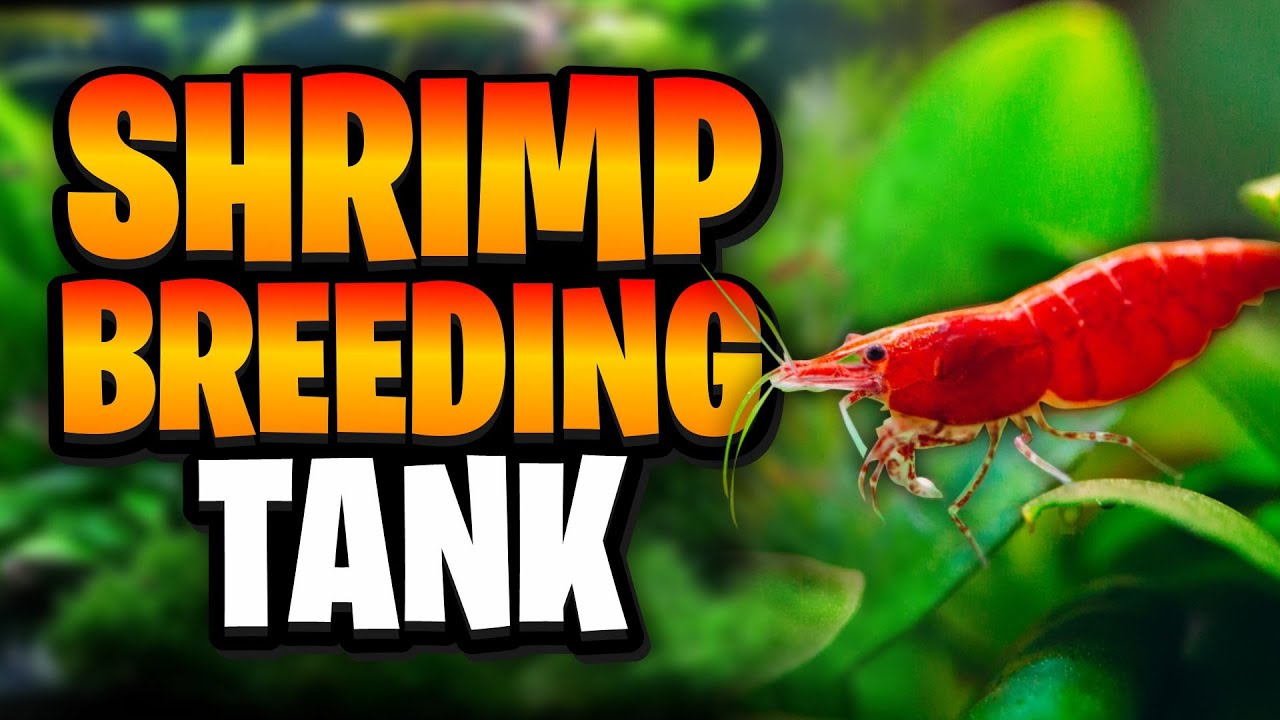
Credit: www.youtube.com
Breeding And Raising Shrimp
Keeping dwarf shrimp in an aquarium can be rewarding. Breeding and raising them needs care and the right conditions.
This guide covers key points to breed shrimp, care for babies, and grow a strong colony.
Breeding Conditions
Dwarf shrimp breed best in stable water conditions. Water temperature should stay between 72 and 78°F. Keep pH near neutral, around 6.5 to 7.5.
- Maintain clean water with regular changes
- Use a sponge filter to protect babies
- Provide plenty of plants and hiding spots
- Feed a balanced diet with algae and biofilm
Caring For Shrimp Babies
Shrimp babies, called shrimplets, are very small and need gentle care. Avoid strong water currents and bright lights to keep them safe.
| Care Aspect | Details |
| Water Temperature | 72-78°F (22-26°C) |
| Water pH | 6.5-7.5 |
| Feeding | Microorganisms, biofilm, and special baby foods |
| Hiding Places | Fine plants and moss |
| Filter Type | Sponge filter to prevent injury |
Growing A Healthy Colony
To grow a healthy shrimp colony, keep the tank stable and avoid sudden changes. Feed them well and watch for signs of stress or disease.
- Feed algae wafers and blanched vegetables
- Keep water clean with weekly changes
- Remove uneaten food to prevent water pollution
- Separate aggressive tank mates
- Monitor shrimp behavior daily
Tankmates And Community Setup
Keeping dwarf shrimp in an aquarium needs care in choosing tankmates. Good companions help create a healthy environment.
Selecting the right fish and invertebrates keeps your shrimp safe and happy. Community setup affects their wellbeing.
Compatible Fish And Invertebrates
Some fish and invertebrates live well with dwarf shrimp. They do not harm or stress the shrimp.
- Small tetras like neon or ember tetras
- Corydoras catfish, peaceful bottom dwellers
- Snails such as Nerite or Mystery snails
- Otocinclus catfish, algae eaters
- Other small shrimp species with similar temperaments
Avoiding Aggressive Species
Avoid fish that hunt or stress dwarf shrimp. Aggressive species can kill or injure them.
- Large cichlids like Oscars or Jack Dempseys
- Betta fish, known for aggression
- Barbs, which may nip shrimp
- Large gouramis that may bully smaller tankmates
- Any fast or predatory fish that may see shrimp as food
Balancing The Ecosystem
Balance in your tank helps all animals thrive. Keep the water clean and provide hiding places.
| Factor | Recommended |
| Plant Coverage | Dense live plants and moss |
| Water Parameters | pH 6.5-7.5, temperature 72-78°F |
| Filtration | Gentle filter to avoid strong currents |
| Food Supply | Algae, biofilm, and shrimp pellets |
| Tank Size | Minimum 10 gallons for community |

Credit: naturalenvironmentaquatix.com
Regular Maintenance And Care
Keeping dwarf shrimp healthy needs regular care. Proper maintenance helps shrimp live longer. It keeps the aquarium clean and safe.
Daily and weekly tasks help maintain water quality. This prevents diseases and stress for the shrimp.
Water Changes Schedule
Change water regularly to keep the tank clean. This removes toxins and keeps chemicals balanced. A good schedule is key to shrimp health.
- Change 10-20% of the water every week.
- Use dechlorinated water at the same temperature as the tank.
- Do not change too much water at once to avoid stress.
- Check water parameters before adding new water.
Cleaning Techniques
Clean the aquarium carefully to avoid harming shrimp. Remove algae and debris from plants and decorations. Avoid using soap or chemicals.
- Use a soft sponge to clean tank glass.
- Remove leftover food and waste daily.
- Vacuum the substrate gently during water changes.
- Clean filter media with tank water, not tap water.
Monitoring Water Quality
Keep track of water parameters to ensure safe conditions. Test the water often to catch problems early. Use simple kits for quick checks.
| Parameter | Ideal Range | Why It Matters |
| pH | 6.5 – 7.5 | Controls shrimp health and molting |
| Ammonia | 0 ppm | Toxic waste from shrimp and food |
| Nitrite | 0 ppm | Harmful to shrimp at any level |
| Nitrate | < 20 ppm | Lower levels prevent stress |
| Temperature | 22°C – 26°C (72°F – 79°F) | Best for shrimp activity and growth |

Credit: splashyfishstore.com
Frequently Asked Questions
What Tank Size Is Ideal For Dwarf Shrimp?
A 5 to 10-gallon tank is ideal for dwarf shrimp. This size offers enough space and stable water conditions. It also helps maintain water quality and provides ample room for plants and hiding spots.
How Often Should I Feed Dwarf Shrimp?
Feed dwarf shrimp small amounts once or twice daily. Use shrimp-specific food or blanched vegetables. Avoid overfeeding to prevent water pollution and maintain a healthy aquarium environment.
What Water Parameters Suit Dwarf Shrimp Best?
Dwarf shrimp thrive in water with pH 6. 5-7. 5, temperature 68-78°F, and low ammonia. Maintain stable parameters with regular water changes to ensure their health and longevity.
Can Dwarf Shrimp Live With Fish In One Tank?
Yes, but choose peaceful, small fish to avoid predation. Avoid aggressive species that may eat or stress the shrimp. Provide plenty of plants and hiding spots for safety.
Conclusion
Dwarf shrimp add life and color to any aquarium. They need clean water and gentle care to thrive. Feeding them small amounts regularly keeps them healthy. Watching shrimp explore plants and hideaways brings joy every day. Patience helps when they adjust to a new tank.
Small changes in water can affect their health quickly. Keeping shrimp means learning about their needs step by step. Enjoy their peaceful presence and simple beauty in your home. Caring for dwarf shrimp is a rewarding, calming hobby anyone can try.