
Setting up a saltwater tank for your angelfish can feel overwhelming at first. You want your fish to thrive and show off their vibrant colors, but getting everything just right isn’t always easy.
What if you could avoid common mistakes and create a stunning, healthy home for your angelfish from the start? In this guide, you’ll discover simple steps and expert tips that make the process straightforward and rewarding. Keep reading, and you’ll soon have a beautiful saltwater tank that both you and your angelfish will love.
Choosing The Right Tank
Setting up a saltwater tank for angelfish starts with picking the right tank. The tank affects your fish’s health and happiness.
Think about size, material, and shape before buying. These choices help create a good home for your angelfish.
Tank Size Recommendations
Angelfish need enough space to swim and grow. A small tank can cause stress and health problems.
Choose a tank size based on how many angelfish you want to keep. Bigger tanks are easier to maintain.
- Minimum 30 gallons for one angelfish
- Add 10 gallons for each extra fish
- Bigger tanks keep water stable
- More space means less stress
Material Options
Tanks come in glass or acrylic. Both materials have pros and cons to consider for your setup.
Glass is clear and scratch-resistant but heavy. Acrylic is lighter and stronger but can scratch easily.
- Glass tanks are usually cheaper
- Acrylic tanks keep heat better
- Choose based on your budget and needs
- Both materials work well for saltwater
Tank Shape Considerations
The shape of the tank affects swimming space and decoration. Some shapes suit angelfish better than others.
Rectangular tanks offer more surface area. This helps oxygen exchange and gives fish room to swim.
- Rectangular tanks are best for angelfish
- Aquariums with wide fronts show fish better
- Avoid tall narrow tanks for angelfish
- Choose a shape that fits your space

Credit: onthemediapk.medium.com
Essential Equipment
Setting up a saltwater tank for angelfish needs the right equipment. Good tools help keep fish healthy and happy.
This guide covers key equipment like filtration, lighting, heating, and water flow for your tank.
Filtration Systems
Filtration keeps the water clean by removing waste and toxins. It helps angelfish live in a healthy space.
Common filters for saltwater tanks include mechanical, biological, and chemical types.
- Mechanical filters trap particles like fish waste.
- Biological filters grow helpful bacteria to break down toxins.
- Chemical filters use activated carbon to remove odors and chemicals.
Lighting Needs
Angelfish need proper lighting to see and stay healthy. Lighting also helps plants and corals grow.
Use LED lights designed for saltwater tanks. They save energy and last longer.
- Provide 8 to 10 hours of light daily.
- Use a timer to keep light consistent.
- Choose lights with full spectrum for natural colors.
Heating And Temperature Control
Angelfish need warm water between 75°F and 82°F. A heater keeps the temperature steady.
Use a reliable heater with a thermostat. This stops sudden temperature changes that stress fish.
- Choose a heater sized for your tank volume.
- Place heater near water flow for even heat.
- Check temperature daily with a thermometer.
Water Circulation
Good water flow helps spread oxygen and nutrients. It also removes waste from the tank.
Use powerheads or wave makers to create steady water movement. Avoid strong currents that stress angelfish.
- Place circulation devices on opposite tank sides.
- Keep flow gentle near fish hiding spots.
- Adjust flow speed as angelfish grow.
Preparing The Saltwater
Setting up saltwater for angelfish needs care and precision. Proper saltwater preparation helps keep fish healthy.
Learn how to mix saltwater, test its quality, and adjust salinity for the best tank environment.
Mixing Saltwater Correctly
Use clean, dechlorinated water as the base. Add marine salt mix slowly while stirring. Let the salt dissolve fully before use.
- Fill a clean container with freshwater.
- Measure salt mix according to instructions.
- Pour salt slowly while stirring.
- Allow water to rest for at least 24 hours.
- Check temperature before adding to the tank.
Testing Water Parameters
Check water parameters to ensure safe conditions. Important factors include pH, ammonia, nitrites, and nitrates.
| Parameter | Safe Range |
| pH | 8.0 – 8.4 |
| Ammonia (NH3) | 0 ppm |
| Nitrites (NO2) | 0 ppm |
| Nitrates (NO3) | Below 20 ppm |
Adjusting Salinity Levels
Salinity affects angelfish health. Use a hydrometer or refractometer to measure salt content. Adjust salt to reach target salinity.
- Measure current salinity with a tool.
- Add salt mix to increase salinity if needed.
- Add freshwater to decrease salinity if too high.
- Mix well and retest after adjustments.
- Keep salinity stable between 1.020 and 1.025 specific gravity.
Substrate And Decorations
Setting up a saltwater tank for angelfish needs careful choice of substrate and decorations. These elements affect the tank’s look and the fish’s comfort.
Substrate and decorations also help create a natural habitat. This supports the fish’s health and natural behavior.
Choosing Substrate Types
Pick a substrate that suits angelfish and saltwater conditions. Sand is popular because it looks natural and is safe for fish.
- Fine aragonite sand helps maintain water pH.
- Crushed coral adds calcium and keeps water stable.
- Avoid sharp gravel that can hurt fish or trap waste.
- Choose light colors to make fish colors stand out.
Selecting Live Rock And Coral
Live rock and coral add beauty and help keep water clean. They provide places for beneficial bacteria to grow.
| Type | Purpose | Notes |
| Live Rock | Biological filtration, decoration | Must be cured to avoid cloudiness |
| Artificial Coral | Decoration, hiding spots | Use safe materials, no sharp edges |
| Natural Coral Fragments | Enhance tank look | Check compatibility with tank water |
Creating Hiding Spots
Angelfish need places to hide and rest. Hiding spots reduce stress and help fish feel safe.
Use these to create hiding spots:
- Arrange live rock to form caves and crevices
- Add coral pieces with openings for fish to swim through
- Include PVC pipes or aquarium-safe ornaments
- Place plants or artificial seaweed around rocks
Introducing Angelfish
Angelfish are a popular choice for saltwater tanks. They have bright colors and graceful fins. Many fish keepers enjoy their peaceful nature and unique look.
Setting up a tank for angelfish needs care and attention. It is important to learn about their needs to keep them healthy and happy.
Selecting Healthy Fish
Choose angelfish that look active and bright. Avoid fish with torn fins or dull colors. Healthy fish swim smoothly and have clear eyes.
- Check for no signs of disease or injury
- Look for smooth and intact fins
- Observe normal breathing and swimming
- Avoid fish that hide or stay still a lot
Acclimation Process
Introduce angelfish slowly to your tank water. Sudden changes can stress them and cause illness. Use a gentle method to help them adjust.
- Turn off tank lights to reduce stress
- Float the fish bag on tank water for 15 minutes
- Add a small amount of tank water to the bag every 10 minutes
- After 1 hour, gently release the fish into the tank
Compatibility With Other Species
Angelfish live well with many species. Some fish can be aggressive or too small to be safe tank mates. It is best to know which species fit well together.
| Fish Species | Compatibility | Notes |
| Clownfish | Good | Peaceful and active |
| Damselfish | Moderate | Can be territorial |
| Goby | Good | Small and peaceful |
| Triggerfish | Poor | Aggressive and large |
Credit: onthemediapk.medium.com
Maintaining Water Quality
Good water quality keeps angelfish healthy in a saltwater tank. Clean water helps fish breathe and stay active.
Maintaining water means testing often, changing water, and controlling waste and algae.
Regular Testing Schedule
Test your tank water weekly. Check key elements like pH, ammonia, nitrites, and nitrates. These affect fish health.
- pH: Keep between 8.1 and 8.4 for angelfish comfort.
- Ammonia: Should always be zero; toxic to fish.
- Nitrites: Also zero; harmful like ammonia.
- Nitrates: Keep under 20 ppm to avoid stress.
- Salinity: Measure with a refractometer; ideal is 1.020 to 1.025 specific gravity.
Water Changes
Change water to remove waste and keep chemicals balanced. Replace 10-20% of the water every 1-2 weeks.
| Change Frequency | Water Volume | Purpose |
|---|---|---|
| Weekly | 10% | Keep nitrate levels low |
| Biweekly | 20% | Refresh minerals and salts |
Managing Waste And Algae
Remove fish waste and leftover food quickly. These cause bad water and algae growth.
Tips to control algae and waste:
- Use a gravel vacuum during water changes
- Feed angelfish small amounts only
- Clean tank glass weekly with an algae scraper
- Install a good filter and clean it monthly
- Add algae-eating snails or clean-up crew fish
Feeding Angelfish
Feeding angelfish properly is important for their health and colors. They need a balanced diet to stay active and grow.
Understanding what and how often to feed them helps keep your saltwater tank clean and your fish happy.
Dietary Requirements
Angelfish eat both plants and meat in the wild. They need a mix of protein and plants in their diet.
Good foods include flakes, pellets, and frozen items like brine shrimp or mysis shrimp.
- High-quality marine angelfish flakes or pellets
- Frozen or live brine shrimp
- Frozen mysis shrimp
- Seaweed or algae sheets
Feeding Frequency
Feed your angelfish small amounts two to three times each day. This helps avoid overfeeding.
Remove any leftover food after a few minutes. This keeps the water clean and safe for fish.
- Feed 2-3 times daily
- Offer only what they eat in 2-3 minutes
- Remove uneaten food promptly
Supplementing Nutrition
Adding vitamins and minerals can boost angelfish health. Use supplements designed for saltwater fish.
Include fresh seaweed or algae sheets to provide natural nutrients and fiber.
- Use marine fish vitamin supplements
- Add seaweed or algae sheets once or twice a week
- Offer varied foods to ensure full nutrition
Monitoring Health And Behavior
Keeping your angelfish healthy is key for a saltwater tank. Watching their behavior helps spot problems early.
Regular checks of their health and actions keep your tank balanced and fish happy.
Common Diseases
Angelfish can get diseases like ich, fin rot, and velvet. These affect their skin, fins, or breathing.
Early signs include spots, torn fins, or slow movement. Treating quickly stops spread.
- Ich causes white spots on the body
- Fin rot makes fins look ragged or faded
- Velvet looks like a gold dust on fish skin
Signs Of Stress
Stress lowers angelfish health and can cause sickness. Watch for changes in color or behavior.
Stress signs include hiding, loss of appetite, and fast breathing.
- Fading or darkening of colors
- Resting near the tank bottom
- Swimming erratically or staying still
- Loss of interest in food
- Gasping at the water surface
Preventive Care
Good care prevents disease and stress. Keep water clean and stable for angelfish health.
Feed balanced food and avoid overcrowding. Regular checks catch problems early.
- Test water parameters weekly
- Do partial water changes regularly
- Feed high-quality food twice daily
- Keep tank temperature steady
- Remove sick fish quickly
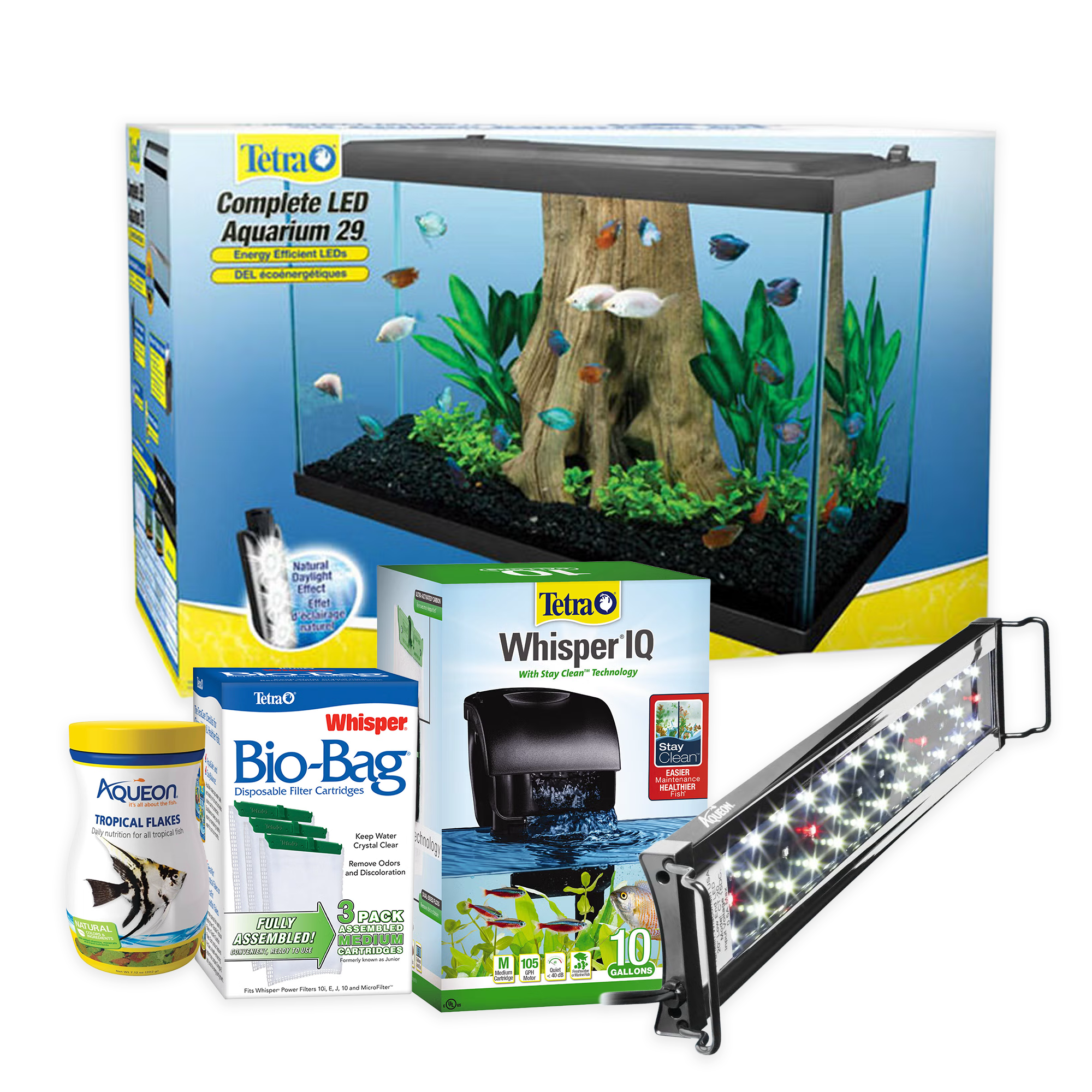
Credit: www.petsupermarket.com
Frequently Asked Questions
What Size Saltwater Tank Is Best For Angelfish?
A 30-gallon tank or larger is ideal for angelfish. It provides enough space for swimming and growth. Larger tanks also help maintain stable water conditions, which is crucial for angelfish health and well-being.
How To Maintain Water Quality In An Angelfish Tank?
Regular water changes, proper filtration, and monitoring salinity keep water quality high. Test water parameters weekly and maintain temperature between 76-82°F. Clean the tank and remove waste to prevent harmful toxin buildup.
What Diet Should I Feed Saltwater Angelfish?
Feed a varied diet including marine flakes, pellets, and frozen foods. Offer brine shrimp, mysis shrimp, and spirulina for balanced nutrition. Feed small amounts two to three times daily to avoid overfeeding and water pollution.
Can Angelfish Live With Other Saltwater Fish?
Yes, angelfish can live with peaceful, non-aggressive fish. Avoid fin-nippers or overly aggressive species. Research compatibility before adding tank mates to create a harmonious community tank environment.
Conclusion
Setting up a saltwater tank for angelfish takes care and patience. Keep the water clean and stable for healthy fish. Provide proper space and hiding spots for comfort. Regular feeding and monitoring help angelfish thrive. Enjoy watching these beautiful fish in your tank.
With the right steps, you can create a peaceful underwater world. Start small, learn, and grow your tank over time. Saltwater tanks bring joy and beauty to any home.