
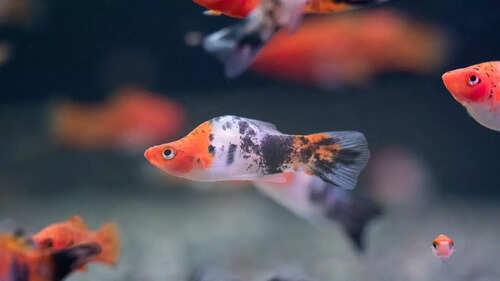
If you’re thinking about setting up an aquarium that hosts both mollies and swordtails, you’re in for a colorful and lively experience. These two fish species not only brighten up your tank but also bring a fascinating mix of behaviors and colors.
But to keep them happy and healthy, your aquarium needs the right environment. You’ll discover exactly what your tank needs—from water conditions to decorations—to create the perfect home for your mollies and swordtails. Ready to turn your aquarium into a vibrant underwater world?
Let’s dive in!
Choosing The Right Aquarium
Choosing the right aquarium is important for keeping mollies and swordtails healthy. These fish need enough space and clean water to thrive.
This guide helps you select the right tank size, shape, and equipment for your aquarium setup.
Tank Size Recommendations
Mollies and swordtails are active fish that need enough room to swim. A small tank can cause stress and health problems.
- At least 20 gallons for a small group of 4 to 6 fish
- Add 5 gallons for each extra fish
- Use a larger tank if you want to keep plants or other species
Ideal Tank Shape
Choose a tank shape that offers plenty of swimming space. Mollies and swordtails like horizontal room more than height.
| Tank Shape | Benefit |
| Rectangular | More swimming space and surface area for oxygen |
| Square | Good for small spaces but less swimming room |
| Tall | Not ideal due to limited horizontal swimming area |
Essential Equipment
Proper equipment keeps the water clean and safe for mollies and swordtails. It also helps maintain stable conditions.
- Filter: Choose a filter rated for your tank size to remove waste.
- Heater: Maintain water temperature between 72°F and 78°F.
- Lighting: Provide moderate light for plants and fish activity.
- Aquarium lid: Prevent fish from jumping out.
- Water test kit: Monitor water parameters regularly.
Water Conditions For Mollies And Swordtails
Mollies and Swordtails need clean, stable water to stay healthy. Good water conditions help them grow and swim well.
Keep the water balanced in temperature, pH, and hardness. This makes a safe home for these fish.
Optimal Temperature Range
Mollies and Swordtails like warm water. The right temperature helps them stay active and healthy.
Keep the water temperature between 72°F and 82°F (22°C to 28°C). Avoid sudden changes to prevent stress.
Ph And Hardness Levels
Both fish prefer slightly alkaline water. The pH should stay between 7.0 and 8.5 for best results.
Water hardness is important too. Aim for moderate to hard water with 10-25 dGH for these species.
- pH range: 7.0 to 8.5
- General hardness (dGH): 10 to 25
- Keep water stable to avoid stress
Filtration And Aeration Tips
Good filtration keeps the water clean and clear. Use a filter that moves water slowly but well.
Aeration adds oxygen to the water. Mollies and Swordtails need enough oxygen to breathe easily.
- Choose a filter suitable for the tank size
- Use an air stone or bubbler for extra oxygen
- Check filter regularly and clean as needed
Tank Setup And Decoration
Setting up a tank for mollies and swordtails needs careful planning. Proper decoration and substrate help fish feel safe and healthy.
Choosing the right plants and hiding spots creates a natural and comfortable environment. This guide covers key elements to set up your aquarium well.
Substrate Choices
Substrate supports plant growth and affects water quality. Mollies and swordtails do well with fine gravel or sand. Avoid sharp or rough substrates to protect their fins.
- Fine gravel allows plants to root easily
- Sand gives a natural look and is gentle on fish
- Use inert substrates to keep water chemistry stable
- Avoid substrates that raise water hardness too much
Plant Selection
Live plants improve water quality and offer hiding places. Choose species that grow well in moderate light and tolerate the fish’s activity.
| Plant | Light Needs | Growth Rate | Benefits |
| Anubias | Low to Medium | Slow | Hardy, attaches to rocks |
| Java Fern | Low to Medium | Slow | Easy care, hides fish well |
| Amazon Sword | Medium | Moderate | Large leaves, good cover |
| Cryptocoryne | Low to Medium | Moderate | Varied colors, dense growth |
Hiding Spots And Decorations
Fish need places to hide and explore. Use natural decorations that do not harm the fish or affect water quality.
- Driftwood provides shelter and looks natural
- Rocks stacked safely create caves and crevices
- Ceramic pots or tubes serve as hiding spots
- Leaf litter offers cover and helps mimic natural habitat
Credit: timesofindia.indiatimes.com
Feeding Mollies And Swordtails
Mollies and Swordtails are lively fish that need good food to stay healthy.
Feeding them the right way helps them grow and swim well in your aquarium.
Balanced Diet Options
Mollies and Swordtails enjoy a mix of plant and animal foods.
- High-quality flake food made for tropical fish
- Frozen or live brine shrimp and daphnia
- Blanched vegetables like zucchini and spinach
- Algae wafers to add plant nutrients
Feeding Frequency
Feed your fish small amounts two to three times each day.
| Time | Amount |
| Morning | Small pinch of flakes or pellets |
| Afternoon | Live or frozen food, small portion |
| Evening | Vegetable pieces or flakes |
Treats And Supplements
Treats keep fish interested and add vitamins to their diet.
Use treats like bloodworms or mosquito larvae once or twice a week.
Vitamin supplements can be added to their food to boost health.
Tank Mates Compatibility
Choosing the right tank mates is key to a peaceful aquarium. Mollies and Swordtails get along well with many fish.
Picking compatible fish helps avoid fights and stress in your tank.
Suitable Fish Species
Mollies and Swordtails like fish that share similar water needs. Look for peaceful and active species.
- Platies
- Guppies
- Corydoras Catfish
- Neon Tetras
- Harlequin Rasboras
- Cherry Barbs
These fish enjoy similar water conditions and temperatures as Mollies and Swordtails.
Avoiding Aggressive Neighbors
Avoid fish that are aggressive or very territorial. They can stress or harm Mollies and Swordtails.
- Aggressive cichlids like Oscars or Convicts
- Large predatory fish
- Fin nippers like Tiger Barbs
Choose calm fish that swim at similar levels in the tank to keep peace.
Community Tank Tips
Keep a balanced number of fish to avoid crowding. Overcrowding causes stress and fights.
- Use plenty of plants and hiding spots
- Feed fish varied diets to reduce competition
- Observe fish daily for signs of stress or disease
Regular water changes and tank cleaning help keep all fish healthy and happy.

Credit: www.reddit.com
Breeding Mollies And Swordtails
Mollies and swordtails are popular livebearers for home aquariums. They breed easily if cared for properly. Understanding their needs helps you raise healthy fry.
This guide covers how to recognize maturity, set breeding conditions, and care for newborn fish.
Recognizing Maturity
Adult mollies and swordtails show clear signs of maturity. Males develop brighter colors and longer fins. Females grow larger and rounder in the belly.
- Males have a gonopodium, a modified anal fin for breeding
- Females have a rounder abdomen when pregnant
- Fish usually mature at 4 to 6 months old
- Size varies by species but generally 3 to 4 inches
Breeding Conditions
Good water quality and proper tank setup encourage breeding. Mollies and swordtails prefer warm, slightly hard water.
| Condition | Ideal Range |
|---|---|
| Temperature | 24-28°C (75-82°F) |
| pH Level | 7.0-8.0 |
| Water Hardness | 10-20 dGH |
| Lighting | Moderate, 10-12 hours daily |
| Tank Size | 20 gallons or more |
Provide plants and hiding places for the fish to feel secure. Feed a balanced diet to improve breeding success.
Caring For Fry
After birth, fry need special care to grow strong. Keep the water clean and feed small meals often.
- Use a separate nursery tank or breeding box
- Feed finely crushed flakes or baby brine shrimp
- Change 10-20% of water weekly to keep it clean
- Keep temperature steady around 26-28°C (79-82°F)
- Remove adult fish to prevent eating fry
Common Health Issues
Keeping mollies and swordtails healthy requires attention to common health problems. These fish can get sick due to poor water quality or infections. Knowing the signs helps you protect your aquarium pets.
Early detection and care can save your fish from serious harm. This guide covers signs of illness, ways to prevent disease, and treatment options.
Signs Of Illness
Fish show many signs when they are sick. Watch for changes in behavior or appearance to catch problems early.
- Loss of appetite or refusal to eat
- Clamped fins or unusual swimming patterns
- White spots or patches on the body
- Red or inflamed areas on the skin
- Gasping at the water surface
- Rapid gill movement or labored breathing
Preventive Measures
Preventing illness is better than curing it. Keep the tank clean and stable to reduce risks.
| Preventive Action | Description |
| Regular Water Changes | Replace 20-30% of water weekly to keep it clean |
| Maintain Proper Temperature | Keep water between 72-78°F for mollies and swordtails |
| Use a Good Filter | Helps remove waste and toxins from the water |
| Quarantine New Fish | Isolate new arrivals for 2 weeks to avoid spreading disease |
| Avoid Overfeeding | Feed small amounts 2-3 times daily to prevent water pollution |
Treatment Options
Treatment depends on the illness type. Use medicines carefully and follow instructions.
- Identify the problem by observing symptoms
- Isolate sick fish to prevent spread
- Use antibacterial or antifungal medicines as needed
- Improve water quality with partial changes
- Consult a vet or fish expert for serious cases

Credit: www.reddit.com
Maintenance And Cleaning
Keeping mollies and swordtails healthy means regular care. A clean tank helps fish live longer and stay active.
Good maintenance includes water changes, filter care, and cleaning the tank on a set schedule.
Regular Water Changes
Change part of the water every week to keep it fresh. This removes waste and harmful chemicals.
Use a water conditioner to remove chlorine before adding new water. Replace 20-30% of the tank water each time.
- Turn off all electrical equipment before changing water
- Use a gravel vacuum to clean the substrate
- Refill with water at the same temperature as the tank
Filter Maintenance
Clean the filter every two to four weeks. A clean filter works better to keep water clear.
Rinse filter parts in tank water, not tap water. Tap water can kill helpful bacteria.
- Check filter flow to ensure it is strong
- Replace filter media as needed, following the instructions
- Do not clean all filter parts at once to keep bacteria alive
Tank Cleaning Schedule
Set a weekly and monthly cleaning routine. This keeps the tank healthy and attractive.
Remove algae from glass weekly. Clean decorations and plants monthly to avoid buildup.
- Weekly: Scrape algae from glass and clean substrate surface
- Monthly: Remove and rinse decorations with tank water
- Monthly: Check all equipment and replace parts if needed
Frequently Asked Questions
What Size Aquarium Is Best For Mollies And Swordtails?
A 20-gallon tank is ideal for keeping mollies and swordtails. This size provides enough swimming space and stable water conditions for both species to thrive.
Can Mollies And Swordtails Live Together Peacefully?
Yes, mollies and swordtails are compatible community fish. They share similar water needs and temperaments, making them good tank mates with minimal aggression.
What Water Parameters Suit Mollies And Swordtails Best?
Both fish prefer slightly alkaline water with a pH of 7. 5 to 8. 0. Temperature should be maintained between 72°F and 78°F for optimal health.
How Often Should I Clean The Aquarium For These Fish?
Perform a 25% water change weekly to keep the tank clean. Regular maintenance prevents toxins and supports a healthy environment for mollies and swordtails.
Conclusion
Creating a healthy aquarium for mollies and swordtails takes care and attention. Choose the right tank size and keep water clean. Provide plants and hiding spots for comfort. Feed them good food and watch their behavior daily. This helps your fish stay happy and strong.
Enjoy the beauty and life they bring to your home. A well-kept aquarium makes a great hobby and a peaceful space. Keep learning and adjusting to give your fish the best home.