
Setting up a species-specific tank can transform your aquarium into a thriving, vibrant home for your favorite fish. But where do you start?
You want to create the perfect environment that meets your fish’s unique needs, keeps them healthy, and shows off their natural beauty. In this guide, you’ll discover simple steps to design and maintain a tank tailored just for your chosen species.
Ready to make your aquarium stand out and keep your fish happy? Keep reading to unlock the secrets of a successful species-specific tank setup.
Choosing The Right Species
Setting up a species-specific tank starts with choosing the right fish or aquatic animals. Picking the right species ensures a healthy and balanced environment.
Each species has unique needs that affect tank setup. Learning about these needs helps you provide the best care.
Research Habitat Needs
Fish come from different habitats like rivers, lakes, or oceans. Know the water temperature, pH level, and environment they need.
- Check if the species prefers fresh or saltwater
- Learn about the ideal water temperature range
- Understand the preferred pH and hardness levels
- Note if the species needs plants, rocks, or hiding spots
Consider Compatibility
Some species live well with others, while some are aggressive. Compatibility affects stress and health in your tank.
| Species Type | Compatibility Notes | Suitable Tank Mates |
|---|---|---|
| Peaceful Fish | Get along well with most species | Tetras, Guppies, Corydoras |
| Aggressive Fish | May attack others; need separate space | Own kind or robust fish only |
| Territorial Fish | Defend specific areas in the tank | Keep in larger tanks with clear boundaries |
Assess Tank Size Requirements
Species vary in size and swimming needs. A tank that is too small can harm your fish’s health.
- Measure adult size of the species
- Allow enough space for swimming and hiding
- Consider the number of fish you want to keep
- Choose a tank with proper filtration for size
Selecting The Perfect Tank
Choosing the right tank is key for a species-specific aquarium. The tank must meet your pet’s needs for comfort and safety.
This guide covers material choices, size, and filtration to help you make a good decision.
Tank Material Options
Tanks come in different materials, each with pros and cons. The most common are glass and acrylic.
- Glass:Scratch resistant and clear, but heavier and can break.
- Acrylic:Lighter and stronger, but scratches easier and may yellow over time.
- Polycarbonate:Very strong and clear, but usually more expensive.
Optimal Tank Dimensions
Tank size depends on your species’ needs and swimming space. Depth, height, and width all matter.
| Dimension | Importance |
| Length | Allows swimming space |
| Width | Gives room for plants and decorations |
| Height | Important for species that jump or prefer vertical space |
Filtration Systems
Clean water is vital for your tank’s health. Filtration helps remove waste and keeps water clear.
- Mechanical filters remove particles from water.
- Biological filters grow bacteria to break down waste.
- Chemical filters remove toxins and odors.
- Choose a filter that fits the tank size and species needs.
Creating The Ideal Environment
Setting up a species-specific tank means making the environment just right. You must think about what your fish or animal needs to live well and stay healthy.
This guide covers important parts like the right substrate, decoration, and water settings. Each helps create a home that fits your species perfectly.
Substrate Choices
The substrate is the material that covers the bottom of the tank. It affects the tank’s look and the health of its inhabitants. Choose a substrate that matches your species’ natural habitat.
- Sand works well for bottom dwellers who like to dig.
- Fine gravel suits fish that prefer to swim near the bottom.
- Plant-friendly soil helps live plants grow and keeps fish safe.
- Crushed coral raises water hardness for species that need hard water.
Decor And Hiding Spots
Decorations provide shelter and reduce stress by offering hiding places. Use natural items that your species would find in the wild.
| Decor Type | Purpose | Example |
| Rocks | Hide and rest areas | Slate, lava rock |
| Plants | Cover and oxygen | Java fern, Anubias |
| Wood | Shelter and surface for algae | Driftwood, bogwood |
| Caves | Safe retreats | Clay pots, ceramic caves |
Water Parameters Setup
Correct water settings keep your species healthy. Test and adjust the water’s temperature, pH, and hardness to match their needs.
- Check temperature range needed for your species.
- Measure and adjust pH to suit their comfort zone.
- Set water hardness based on natural habitat levels.
- Use a good filter to keep water clean and clear.
- Perform regular water changes to maintain quality.

Credit: www.rastechmagazine.com
Temperature And Lighting Control
Setting up a species-specific tank means giving the right temperature and light. These factors help your aquatic pets stay healthy and active.
Different species need different heating and lighting. Adjust these carefully to match your tank’s inhabitants.
Heating Equipment
Heating equipment keeps the tank water at the right temperature. This is vital for tropical fish and reptiles.
Common heaters include submersible heaters and heating pads. Choose one that fits your tank size.
- Submersible heaters go inside the tank
- Heating pads go under the tank
- Thermostats help keep stable temperatures
- Always use a thermometer to check heat
Lighting Types
Lighting affects how fish behave and plants grow. Use the right light for your tank’s species.
There are LED lights, fluorescent lights, and incandescent bulbs. Each type has benefits for different needs.
- LED lights save energy and last longer
- Fluorescent lights help plant growth
- Incandescent bulbs provide warmth for reptiles
- Choose lights that match natural habitat
Day-night Cycles
Species need regular day and night cycles. This helps keep their natural rhythms and health.
Use timers to control lights. Set lights on for 8 to 12 hours, then off to mimic night.
- Daylight hours should match natural habitat
- Night darkness helps fish rest
- Timers keep cycles consistent
- Avoid sudden light changes to reduce stress
Introducing Your Species
Setting up a tank for a specific species needs careful planning. Each species has unique needs. This guide helps you introduce your species safely.
Following proper steps will keep your species healthy. Learn about quarantine, acclimation, and watching their first behaviors in the new tank.
Quarantine Procedures
Quarantine stops diseases from spreading to your main tank. Keep new fish or invertebrates separate for at least two weeks. Watch for signs of illness.
- Use a separate tank with clean water.
- Test water regularly to keep it safe.
- Feed a balanced diet during quarantine.
- Observe animals daily for unusual behavior.
- Do not add to main tank if sick.
Acclimation Techniques
Acclimation helps your species adjust to new water conditions. Sudden changes can cause stress or shock. Use slow methods for best results.
- Float the sealed bag on the tank water for 15 minutes.
- Open the bag and add small amounts of tank water every 10 minutes.
- Repeat until the bag is full of tank water.
- Gently release the animal into the tank.
Monitoring Initial Behavior
Watch your species closely after introduction. Early signs show how well they adjust. Look for normal swimming, eating, and hiding patterns.
| Behavior | What It Means |
| Active swimming | Good adjustment |
| Hiding often | Stress or fear |
| Refusing food | Possible illness or stress |
| Gasping at surface | Low oxygen or poor water |
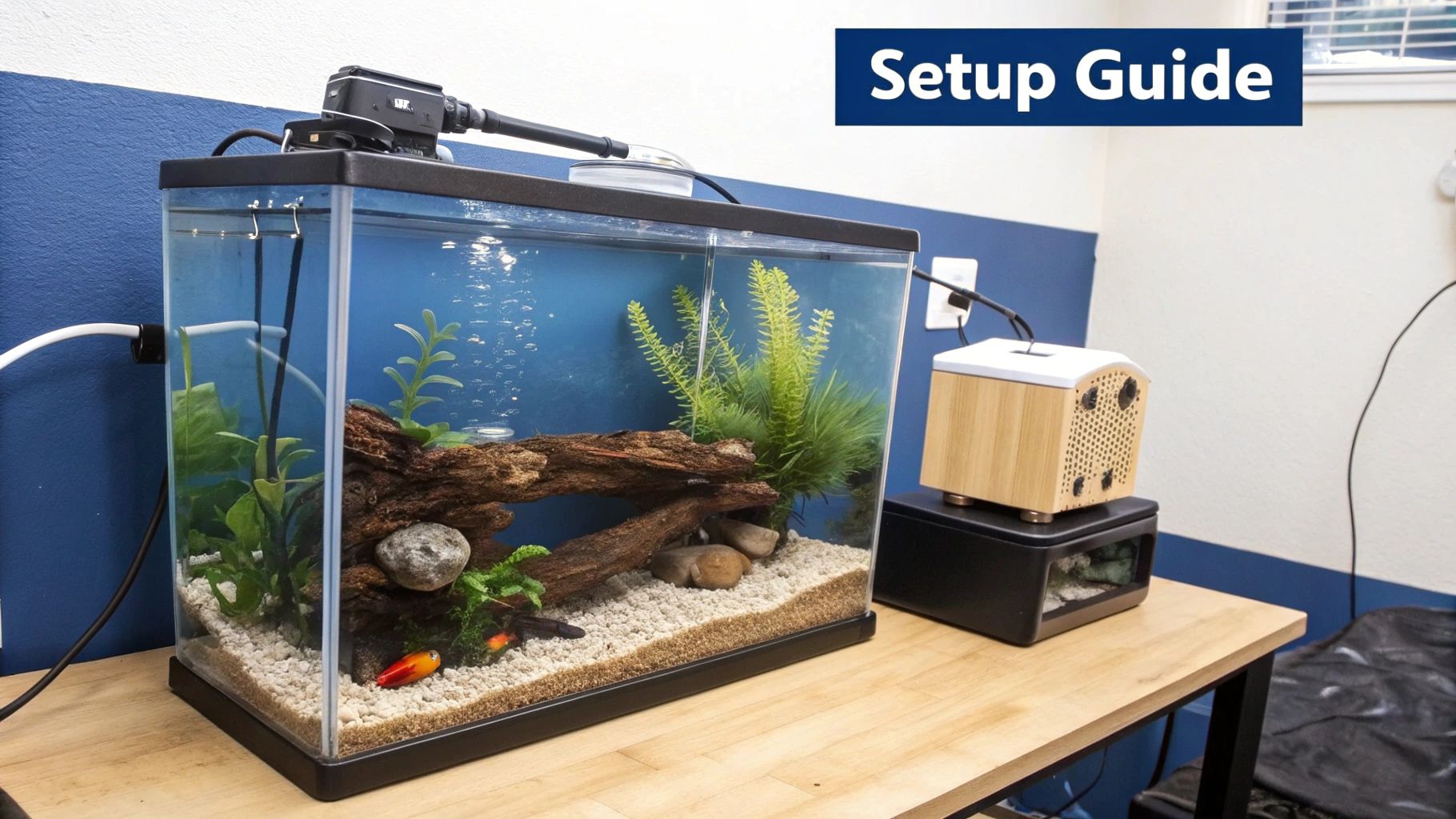
Credit: clixfueling.com
Maintenance And Health
Keeping a species-specific tank healthy takes regular work. You need to watch water quality and clean the tank often.
Good maintenance helps your fish live longer and stay active. It also stops diseases from spreading.
Regular Cleaning Routines
Clean the tank regularly to remove waste and algae. This keeps the water clear and safe for your fish.
Change some water every week. Remove leftover food and debris from the tank bottom.
- Clean the glass with an algae scraper
- Remove uneaten food daily
- Vacuum the substrate during water changes
- Change 10-20% of water every week
Water Testing
Test your tank water often to keep fish healthy. Watch for pH, ammonia, nitrite, and nitrate levels.
Balanced water means fish stay stress-free. Use water test kits to check your tank weekly.
- Check pH to match your species needs
- Ammonia and nitrite should be zero
- Nitrate should stay below 20 ppm
- Test water weekly or after cleaning
Disease Prevention
Prevent diseases by keeping the tank clean and stable. Avoid adding sick fish to your tank.
Quarantine new fish before adding them. Watch your fish daily for signs of illness.
- Quarantine new fish for 2 weeks
- Keep water stable and clean
- Feed quality food in correct amounts
- Remove sick fish quickly
Feeding And Nutrition
Setting up a species-specific tank means feeding your fish the right food. Proper nutrition helps fish grow and stay healthy. Each species has unique dietary needs.
Understanding these needs ensures your fish get the best care. This guide covers dietary requirements, feeding schedules, and supplemental nutrition.
Dietary Requirements
Different fish eat different foods. Some eat plants, others eat meat, and some eat both. Knowing what your species needs is important.
Herbivores need vegetables and algae. Carnivores need protein from insects or smaller fish. Omnivores eat a mix of both.
- Herbivores: spinach, lettuce, algae wafers
- Carnivores: bloodworms, brine shrimp, pellets
- Omnivores: flakes, pellets, vegetables, live food
Feeding Schedules
Feed your fish on a regular schedule. This keeps them healthy and prevents overfeeding. Most fish eat once or twice a day.
Young fish may need more frequent feedings. Adult fish usually eat less often. Watch your fish to see when they are hungry.
- Feed small amounts that fish can eat in 2-3 minutes
- Feed 1-2 times per day for most species
- Adjust feeding for young or breeding fish
Supplemental Nutrition
Sometimes fish need extra vitamins or minerals. Supplements help fill gaps in their diet. Use supplements carefully and as needed.
Live foods like worms or shrimp provide extra nutrients. Vitamin-enriched pellets can boost fish health. Avoid overuse to keep water clean.
- Use vitamin supplements for weak or sick fish
- Add live or frozen foods once or twice a week
- Choose supplements made for your fish species
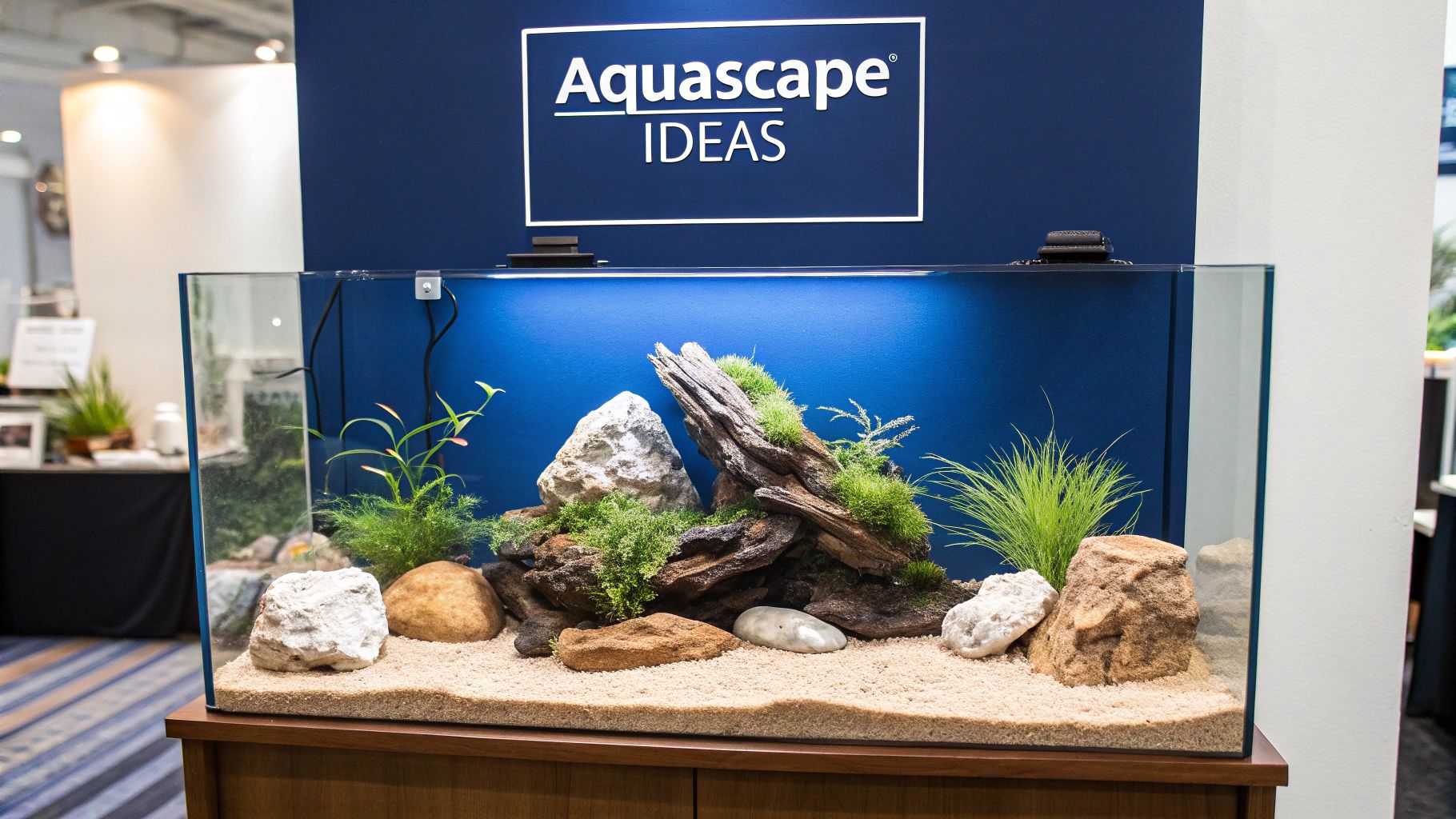
Credit: clixfueling.com
Frequently Asked Questions
What Tank Size Is Ideal For A Species-specific Setup?
Choose a tank size based on the species’ adult size and activity level. Larger species need bigger tanks. Research your species’ space needs before buying.
How Do I Maintain Water Conditions For One Species?
Match water temperature, pH, and hardness to the species’ natural habitat. Use a reliable water test kit. Regularly monitor and adjust parameters for stability.
What Decorations Suit A Species-specific Tank?
Use decorations that mimic the species’ natural environment. Include hiding spots, plants, and substrate that support natural behaviors. Avoid overcrowding the tank.
Can I Mix Species In A Species-specific Tank?
Avoid mixing species to prevent stress and aggression. Species-specific tanks focus on one species’ unique needs. Mixing can disrupt water parameters and behavior.
Conclusion
Setting up a species-specific tank takes time and care. Choose the right environment for your fish’s needs. Keep water clean and stable for healthy living. Add decorations that suit the species’ natural habitat. Watch your fish daily to spot any problems early.
Adjust tank conditions as your fish grow and change. A well-prepared tank helps fish thrive and stay happy. Enjoy the beauty and calm your tank brings to your space. Simple steps make a big difference in fish care.