
If you want your freshwater shrimp to thrive, creating the right environment is key. You might think it’s just about water and food, but there’s much more to it.
The perfect setup will keep your shrimp healthy, active, and colorful. Imagine watching them explore a tank that feels like home. You’ll discover simple steps to build that ideal habitat, avoid common mistakes, and enjoy a vibrant shrimp community. Ready to make your tank the best place for your shrimp?
Let’s dive in.
Choosing The Right Tank
Creating a good home for freshwater shrimp starts with picking the right tank. The tank must fit the shrimp’s needs and your space.
Two main things to think about are the tank size and shape, and the materials used to make the tank.
Tank Size And Shape
The size of the tank affects how many shrimp you can keep and how healthy they stay. Bigger tanks give shrimp more room to swim and hide.
- Choose a tank at least 10 gallons for beginners.
- Long tanks provide more surface area for oxygen.
- Tall tanks may reduce swimming space for shrimp.
- Wide tanks allow more decorations and plants.
Material Considerations
Tank material affects durability, weight, and water quality. Common materials include glass and acrylic.
| Material | Durability | Weight | Cost |
|---|---|---|---|
| Glass | Scratch-resistant and sturdy | Heavy | Moderate |
| Acrylic | Light and impact-resistant | Light | Higher |
Credit: somersetshrimpshack.uk
Water Quality Essentials
Freshwater shrimp need clean and stable water to stay healthy. Good water quality helps them grow and avoid illness.
Understanding water conditions is key to creating a perfect shrimp tank. This guide covers pH, hardness, temperature, and filtration.
Optimal Ph And Hardness Levels
Shrimp thrive in water with a pH between 6.5 and 7.5. Water hardness also matters for their shells and overall health.
- pH range: 6.5 to 7.5
- General hardness (GH): 4 to 8 dGH
- Carbonate hardness (KH): 3 to 6 dKH
Keep these levels steady by testing water weekly. Avoid sudden changes to prevent stress.
Temperature Control
Temperature affects shrimp activity and health. Most freshwater shrimp do best between 72°F and 78°F (22°C to 26°C).
| Temperature (°F) | Temperature (°C) | Effect on Shrimp |
| 68 – 72 | 20 – 22 | Slow metabolism, less active |
| 72 – 78 | 22 – 26 | Ideal range, active and healthy |
| Above 78 | Above 26 | Stress risk, lower oxygen |
Use a reliable heater and thermometer to keep temperature steady. Avoid placing the tank near drafts or direct sunlight.
Filtration Systems
Good filtration removes waste and keeps water clean. Gentle filters prevent shrimp from being sucked in or stressed.
- Sponge filters: Provide gentle filtration and aeration.
- Hang-on-back filters: Use pre-filters to protect shrimp.
- Internal filters: Ensure low flow settings to avoid harming shrimp.
Clean filters monthly and avoid strong chemical cleaners. Healthy water supports shrimp growth and survival.
Substrate And Decorations
Creating a good home for freshwater shrimp means choosing the right substrate and decorations. These items make the tank safe and comfortable.
Substrate and decorations also help shrimp hide and find food easily. They add to the tank’s natural look and feel.
Selecting Suitable Substrates
Substrate is the material on the bottom of the tank. It should be safe and easy for shrimp to walk on.
Fine sand or small smooth gravel works best. Sharp or large stones can hurt shrimp.
- Use natural colors like brown or black
- Avoid sharp or rough materials
- Choose substrates that do not change water pH
- Keep substrate depth about 1 to 2 inches
Incorporating Plants And Hiding Spots
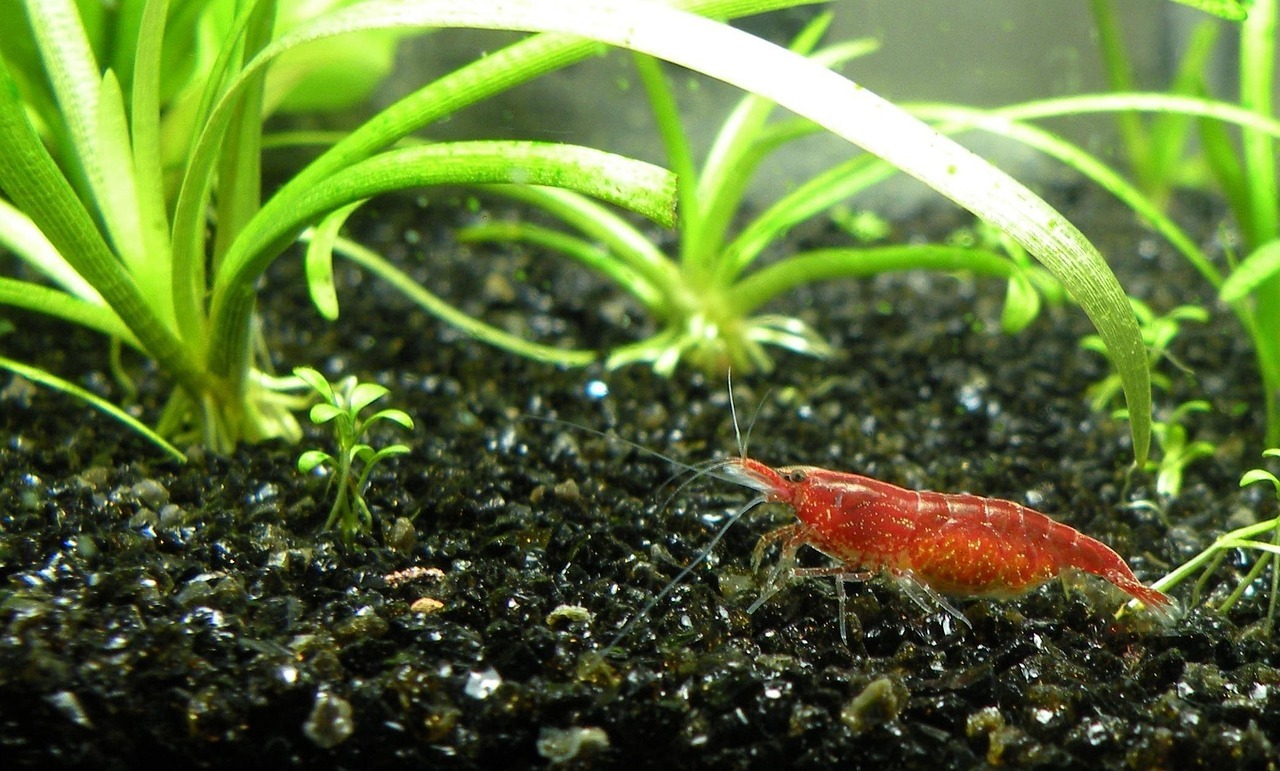
Plants and hiding spots make shrimp feel safe. They reduce stress and help shrimp hide from light or other tank mates.
Live plants also improve water quality by using waste and adding oxygen.
- Add easy plants like Java moss or Anubias
- Use small caves or tunnels made from driftwood
- Include leaf litter for natural cover
- Arrange decorations to create shaded areas
Lighting And Environmental Conditions
Freshwater shrimp need the right lighting and environment to stay healthy. Good care helps them live longer and grow well.
Lighting and stable water conditions play a big role in creating a good home for shrimp. Let’s explore what they need.
Lighting Requirements
Shrimp need low to moderate light. Bright lights can stress them out and cause hiding.
Natural daylight or soft LED lights work best. Keep lights on for about 8 to 10 hours daily.
- Use low-intensity lighting
- Provide 8–10 hours of light per day
- Avoid direct sunlight to prevent algae growth
- Use a timer to keep light consistent
Maintaining Stable Conditions
Freshwater shrimp need steady temperature and clean water to stay healthy. Sudden changes cause stress.
Keep the water temperature between 72 and 78°F (22-26°C). Test water often to maintain good quality.
- Maintain temperature at 72–78°F (22–26°C)
- Keep pH level between 6.5 and 7.5
- Change 10-20% of water weekly
- Use a filter to keep water clean
- Avoid sudden changes in water conditions
Feeding Freshwater Shrimp
Feeding freshwater shrimp properly helps them stay healthy and active. Good food supports their growth and natural colors.
Knowing what to feed and how often is key to creating an ideal environment for your shrimp.
Types Of Food
Freshwater shrimp eat many kinds of food. They like algae, biofilm, and leftover fish food. Some shrimp also enjoy vegetables and special shrimp pellets.
- Algae: natural and easy to find in the tank
- Biofilm: thin layers of bacteria and plants on surfaces
- Vegetables: blanched zucchini, spinach, and cucumber
- Shrimp pellets: balanced nutrition designed for shrimp
- Leaf litter: dried Indian almond leaves or oak leaves
Feeding Frequency And Tips
Feed shrimp small amounts once or twice a day. Overfeeding can pollute the water and harm shrimp.
| Feeding Time | Amount | Tip |
| Morning | Small pinch | Remove leftovers after 2 hours |
| Evening | Small pinch | Check water quality regularly |

Credit: www.youtube.com
Tank Mates And Compatibility
Creating the right environment for freshwater shrimp means choosing good tank mates. Not all fish or creatures live peacefully with shrimp.
Knowing which animals are safe companions and which ones pose risks helps keep shrimp healthy and stress-free.
Safe Companions
Some fish and invertebrates get along well with freshwater shrimp. They do not harm or stress the shrimp in the tank.
- Small, peaceful fish like neon tetras and guppies
- Snails such as nerite or mystery snails
- Other invertebrates like small freshwater clams
- Otocinclus catfish, known for gentle nature
- Corydoras catfish that stay at the tank bottom
Avoiding Predators
Some tank mates can eat or attack shrimp. It is important to know which species to avoid.
| Predator Type | Examples | Risk Level |
| Large Carnivorous Fish | Angelfish, Oscars | High |
| Active Hunters | Betta, Dwarf Cichlids | Medium to High |
| Fast Fish | Barbs, Danios | Medium |
| Bottom Dwellers | Larger Catfish | Medium |
| Crustaceans | Large Crabs, Crayfish | High |
Regular Maintenance Practices
Keeping freshwater shrimp healthy needs regular care. Good maintenance helps them live long and stay active.
This section covers key tasks to keep your shrimp tank clean and safe. Follow these simple steps to maintain a perfect environment.
Water Changes
Changing water regularly keeps the tank clean. It removes waste and harmful chemicals that build up over time.
- Change 10-20% of the water weekly to keep conditions stable.
- Use water conditioner to remove chlorine and chloramine.
- Match the temperature of new water with the tank water.
- Remove uneaten food and debris before water change.
- Do not change too much water at once to avoid stress.
Monitoring Shrimp Health
Watch shrimp daily for signs of illness or stress. Healthy shrimp are active and have bright colors.
| Sign | What It Means | Action to Take |
| Hiding more than usual | Stress or poor water quality | Check water parameters and improve tank conditions |
| Loss of color | Possible illness or poor diet | Feed high-quality food and check water quality |
| Molting problems | Low calcium or bad water quality | Add calcium supplements and improve water quality |
| Dead shrimp | Water issues or disease | Remove dead shrimp and test water immediately |
Credit: www.superiorshrimpaquatics.com
Breeding Freshwater Shrimp
Breeding freshwater shrimp can be a rewarding hobby. It helps keep your shrimp population healthy and vibrant.
Creating the right environment is key to successful breeding. Freshwater shrimp need stable water and good care.
Conditions For Breeding
Freshwater shrimp breed best in clean water with stable conditions. The water should have the right temperature and pH.
It is important to keep the tank quiet and free from strong currents. Plants and hiding places help shrimp feel safe.
- Water temperature: 72–78°F (22–26°C)
- pH level: 6.5 to 7.5
- Low water hardness
- Regular water changes to keep water clean
- Provide plants or moss for shelter
Caring For Shrimp Fry
Shrimp fry are tiny and need gentle care. They must have clean water and proper food to grow strong.
Feed them small amounts of crushed shrimp food or algae. Avoid strong water flow that can harm fry.
- Feed finely crushed food or special fry food
- Keep water clean with small, regular changes
- Maintain stable temperature and pH
- Use plants or moss for hiding spots
- Do not keep large fish that eat fry
Frequently Asked Questions
What Water Conditions Are Best For Freshwater Shrimp?
Freshwater shrimp thrive in clean, well-oxygenated water. Maintain a pH of 6. 5-7. 5 and temperature between 72-78°F. Regular water changes and gentle filtration help keep the environment stable and healthy for shrimp growth.
How Do I Set Up Substrate For Freshwater Shrimp?
Use fine gravel or sand as substrate for freshwater shrimp. It provides surface area for beneficial bacteria and helps anchor plants. Avoid sharp or large particles to prevent shrimp injury and promote natural foraging behavior.
What Plants Are Ideal For Freshwater Shrimp Tanks?
Mosses like Java moss, and plants such as Anubias or Cryptocoryne, are perfect. They offer hiding spots, food sources, and help maintain water quality by absorbing excess nutrients.
How Often Should I Clean A Freshwater Shrimp Tank?
Clean the tank every 1-2 weeks by removing debris and changing 20-30% of water. Avoid over-cleaning to preserve beneficial bacteria. Use gentle siphoning to prevent disturbing shrimp or plants.
Conclusion
Creating a good home for freshwater shrimp takes care and patience. Keep water clean and stable. Provide plenty of plants and hiding spots. Feed them small, healthy meals regularly. Watch their behavior and health closely. Small changes can make a big difference.
Enjoy the peaceful beauty they bring to your tank. A happy shrimp tank means a happy hobbyist. Start simple, learn as you go. Your shrimp will thrive with your care.