
Introducing new species to your community aquarium can feel both exciting and a little nerve-wracking. You want your aquatic friends to thrive together, but mixing different fish and creatures isn’t always simple.
If you’re wondering how to do this right—without stressing your fish or risking the balance of your tank—you’re in the right place. You’ll discover easy, practical steps to help your new arrivals settle in smoothly and keep your aquarium healthy and lively.
Keep reading to learn how to make your community aquarium a happy home for all its inhabitants.

Credit: www.aqqapet.com
Choosing Compatible Species
Introducing new species to a community aquarium needs careful planning. You must pick fish that live well together.
Choosing compatible species helps keep your aquarium healthy and peaceful. It reduces stress and fights among fish.
Researching Species Traits
Learn about each species before adding them to your tank. Know what they eat, how big they grow, and their behavior.
Some fish like to hide, while others swim in open water. Check if the species need special care or space.
- Diet needs (herbivore, carnivore, omnivore)
- Adult size and growth rate
- Activity level and swimming zones
- Breeding habits and aggression
Matching Water Parameters
Each species prefers certain water conditions. Check temperature, pH, and hardness before mixing fish.
Pick species that thrive in similar water environments. This keeps all fish healthy and happy.
- Ideal temperature range (°F or °C)
- Preferred pH level (acidic, neutral, alkaline)
- Water hardness (soft, medium, hard)
- Oxygen and filtration needs
Considering Temperament And Size
Think about how peaceful or aggressive each species is. Avoid putting aggressive fish with small or shy ones.
Size differences matter too. Large fish may eat or bully smaller fish. Choose species with similar sizes.
- Peaceful, semi-aggressive, or aggressive behavior
- Adult size comparison
- Territorial needs and hiding spots
- Schooling behavior and social needs
Preparing The Aquarium
Introducing new species to a community aquarium requires careful preparation. This helps keep fish healthy and happy.
Preparing the aquarium includes setting up good filtration, stable water, and suitable habitats. Each step matters.
Setting Up Proper Filtration
Good filtration keeps the water clean and safe for fish. It removes waste and harmful chemicals.
Choose a filter that matches your tank size. Clean or replace filter media regularly to keep it working well.
- Use mechanical filters to remove debris
- Use biological filters to break down waste
- Use chemical filters to remove toxins
Maintaining Stable Water Conditions
Stable water helps fish adjust and stay healthy. Sudden changes can stress or harm them.
Check temperature, pH, and hardness regularly. Make small changes over time if needed.
- Keep temperature constant for your fish species
- Maintain pH within the safe range
- Test water weekly for ammonia and nitrites
Creating Suitable Habitats
Fish need places to hide and explore. Different species prefer different habitats.
Add plants, rocks, and decorations that fit the fish’s needs. Avoid sharp objects that may hurt them.
- Use live or artificial plants for shelter
- Add caves or hiding spots for shy fish
- Arrange open swimming space for active fish
Quarantine Procedures
Introducing new species to a community aquarium needs care. Quarantine keeps your main tank safe from diseases.
Use a separate tank to watch new fish before adding them to the community. This step helps prevent illness spread.
Setting Up A Quarantine Tank
Choose a tank that is easy to clean and separate from your main aquarium. It should have good filtration and heater.
- Use a tank size suitable for the new species.
- Provide hiding places to reduce stress.
- Keep water temperature stable and similar to your main tank.
- Use a sponge filter to avoid strong water currents.
- Do not add any substrate or decorations that are hard to clean.
Monitoring For Diseases
Check your new fish daily for signs of illness. Watch for unusual behavior or spots on their body.
| Symptom | What to Look For |
| White Spots | Small white dots on fins or body |
| Redness | Red or inflamed areas |
| Cloudy Eyes | Eyes look foggy or dull |
| Labored Breathing | Gills move fast or fish gasps at surface |
| Loss of Appetite | Fish refuses food for several days |
Treating Before Introduction
Treat fish in quarantine before moving them to the community tank. Use medicine as needed to clear infections.
- Identify the illness and choose the correct treatment.
- Follow medicine instructions carefully.
- Keep the quarantine tank clean and change water regularly.
- Observe fish to see if symptoms improve.
- Only add fish to the main tank after full recovery.

Credit: www.completekoi.com
Acclimating New Species
Adding new species to your community aquarium needs care and patience. Proper acclimation helps fish adjust to the new environment safely.
Acclimating reduces stress and prevents shock caused by changes in water conditions. Use gentle methods to help new species settle in.
Floating The Bag Method
Keep the fish inside the sealed bag and float it on the aquarium surface. This balances the temperature inside the bag with the tank water.
Leave the bag floating for 15 to 30 minutes. This step avoids sudden temperature changes that can harm the fish.
Gradual Water Mixing
Slowly add small amounts of aquarium water into the bag every 5 to 10 minutes. This helps fish get used to the tank’s water chemistry.
- Open the bag and add 1/4 cup of aquarium water.
- Wait for 10 minutes to let fish adjust.
- Repeat adding water three to four times.
- After mixing, gently release the fish into the tank.
Monitoring Behavior During Acclimation
Watch the new species closely after release. Look for signs of stress or illness such as rapid gill movement or hiding.
| Behavior | What It Means |
| Swimming calmly | Good adjustment |
| Hiding a lot | Possible stress or fear |
| Gasping at surface | Low oxygen or shock |
| Erratic swimming | Stress or illness |
Introducing To The Community
Adding new species to a community aquarium needs care. It helps keep the tank safe and peaceful. Follow simple steps to make this easier for your fish.
Knowing when and how to introduce new fish helps reduce problems. Watch your tank to keep all fish healthy and happy.
Timing The Introduction
Pick the right time to add new fish to the tank. Avoid times when the tank is busy or fish are stressed. Early morning is often best. It lets fish settle down during the day.
- Test water quality before adding new fish
- Choose a calm time of day
- Introduce fish slowly over a few minutes
- Turn off tank lights briefly to reduce stress
Minimizing Stress
Stress can harm fish and cause illness. Use these tips to keep stress low during introduction.
| Action | Reason |
|---|---|
| Use a quarantine tank first | Prevents diseases from spreading |
| Float new fish bag in tank water | Helps fish adjust to temperature |
| Add aquarium plants or hiding spots | New fish feel safe and secure |
| Feed lightly before introduction | Keeps fish calm and less aggressive |
Observing Interactions Post-introduction
Watch the fish closely after adding new species. Look for signs of aggression or illness. Early action can stop problems from growing.
- Note if fish chase or nip each other
- Check if any fish hide or lose appetite
- Remove aggressive fish if needed
- Keep water clean and check parameters daily
Ongoing Care And Monitoring
Introducing new species to a community aquarium is just the start. Care and watching your fish closely keeps them healthy.
Regular checks and adjustments help your aquarium stay balanced and peaceful for all species.
Regular Health Checks
Look at your fish daily for signs of illness or stress. Healthy fish swim actively and eat well.
Watch for changes in color, spots, or strange behavior. Early detection helps prevent disease spread.
- Check fins for tears or clamping
- Notice if fish hide more than usual
- Look for white spots or fungus
- Observe breathing speed for irregularities
Adjusting Diets
Different species need different foods. Adjust diets to fit each fish’s needs and size.
Feed small amounts several times a day. Remove uneaten food to keep water clean.
- Offer flakes, pellets, or frozen food
- Include vegetable matter for herbivores
- Provide protein-rich food for carnivores
- Change diet if fish refuse to eat
Managing Aggression
Some fish may fight or chase others. Watch for signs of stress or injury from aggression.
Use hiding spots and plants to give fish safe spaces. Separate fish if fights continue.
- Observe fish interactions daily
- Provide plenty of hiding places
- Remove or isolate aggressive fish if needed
- Keep fish numbers appropriate for tank size
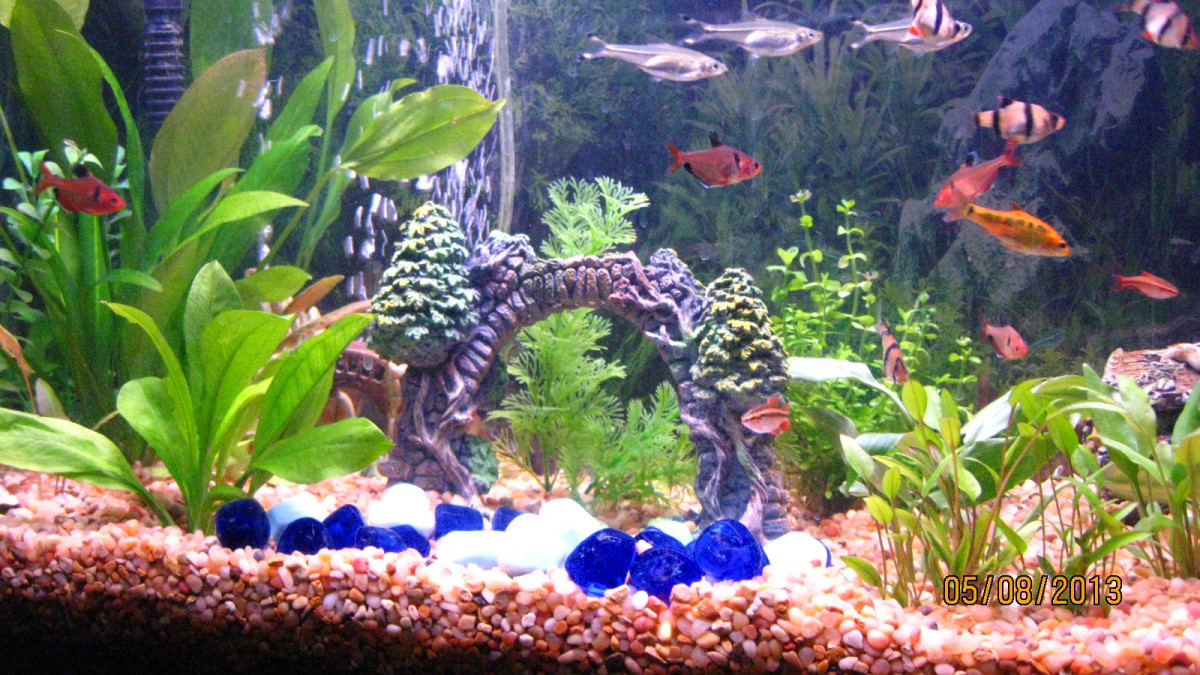
Credit: pethelpful.com
Frequently Asked Questions
How To Quarantine New Fish Before Adding To Aquarium?
Quarantine new fish for 2-4 weeks in a separate tank. This prevents diseases from spreading to your main aquarium. Monitor health and behavior closely during this period to ensure fish are healthy before introduction.
What Is The Best Way To Acclimate Fish To Aquarium Water?
Float the sealed bag in the aquarium for 15-20 minutes. Gradually add aquarium water to the bag every 5 minutes. This helps fish adjust to temperature and water chemistry changes smoothly.
How Many Fish Should Be Introduced At Once?
Introduce 2-3 fish at a time to reduce stress and aggression. Adding too many at once can disrupt the tank’s balance and increase disease risk. Observe behavior before adding more.
Which Species Are Compatible In Community Aquariums?
Choose peaceful species with similar water and temperature needs. Avoid aggressive or territorial fish to maintain harmony. Research species compatibility to ensure a balanced and stress-free aquarium environment.
Conclusion
Introducing new species to your community aquarium takes care and patience. Always check if fish get along well before adding them. Quarantine new fish to keep the tank healthy. Add them slowly and watch for any signs of stress. Keep water clean and stable to help fish settle in.
Remember, a peaceful aquarium needs balance and gentle care. Your tank will become a happy home for all its residents. Enjoy the beauty and life your new fish bring.