
If you want your species-specific aquarium to thrive, choosing the best filtration system is key. The right filter keeps your water clean, your fish healthy, and your tank looking vibrant.
But with so many options out there, how do you find the perfect fit for your unique aquatic family? You’ll discover exactly what to look for in a filtration system tailored to your species, ensuring a safe and balanced environment.
Keep reading to unlock the secrets that will transform your aquarium into a flourishing underwater haven.

Credit: glassboxdiaries.com
Choosing Filters By Species
Choosing the right filter helps keep your aquarium clean and healthy. Different species need different types of filtration.
Filters remove waste, balance water quality, and support the habitat. Select a filter that fits your aquarium species.
Freshwater Fish Filters
Freshwater tanks often need filters that handle moderate waste. Sponge and canister filters are popular choices.
- Sponge filters provide gentle water flow for small fish.
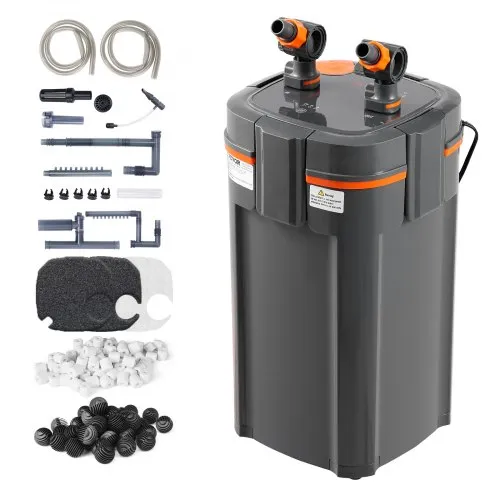
- Canister filters offer strong mechanical and biological filtration.
- Hang-on-back filters are easy to maintain and effective.
Saltwater Fish Filters
Saltwater aquariums require powerful filtration to manage higher waste and maintain water chemistry.
| Filter Type | Benefit | Best For |
|---|---|---|
| Protein Skimmer | Removes organic waste before it breaks down | Marine fish tanks |
| Sump Filter | Increases water volume and filtration options | Large saltwater tanks |
| Refugium | Supports beneficial plants and microorganisms | Stable water conditions |
Coral Reef Tank Filters
Coral reefs need clean water with low nutrients. Use filters that control algae and toxins carefully.
Recommended filtration methods:
- Protein skimmers to remove dissolved organics
- Activated carbon to clear toxins
- Live rock for natural biological filtration
Amazon Biotope Filters
The Amazon biotope mimics natural river conditions. Filters should keep water soft and slightly acidic.
- Sponge filters to avoid disturbing fish and plants
- External canister filters with peat inserts
- Slow water flow to simulate river currents
Filter Types And Benefits
Choosing the right filter for your species-specific aquarium is important. It helps keep the water clean and safe for your fish.
Different filters suit different tank sizes and fish needs. Learn about common filter types and their benefits.
Canister Filters
Canister filters are powerful and sit outside the tank. They use multiple filter media to clean water well. These filters work quietly and handle large tanks.
Hang-on-back Filters
Hang-on-back filters hang on the aquarium’s edge. They are easy to install and maintain. These filters provide good mechanical and biological filtration.
Sponge Filters
Sponge filters use air to draw water through a sponge. They offer gentle filtration and good aeration. These filters are perfect for small tanks and fry.
- Safe for small and delicate species
- Low cost and low maintenance
- Supports beneficial bacteria growth
- Does not create strong currents
Undergravel Filters
Undergravel filters sit under the gravel substrate. They pull water down through the gravel for natural filtration. These filters promote good biological filtration.
Internal Filters
Internal filters sit inside the tank and use a pump to circulate water. They are compact and ideal for small aquariums. These filters combine mechanical and biological cleaning.
| Filter Type | Main Benefit | Best For |
| Canister | Strong filtration, quiet | Large tanks |
| Hang-On-Back | Easy to use | Medium tanks |
| Sponge | Gentle, low flow | Small tanks, fry |
| Undergravel | Natural bio filtration | Gravel substrate tanks |
| Internal | Compact, mechanical and bio | Small tanks |
Key Filtration Features
Proper filtration is vital for species-specific aquariums. It keeps the water clean and safe for your fish and plants.
Each type of filtration plays a unique role in maintaining a healthy aquarium environment. Understanding these helps you choose the right system.
Mechanical Filtration
Mechanical filtration removes solid waste and particles from the water. It traps debris before it breaks down and pollutes the tank.
- Uses filter pads or sponges to catch particles
- Prevents cloudiness in the water
- Needs regular cleaning to stay effective
- Protects other filter types from clogging
Biological Filtration
Biological filtration uses beneficial bacteria to break down harmful ammonia and nitrites. This keeps the water safe for aquatic life.
These bacteria grow on surfaces like filter media and tank decorations. A strong biological filter supports a stable ecosystem.
Chemical Filtration
Chemical filtration removes dissolved impurities and toxins from the water. It uses special media to absorb harmful substances.
| Filter Media | Purpose |
| Activated Carbon | Removes odors and discoloration |
| Zeolite | Absorbs ammonia |
| Phosphate Remover | Prevents algae growth |
Flow Rate And Adjustability
Flow rate affects water circulation and filtration efficiency. It needs to match the needs of the specific species in your aquarium.
Adjustable flow allows you to:
- Control water movement speed
- Reduce stress for shy or slow-moving species
- Ensure proper oxygen exchange
Customizing Filtration For Sensitive Species
Filtration plays a key role in keeping aquariums healthy. Sensitive species need special care with their filters. The wrong flow or strong currents can stress these fish and animals.
Adjusting filtration to fit the needs of each species helps protect them. This guide covers four important points to consider.
Low Flow Requirements
Many sensitive species prefer slow water movement. High water flow can tire them out or cause injury. Filters should be set to create gentle currents that mimic their natural habitat.
- Choose filters with adjustable flow rates
- Use flow diffusers or spray bars to soften water movement
- Place filter outlets away from resting areas
- Test flow speed with a floating leaf or small piece of paper
Avoiding Strong Currents
Strong currents can cause stress and make it hard for species to swim properly. Avoid placing filters directly opposite to where fish like to rest. Use baffles or plants to break up water flow.
| Method | Purpose |
| Baffles | Reduce direct strong water streams |
| Plants | Break up currents and provide shelter |
| Adjustable filter heads | Control flow direction and speed |
Maintaining Water Clarity
Clear water helps keep fish healthy and visible. Filtration must remove waste and debris without disturbing the aquarium too much. Regular filter cleaning prevents clogging and maintains good water quality.
- Use mechanical filtration to trap particles
- Replace filter media as recommended
- Monitor water parameters often
- Perform partial water changes to reduce toxins
Preventing Filter Stress
Filters can create stress by noise or vibration. Sensitive species need a calm environment. Choose quiet models and place filters on soft surfaces to reduce noise. Check that filter suction is not too strong for small or delicate animals.
- Pick filters labeled as quiet or low noise
- Use sponge pre-filters to soften suction
- Place filters on rubber mats to cut vibrations
- Keep filter intake away from slow-moving species
Maintenance Tips For Optimal Performance
Keeping your aquarium filter in good shape helps your fish stay healthy. Regular care boosts filter efficiency and water quality. Simple steps can make a big difference.
This guide covers cleaning schedules, replacing media, checking water, and fixing common problems. Follow these tips for the best results in species-specific tanks.
Regular Cleaning Schedules
Clean your filter parts regularly to stop clogging and keep water clear. Avoid cleaning all parts at once to keep good bacteria alive.
- Rinse sponges and foam pads every two weeks with tank water.
- Clean filter tubes and impellers monthly to remove debris.
- Do not use soap or chemicals during cleaning.
- Check the filter case for algae build-up and wipe it clean.
Replacing Filter Media
Filter media remove waste and toxins. Replace them on time to keep the filter working well. Different media last different lengths of time.
| Filter Media | Replacement Frequency |
| Foam Pads | Every 1 to 2 months |
| Carbon Cartridge | Every 4 weeks |
| Biological Media | Replace only if damaged |
Monitoring Water Parameters
Keep water safe by testing key levels often. Use test kits to check these values:
- pH level
- Ammonia
- Nitrite
- Nitrate
- Temperature
Adjust filtration or water changes if any values go out of range. This keeps fish healthy and filter stable.
Troubleshooting Common Issues
Here are common filter problems and what to do:
- Low flow rate:Check for clogs in tubes and clean the impeller.
- Strange noises:Remove debris and make sure parts fit well.
- Cloudy water:Replace filter media and test water parameters.
- Filter stops working:Check power supply and clean motor parts.
Credit: www.vevor.ca
Expert Recommendations And Reviews
Choosing the right filtration for species-specific aquariums is important. It helps keep fish healthy and water clean.
This guide covers top brands, budget-friendly choices, high-end systems, and user feedback for filters.
Top Brands For Species-specific Tanks
Some brands are known for making filters suited for species-specific tanks. These brands offer reliable performance.
- Fluval: Offers multi-stage filtration for various fish types
- API: Known for easy-to-use and effective filters
- Marineland: Provides adjustable flow filters for delicate species
- Hagen: Specializes in quiet and efficient filtration units
Budget-friendly Options
Affordable filters can work well for small and beginner tanks. They keep water clean without high cost.
- Hang-on-back (HOB) filters are easy to install and maintain.
- Sponge filters are gentle and good for fry or shrimp tanks.
- Internal filters fit inside tanks and save space.
- Look for filters with replaceable media to save money.
High-end Filtration Systems
High-end filters offer advanced features for bigger or sensitive species tanks. They provide superior water quality.
- Canister filters have large media capacity and strong flow control.
- Wet/dry filters support powerful biological filtration.
- UV sterilizers reduce harmful bacteria and algae.
- Smart filters allow monitoring and control via apps.
User Experiences And Ratings
Many users share their thoughts online about different filters. These reviews help others choose the best option.
- Users praise filters with quiet operation and low maintenance.
- Some report problems with flow rate being too strong for small fish.
- Filters with easy media replacement get higher ratings.
- Customer service and warranty also affect user satisfaction.

Credit: glassboxdiaries.com
Frequently Asked Questions
What Is The Best Filter Type For Species-specific Aquariums?
The best filter for species-specific aquariums depends on the fish species. Canister filters offer strong mechanical and biological filtration. Sponge filters are ideal for delicate species, providing gentle water flow and aeration. Choose filters that match your aquarium size and species needs.
How Often Should I Clean The Aquarium Filter?
Clean your aquarium filter every 2 to 4 weeks, depending on the bioload. Avoid over-cleaning to preserve beneficial bacteria. Rinse filter media in tank water to maintain biological filtration. Regular maintenance ensures effective filtration and a healthy environment for your species.
Can Filtration Impact Fish Health In Species-specific Tanks?
Yes, proper filtration maintains water quality, preventing harmful toxins. It reduces stress and disease risks for sensitive species. Inadequate filtration can cause ammonia buildup, harming fish health. Tailoring filtration to species needs promotes a stable and thriving aquarium.
Are Sponge Filters Suitable For Small Species-specific Tanks?
Sponge filters are excellent for small, species-specific tanks. They provide gentle filtration and oxygenation without strong currents. Sponge filters are safe for fry and delicate fish. Their biological filtration helps maintain water quality in confined spaces.
Conclusion
Choosing the right filtration keeps your aquarium water clean and clear. It helps maintain a healthy environment for your fish. Different species need different filters for best results. Proper filtration reduces harmful waste and toxins in the water. It also supports beneficial bacteria that break down waste.
Remember, a good filter makes your tank easier to care for. Healthy fish look bright and active. Keep checking your filter regularly to ensure it works well. The right filter helps your species-specific aquarium thrive and stay beautiful.