
Choosing the right tank size for your schooling fish is more important than you might think. If you want your fish to thrive and show their natural behavior, you need to give them enough space to swim together comfortably.
But how do you know what size is best? This guide will help you understand exactly what your schooling species need to stay healthy and happy. Keep reading to discover simple tips that will make a big difference for your aquatic friends—and your aquarium.
Choosing The Right Tank Size
Picking the right tank size is key for keeping schooling fish healthy. The tank must fit their swimming needs and group size.
A proper tank helps fish stay active and lowers stress. Let’s look at what affects tank size choices.
Factors Affecting Tank Size
Several things decide how large a tank should be. These include fish size, number, and their swimming style.
- Number of fish in the school
- Species size and growth potential
- Swimming habits and activity level
- Filtration and water quality needs
- Tank shape and available space
Space Needs Of Different Species
Different fish need different space amounts. Small tetras need less room than larger barbs or danios.
| Species | Adult Size | Minimum Tank Size (Gallons) |
| Neon Tetra | 1.5 inches | 10 |
| Zebra Danio | 2 inches | 15 |
| Cherry Barb | 2.5 inches | 20 |
| Glofish | 2 inches | 15 |
| Silver Dollar | 6 inches | 75 |
Impact Of Overcrowding
Too many fish in a small tank causes stress and health problems. It also raises waste and lowers water quality.
- Fish may fight or hide more often
- Oxygen levels drop quickly
- Water becomes dirty fast
- Fish grow slower or get sick
- Tank plants may die from poor conditions

Credit: bubble-magus.net
Popular Schooling Species
Schooling fish are great for community tanks. They swim in groups and need space to move.
Choosing the right tank size helps keep them healthy and happy. Different species have different needs.
Tetras And Their Requirements
Tetras are small, colorful fish. They feel safe in groups of six or more.
A 20-gallon tank is good for a small school of tetras. Bigger tanks are better for larger groups.
- Minimum tank size: 20 gallons
- Group size: 6 or more
- Provide plants and hiding spots
Danios And Active Shoals
Danios are very active swimmers. They need plenty of room to swim fast and explore.
A 20 to 30-gallon tank works well for a school of danios. They should be kept in groups of at least six.
- Minimum tank size: 20 gallons
- Group size: 6 or more
- Open swimming space is important
Rasboras And Peaceful Groups
Rasboras are peaceful and like to stay in groups. They add calm movement to the tank.
A 15 to 20-gallon tank suits a small rasbora school. Larger tanks help bigger groups thrive.
- Minimum tank size: 15 gallons
- Group size: 6 or more
- Calm water with plants preferred
Group Dynamics In Schooling Fish
Schooling fish swim together in groups for safety and social reasons. Their group size affects their comfort and behavior.
Understanding group dynamics helps maintain healthy fish and a balanced aquarium.
Minimum Group Size For Comfort
Schooling fish need a minimum number of companions to feel safe. Too few fish cause stress and awkward behavior.
Most schooling species need at least six fish to form a natural group.
- Small groups make fish feel exposed.
- Large groups reduce fear of predators.
- Groups of six or more are ideal for comfort.
Behavioral Benefits Of Schooling
Swimming in groups helps fish find food and avoid danger. They follow each other to stay safe.
Schooling also improves social interaction and reduces aggression among fish.
- Fish in schools feed more efficiently.
- Groups confuse predators.
- Schooling lowers stress and aggression.
Signs Of Stress In Small Groups
When schooling fish are kept in small groups, they show signs of stress. Watch for unusual behavior.
Stress signals include hiding, loss of appetite, and erratic swimming.
- Fish separate from the group.
- Increased aggression or chasing.
- Reduced activity or hiding.
- Fading colors or dull appearance.
Credit: www.plantedtank.net
Tank Setup For Optimal Harmony
Choosing the right tank size is key for schooling fish health. A good setup helps fish swim freely and stay stress-free.
Proper tank conditions create a peaceful environment where fish can live together without problems.
Aquascaping For Schooling Fish
Schooling fish like open spaces to swim in groups. Use plants and decorations to create hiding spots and open swimming areas.
Arrange rocks and plants so fish can form schools easily and avoid stress from feeling trapped.
- Use tall plants at the back for shelter
- Leave open space in the middle for swimming
- Add smooth rocks to prevent injuries
- Create hiding spots for shy fish
Water Quality And Filtration
Good water quality keeps schooling fish healthy. Clean water reduces disease and stress.
Use a strong filter to keep water clear. Test water often for ammonia, nitrites, and nitrates.
- Change 20% of water weekly
- Use a filter rated for your tank size
- Keep ammonia and nitrites at zero
- Maintain nitrates below 20 ppm
Lighting And Temperature Considerations
Schooling fish need steady light and proper temperature to thrive. Light affects their behavior and health.
Set the tank temperature to fit your fish species and keep it stable. Avoid sudden changes in light or heat.
- Use a timer for consistent light cycles
- Keep temperature stable within species range
- Avoid direct sunlight to prevent algae
- Use LED lights for energy efficiency
Common Challenges And Solutions
Keeping schooling fish in the right tank size is important for their health and happiness. Many fish keepers face challenges with space, behavior, and tank conditions.
This guide covers common problems and easy solutions for schooling fish tanks. Understanding these can help your fish thrive.
Managing Aggression In Schools
Some schooling fish may show aggression if the tank is too small. Crowding causes stress and fights. Proper space helps fish feel safe.
Adding hiding spots and plants can reduce fights. Keep enough fish to spread aggression but avoid overcrowding.
- Provide at least 10 gallons per 4-6 small schooling fish
- Use decorations to create hiding places
- Keep schools of the same species to lower conflict
- Remove very aggressive fish if needed
Preventing Disease Spread
Fish in tight spaces get sick faster. Diseases spread quickly in small tanks. Clean water and space reduce risks.
Quarantine new fish before adding them. Use filters and change water regularly to keep the tank healthy.
- Keep the water clean with regular changes
- Use a good filter for your tank size
- Isolate new fish for 2 weeks before adding
- Watch for signs of illness daily
Adjusting Tank Size Over Time
As fish grow, they need more space. A tank that was good at first may become too small later. Plan for growth.
Upgrade tanks or reduce fish numbers if needed. Bigger tanks help keep fish healthy and happy for a long time.
- Check fish size and behavior regularly
- Move fish to larger tanks as they grow
- Remove excess fish to prevent crowding
- Plan tank size before buying fish
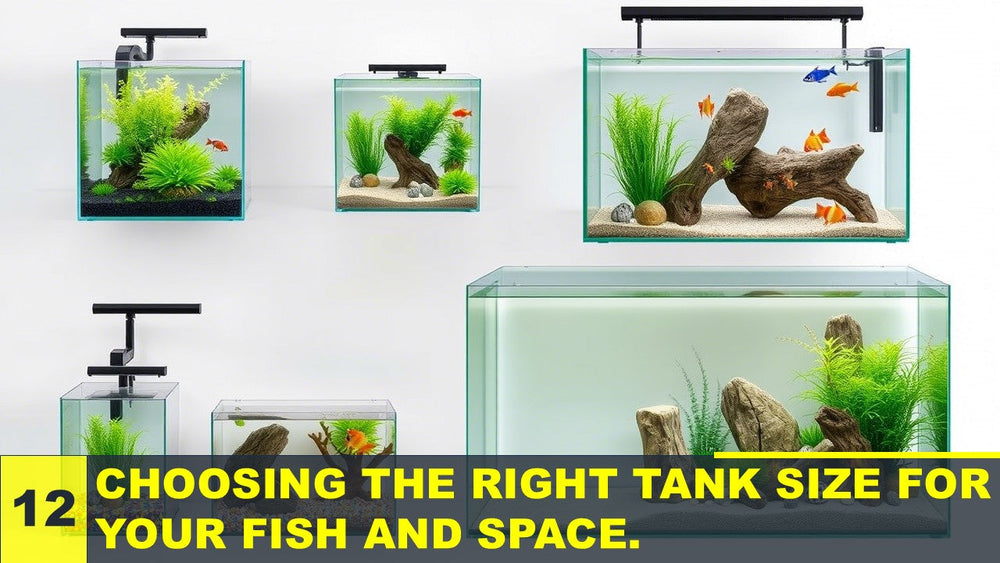
Credit: bubble-magus.net
Frequently Asked Questions
What Is The Ideal Tank Size For Schooling Fish?
The ideal tank size depends on the species and number of fish. Generally, a minimum of 20 gallons is recommended for small schooling fish to allow enough swimming space and reduce stress.
How Does Tank Size Affect Schooling Fish Behavior?
A proper tank size encourages natural schooling behavior. Small tanks cause stress and limit movement, leading to aggression and poor health in schooling fish.
Can Too Small A Tank Harm Schooling Species?
Yes, a tank that is too small restricts swimming and increases waste buildup. This harms fish health, reduces lifespan, and disrupts their schooling instincts.
How Many Schooling Fish Fit In A Standard Tank?
A good rule is one inch of fish per gallon of water. For schooling species, provide extra space to accommodate their active swimming habits.
Conclusion
Choosing the right tank size keeps schooling fish happy and healthy. Small tanks can cause stress and fighting among fish. Larger tanks give enough space for swimming and socializing. Fish need room to move freely as a group. Proper tank size helps prevent water quality problems.
Clean water and enough space reduce fish diseases. Always plan tank size based on the number of fish. Good care means enjoying a lively, peaceful fish school. Remember, happy fish make a beautiful aquarium.