
If you’re ready to dive into the fascinating world of discus fish breeding, setting up the perfect aquarium is your first and most important step. Getting your tank just right not only keeps your discus healthy but also boosts their chances of breeding successfully.
Imagine watching your discus pair lay eggs and nurture their fry in a calm, carefully prepared environment—that’s the reward waiting for you. In this guide, you’ll discover simple, clear steps to create the ideal aquarium setup that meets all the needs of your discus fish.
Stick with me, and you’ll soon feel confident in turning your aquarium into a thriving breeding haven.
Choosing The Right Tank
Setting up an aquarium for discus fish breeding starts with picking the right tank. The tank size and shape affect the fish’s health and breeding success.
Discus fish need clean water and enough space to swim freely. This guide covers the ideal tank size and shape considerations for your breeding setup.
Ideal Tank Size
Choose a tank that gives your discus fish room to grow and breed. Too small a tank stresses the fish and limits breeding success.
- A minimum of 50 gallons is recommended for a breeding pair.
- Larger tanks help keep water stable and clean.
- Extra space allows room for baby fish to swim safely.
- Consider future growth when picking your tank size.
Tank Shape Considerations
The shape of the tank affects water flow and space use. Choose a shape that fits your room and helps maintain water quality.
| Tank Shape | Advantages | Disadvantages |
| Rectangular | Good surface area for oxygen | Needs more floor space |
| Square | Compact and fits small rooms | Less surface area for gas exchange |
| Tall | Uses vertical space well | Less swimming space horizontally |
Water Conditions For Breeding
Good water conditions help discus fish breed well. Proper care keeps eggs and fry safe.
Check water settings often. Stable conditions lower stress and increase breeding success.
Optimal Temperature Range
Discus fish breed best in warm water. Keep the temperature between 82°F and 86°F (28°C to 30°C). Too cold or too hot water stops spawning.
Maintaining Ph And Hardness
Discus prefer soft, slightly acidic water. Keep pH between 6.0 and 6.5. Water hardness should be low, ideally 1 to 4 dGH.
| Water Parameter | Ideal Range |
| pH | 6.0 – 6.5 |
| General Hardness (dGH) | 1 – 4 |
| Carbonate Hardness (dKH) | 0 – 3 |
Water Filtration And Quality
Use gentle filtration to keep water clean. Strong currents stress discus and eggs. Change 25% of water weekly.
- Use sponge or canister filters with low flow
- Remove uneaten food daily
- Test water for ammonia, nitrites, and nitrates
- Keep ammonia and nitrites at zero
- Keep nitrate under 20 ppm
Selecting Breeding Pairs
Choosing the right discus fish for breeding is very important. Healthy and compatible pairs increase the chance of successful breeding.
Breeders must carefully check the health and behavior of discus. This helps create a strong and happy breeding pair.
Identifying Healthy Discus
Healthy discus fish have bright colors and clear eyes. Their fins should be whole without tears or spots.
Look for active fish that swim smoothly. Avoid fish with swollen bellies or damaged scales.
- Bright, even coloration
- Clear, round eyes
- Intact fins with no tears
- Strong, smooth swimming
- No visible parasites or wounds
Pair Compatibility
Pairs that get along well show less aggression. They swim close and share space without fighting.
Choose pairs with similar size and age. This reduces stress and helps them bond faster.
- Observe fish behavior for calm interaction
- Match fish of similar size and age
- Avoid pairs with constant chasing or biting
- Pairs that clean each other show strong bonds
Credit: aquainfo.nl
Aquascaping For Spawning
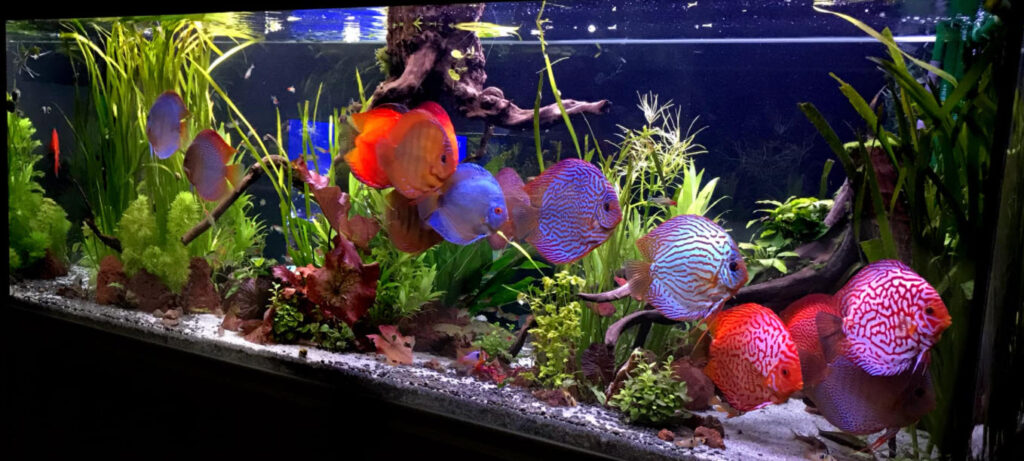
A good aquascape helps discus fish feel safe and ready to breed. It creates a natural space for them to lay eggs.
Setting up the right plants and surfaces encourages spawning and protects the eggs.
Choosing Suitable Plants
Pick plants that provide cover and gentle hiding spots. Discus fish like calm areas for their eggs.
Use soft-leaved plants that do not have sharp edges. These plants help keep the water clean and safe.
- Amazon sword plants
- Java fern
- Cryptocoryne species
- Vallisneria
- Floating plants like duckweed
Providing Spawning Surfaces
Discus fish lay eggs on flat, clean surfaces. Provide rocks, slate, or large leaves for spawning.
Place spawning surfaces in quiet areas with low water flow. This helps protect eggs from damage.
- Slate tiles or flat stones
- Broad leaves from plants like Amazon sword
- Plastic breeding cones made for discus
- Clean glass surfaces inside the tank
Feeding For Breeding Success
Proper feeding plays a big role in breeding discus fish. Good nutrition helps them stay healthy and ready to breed.
Choosing the right food and feeding at the right times improves breeding chances and fry survival.
Nutrient-rich Diets
Discus fish need a diet rich in proteins, vitamins, and minerals for strong eggs and healthy fry. Use a mix of foods to give them all nutrients.
- High-quality frozen or live bloodworms
- Brine shrimp to boost protein intake
- Special discus pellets with added vitamins
- Vegetable matter like spinach or peas for fiber
- Occasional supplements such as garlic to improve immunity
Feeding Frequency And Types
Feed breeding discus small amounts several times a day. This keeps them active and ready to spawn. Avoid overfeeding to keep water clean.
| Feeding Time | Food Type | Reason |
| Morning | Frozen bloodworms | High protein to start the day |
| Afternoon | Pellets or flakes | Steady nutrient supply |
| Evening | Live brine shrimp | Stimulate natural hunting and energy |
Breeding Behavior And Signs
Discus fish show unique behaviors during breeding. Watching these signs helps breeders know when the fish are ready. Understanding their actions makes breeding easier and more successful.
Each stage of breeding shows clear behaviors. These include courtship rituals and egg care. Learning to recognize these signs helps in setting up the aquarium properly.
Courtship Rituals
Discus fish perform special courtship rituals before spawning. They swim close together and clean a flat surface. The pair may also change color to show readiness.
- The male and female swim side by side
- They clean a leaf or smooth stone
- Both show brighter colors
- They touch each other gently with fins
- They circle each other in the tank
Egg Laying And Care
After courtship, the female lays eggs on the cleaned surface. Both parents guard the eggs carefully. They fan the eggs to keep them clean and oxygenated.
| Stage | Parent Behavior | Duration |
| Egg Laying | Female lays eggs; male follows to fertilize | 1-2 hours |
| Egg Care | Both parents fan and clean eggs | 3-4 days |
| Hatching | Parents protect fry after hatching | Day 4 or 5 |
Caring For Fry
Raising discus fry needs care and patience. Proper conditions help them grow strong.
Understanding their needs in tank setup, feeding, and health keeps fry safe and healthy.
Fry Tank Setup
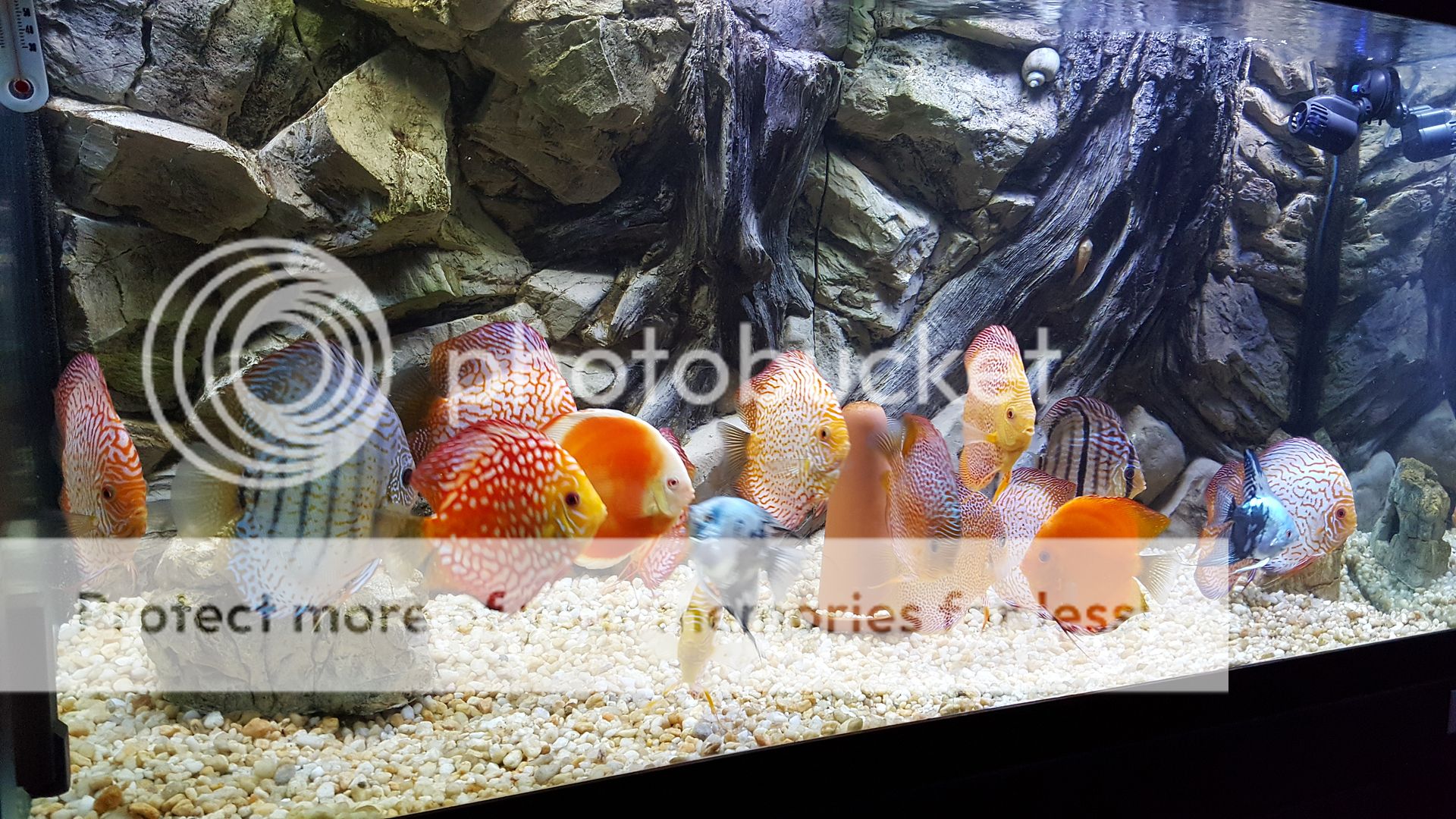
Choose a separate tank for fry to avoid stress from adult fish. Keep water clean and warm.
- Tank size: 20 to 30 gallons
- Temperature: 82°F to 86°F (28°C to 30°C)
- Soft, slightly acidic water with pH 6.0 to 6.5
- Use sponge filters to avoid sucking fry
- Provide gentle water flow and hiding spots
Feeding Young Discus
Fry need frequent feeding with small portions. Feed at least four times daily.
| Food Type | Age Range | Notes |
| Infusoria | 0-2 weeks | Microscopic food for first days |
| Baby brine shrimp | 2-4 weeks | High protein, easy to digest |
| Crushed flakes or pellets | 4+ weeks | Use fine-grind for small mouths |
Preventing Common Diseases
Watch fry daily for signs of disease. Keep water clean and stable to reduce risks.
- Keep ammonia and nitrites at zero
- Change 20% of water twice a week
- Remove uneaten food quickly
- Quarantine new fish before adding
- Use mild treatments if illness appears
Credit: www.capitalcichlids.org
Troubleshooting Common Issues
Setting up an aquarium for discus fish breeding can be tricky. Many new breeders face problems with fish behavior and water conditions.
This guide helps you solve common troubles. Focus on aggression and water quality to keep your fish healthy.
Dealing With Aggression
Discus fish can show aggression, especially during breeding. It is normal but can harm weaker fish.
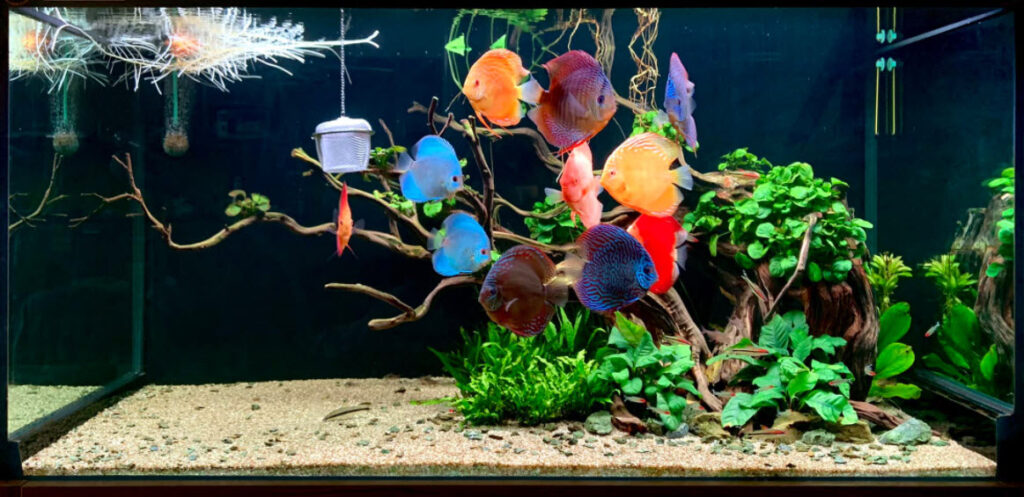
- Provide plenty of hiding spots to reduce stress.
- Keep similar-sized fish together to avoid bullying.
- Separate very aggressive fish into another tank.
- Maintain a calm environment with low noise and light.
- Feed fish regularly to reduce competition.
Handling Water Quality Problems
Water quality is key for breeding discus fish. Poor water harms fish health and breeding success.
| Common Issue | Cause | Solution |
| Cloudy water | Overfeeding or dirty filter | Clean filter and feed less |
| High ammonia | Waste buildup | Do partial water changes |
| Low oxygen | Poor aeration | Add air stones or increase water flow |
| Sudden pH changes | New water or chemicals | Use water conditioner and test water often |
Credit: aquainfo.nl
Frequently Asked Questions
What Tank Size Is Ideal For Discus Fish Breeding?
A 30 to 50-gallon tank is ideal for breeding discus fish. It provides enough space for the pair and their fry to thrive comfortably. Larger tanks help maintain stable water conditions, essential for successful breeding.
How Do I Maintain Water Quality For Discus Breeding?
Keep water temperature between 82-86°F and pH around 6. 0-6. 5. Perform regular water changes and use a quality filtration system. Stable, clean water reduces stress and promotes healthy breeding conditions for discus fish.
What Diet Supports Discus Fish Breeding Success?
Feed discus a varied diet rich in protein, including live or frozen bloodworms, brine shrimp, and high-quality pellets. Proper nutrition enhances fish health and increases the chances of successful spawning and fry development.
How Do I Encourage Discus Fish To Spawn Naturally?
Maintain warm, stable water conditions and provide flat surfaces like broad leaves or breeding cones. Reduce stress by keeping tank mates minimal and feeding nutritious food. Consistent care encourages natural spawning behavior.
Conclusion
Setting up an aquarium for discus fish breeding takes care and patience. Keep water clean and temperature stable. Provide a calm space for the fish to feel safe. Use proper plants and hiding spots to help them relax. Regular feeding with good food supports healthy breeding.
Watch the fish closely to notice any changes. With steady care, discus fish will breed successfully. Enjoy the beauty and wonder of your growing fish family. Small steps make a big difference in their health and happiness.