
Keeping an aquarium can be a rewarding experience, but it also takes careful attention to keep your aquatic species happy and healthy. You might wonder how to create the perfect environment where your fish and plants can thrive.
The secret lies in simple, consistent care that anyone can do. You’ll discover easy steps to maintain your aquarium, avoid common mistakes, and enjoy a beautiful underwater world right in your home. Ready to become the best caretaker your aquatic friends have ever had?
Let’s dive in!
Choosing The Right Aquarium
Choosing the right aquarium is key to keeping aquatic species healthy. The tank should fit the needs of the fish and plants inside.
This guide helps you pick the best aquarium size and equipment for your aquatic pets.
Selecting Suitable Tank Size
The size of the tank affects how much space your fish have to swim. A bigger tank is easier to keep stable and clean.
Think about the number and type of fish before choosing a tank size.
- Small tanks (5-10 gallons) suit few small fish
- Medium tanks (20-40 gallons) fit more fish and plants
- Large tanks (50+ gallons) offer space for bigger species
Picking Quality Equipment
Good equipment helps keep water clean and fish healthy. Choose filters, heaters, and lights that match your tank size.
Reliable equipment saves time and prevents problems with your aquarium.
- Filters remove waste and keep water clear
- Heaters keep water at the right temperature
- Lights support plant growth and fish health
- Thermometers help monitor water conditions

Credit: www.youtube.com
Setting Up The Aquarium
Setting up an aquarium is exciting. It requires careful planning. The right setup keeps aquatic life healthy.
Consider proper placement and lighting. Adding substrate and decorations is also crucial. Let’s explore these steps.
Proper Placement And Lighting
The aquarium’s location affects aquatic health. Choose a quiet spot away from direct sunlight. This prevents algae growth.
- Place the aquarium on a sturdy surface.
- Avoid areas with temperature fluctuations.
- Install a reliable lighting system.
Adding Substrate And Decorations
Substrate and decorations enhance the aquarium’s look. They also provide habitat and comfort for aquatic species.
| Substrate Type | Best for |
| Gravel | General use |
| Sand | Bottom-dwellers |
| Plant soil | Planted tanks |
Water Quality Management
Good water quality is key to keeping fish healthy. Clean water helps fish grow and stay active.
Managing water quality means checking and fixing the water often. This keeps the aquarium safe for all aquatic life.
Testing And Balancing Ph Levels
Test the aquarium water pH regularly using a test kit. Fish need the right pH to survive well.
The ideal pH depends on the fish species. Most freshwater fish prefer pH between 6.5 and 7.5.
- Use a pH test kit once a week.
- Add pH adjusters if levels are too high or low.
- Change water if the pH is unstable.
- Keep the pH steady to reduce fish stress.
Maintaining Temperature And Filtration
Keep the water temperature steady. Different fish need different temperatures to stay healthy.
Use a heater or cooler to control the temperature. Check it daily with a thermometer.
Filtration cleans the water by removing waste and toxins. A good filter helps keep water clear and safe.
- Choose a filter that fits your tank size.
- Clean the filter media regularly, but not all at once.
- Test water often to check filter effectiveness.
- Replace filter parts as needed to maintain good flow.
Feeding Aquatic Species
Feeding aquatic species is a key part of aquarium care. Proper feeding keeps fish healthy and active.
Choosing the right food and feeding at the right times helps maintain a balanced environment.
Choosing The Right Food
Different aquatic species need different types of food. You must know what your fish eat naturally.
- Flake food suits most tropical fish.
- Pellets work well for bottom feeders.
- Live or frozen food is best for carnivores.
- Algae wafers feed herbivores.
- Check ingredients to avoid harmful additives.
Establishing Feeding Schedules
Feeding schedules help avoid overfeeding and keep fish healthy. Most fish eat once or twice a day.
| Time | Recommended Action |
| Morning | Feed a small portion of flakes or pellets. |
| Afternoon | Optional feeding for species that eat twice a day. |
| Evening | Avoid feeding to prevent leftovers overnight. |
Routine Maintenance Tasks
Keeping an aquarium clean is important for fish health. Regular care helps prevent problems.
Doing routine tasks keeps water safe and equipment working well. These tasks are simple.
Cleaning The Tank And Equipment
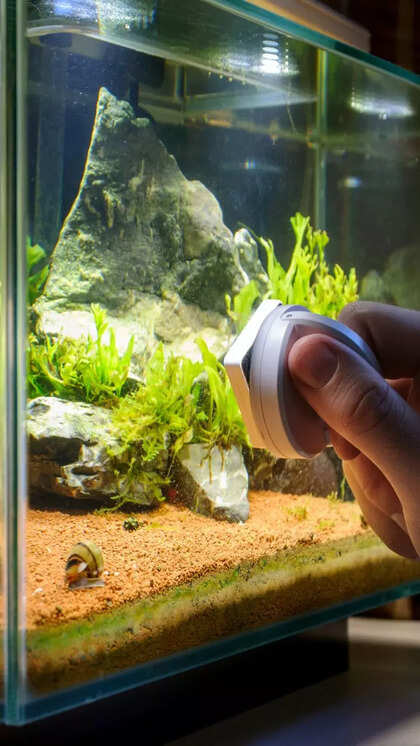
Clean your tank glass to remove algae and dirt. Use a soft cloth or algae scraper.
Rinse filters and other equipment with aquarium water. Avoid using soap or chemicals.
- Remove algae from glass walls
- Clean decorations and plants carefully
- Rinse filters in tank water to keep bacteria
- Check heaters and pumps for dirt
Performing Water Changes
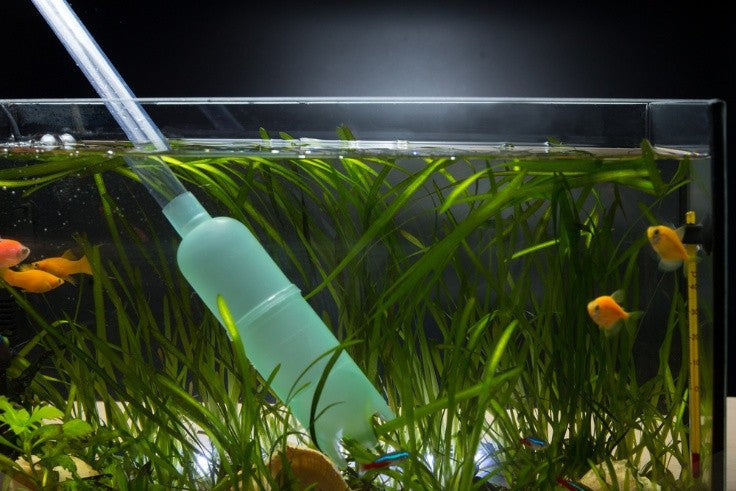
Change part of the aquarium water each week. This removes waste and keeps water fresh.
Use a siphon to remove water and clean the gravel. Refill with treated water at the right temperature.
- Remove 10-20% of water weekly
- Clean gravel while removing water
- Use water conditioner to treat tap water
- Match new water temperature to tank water
Credit: monsteraquariumon9.com
Monitoring Fish Health
Keeping fish healthy is important for a happy aquarium. Watch your fish every day to catch problems early.
Good care means checking fish behavior, appearance, and water quality often. This helps prevent sickness.
Identifying Common Diseases
Fish can get diseases that show in their skin, fins, or eyes. Spot signs early to help your fish heal.
Look for spots, swelling, or unusual swimming. These signs mean your fish needs attention.
- White spots on body or fins
- Red or inflamed areas
- Cloudy eyes
- Clamped fins or frayed edges
- Loss of appetite or hiding
- Rapid breathing or gasping at surface
Preventing Illnesses
Prevent sickness by keeping the tank clean and water balanced. Healthy fish stay strong against disease.
Feed fish a good diet and avoid overcrowding. Quarantine new fish before adding them to the main tank.
- Change water regularly to keep it clean
- Test water for proper pH, ammonia, and nitrate levels
- Feed high-quality food in small amounts
- Keep tank temperature stable
- Quarantine new fish for two weeks
- Remove sick fish quickly to stop spread
Enhancing Aquarium Environment
Maintaining a healthy aquarium helps aquatic species live longer. A good environment keeps fish happy and safe. It also makes the tank look beautiful.
Adding plants and creating natural habitats are key ways to improve the aquarium. These steps support the needs of your aquatic pets.
Adding Live Plants
Live plants provide oxygen and help clean the water. They offer hiding spots and reduce stress for fish. Choose plants that fit your tank size and light conditions.
- Java Fern: Easy to care for and grows well in low light.
- Anubias: Strong leaves, good for beginners.
- Amazon Sword: Large leaves, needs moderate light.
- Cryptocoryne: Slow-growing, adds variety to your tank.
Creating Natural Habitats
Building natural habitats helps fish feel safe and behave naturally. Use rocks, driftwood, and gravel to mimic their wild homes. These elements also add visual interest.
| Material | Purpose | Tip |
| Rocks | Hideouts and boundaries | Use smooth edges to avoid injury |
| Driftwood | Resting spots and natural look | Soak before adding to tank |
| Gravel | Substrate for plants and fish | Choose size that suits fish species |
Troubleshooting Common Issues
Keeping an aquarium healthy can be tricky. Sometimes problems like algae or cloudy water appear.
These issues can harm your aquatic species if not fixed quickly. Learn how to handle them well.
Dealing With Algae Growth
Algae often grow when there is too much light or nutrients in the tank. It can cover glass and plants.
Remove algae by cleaning the tank and reducing light. Avoid overfeeding fish to limit extra nutrients.
- Use an algae scraper to clean tank walls
- Cut back on aquarium light to 6-8 hours daily
- Feed fish only what they can eat in a few minutes
- Change 10-20% of the water weekly
- Add algae-eating fish or snails if suitable
Managing Water Cloudiness
Cloudy water can be caused by waste, bacteria, or poor filtration. It makes the tank look dirty.
Fix cloudy water by cleaning the filter and doing partial water changes. Avoid overfeeding fish.
- Check and clean the filter regularly
- Do 20-30% water changes every week
- Remove uneaten food and waste from the tank
- Use a water testing kit to check water quality
- Keep fish numbers suitable for tank size
Credit: timesofindia.indiatimes.com
Frequently Asked Questions
How Often Should I Clean My Aquarium?
Clean your aquarium every 1-2 weeks to maintain water quality. Remove algae, debris, and replace 10-20% of the water. Regular cleaning prevents harmful toxin buildup and keeps aquatic species healthy.
What Is The Ideal Water Temperature For Aquariums?
Most tropical fish thrive in 74-80°F (23-27°C). Always research specific species needs. Use a reliable heater and thermometer to maintain consistent temperature.
How Do I Test Aquarium Water Quality?
Use aquarium test kits to check pH, ammonia, nitrite, and nitrate levels weekly. Proper water quality ensures a safe environment for aquatic species and helps prevent diseases.
What Type Of Filtration Is Best For Aquariums?
Choose a filter that suits tank size and fish species. Mechanical, biological, and chemical filtration together ensure clean, healthy water by removing waste and toxins efficiently.
Conclusion
Maintaining an aquarium takes regular care and attention. Clean water keeps fish healthy and happy. Check filters and remove waste often. Feed your aquatic species the right food. Watch for signs of illness or stress. Keep the tank environment stable and safe.
Small efforts every day make a big difference. Enjoy the beauty and calm of your aquarium. With patience, your aquatic pets will thrive well. Simple steps lead to a healthy underwater world.