
Are you thinking about starting a saltwater aquarium but don’t know which fish to choose? Saltwater species can seem tricky at first, but with the right guide, you’ll find it easier than you think.
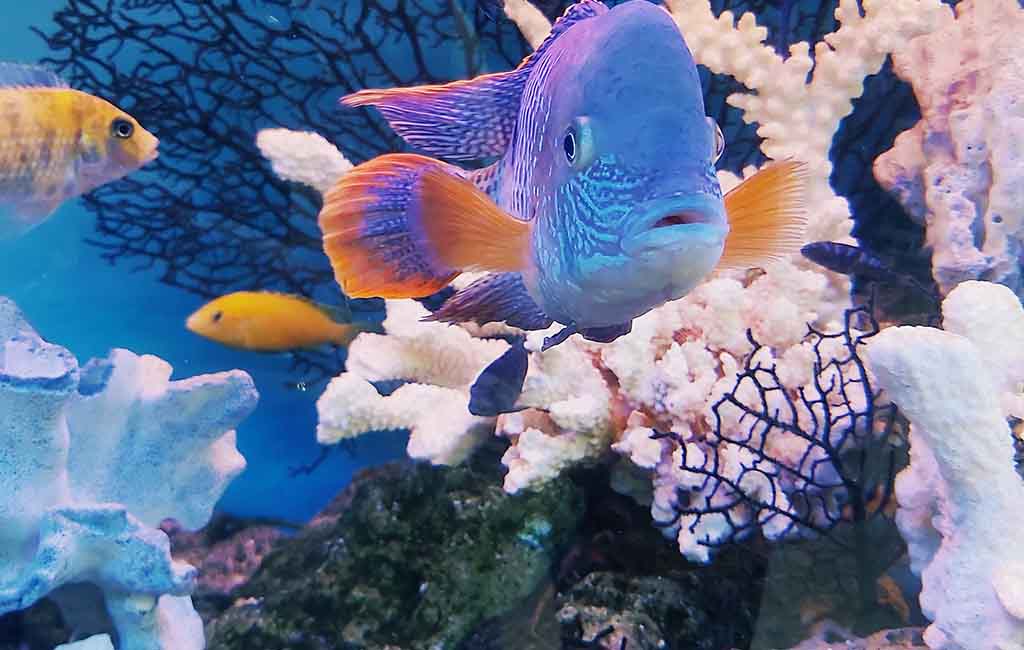
This guide will help you pick the best beginner-friendly saltwater fish, so your aquarium thrives and looks stunning. Keep reading, and you’ll discover simple tips to create a beautiful underwater world right in your home. Your perfect saltwater tank is closer than you imagine!
Credit: www.hygger-online.com
Choosing Your First Saltwater Fish
Starting a saltwater aquarium is exciting. Picking the right fish helps you enjoy the hobby more.
Some fish are easier to care for than others. This guide helps you find beginner-friendly species.
Traits Of Beginner-friendly Species
Beginner fish are hardy and adapt well to new tanks. They eat simple food and resist common diseases.
Look for fish that are peaceful and easy to care for. They should tolerate changes in water conditions.
- Hardy and disease-resistant
- Easy to feed
- Peaceful behavior
- Tolerant to water changes
Compatibility With Other Fish
Some fish get along well with others. Choose fish that fit your tank’s community without fighting.
Avoid aggressive species if you want a peaceful aquarium. Check if your fish can live with others.
- Peaceful fish mix well together
- Aggressive fish can harm others
- Research fish behavior before buying
- Consider similar water needs
Size And Growth Considerations
Know how big your fish will grow. Some start small but get too large for beginner tanks.
Choose fish that stay small or medium size. This helps you plan tank space and care better.
| Fish Type | Adult Size | Tank Size Needed |
|---|---|---|
| Clownfish | 4 inches | 20 gallons |
| Damselfish | 3 inches | 20 gallons |
| Gobies | 2-4 inches | 15 gallons |
| Angelfish (small species) | 6 inches | 30 gallons |
Credit: www.hygger-online.com
Popular Easy Saltwater Fish
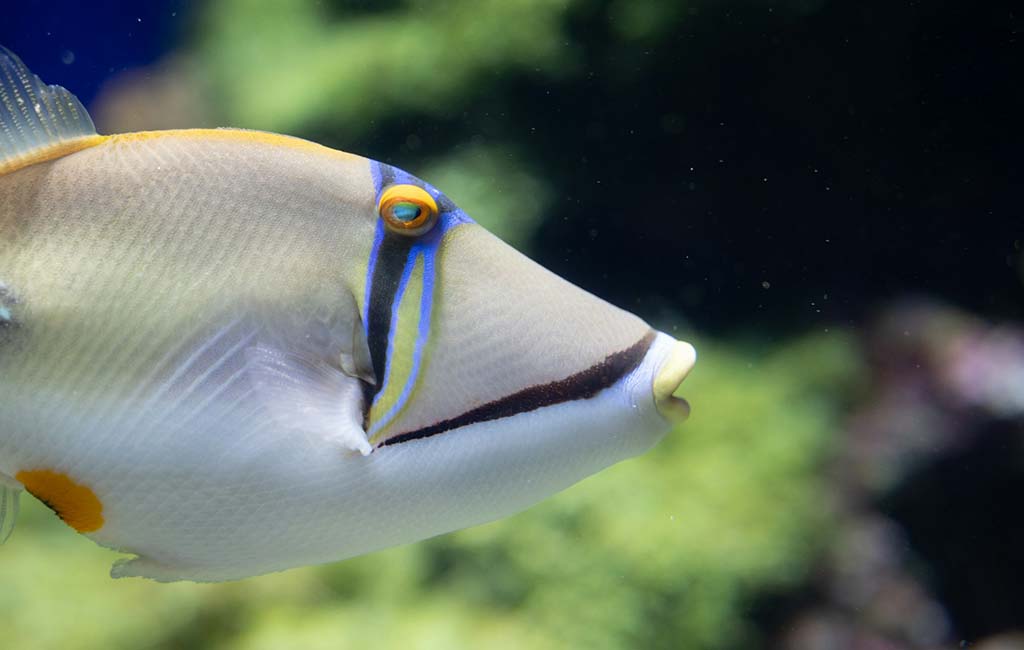
Starting a saltwater aquarium is fun and rewarding. Some fish are easier to care for than others. Here are popular and easy saltwater species for beginners.
These fish are colorful and hardy, making them perfect for new aquarists. Let’s explore some favorites.
Clownfish
Clownfish are famous for their bright colors and playful nature. They are very hardy and easy to care for, making them ideal for beginners.
- Known for their association with sea anemones
- Can live in small tanks
- Peaceful and social with other fish
Damselfish
Damselfish are small and vibrant, often displaying bright blues and yellows. They are resilient and adapt well to different tank conditions.
| Species | Color |
| Blue Damselfish | Bright Blue |
| Yellowtail Damselfish | Yellow and Blue |
Gobies
Gobies are small and bottom-dwelling fish that help keep the tank clean. They are peaceful and can live with many other species.
Blennies
Blennies are known for their unique personalities and interesting behaviors. They often perch on rocks and have comical expressions.
These fish are great algae eaters, helping maintain a clean tank environment. They are generally peaceful but can be territorial.
Colorful Invertebrates For Beginners
Saltwater aquariums come alive with colorful invertebrates. These creatures add beauty and interest to your tank. They also help keep the environment clean.
Choosing the right invertebrates is key for beginners. Some species are easy to care for and very colorful. Let’s explore three popular options.
Hermit Crabs
Hermit crabs are small and active scavengers. They use empty shells to protect their soft bodies. These crabs help clean leftover food and algae in the tank.
- Choose species like the blue-legged or scarlet hermit crab.
- Provide plenty of empty shells for them to move into.
- Feed them algae wafers or small bits of fish food.
- Keep water conditions stable with good salinity.
Snails
Snails are peaceful and colorful tank cleaners. They eat algae and detritus from glass and rocks. Many types have bright shells that add color to your aquarium.
| Snail Species | Color | Care Tips |
| Nerite Snail | Striped or spotted | Needs low copper levels |
| Turbot Snail | Brown with patterns | Good algae eater |
| Astrea Snail | Spotted shell | Likes rocks and coral |
Cleaner Shrimp
Cleaner shrimp are bright and helpful. They pick parasites and dead skin off fish. This makes them popular in beginner saltwater tanks.
- Keep the water temperature between 72-78°F (22-26°C).
- Feed small pieces of fish or shrimp food twice a week.
- Provide hiding spots like live rock.
- Avoid aggressive fish that may harm them.
Setting Up A Beginner Saltwater Tank
Starting a saltwater aquarium can be fun and rewarding. It needs careful planning and the right tools.
This guide helps beginners set up a tank with healthy saltwater species.
Tank Size And Equipment
Choose a tank size that fits your space and budget. Bigger tanks are more stable for fish.
You will need basic equipment to keep the tank safe and healthy for saltwater life.
- Tank: 20 gallons or larger is best for beginners
- Heater: Keeps water temperature stable
- Powerhead: Circulates water for oxygen
- Hydrometer: Measures salt levels in water
- Substrate: Sand or crushed coral for the bottom
Water Quality Basics
Good water quality is key to a healthy saltwater aquarium. Test water often to keep it right.
Saltwater fish need clean water with correct salt, pH, and temperature levels.
- Salinity: Keep it between 1.020 and 1.025 specific gravity
- pH level: Aim for 8.1 to 8.4 for saltwater tanks
- Temperature: Keep water between 75°F and 82°F
- Ammonia and nitrite: Should always be zero
- Nitrate: Keep below 20 ppm for safety
Lighting And Filtration
Lighting affects fish and plant health. Use proper lights for saltwater tanks.
Filtration removes waste and keeps water clear and safe.
- Lighting: Use LED lights made for saltwater aquariums
- Filter types: Use mechanical, chemical, and biological filters
- Protein skimmer: Removes organic waste from water
- Regular water changes: Help keep water quality high
Feeding And Care Tips
Keeping saltwater species healthy needs the right feeding and care. You must learn what they eat and how to care for their tank.
This guide covers the diet, feeding times, and tank care for beginners with saltwater aquariums.
Dietary Needs Of Saltwater Species
Saltwater fish and invertebrates need various foods. Some eat algae, others eat meat or plankton. Feeding them the right diet keeps them strong.
- Herbivores need plant-based foods like algae sheets or spirulina.
- Carnivores eat frozen or live shrimp, fish, or plankton.
- Omnivores require a mix of both plant and animal foods.
- Some species need special supplements like vitamins or minerals.
Feeding Schedules
Consistent feeding schedules help fish stay healthy. Overfeeding can pollute the tank. Underfeeding causes poor health.
- Feed small amounts two to three times a day.
- Observe fish during feeding to ensure they eat well.
- Adjust food type and quantity as fish grow or change.
- Remove uneaten food after 5 minutes to keep water clean.
Maintaining Healthy Conditions
Good water quality is key to care. Saltwater species need stable temperature and clean water.
| Care Aspect | Recommended Range | Notes |
|---|---|---|
| Temperature | 74°F – 78°F (23°C – 26°C) | Use a reliable heater and thermometer |
| Salinity | 1.020 – 1.025 specific gravity | Test weekly with a hydrometer |
| pH Level | 8.1 – 8.4 | Check regularly to avoid stress |
| Ammonia | 0 ppm | Zero tolerance for ammonia |
| Nitrite | 0 ppm | Should always be zero |
| Nitrate | Below 20 ppm | Keep low with regular water changes |

Credit: reefcoaquariums.com
Common Challenges And Solutions
Starting a saltwater aquarium can be fun but also tricky. Many beginners face common problems that can harm their fish and plants.
Knowing these problems and how to fix them helps keep your aquarium healthy and beautiful.
Dealing With Algae
Algae can grow fast and cover your tank surfaces. It makes your tank look dirty and may harm fish and plants.
Control algae by limiting light and feeding fish the right amount. Too much light or food helps algae grow.
- Use a timer for aquarium lights, about 8-10 hours daily
- Feed fish only what they eat in a few minutes
- Add algae-eating fish or snails suitable for saltwater tanks
- Clean the tank glass and decorations regularly
Preventing Diseases
Diseases can spread fast in saltwater tanks. New fish can bring germs that harm your aquarium.
Keep your tank clean and watch fish for signs of illness like spots or strange swimming.
- Quarantine new fish for two weeks before adding to main tank
- Perform regular water changes to keep water quality high
- Use a good filter to remove waste and toxins
- Keep water temperature stable and suitable for your fish
Handling Aggressive Behavior
Some saltwater fish act aggressive and can hurt others. This stress can cause injury or illness.
Choose fish carefully and provide hiding places to reduce fights and stress.
- Research fish species before buying to know their temperament
- Add rocks and plants to create hiding spots
- Keep only one aggressive fish per tank if needed
- Feed fish well to reduce competition for food
Frequently Asked Questions
What Are The Best Saltwater Species For Beginners?
Clownfish, damselfish, and gobies are ideal for beginners. They are hardy, easy to care for, and adapt well to aquarium life. These species tolerate a range of water conditions, making them perfect for new saltwater aquarium owners.
How To Maintain Water Quality In Saltwater Aquariums?
Regular water testing and partial water changes keep saltwater tanks healthy. Use a good filtration system and avoid overfeeding. Monitoring salinity, temperature, and pH ensures optimal conditions for saltwater species to thrive.
What Size Aquarium Suits Beginner Saltwater Fish?
A 20 to 30-gallon tank is best for beginners. It provides stable water parameters and enough space for small saltwater species. Larger tanks are harder to maintain but offer more room for diverse fish and corals.
Can Beginner Saltwater Species Live With Corals?
Yes, many beginner saltwater fish coexist well with hardy corals. Clownfish and gobies often live peacefully among corals. Choose compatible species and avoid aggressive fish to maintain a balanced reef environment.
Conclusion
Choosing the right saltwater species makes your aquarium thrive. Start with easy fish and learn their needs. Clean water and proper food keep them healthy. Watch your fish daily to spot any problems early. Enjoy the colors and life your tank brings.
Patience and care help you create a beautiful underwater world. Keep exploring and learning for a happy, thriving aquarium.