
Are you ready to bring a slice of nature into your home but worried about space? Small aquariums can be just as vibrant and exciting as larger tanks—if you choose the right freshwater species.
Imagine watching colorful fish dart around, plants sway gently, and tiny creatures thriving all within your cozy setup. You’ll discover which freshwater species are perfect for small aquariums, easy to care for, and sure to make your tank a lively, beautiful centerpiece.
Keep reading to find out how to create your own underwater paradise with just a little space and the right choices.
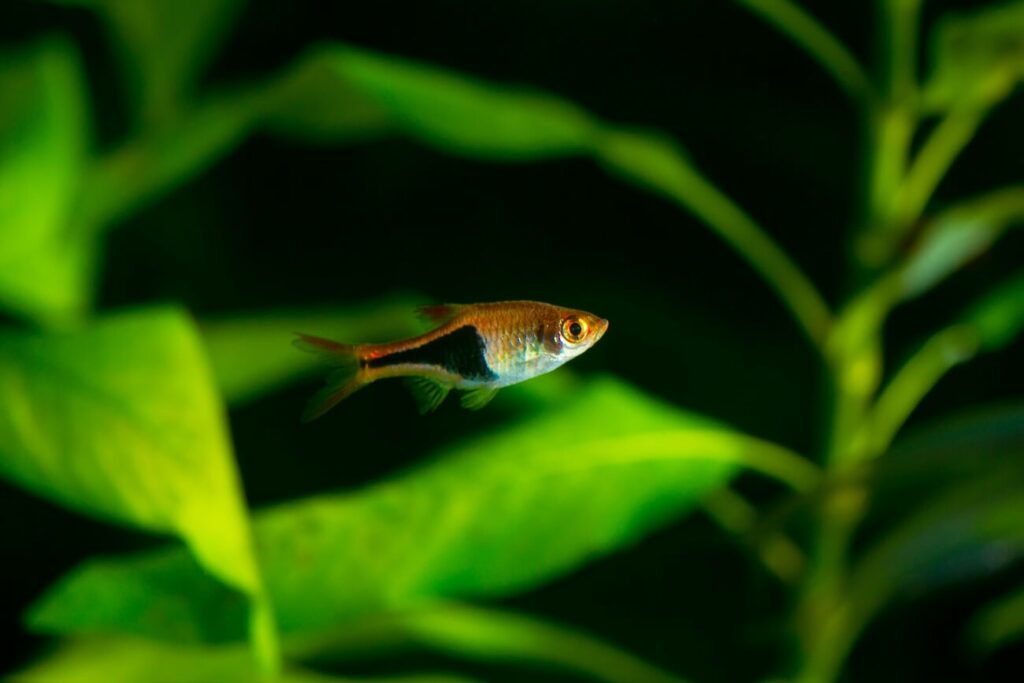
Credit: www.aquariumsource.com
Choosing The Right Species
Selecting the right freshwater species is key for a small aquarium’s success. The wrong choice can lead to stress and poor health for your fish.
Focus on species that adapt well to limited space and fit your tank’s conditions. This guide covers the main points to consider.
Factors For Small Aquariums
Small aquariums need species that stay small and have low activity levels. Avoid fish that grow too large or need lots of space to swim.
- Choose species under 2 inches in length
- Pick calm fish that do not require much swimming room
- Avoid aggressive or territorial species
- Consider slow-growing species to reduce tank maintenance
Compatibility Considerations
Species must live peacefully together to avoid stress and injury. Some fish can be aggressive even in small tanks.
| Species | Temperament | Compatibility Notes |
| Neon Tetra | Peaceful | Best in groups of 6 or more |
| Betta | Aggressive | Keep alone or with very calm species |
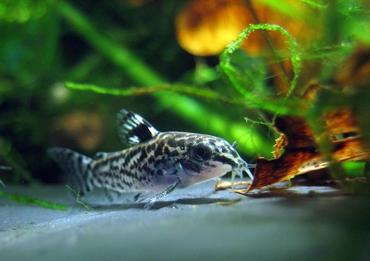
| Corydoras Catfish | Peaceful | Good bottom dwellers, do well in groups |
| Guppy | Peaceful | Easy to keep but can breed rapidly |
Water Parameters And Environment
Each species needs specific water conditions to thrive. Check the temperature, pH, and hardness your fish prefer.
- Know the ideal temperature range for your species
- Match pH levels to species requirements (acidic, neutral, or alkaline)
- Consider water hardness for sensitive species
- Provide proper hiding spots and plants for comfort
Credit: www.ratemyfishtank.com
Top Freshwater Fish
Small aquariums need fish that stay healthy in limited space. Freshwater species are great choices for beginners and experts alike.
These fish have bright colors and lively behavior. They bring life and beauty to any small tank.
Betta Fish
Betta fish, also called Siamese fighting fish, have bright colors and long fins. They can live alone and need only a small tank.
They eat flakes, pellets, and live food. Bettas like warm water and plants in their aquarium.
Neon Tetras
Neon tetras are small, peaceful fish with a shiny blue stripe. They live in groups and need a tank with at least six fish.
- Keep water temperature between 70°F and 81°F
- Provide plenty of plants and hiding spots
- Feed them small flakes or frozen food
- Maintain clean water for their health
Guppies
Guppies are colorful and easy to care for. They are livebearers, which means they give birth to free-swimming young.
| Care Aspect | Details |
| Tank Size | Minimum 5 gallons |
| Water Temperature | 72°F to 82°F |
| Diet | Flakes, frozen, live food |
| Behavior | Peaceful, good in groups |
Endler’s Livebearers
Endler’s livebearers are small and colorful fish. They are similar to guppies but stay smaller and need less space.
Here are some tips for keeping Endler’s livebearers:
- Use a tank of at least 5 gallons
- Keep water temperature around 75°F to 82°F
- Feed a mix of flakes and live food
- Provide plants for hiding and breeding
Popular Freshwater Invertebrates
Small freshwater aquariums can be home to many interesting invertebrates. These creatures add life and color to your tank.
Invertebrates like shrimp and snails are easy to care for and help keep the tank clean. They are perfect for beginners.
Cherry Shrimp
Cherry shrimp are small and bright red. They are popular because they are active and easy to care for.
They eat algae and leftover food. This helps keep the aquarium clean and healthy.
- Size: About 1 inch long
- Temperature range: 65-80°F (18-27°C)
- Diet: Algae, biofilm, and shrimp pellets
- Behavior: Peaceful and social
Nerite Snails
Nerite snails have unique patterned shells. They are great algae eaters and do not reproduce in freshwater.
They help keep tank glass and decorations clean without harming plants or fish.
- Size: Around 1 inch in diameter
- Temperature range: 72-78°F (22-26°C)
- Diet: Algae and biofilm
- Behavior: Peaceful and slow-moving
Ghost Shrimp
Ghost shrimp are transparent and small. They are scavengers that eat leftover food and algae.
These shrimp are active and help clean the tank naturally. They are good for community tanks.
- Size: About 1.5 inches long
- Temperature range: 65-82°F (18-28°C)
- Diet: Algae, leftover food, and detritus
- Behavior: Peaceful and active

Credit: theplecofeeder.com
Small Freshwater Plants
Small freshwater plants are perfect for tiny aquariums. They add beauty and help keep the water clean.
These plants need little space and are easy to care for. They create a natural environment for fish and other species.
Java Moss
Java Moss is a popular plant for small aquariums. It grows well on rocks and driftwood. It provides hiding spots for small fish and shrimp.
- Low light requirements
- Easy to grow
- Helps reduce algae
- Can be shaped into mats or walls
Anubias Nana
Anubias Nana is a slow-growing plant with thick leaves. It does well in low light and needs minimal care. Its roots attach to rocks or wood.
| Feature | Description |
| Size | Small, up to 5 inches |
| Light | Low to medium |
| Growth Rate | Slow |
| Care Level | Easy |
Marimo Moss Balls
Marimo Moss Balls are round green algae that grow slowly. They are easy to keep and add a unique look to aquariums.
Marimo Moss Balls care tips:
- Keep them in cool water below 75°F.
- Turn them gently every week to keep shape.
- Change water regularly to avoid bad smells.
Care Tips For Small Aquariums
Small aquariums can be a delightful addition to any home. They require specific care to keep the fish healthy and happy. Here are some tips to maintain your small freshwater aquarium.
Maintaining Water Quality
Water quality is crucial for the health of your fish. Regularly checking and maintaining the water parameters will ensure a safe environment.
- Test water pH weekly
- Change 20% of the water every week
- Use a reliable water filter
Feeding Practices
Feeding your fish the right amount is important. Overfeeding can harm the water quality and fish health.
- Feed small portions once or twice a day
- Remove uneaten food after 5 minutes
- Use high-quality fish food
Tank Cleaning And Maintenance
Regular cleaning keeps the tank environment healthy for your fish. It also helps in maintaining clear water.
- Clean the tank glass weekly
- Rinse decorations monthly
- Vacuum the substrate regularly
Frequently Asked Questions
What Freshwater Species Are Best For Small Aquariums?
Popular freshwater species for small tanks include bettas, neon tetras, guppies, and dwarf shrimp. These species are small, colorful, and adapt well to limited space, making them ideal for beginners and experienced hobbyists alike.
How Do I Maintain Water Quality In Small Aquariums?
Regular water changes, proper filtration, and monitoring parameters like pH and ammonia keep water quality stable. Avoid overfeeding and overcrowding to reduce waste buildup and ensure a healthy environment for freshwater species.
Can Small Aquariums Support Multiple Freshwater Species?
Yes, but choose compatible species to avoid aggression and stress. Ensure the tank size suits all inhabitants and provides enough hiding spots and swimming space.
What Diet Is Suitable For Small Freshwater Aquarium Species?
Feed small freshwater species a balanced diet including flakes, pellets, and live or frozen foods. Adjust feeding amounts to prevent overfeeding and maintain water quality.
Conclusion
Small aquariums can host many beautiful freshwater species. These fish and plants bring life to limited spaces. They need proper care and clean water to stay healthy. Choosing the right species helps your tank thrive. Enjoy watching your small underwater world grow and change.
Every tiny fish adds joy and color. Start with simple choices and learn as you go. A small tank can still be a big source of happiness.