
Setting up an aquarium for freshwater community species can be an exciting and rewarding experience. If you want a vibrant tank where different fish live happily together, this guide is for you.
You’ll learn how to create a balanced environment that keeps your fish healthy and colorful. Imagine watching your aquarium come alive with activity, each species adding its own charm. Ready to transform your space into a lively underwater world? Let’s dive into the essential steps to make your freshwater community aquarium thrive.
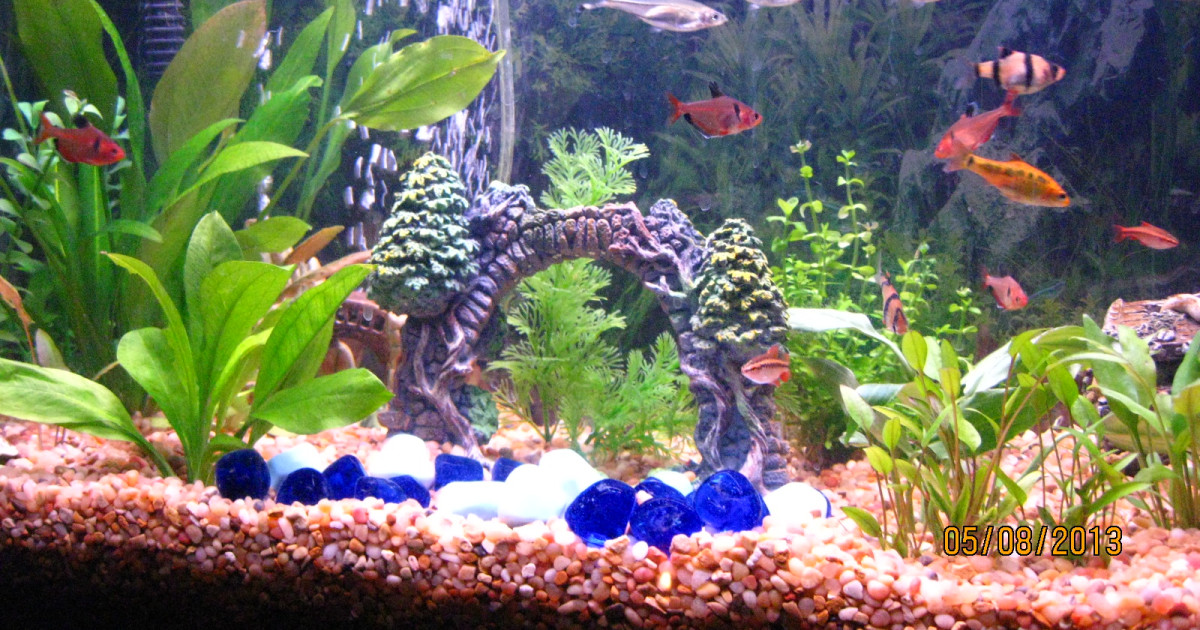
Credit: pethelpful.com
Choosing The Right Tank
Setting up an aquarium for freshwater community fish starts with picking the right tank. The tank size, material, and location affect the health of your fish and plants.
Choosing wisely helps create a safe and comfortable environment for your aquatic pets.
Tank Size And Shape
Size matters a lot in freshwater tanks. A larger tank offers more stable water conditions and space for fish to swim. The shape also affects how you set up decorations and filters.
- Choose a tank size based on the number and size of fish you want.
- Long tanks provide more swimming space for active species.
- Tall tanks are good for species that like vertical space.
- Keep in mind that larger tanks need more maintenance.
Material Options
Most freshwater tanks are made from glass or acrylic. Each material has its pros and cons you should consider.
| Material | Advantages | Disadvantages |
| Glass | Scratch resistant, clear view, affordable | Heavier, can break if dropped |
| Acrylic | Lighter, impact resistant, better insulation | Scratches easily, more expensive |
Location Considerations
Where you place your tank affects fish health and tank maintenance. Avoid spots with direct sunlight or drafts.
- Place the tank on a sturdy, level surface.
- Keep it away from windows to prevent algae growth.
- Choose a location near power outlets for equipment.
- Ensure the area is quiet and stable in temperature.

Credit: www.aqqapet.com
Selecting Suitable Freshwater Species
Setting up an aquarium for freshwater community species is exciting. Choosing the right fish is important for a peaceful tank.
You want species that live well together. They should have similar needs and behaviors.
Compatible Community Fish
Some fish species live happily with others. They do not fight and enjoy swimming in groups.
- Neon Tetras
- Guppies
- Platies
- Corydoras Catfish
Schooling And Territorial Behaviors
Schooling fish love to swim in groups. This makes them feel safe. Territorial fish may guard their space and can be more aggressive.
Understanding these behaviors helps you choose fish that will not stress each other out.
Invertebrates And Plants
Invertebrates like snails and shrimp add interest to your aquarium. They also help keep the tank clean.
Plants provide oxygen and shelter for the fish. They make the aquarium look more natural.
- Java Moss
- Anubias
- Mystery Snails
- Amano Shrimp
Water Quality Essentials
Setting up an aquarium for freshwater community fish needs clean and stable water. Good water quality keeps fish healthy and active. Understanding the basics helps maintain the right environment.
This guide covers key points about filtration, water parameters, and regular care to keep your tank safe for all species.
Filtration Systems
Filtration removes waste and toxins from aquarium water. It helps keep the water clear and safe for fish. Choose a filter that fits your tank size and fish load.
- Mechanical filters catch solid debris
- Biological filters grow helpful bacteria
- Chemical filters remove odors and chemicals
Water Parameters
Water parameters affect fish health. Keep temperature, pH, and hardness within safe ranges. Freshwater community fish usually prefer mild and stable conditions.
| Parameter | Ideal Range | Notes |
| Temperature | 72-78°F (22-26°C) | Use a heater to keep stable |
| pH | 6.5-7.5 | Slightly acidic to neutral |
| Hardness | 4-12 dGH | Moderate water hardness |
| Ammonia | 0 ppm | Toxic to fish |
| Nitrite | 0 ppm | Harmful even in low amounts |
| Nitrate | < 20 ppm | Keep low with water changes |
Regular Testing And Maintenance
Testing water regularly prevents problems. Use test kits to check key parameters. Clean the filter and change water to keep the tank healthy.
- Test water weekly with reliable kits
- Change 10-20% of water every week
- Rinse filter media in tank water monthly
- Remove excess algae and debris
- Watch fish for signs of stress or illness
Setting Up The Aquarium Environment
Setting up a freshwater community aquarium needs careful planning. You want to create a safe and healthy home for your fish.
This guide covers the main parts: substrate, aquascaping, lighting, and temperature control.
Substrate Choices
Choose a substrate that supports your fish and plants well. It should be clean and safe to avoid harming the fish.
Sand and gravel are common choices. Sand is soft and good for bottom dwellers. Gravel allows water flow and helps plant roots.
- Sand is soft, ideal for fish that like digging
- Gravel supports plant roots and water circulation
- Avoid sharp or large pieces that may hurt fish
- Rinse substrate before adding to the tank
Aquascaping Tips
Aquascaping means arranging plants, rocks, and decorations inside the tank. It creates a natural look and hides fish stress spots.
Use smooth rocks and driftwood. Add live plants for oxygen and hiding places. Leave open swimming areas for fish movement.
- Place tall plants at the back and sides
- Use rocks and wood to create caves
- Keep space for swimming in the middle
- Clean decorations regularly to avoid algae
Lighting And Temperature Control
Freshwater fish need proper light and stable temperature. Light helps plants grow and shows fish colors.
Keep the temperature between 72°F and 78°F for most community fish. Use a heater and thermometer to maintain it.
- Use LED lights for energy efficiency
- Provide 8-10 hours of light daily
- Avoid direct sunlight to stop algae growth
- Check temperature daily for stability
Cycling The Tank
Cycling your aquarium tank is a key step before adding fish. It creates a safe environment for freshwater community species.
This process builds up good bacteria that clean harmful waste from the water.
Nitrogen Cycle Basics
The nitrogen cycle removes toxic ammonia produced by fish and waste. Good bacteria first change ammonia into nitrites, which are also harmful. Then, another group of bacteria turns nitrites into nitrates, which are less toxic.
- Ammonia comes from fish waste and food leftovers.
- Nitrosomonas bacteria convert ammonia to nitrite.
- Nitrobacter bacteria change nitrite to nitrate.
- Nitrate is removed by water changes or plants.
Methods To Cycle Quickly
You can speed up cycling to protect your fish. Adding bacteria starter products helps. Another way is using filter media from an established tank.
- Add a source of ammonia, like fish food or pure ammonia.
- Use bacteria supplements to boost colony growth.
- Transfer filter material from a healthy, cycled tank.
- Keep water warm and oxygen-rich to help bacteria grow.
- Test water regularly to track the cycle progress.
Monitoring Cycle Progress
| Parameter | Safe Level | Notes |
|---|---|---|
| Ammonia (NH3) | 0 ppm | Should spike then drop to zero |
| Nitrite (NO2) | 0 ppm | Peaks after ammonia, then falls |
| Nitrate (NO3) | < 20 ppm | Rises last, removed by water changes |
Use aquarium test kits to measure these chemicals. Cycling is complete when ammonia and nitrite stay at zero and nitrate is low.

Credit: www.aqqapet.com
Introducing Fish And Species Care
Setting up a freshwater community aquarium takes care and attention. Each fish species needs a proper environment to thrive.
Understanding how to introduce fish and care for them helps keep the tank healthy and lively.
Acclimation Techniques
Acclimation helps fish adjust to new water conditions. This reduces stress and prevents illness.
- Float the sealed bag in the tank for 15 minutes to match temperature.
- Slowly add small amounts of tank water to the bag every 5 minutes.
- After 30 minutes, gently release the fish into the tank.
Feeding Practices
Feeding fish correctly keeps them healthy and active. Overfeeding causes water problems.
| Feed Type | Frequency | Notes |
| Flake Food | Once or twice daily | Good for most community fish |
| Frozen or Live Food | 2-3 times per week | Boosts nutrition and color |
| Vegetables | Weekly | Some fish need plant matter |
Health Monitoring
Watch fish daily for signs of illness. Early detection helps with quick care.
- Check for unusual spots or discoloration
- Look for changes in swimming behavior
- Remove sick fish to a quarantine tank
- Keep water clean with regular testing
Maintaining A Healthy Community Tank
Keeping a freshwater community aquarium healthy takes regular care. Good habits help fish live longer and stay happy.
Clean water and proper tank conditions reduce stress and prevent diseases. This guide covers key care steps.
Routine Cleaning
Cleaning your tank often helps keep water safe for fish. Dirt and waste can harm fish if not removed.
Change 10-20% of the water weekly. Use a gravel vacuum to clean the tank bottom. Clean the filter every month.
- Remove uneaten food daily
- Check water temperature and pH
- Clean decorations carefully
- Use a soft cloth to wipe glass
Managing Algae
Algae can grow fast and cover your tank glass. It makes the tank look dirty and can harm plants.
Control algae by limiting light and feeding fish the right amount. Adding algae eaters can help too.
- Turn off aquarium light 8-10 hours daily
- Feed fish only what they eat in 2 minutes
- Add snails or shrimp that eat algae
- Clean algae off glass weekly
Preventing Common Diseases
Healthy fish resist diseases better. Watch fish daily for signs like spots or odd swimming.
Keep new fish separate for two weeks to avoid spreading illness. Keep water clean and stable.
- Quarantine new fish before adding to tank
- Keep water temperature steady
- Use a good filter and clean it regularly
- Remove sick fish quickly to prevent spread
Troubleshooting Common Issues
Setting up a freshwater community aquarium can be fun and rewarding. But sometimes problems happen. Knowing how to fix common issues helps keep fish healthy and happy.
This guide covers cloudy water, fish aggression, and equipment failures. Each section gives clear tips to solve these problems fast.
Cloudy Water Solutions
Cloudy water often means the tank’s balance is off. Causes include overfeeding, dirty filters, or new tank cycling. Fixing these helps clear the water quickly.
- Check and clean the filter regularly.
- Feed fish only what they can eat in two minutes.
- Do partial water changes of 20% weekly.
- Avoid adding too many fish at once.
- Let the tank cycle fully before adding fish.
Aggression Management
Aggression can stress fish and hurt tank harmony. It usually happens because of territory, overcrowding, or wrong species mix. Use the tips below to reduce fights.
| Cause | Solution |
| Territorial behavior | Add hiding spots and plants |
| Overcrowding | Reduce fish numbers |
| Wrong species | Choose peaceful fish types |
| Breeding season | Separate aggressive fish temporarily |
Equipment Failures
Equipment problems can harm fish quickly. Pumps, heaters, and lights must work well. Regular checks help catch failures early.
- Water temperature changes suddenly
- Filter noise or no water flow
- Lights flicker or do not turn on
- Unusual fish behavior like gasping
Check all devices weekly. Replace or repair any broken parts fast to keep the tank safe.
Frequently Asked Questions
What Are The Best Freshwater Community Fish Species?
Best species include tetras, guppies, corydoras, and danios. These fish are peaceful, colorful, and compatible in community tanks.
How Do I Cycle A Freshwater Community Aquarium?
Cycle your tank by establishing beneficial bacteria. Use fishless cycling with ammonia for 4-6 weeks before adding fish.
What Tank Size Suits Freshwater Community Setups?
A minimum of 20 gallons is ideal for small communities. Larger tanks provide stable water conditions and more swimming space.
How Often Should I Perform Water Changes In Community Tanks?
Change 20-30% of water weekly to maintain quality. Regular water changes reduce toxins and keep fish healthy.
Conclusion
Setting up a freshwater community aquarium takes care and patience. Choose fish that live well together. Keep the water clean and at the right temperature. Add plants and decorations for shelter and beauty. Watch your fish daily for signs of health.
Enjoy the peaceful world you create at home. A happy tank means happy fish. Start small and learn as you go. This hobby brings calm and joy to many. Your effort makes a lively, balanced underwater world.