
Are you looking to keep your aquarium sparkling clean without extra effort? Introducing cleaning fish species to your tank might be the perfect solution.
These special fish don’t just add beauty—they work hard to keep algae and waste under control. Imagine a vibrant, healthy aquarium where your fish live happily, and you spend less time scrubbing. Curious how these natural cleaners can transform your tank?
Keep reading to discover the best cleaning fish species and how they can make your aquarium care easier and more enjoyable.
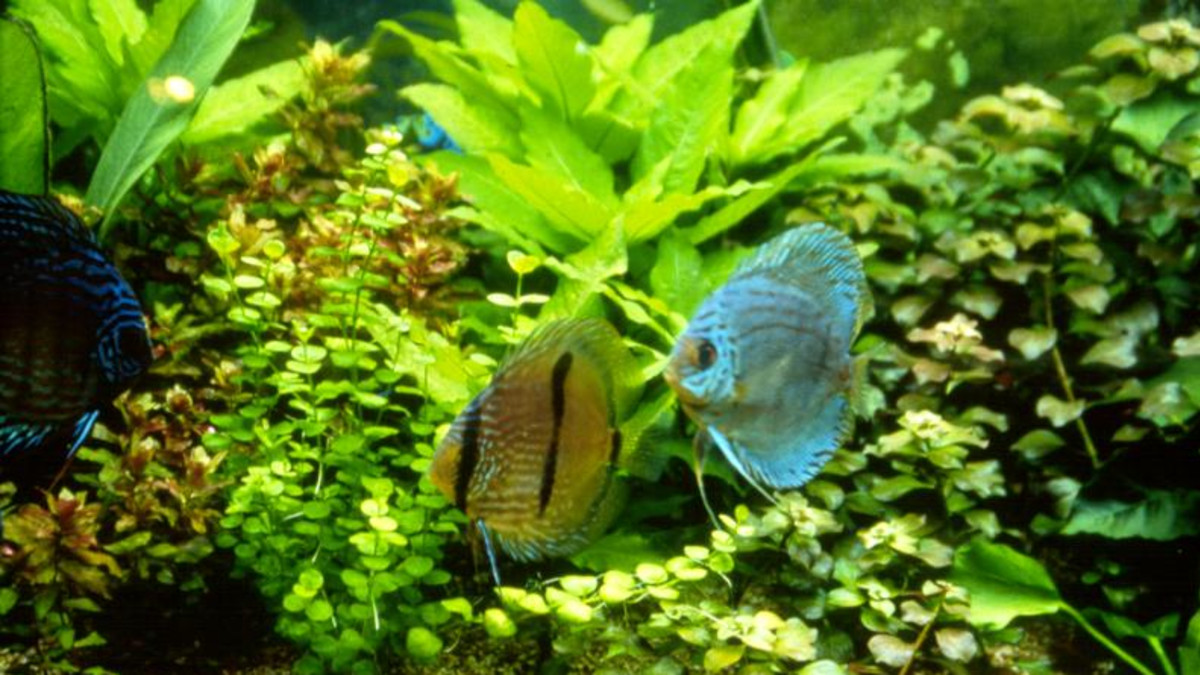
Credit: pethelpful.com
Benefits Of Cleaning Fish
Cleaning fish play a key role in maintaining a healthy aquarium. They help keep the tank clean and support the well-being of other fish.
These fish species actively remove waste and algae. Their natural behavior benefits the tank environment in many ways.
Natural Tank Maintenance
Cleaning fish eat leftover food and debris on the tank floor. This reduces the need for frequent manual cleaning.
- Remove uneaten food particles
- Clean algae from surfaces
- Prevent waste buildup
- Keep decorations clear
Improved Water Quality
By eating waste and algae, cleaning fish help keep the water clean. This lowers harmful substances like ammonia.
| Water Parameter | Effect of Cleaning Fish |
| Ammonia | Reduced levels |
| Nitrite | Lower concentration |
| Nitrate | Better control |
| Water Clarity | Improved |
Reduced Algae Growth
Cleaning fish eat algae that grow on tank glass and plants. This helps stop algae from taking over the tank.
- Control algae on tank walls
- Keep plants free from algae
- Prevent algae from blocking light
- Help maintain a balanced ecosystem
Credit: microaquaticshop.com.au
Top Cleaning Fish Species
Keeping an aquarium clean is essential for healthy fish. Some fish species help clean by eating algae and debris. These fish can make maintaining your aquarium easier.
Let’s explore some of the top cleaning fish species that can help keep your tank sparkling clean.
Siamese Algae Eater
The Siamese Algae Eater is known for eating various types of algae. They are active and can easily adapt to different water conditions.
These fish are peaceful and can live with many other species. They are excellent for tanks with a lot of algae growth.
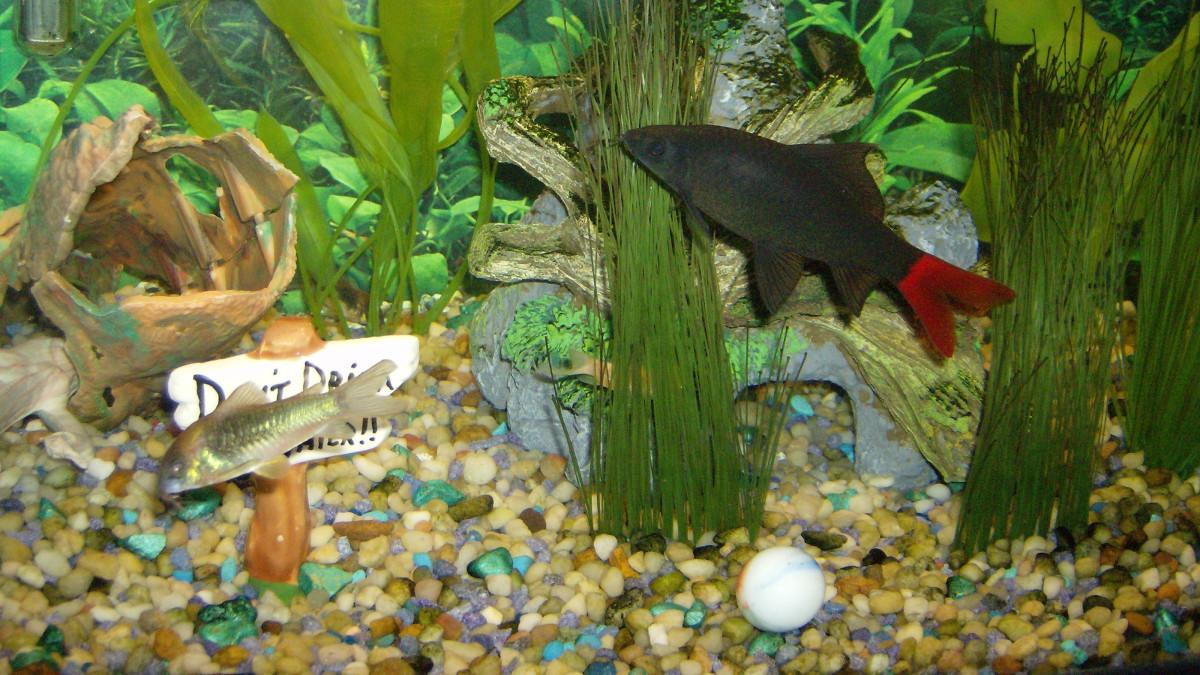
Corydoras Catfish
Corydoras Catfish are small and friendly fish that clean the bottom of the tank. They eat leftover food and help keep the substrate clean.
They thrive in groups and enjoy a well-planted tank. Corydoras are perfect for community aquariums.
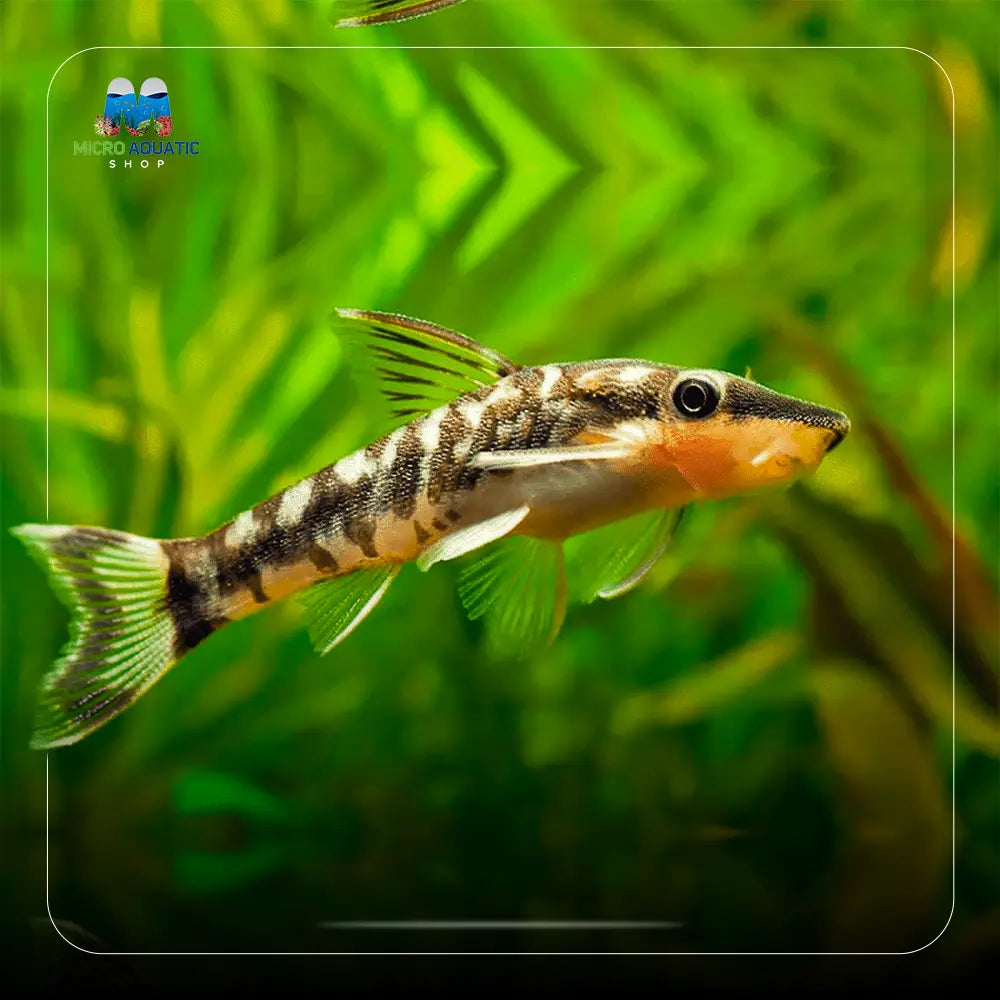
Otocinclus Catfish
Otocinclus Catfish are tiny algae eaters that are great for small tanks. They are gentle and prefer to live in groups.
These fish are excellent at cleaning glass and plant leaves, keeping your aquarium looking pristine.
Bristlenose Pleco
Bristlenose Plecos are hardy and easy to care for. They eat algae and can help reduce algae buildup on decorations and glass.
Their unique appearance makes them a popular choice for aquarists. They are suitable for larger tanks with lots of hiding places.
Amano Shrimp
Amano Shrimp are efficient algae eaters that also consume leftover food. They are peaceful and can live with many other species.
These shrimp are ideal for planted tanks and can help control algae growth effectively.
Choosing The Right Species
Selecting the right cleaning fish species is key to a healthy aquarium. Each species has unique needs and traits.
Understanding these differences helps you keep your tank clean and your fish happy.
Tank Size Compatibility
Cleaning fish vary in size and space needs. Small tanks require smaller species to avoid overcrowding.
- Small tanks (under 20 gallons): Otocinclus, small Corydoras catfish
- Medium tanks (20-50 gallons): Siamese algae eaters, larger Corydoras species
- Large tanks (over 50 gallons): Plecos, larger algae eaters
Water Parameter Needs
Each species thrives in specific water conditions. Matching water parameters is vital for their health.
| Species | pH Range | Temperature (°F) | Hardness (dGH) |
| Otocinclus | 6.8 – 7.5 | 72 – 79 | 2 – 15 |
| Siamese Algae Eater | 6.5 – 7.0 | 75 – 79 | 5 – 20 |
| Pleco | 6.5 – 7.5 | 74 – 80 | 3 – 15 |
Behavior And Temperament
Behavior affects tank harmony. Choose species that fit well with your other fish.
- Peaceful:Otocinclus, ideal for community tanks
- Active:Siamese algae eaters, need space to swim
- Territorial:Some Pleco species, may guard spaces
Setting Up A Clean Tank
Keeping your aquarium clean helps fish stay healthy and happy. A clean tank also looks nice and reduces work over time.
Setting up the tank correctly is the first step. This includes choosing the right substrate, plants, decorations, and filtration system.
Substrate Selection
The substrate is the material that covers the bottom of the tank. It affects water quality and fish comfort.
- Choose fine gravel or sand for easy cleaning.
- Avoid sharp substrates that can hurt fish.
- Use inert substrate to keep water chemistry stable.
- Clean the substrate regularly to remove waste.
Plant And Decoration Choices
Plants and decorations add beauty and provide hiding spots for fish. They can also help keep the tank clean.
| Type | Benefit | Cleaning Tip |
|---|---|---|
| Live Plants | Absorb waste and oxygenate water | Trim dead leaves often |
| Artificial Plants | Easy to clean and reposition | Wash with water regularly |
| Rocks and Wood | Provide shelter and look natural | Scrub algae off monthly |
Filtration Systems
A good filter keeps water clear and removes harmful substances. It is key to a clean aquarium.
- Choose a filter that fits your tank size.
- Use mechanical filters to trap debris.
- Biological filters help break down waste.
- Clean or replace filter media as needed.
Feeding And Care Tips
Cleaning fish are important for keeping your aquarium healthy. They eat algae and dead skin from other fish. Feeding and caring for them properly helps them thrive.
Learn how to feed cleaning fish the right diet. Follow care tips to keep them healthy and avoid problems from overfeeding.
Diet For Cleaning Fish
Cleaning fish eat mostly algae and small particles. You can give them special food to keep them strong. A balanced diet is best for their health.
- Algae wafers or tablets
- Small amounts of shrimp or bloodworms
- Vegetable flakes or spirulina
- Occasional blanched vegetables like zucchini
Maintaining Fish Health
Good water quality is key to fish health. Clean fish need clear water and stable temperature. Watch for signs of sickness like spots or unusual behavior.
| Health Factor | Recommended Action |
| Water Temperature | Keep between 74°F and 80°F (23°C-27°C) |
| Water Quality | Test weekly and change 25% of water regularly |
| Tank Size | Use at least 20 gallons for multiple fish |
| Behavior | Remove sick fish and treat tank if needed |
Avoiding Overfeeding
Too much food harms cleaning fish and pollutes water. Feed small amounts once or twice daily. Remove uneaten food after 5 minutes.
- Feed only what fish can eat in 3-5 minutes
- Use a feeding schedule and stick to it
- Observe fish eating habits closely
- Remove leftover food promptly
Common Challenges
Cleaning fish species help keep aquariums clean by eating algae and waste. They play a key role in tank health. But keeping these fish comes with some common challenges.
Understanding these challenges can help you maintain a balanced and healthy aquarium environment for your fish.
Aggression Among Species
Some cleaning fish can be aggressive toward other fish. This causes stress and injury in the tank. Aggression often increases in smaller tanks or when food is scarce.
It is important to know which species get along. Avoid mixing aggressive cleaners with peaceful fish. Provide enough hiding spaces to reduce fights.
- Keep fish with similar temperaments together
- Provide plenty of plants and decorations for hiding
- Feed the fish well to lower food competition
- Choose tank size that fits all species comfortably
Disease Prevention
Cleaning fish can catch and spread diseases in the aquarium. Poor water quality and overcrowding increase this risk. Sick fish often show signs like spots or slow movement.
Regular water changes and tank cleaning help prevent disease. Quarantine new fish before adding them to the tank. Watch for symptoms to treat problems early.
- Test water regularly for ammonia and nitrites
- Keep the tank clean and remove waste daily
- Isolate sick fish to stop disease spread
- Feed a balanced diet to support fish health
Balancing The Ecosystem
Cleaning fish help balance algae and debris in the tank. But too many cleaners can upset the ecosystem. This leads to food shortages and poor water quality.
It is best to keep a balanced number of cleaners with other fish. Monitor algae growth and adjust the fish count as needed. A balanced ecosystem keeps all fish healthy.
- Match fish numbers to tank size and algae amount
- Use different species that clean different tank parts
- Observe fish behavior and health regularly
- Adjust feeding and cleaning routines as needed
Maintaining A Pristine Aquarium
Keeping an aquarium clean is important for the health of your fish. A well-maintained tank helps fish stay active and live longer.
Regular care and attention make the aquarium a safe home for cleaning fish species. These fish help keep the tank free from algae and waste.
Regular Water Changes
Change part of the water often to keep the tank fresh. This removes harmful chemicals and waste that build up over time.
- Replace 10-20% of the water weekly
- Use a water conditioner to remove chlorine
- Match new water temperature to the tank
- Clean the gravel with a siphon during water changes
Tank Cleaning Routine
Cleaning the tank regularly helps maintain a healthy environment. It also keeps the aquarium clear and attractive.
| Task | Frequency | Details |
| Clean glass | Weekly | Use a sponge or scraper to remove algae |
| Vacuum substrate | Weekly | Remove uneaten food and waste from gravel |
| Check filters | Biweekly | Rinse filter media in tank water |
| Remove decorations | Monthly | Clean with warm water, avoid soap |
Monitoring Water Parameters
Test water regularly to ensure it is safe for fish. Good water quality reduces stress and disease risk.
Important water tests include:
- pH level: should be steady and suitable for your fish species
- Ammonia: must be 0 ppm as it is toxic
- Nitrite: should also be 0 ppm
- Nitrate: keep below 20 ppm for healthy fish
Credit: pethelpful.com
Frequently Asked Questions
What Are The Best Cleaning Fish For Aquariums?
The best cleaning fish include Plecos, Otocinclus, and Siamese Algae Eaters. They efficiently control algae and clean tank surfaces. These species are peaceful and compatible with most community tanks, making them ideal for maintaining a healthy aquarium environment.
How Do Cleaning Fish Benefit Aquarium Health?
Cleaning fish reduce algae buildup and remove leftover food. This improves water quality and reduces harmful bacteria. Their activity helps maintain a balanced ecosystem, promoting healthier fish and plants. Regular use of cleaning species leads to a cleaner, more visually appealing aquarium.
Can Cleaning Fish Live With Other Fish Species?
Yes, most cleaning fish are peaceful and coexist well with other species. Avoid aggressive fish that may harm cleaning species. Always research compatibility to ensure a stress-free aquarium. Proper tank size and hiding spots also promote harmony among different fish types.
How Often Should Cleaning Fish Be Fed?
Cleaning fish primarily eat algae and detritus but may need supplemental feeding. Feed them algae wafers or vegetables twice a week. Avoid overfeeding to prevent water pollution. Balanced nutrition keeps cleaning fish healthy and enhances their cleaning efficiency.
Conclusion
Cleaning fish bring life and balance to your aquarium. They eat algae and keep tanks fresh. Choosing the right species helps maintain a healthy environment. These fish work quietly, making your tank shine. Caring for them is simple and rewarding.
Enjoy watching your aquarium stay clean and lively. A well-kept tank means happy fish and clear water. Keep your aquarium balanced with these helpful cleaners. They make fishkeeping easier and more enjoyable. Small efforts lead to a beautiful, healthy underwater world.