
Choosing the right tank size for your discus fish is one of the most important steps to ensure they stay healthy and vibrant. If you want your discus to thrive and show off their beautiful colors, you need to get this just right.
Too small a tank can stress your fish, while too large might be overwhelming and costly. You’ll discover exactly how to pick the perfect tank size that fits your space, budget, and the needs of your discus fish. Keep reading, and you’ll feel confident setting up an aquarium where your discus will truly shine.
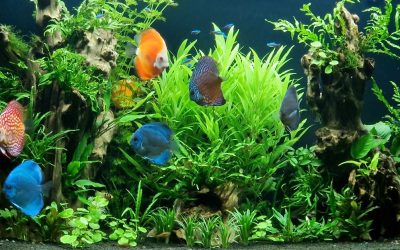
Credit: fishtanks.wattleydiscus.com
Ideal Tank Size
Discus fish need enough space to live comfortably. The right tank size helps keep them healthy and happy.
Choosing a proper tank size is important for their growth and swimming habits.
Minimum Volume Requirements
Discus fish require a minimum tank volume to thrive. Small tanks can cause stress and health problems.
A 50-gallon tank is the smallest size for a group of discus fish. This volume gives enough water to keep conditions stable.
- 50 gallons for 4-5 discus
- Add 10 gallons for each extra fish
- Larger tanks improve water quality and stability
Space For Swimming
Discus fish are active swimmers. They need open space to move freely and avoid stress.
Wide tanks with more surface area give them room to swim side to side. Avoid tall, narrow tanks.
- Choose tanks with large surface area
- Provide open swimming zones without clutter
- Keep decorations minimal to maximize space
Considering Adult Size
Adult discus grow up to 8-10 inches in diameter. Tank size must match their adult size for comfort.
Plan your tank so adults have room to grow without crowding. Overcrowding can cause illness and aggression.
- Allow 10 gallons per adult discus
- Keep at least 4 inches between fish
- Adjust tank size as fish grow
Tank Shape And Dimensions
Choosing the right tank for your discus fish is important. The shape and dimensions affect their well-being.
Consider the tank’s width, height, and overall size. Each plays a role in the comfort of your fish.
Width Vs Height
Discus fish need space to swim freely. A wider tank is often better for them than a taller one.
| Width (inches) | Height (inches) |
| 18-24 | 12-18 |
| 24-30 | 18-24 |
| 30-36 | 24-30 |
Long Vs Tall Tanks
Long tanks provide more horizontal space, which is ideal for discus fish. They enjoy exploring the length of the tank.
- Long tanks allow better oxygen exchange.
- Tall tanks can make cleaning difficult.
- Longer tanks are easier to decorate with plants.
Number Of Discus Fish
Choosing the right number of discus fish is important for their health. A proper tank size depends on how many fish you want to keep.
Too many fish in a small tank causes stress and poor water quality. It is best to plan your tank size carefully.
Stocking Density
Discus fish need space to swim and grow. The recommended space is about 10 gallons per fish. This helps keep water clean and fish healthy.
- 1 fish needs at least 10 gallons of water
- 5 fish require a minimum of 50 gallons
- More fish need larger tanks to avoid crowding
- Overcrowding leads to stress and disease
Community Tank Considerations
When keeping discus with other species, tank size must increase. Other fish add to the bioload and need space too.
| Number of Discus | Tank Size (Gallons) | Additional Space for Community Fish |
| 3 | 30 | +10 gallons per species |
| 5 | 50 | +15 gallons per species |
| 7 | 70 | +20 gallons per species |
Water Quality And Filtration
Discus fish need clean, stable water to stay healthy. Good water quality depends on proper filtration.
Choosing the right tank size helps keep water conditions steady. Larger tanks are easier to manage for water quality.
Maintaining Stability
Stable water means fewer sudden changes in temperature and chemicals. This keeps discus fish less stressed and healthier.
Large tanks hold water better against quick changes. This helps maintain a steady environment for the fish.
- Keep temperature steady between 82-86°F (28-30°C)
- Test water weekly for ammonia, nitrites, and nitrates
- Do regular water changes to remove waste
- Avoid overcrowding to reduce stress on water quality
Filtration Systems For Larger Tanks
Larger tanks need strong filters to clean water well. Filters remove waste and keep water clear.
Use filters that handle the tank size and fish load. A good filter supports biological, chemical, and mechanical cleaning.
- Canister filters offer powerful cleaning and large capacity
- Hang-on-back filters are easy to maintain for medium tanks
- Sponge filters provide gentle filtration for small areas
- Use multiple filters for very large tanks to increase flow
Tank Setup Tips
Setting up a proper tank is important for healthy discus fish. The right environment helps them feel safe and grow well.
Pay attention to the tank bottom and decorations. These affect water quality and fish behavior.
Substrate And Decorations
Use fine, smooth substrate like sand to protect discus fish’s delicate fins. Avoid sharp gravel that can cause injuries.
- Choose light-colored sand to reflect light and show fish colors.
- Avoid substrate that traps waste to keep water clean.
- Add smooth rocks or driftwood for natural decoration.
- Do not overcrowd the tank with decorations to allow swimming space.
Plants And Hiding Spots
Discus fish need hiding spots to reduce stress. Plants also help maintain good water quality.
| Type | Benefit | Example |
| Live Plants | Oxygenate water and provide shelter | Amazon Sword, Java Fern |
| Artificial Plants | Easy to clean and arrange | Plastic broad-leaf plants |
| Hiding Spots | Safe areas to reduce fish stress | Driftwood caves, clay pots |
Common Mistakes To Avoid
Choosing the right tank size is very important for discus fish health. Many hobbyists make avoidable errors when selecting a tank.
These mistakes can cause stress, illness, or stunted growth in discus fish. Learn what to watch out for to keep your fish happy.
Overcrowding
People often put too many discus fish in a small tank. Overcrowding leads to poor water quality and fights among fish.
Discus need space to swim and grow. Too many fish cause stress and can spread disease quickly.
- Keep only 1 discus per 10 gallons of water
- Provide enough space for each fish to swim freely
- Use larger tanks to avoid overcrowding problems
Underestimating Growth
Discus fish grow larger than many expect. Beginners often buy tanks too small for adult fish.
A small tank may seem fine for young fish but limits their growth and health as they age.
- Plan tank size based on adult discus size
- Allow extra room for fish to grow comfortably
- Upgrade tank size as discus mature
Upgrading Tank Size
Discus fish need enough space to swim and grow. Upgrading their tank size helps keep them healthy.
Choosing the right tank size is important for discus fish wellbeing and water quality.
When To Upgrade
Upgrade the tank when discus fish grow bigger or multiply. Small tanks can crowd them quickly.
Look for signs like crowded swimming, stressed behavior, or poor water quality. These show your tank is too small.
- Discus are over 3 inches long
- More than five discus in the tank
- Water changes become more frequent
- Fish show signs of stress or fighting
Transitioning To Larger Tanks
Move discus fish slowly to avoid stress. Sudden changes can hurt their health.
Keep water conditions in the new tank similar. Match temperature, pH, and hardness to the old tank.
- Set up the new tank with proper filtration and heating
- Test water parameters before adding fish
- Use a net to gently transfer discus
- Acclimate fish by floating their bag in new tank water
- Watch fish closely for stress or illness after moving

Credit: www.aquariumsource.com
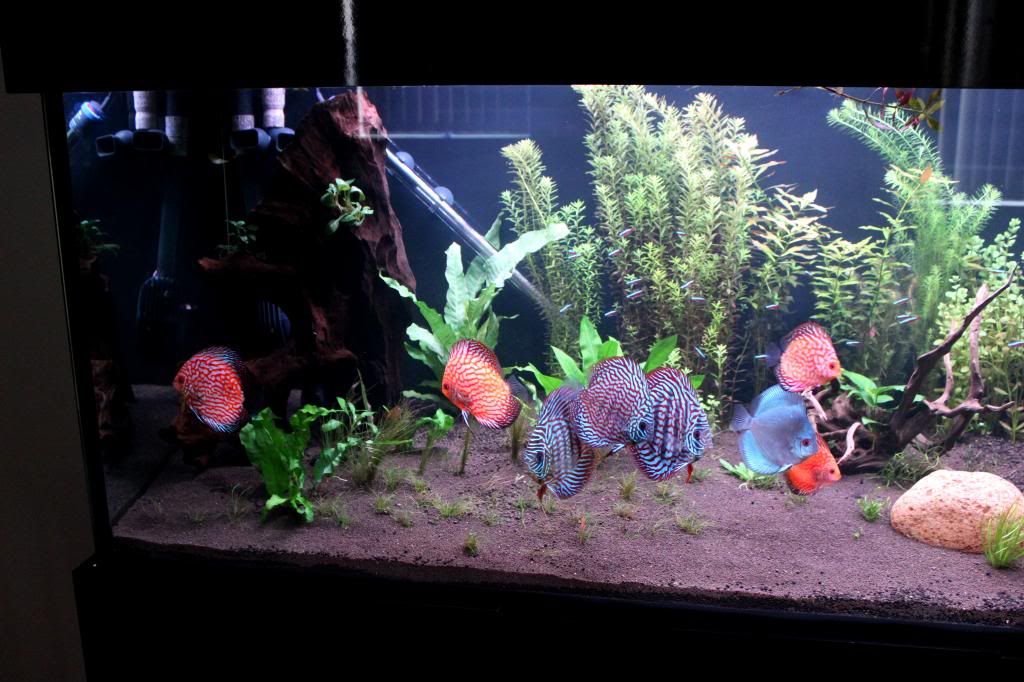
Credit: forum.simplydiscus.com
Frequently Asked Questions
What Is The Ideal Tank Size For Discus Fish?
The ideal tank size for discus fish is at least 50 gallons. This size provides enough swimming space and stable water conditions. Larger tanks reduce stress and support healthier growth and social behavior among discus fish.
How Many Discus Fish Fit In A 50-gallon Tank?
A 50-gallon tank can comfortably house 5 to 6 adult discus fish. This allows about 10 gallons per fish, ensuring enough space to swim and thrive. Overcrowding can lead to stress and poor water quality.
Why Does Discus Fish Need A Large Tank?
Discus fish need large tanks to maintain stable water parameters. They are sensitive to changes in temperature and water quality. Larger tanks dilute toxins and provide sufficient swimming space, promoting their health and longevity.
Can I Keep Discus Fish In A Small Tank?
Keeping discus fish in a small tank is not recommended. Small tanks cause rapid water quality changes and limit swimming space. This leads to stress, illness, and shorter lifespan for discus fish.
Conclusion
Choosing the right tank size helps discus fish stay healthy and happy. Small tanks limit their swimming space and growth. Bigger tanks provide stable water conditions and room to swim freely. A tank of at least 50 gallons suits most discus setups.
Regular tank maintenance keeps water clean and safe. Remember, proper space means less stress and better fish colors. Care for discus fish with enough room to thrive. Your tank size matters for a beautiful discus aquarium.