
Keeping your aquarium at the right temperature isn’t just about comfort—it’s about survival. Every fish species thrives within a specific temperature range, and getting it wrong can stress your aquatic friends or even put their lives at risk.
If you want your tank to be a healthy, vibrant home for your fish, understanding how to regulate temperature for species-specific tanks is key. You’ll discover simple, effective ways to control your aquarium’s temperature and create the perfect environment tailored just for your fish.
Ready to take your aquarium care to the next level? Let’s dive in.
Credit: www.ratemyfishtank.com
Choosing The Right Temperature
Keeping the right temperature is key for a healthy aquarium. Different fish need different temperatures to thrive.
Setting the correct temperature helps fish stay active and healthy. It also prevents stress and illness.
Tropical Vs Coldwater Species
Tropical fish live in warm water. They need stable, warmer temperatures to survive.
Coldwater fish prefer cooler water. They do not do well in high temperatures.
- Tropical fish: 75°F to 80°F (24°C to 27°C)
- Coldwater fish: 60°F to 70°F (15°C to 21°C)
Temperature Ranges By Species
Different fish species need specific temperature ranges. Keeping fish in the right range helps them grow well.
| Fish Species | Temperature Range (°F) | Temperature Range (°C) |
|---|---|---|
| Neon Tetra | 72 – 78 | 22 – 26 |
| Goldfish | 65 – 75 | 18 – 24 |
| Betta | 76 – 82 | 24 – 28 |
| Guppy | 74 – 78 | 23 – 26 |
| White Cloud Mountain Minnow | 64 – 72 | 18 – 22 |
Impact Of Temperature On Fish Health
Water temperature affects fish health. Wrong temperature causes stress and weakens immune systems.
Fish may stop eating or become less active if the water is too cold or hot. It can lead to disease.
- Too cold: slows metabolism and digestion
- Too hot: increases oxygen demand and stress
- Stable temperature: keeps fish healthy and active
Types Of Aquarium Heaters
Keeping the right temperature is important for aquarium fish. Different species need different temperatures. Heaters help maintain these temperatures.
There are several types of aquarium heaters. Choosing the right one is crucial for your fish’s health.
Submersible Heaters
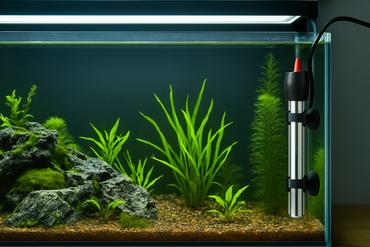
Submersible heaters go directly into the water. They are fully underwater and are easy to install.
These heaters are popular because they are efficient. You can place them in different spots in the tank.
- Easy to install
- Fully submerged in water
- Can be placed in various tank locations
In-line Heaters
In-line heaters are installed outside the tank. They connect to the filter system. Water passes through them, getting heated.
These heaters save space inside the tank. They are good for large aquariums with external filters.
- Located outside the tank
- Connects to filter systems
- Saves space inside aquarium
Thermostatic Controls
Thermostatic controls help keep the temperature stable. They automatically adjust the heater when needed.
These controls are useful for maintaining precise temperatures. They are ideal for species that require strict temperature ranges.
- Maintains stable temperature
- Adjusts automatically
- Good for species-specific tanks
Cooling Solutions For Warm Climates
Keeping aquarium water cool is key for fish health in hot places. Warm water can stress fish and cause illness.
Different cooling tools help maintain the right temperature. Choose the best option for your species-specific tank.
Aquarium Fans
Aquarium fans blow air across the water surface. This helps water cool by evaporation.
Fans are easy to install and save electricity. They work well for small to medium tanks in warm rooms.
- Place fan so air hits water surface directly
- Use a fan with adjustable speed settings
- Keep fans clean to prevent dust buildup
- Fans lower temperature by a few degrees
Chillers
Chillers are machines that cool water by running it through a cooling system. They keep water temperature steady.
Chillers work best for large tanks or very warm climates. They use more power but provide precise cooling control.
- Install chillers with proper water flow
- Set temperature according to fish needs
- Regularly clean and maintain the unit
- Chillers can reduce water temperature by many degrees
Insulation Tips
Insulating your aquarium helps keep cool air in and warm air out. It reduces temperature swings.
Use materials that block heat from sunlight and room heat sources. Insulation saves energy and protects fish.
- Cover tank back and sides with foam boards
- Use reflective films on windows near the tank
- Keep the tank away from direct sunlight
- Seal gaps around the tank to limit warm air entry

Credit: jungleaquatics.com
Monitoring And Maintaining Stability
Keeping the right temperature in your aquarium is very important. Fish and plants need stable temperatures to stay healthy.
This guide explains how to check and keep the temperature steady in tanks made for specific species.
Using Reliable Thermometers
Choose good thermometers that show accurate readings. Digital and glass thermometers work well. Place them where you can see the temperature easily.
- Check the thermometer daily
- Use more than one thermometer for large tanks
- Keep thermometers away from heaters or coolers to avoid wrong readings
Automated Temperature Controllers
Automated controllers help keep the temperature steady by turning heaters or coolers on and off. They react fast to changes and keep fish safe.
| Feature | Benefit |
| Automatic on/off | Keeps temperature stable without manual checks |
| Temperature alarms | Warns if the tank gets too hot or cold |
| Easy to set | Allows correct temperature settings for each species |
Regular Maintenance Practices
Routine care helps keep equipment working well. Clean heaters, thermometers, and controllers regularly. Check that all parts work properly.
- Inspect devices weekly for damage or dirt
- Replace batteries in digital thermometers as needed
- Test equipment after cleaning to ensure function
- Monitor tank temperature trends to spot issues early
Common Temperature-related Problems
Aquarium temperature affects fish health and behavior. Each species needs a specific temperature range to live well.
Too hot or too cold water can cause stress and illness. Understanding common problems helps keep fish safe.
Signs Of Stress In Fish
Fish show stress when the water temperature is wrong. They may act strange or look unhealthy.
Look for these signs to catch problems early and protect your fish.
- Gasping at the water surface
- Clamped fins or hiding often
- Loss of appetite
- Erratic swimming or lethargy
- Color fading or spots
Preventing Temperature Fluctuations
Stable temperature keeps fish healthy and happy. Sudden changes cause shock and disease.
Use these tips to keep the water temperature steady.
- Use a reliable aquarium heater with a thermostat
- Place the tank away from windows and vents
- Check temperature daily with a good thermometer
- Use an aquarium thermometer with alerts
- Insulate the tank if room temperature varies a lot
Emergency Measures
If temperature changes suddenly, act fast to save your fish. Quick steps reduce harm.
Follow these steps to fix temperature problems in your aquarium.
- Move fish to a temporary tank with correct temperature
- Adjust the heater or cooling system slowly
- Use fans or ice packs to cool water carefully
- Perform small water changes with properly tempered water
- Monitor fish closely for stress signs after changes
Credit: www.ratemyfishtank.com
Customizing Tanks For Specific Species
Each fish species needs a certain temperature to stay healthy. Setting the right tank temperature helps fish thrive. This guide covers how plants, decorations, and tank mates affect temperature control.
Adjusting the tank to fit the species’ needs keeps fish active and stress-free. Good temperature control also helps with breeding and mixing species.
Plants And Decorations That Affect Temperature
Plants and decorations can change how heat moves in the tank. Dense plants may cool the water by shading it. Rocks and wood can absorb heat during the day and release it slowly.
- Floating plants reduce sunlight and lower temperature
- Rocks close to heaters keep heat longer
- Thick wood decorations create cooler shaded areas
- Open spaces allow better heat circulation
Adjusting Temperature For Breeding
Fish often need a temperature change to breed. Raising or lowering the water temperature by a few degrees can trigger spawning. Keep the temperature steady during the breeding period to avoid stress.
| Species | Normal Temperature (°F) | Breeding Temperature (°F) |
| Guppies | 74-78 | 78-82 |
| Discus | 82-86 | 86-88 |
| Betta | 76-80 | 80-82 |
| Neon Tetra | 70-78 | 74-78 |
Combining Species With Similar Needs
Mix fish that like the same temperature. This keeps all species healthy and calm. Avoid mixing tropical fish with cold-water species.
- Check ideal temperature ranges for each species
- Choose fish with overlapping temperature needs
- Keep monitoring tank temperature daily
- Use heaters and coolers to keep stable conditions
Frequently Asked Questions
What Is The Ideal Temperature For Tropical Fish Tanks?
Tropical fish thrive between 75°F and 80°F. Maintaining this range ensures their metabolism and immune systems function well. Use reliable heaters and thermometers to keep temperature stable for healthy tropical species.
How To Regulate Temperature In Freshwater Aquariums?
Use adjustable aquarium heaters and chillers to control temperature. Monitor daily with accurate thermometers. Avoid placing tanks near windows or heat sources to prevent fluctuations. Consistent temperature promotes fish health and reduces stress.
Why Is Temperature Control Vital For Species-specific Tanks?
Different fish species require unique temperatures for survival. Proper control prevents stress, disease, and death. Species-specific temperature regulation mimics natural habitats, promoting breeding and longevity in your aquarium.
Can Temperature Swings Harm Aquarium Fish?
Yes, rapid temperature changes can shock fish, weakening their immune system. This increases vulnerability to diseases and can cause death. Keep temperature fluctuations minimal by using stable heaters and avoiding environmental stressors.
Conclusion
Maintaining the right temperature keeps your fish healthy and happy. Each species needs its own ideal warmth. Use a reliable heater and thermometer to check often. Small changes can cause big stress to fish. Keep your tank stable and avoid sudden shifts.
Clean water and good care help fish thrive too. Remember, patience and attention make a big difference. A well-kept tank shows in lively, active fish. Your effort creates a safe home for your aquatic pets.