
Are you thinking about adding a splash of color and life to your home? A freshwater aquarium for gouramis might be exactly what you need.
These beautiful fish are not only eye-catching but also surprisingly easy to care for. Imagine watching your gouramis glide gracefully through the water, bringing calm and joy to your space every day. You’ll discover everything you need to create the perfect environment for your gouramis to thrive.
Ready to turn your aquarium into a vibrant underwater world? Let’s dive in!

Credit: www.reddit.com
Choosing The Right Gourami Species
Gouramis are a popular choice for freshwater aquariums. They come in various sizes and colors, making them an attractive option for fish enthusiasts.
Before adding Gouramis to your aquarium, it’s important to understand their species, size, temperament, and compatibility with other fish.
Popular Gourami Varieties
There are several varieties of Gouramis, each with unique characteristics. Some are more suitable for beginners, while others require more care.
- Dwarf Gourami: Small and colorful, ideal for community tanks.
- Pearl Gourami: Known for its beautiful patterns and peaceful nature.
- Blue Gourami: Hardy and adaptable, great for beginners.
Size And Temperament Considerations
The size and temperament of Gouramis can vary. Choosing the right type ensures a peaceful aquarium environment.
| Species | Size | Temperament |
| Dwarf Gourami | Up to 3.5 inches | Peaceful |
| Pearl Gourami | Up to 5 inches | Calm |
| Blue Gourami | Up to 6 inches | Semi-aggressive |
Compatibility With Other Fish
Gouramis can live with a variety of fish, but it’s essential to choose tank mates wisely. Consider their size and behavior to avoid conflicts.
- Neon Tetras: Small and peaceful, good companions for Dwarf Gouramis.
- Corydoras Catfish: Bottom dwellers that coexist well with most Gouramis.
- Harlequin Rasboras: Active swimmers that match the temperament of Pearl Gouramis.
Tank Setup Essentials
Setting up a freshwater aquarium for gouramis requires attention to specific needs. Proper tank setup helps gouramis stay healthy and active.
This guide explains the key elements to prepare a comfortable home for your gouramis.
Ideal Aquarium Size
Gouramis need enough space to swim and explore. A tank that is too small can cause stress and illness.
A good minimum size is 20 gallons for one or two gouramis. Larger tanks are better for groups or mixed species.
- Minimum 20 gallons for a pair
- 30 gallons or more for groups
- Long tanks give more swimming space
Water Parameters To Maintain
Gouramis thrive in stable water conditions. Keep the water clean and at the right temperature and pH.
Regular testing helps prevent problems and keeps gouramis healthy.
- Temperature: 74-82°F (23-28°C)
- pH: 6.0 to 7.5
- Water hardness: 4-15 dGH
- Use a filter for clean water
- Do partial water changes weekly
Substrate And Decorations
Soft substrates like sand or fine gravel suit gouramis best. It feels natural and is safe for their fins.
Plants and hiding spots help gouramis feel secure. Use live or silk plants and smooth decorations.
- Sand or fine gravel substrate
- Live or silk plants for cover
- Driftwood and smooth rocks
- Hiding places to reduce stress
- Avoid sharp decorations
Filtration And Aeration
Gouramis need clean and well-oxygenated water to thrive in a freshwater aquarium. Proper filtration and aeration keep their environment safe and healthy.
This guide explains how to select filters, maintain water quality, and improve oxygen levels for your gouramis.
Selecting The Best Filter
Choose a filter that cleans the water without creating strong currents. Gouramis prefer gentle water flow.
- Use a sponge filter for gentle mechanical and biological filtration.
- Consider a hang-on-back filter with adjustable flow rates.
- Ensure the filter size matches the aquarium volume.
- Check that the filter media supports beneficial bacteria growth.
Maintaining Water Quality
Regular cleaning and water changes keep the aquarium safe for gouramis. Monitor water parameters often.
| Task | Frequency | Reason |
| Water change (20-25%) | Weekly | Removes toxins and refreshes water |
| Filter cleaning | Monthly | Prevents clogging and maintains flow |
| Test water parameters | Weekly | Checks ammonia, nitrite, nitrate, and pH |
Oxygenation Tips
Good oxygen levels help gouramis breathe easily and stay healthy. Use these tips to increase oxygen in the tank.
- Use an air pump with air stones to add bubbles and surface movement.
- Keep plants trimmed to avoid reducing oxygen at night.
- Place the filter outlet near the water surface to improve gas exchange.
- Avoid overcrowding to reduce oxygen demand.
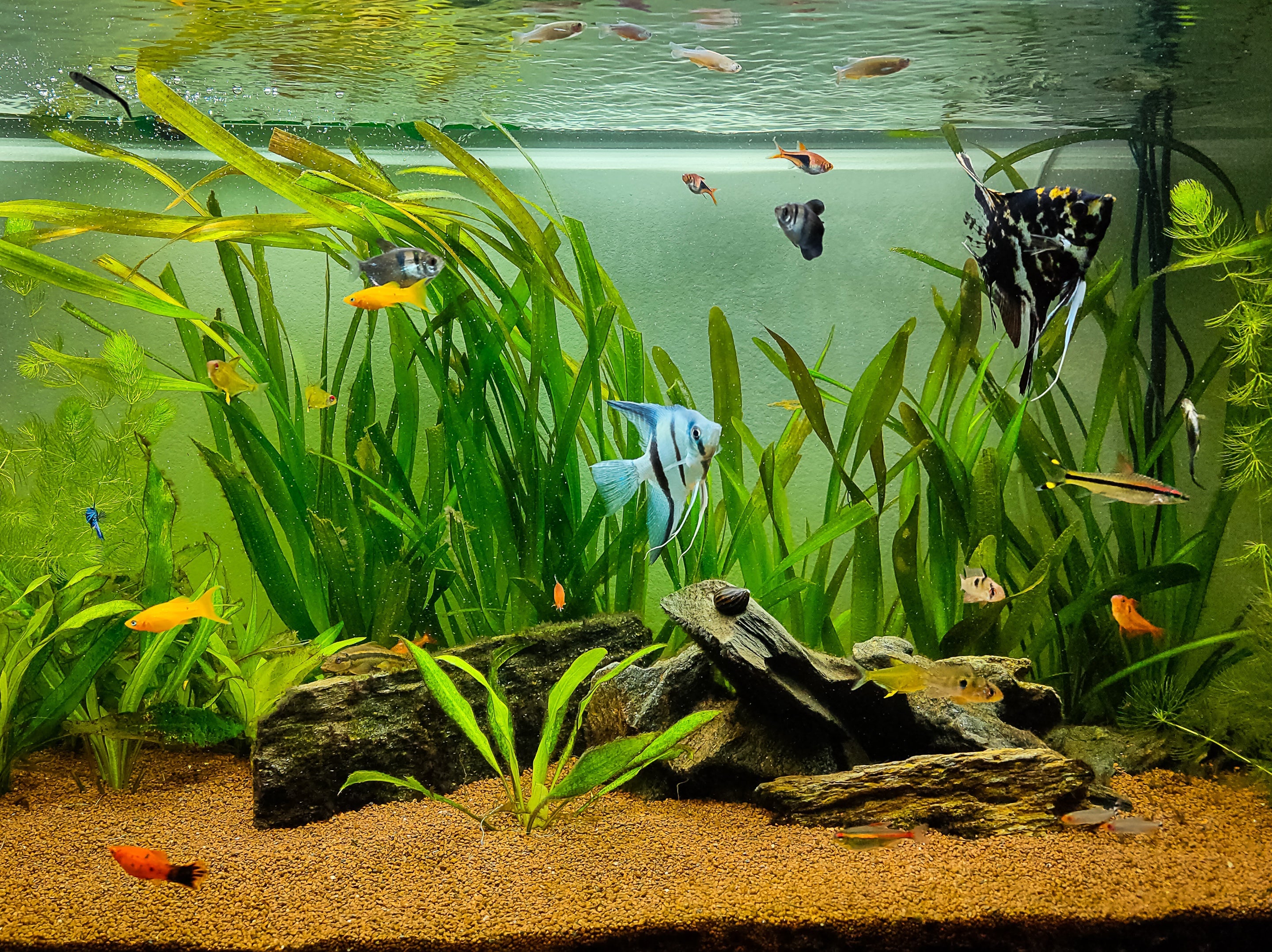
Credit: splashyfishstore.com
Lighting And Temperature
Gouramis are colorful freshwater fish that need the right light and warmth to stay healthy. Proper lighting and temperature help them grow and show their best colors.
Setting up the right environment means knowing how much light and heat they need. This guide covers lighting needs, keeping the right temperature, and seasonal changes.
Lighting Needs For Gouramis
Gouramis prefer soft and natural lighting. Too bright light can stress them, while too little light can affect their behavior.
- Use low to moderate light, about 8 to 10 hours daily
- Avoid direct sunlight to prevent overheating
- Choose LED or fluorescent lights with a warm color tone
- Provide shaded areas with plants for rest
Maintaining Optimal Temperature
Gouramis live best in water that stays between 72°F and 82°F (22°C to 28°C). This range keeps them active and healthy.
| Temperature Range | Effects on Gouramis |
| Below 72°F (22°C) | Fish become slow and less active |
| 72°F – 82°F (22°C – 28°C) | Ideal for health and activity |
| Above 82°F (28°C) | Stress and possible illness |
Seasonal Adjustments
Season changes can affect aquarium temperature and light. Adjust your setup to keep gouramis comfortable all year.
Follow these tips for seasonal care:
- Use a heater in winter to keep water warm
- Increase shading in summer to avoid overheating
- Check lighting timers to match natural daylight hours
- Monitor temperature daily with a reliable thermometer
Feeding Your Gouramis
Feeding gouramis properly helps them stay healthy and active. Knowing what and how often to feed is important for their well-being.
This guide explains the best diet options, feeding frequency, and how to avoid overfeeding your gouramis.
Best Diet Options
Gouramis eat a variety of foods. Their diet should include protein and plant-based items for balanced nutrition.
- High-quality flake or pellet food designed for tropical fish
- Live or frozen foods like brine shrimp, bloodworms, and daphnia
- Vegetables such as blanched spinach or zucchini
- Occasional treats like freeze-dried tubifex worms
Feeding Frequency
Feed your gouramis small amounts two to three times each day. This keeps them energetic without wasting food.
| Age of Gourami | Feeding Times per Day | Portion Size |
| Young (Juvenile) | 3 | Small pinch |
| Adult | 2 | Moderate amount |
| Older | 1-2 | Smaller amount |
Avoiding Overfeeding
Overfeeding causes water pollution and health problems. Watch your gouramis and feed only what they eat quickly.
- Give small portions to prevent leftovers
- Remove uneaten food after 5 minutes
- Feed less on days when gouramis seem less active
- Maintain a regular feeding schedule
Health And Disease Prevention
Keeping gouramis healthy requires good care and attention. Disease can spread fast in freshwater aquariums. Preventing illness helps your fish live longer.
Learn about common diseases, symptoms to watch for, and how to treat and prevent problems. Early action saves your gouramis from serious harm.
Common Gourami Diseases
Gouramis often face a few typical diseases. These include Ich, fin rot, velvet disease, and bacterial infections. Each disease has specific signs and treatments.
- Ich:White spots on body and fins.
- Fin Rot:Ragged or decaying fins.
- Velvet Disease:Gold or rust-colored dust on skin.
- Bacterial Infections:Red sores or swelling.
Symptoms To Watch For
Notice changes in your gourami’s behavior and appearance. Early symptoms help catch diseases fast. Look for these signs:
| Symptom | Possible Cause |
| White spots on fins and body | Ich |
| Fins look torn or faded | Fin Rot |
| Fish scratching on objects | Parasites |
| Loss of appetite | Stress or illness |
| Swelling or redness | Bacterial infection |
| Clamped fins | General stress or disease |
Treatment And Prevention
Treat diseases quickly to stop spread. Use proper medicine and keep water clean. Prevention is better than cure in an aquarium.
- Keep water clean with regular changes
- Do not overcrowd the tank
- Quarantine new fish before adding them
- Feed a balanced diet for strong immunity
- Use aquarium salt to reduce stress
- Follow medication instructions carefully
Breeding Gouramis
Gouramis are colorful freshwater fish popular in home aquariums. Breeding them can be rewarding with the right care and setup.
This guide explains how to create good breeding conditions, understand their spawning behavior, and raise fry successfully.
Breeding Conditions
Gouramis need a calm and warm environment to breed. The water should be clean and stable.
- Keep water temperature between 78°F and 82°F (25°C to 28°C)
- Maintain pH level around 6.0 to 7.0
- Use soft to moderately hard water
- Add floating plants for shelter and bubble nest support
- Provide a separate breeding tank to reduce stress
Spawning Behavior
Male gouramis build bubble nests at the water surface. They guard the nest and attract females to lay eggs inside.
| Stage | Description |
|---|---|
| Bubble Nest Building | Male blows bubbles and sticks plant material together |
| Spawning | Female lays eggs under the nest; male fertilizes them |
| Egg Care | Male protects and repairs the nest until eggs hatch |
| Hatching | Eggs hatch in 24-36 hours; fry stay near the nest |
Raising Fry Successfully
Raising gourami fry needs gentle care and proper feeding. Keep the water clean and stable.
- Remove adult fish after eggs hatch to avoid eating fry
- Feed fry small live foods like infusoria or baby brine shrimp
- Gradually add finely crushed flakes as fry grow
- Change 10-20% of tank water daily to keep water quality high
- Keep tank temperature steady around 80°F (27°C)
Maintaining A Balanced Aquarium
Keeping a freshwater aquarium healthy for gouramis needs careful attention. A balanced tank helps fish stay happy and live longer.
Good care includes cleaning, watching fish behavior, and changing care as gouramis grow. These steps keep the tank safe and clean.
Regular Cleaning Routines
Clean the aquarium often to remove waste and keep water clear. This prevents harmful chemicals from building up.
- Change 20% of the water every week
- Use a gravel vacuum to clean the bottom
- Wipe algae from glass and decorations
- Check and clean filters monthly
- Remove uneaten food daily
Monitoring Fish Behavior
Watch your gouramis closely. Changes in behavior can show if the tank needs attention or fish need care.
| Behavior | What It Means | Action |
| Hiding often | Stress or illness | Check water quality and health |
| Loss of appetite | Possible sickness | Observe and test water |
| Bright colors fading | Poor water or nutrition | Improve diet and water |
| Rapid breathing | Low oxygen or stress | Increase aeration and check filters |
Adjusting Care As Gouramis Grow
Gouramis change needs as they grow. Adjust tank size, diet, and companions to fit their size and behavior.
- Increase tank size for bigger gouramis
- Feed a varied diet with more protein
- Separate aggressive fish as needed
- Keep plants and hiding spots for comfort
- Test water more often as fish grow

Credit: www.reddit.com
Frequently Asked Questions
What Is The Ideal Tank Size For A Gourami Aquarium?
A 20-gallon tank is ideal for most gourami species. It provides enough space for swimming and territorial behavior. Larger tanks reduce stress and improve water quality, ensuring healthier fish.
Which Water Parameters Suit Freshwater Gouramis Best?
Gouramis thrive in water with a pH of 6. 0 to 7. 5 and temperature between 74°F and 82°F. Soft to moderately hard water supports their health and vibrant colors.
Can Gouramis Live With Other Fish Species?
Yes, gouramis can coexist with peaceful fish like tetras and rasboras. Avoid aggressive or fin-nipping species to prevent stress and injury. Proper tank size and hiding spots enhance compatibility.
How Often Should I Clean A Gourami Aquarium?
Clean the aquarium every two weeks, performing a 25% water change. Regular cleaning removes waste, maintains water quality, and keeps gouramis healthy. Avoid over-cleaning to preserve beneficial bacteria.
Conclusion
Creating a freshwater aquarium for gouramis brings calm and beauty to any space. These fish thrive in clean, warm water with plenty of plants. Keep their environment stable and watch them flourish. Regular care makes a big difference in their health.
Enjoy the peaceful movement and colors gouramis add to your tank. A simple setup with proper attention helps you succeed. Start small, learn as you go, and enjoy every moment. Your gouramis will reward you with their gentle charm.