
Have you ever wondered how to create a peaceful, thriving home for a single type of fish or aquatic creature? That’s exactly what a species tank is all about.
If you want to see your fish flourish without competition or stress, setting up a species tank could be the game-changer you need. You’ll discover what a species tank is, why it matters, and how it can transform your aquarium experience.
Keep reading to unlock the secrets to a healthier, more vibrant underwater world—designed just for your favorite species.
Species Tank Basics
A species tank is an aquarium designed for one type of fish or aquatic animal. It focuses on the needs of that single species.
This type of tank creates a natural and safe space for the species to live and grow well.
Definition And Purpose
A species tank holds only one species or sometimes closely related species. It mimics the animal’s natural environment.
The main goal is to provide the best care and conditions for that species. It helps fish stay healthy and show natural behavior.
Benefits Over Community Tanks
Species tanks reduce stress because fish do not compete with different species. They get the right food and habitat.
These tanks make it easier to manage water conditions and spot diseases early. Fish in species tanks often live longer and look healthier.
- Less aggression and fighting
- Better breeding success
- Customized care and diet
- Clearer observation of fish behavior

Credit: www.reddit.com
Choosing The Right Species
A species tank is an aquarium dedicated to one type of fish. This setup allows aquarists to focus on the specific needs of that species.
Choosing the right species is important for a balanced and healthy tank. Understanding compatibility factors and popular species can help make the best choice.
Compatibility Factors
Compatibility factors are crucial when setting up a species tank. Knowing these factors helps ensure your fish thrive in their environment.
- Water temperature requirements
- pH level tolerance
- Behavioral tendencies
- Dietary needs
- Size and growth potential
Popular Species For Tanks
Some species are more suited for species tanks than others. These fish have specific needs that are easier to manage in a dedicated environment.
| Species | Characteristics |
| Betta Fish | Bright colors, aggressive nature |
| Discus | Peaceful, needs warm water |
| Oscars | Large size, intelligent behavior |
| Clownfish | Marine species, needs saltwater |
Tank Setup Essentials
A species tank focuses on keeping only one type of fish or aquatic animal. This setup helps to create a better environment for that species.
Setting up a species tank needs special care. You must think about tank size, decorations, and water quality.
Tank Size And Shape
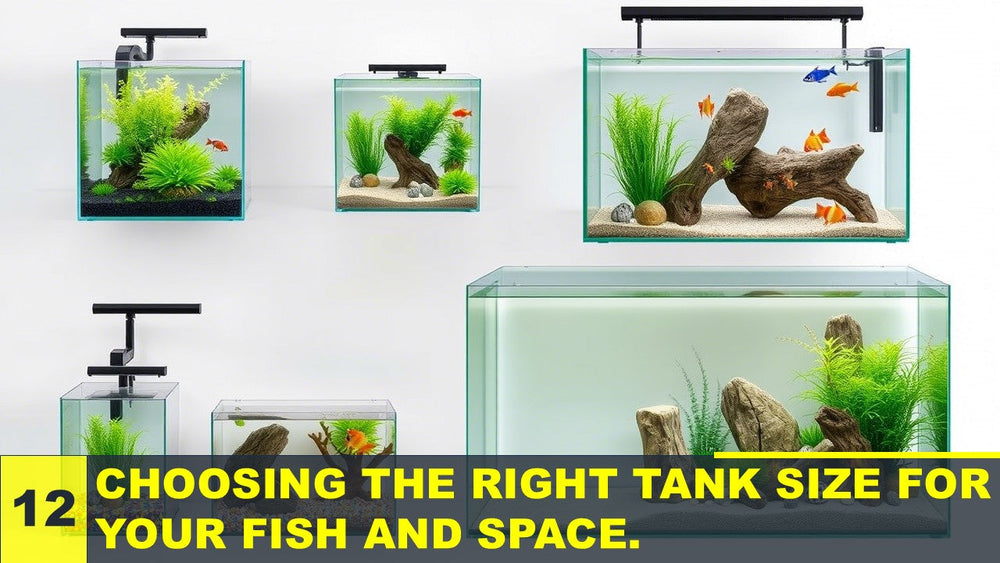
Choose a tank size that fits the species you want to keep. Some fish need more space to swim, while others prefer smaller tanks.
The shape of the tank also matters. Long tanks give more swimming space for active fish. Tall tanks work well for species that like vertical space.
Substrate And Decorations
Pick a substrate that matches the natural habitat of your species. Sand suits bottom dwellers, while gravel works for many community fish.
Decorations like plants, rocks, and driftwood give hiding spots. They help reduce stress and mimic the fish’s home environment.
- Use natural materials safe for your species
- Add plenty of hiding places and shelters
- Avoid sharp decorations that can hurt fish
Water Parameters
Keep water conditions stable to support your species. Check temperature, pH, and hardness regularly.
Each species needs specific water parameters. Research your fish’s needs to keep them healthy and happy.
- Maintain correct water temperature for your species
- Match pH level to natural habitat
- Monitor water hardness and adjust if needed
- Perform regular water changes to keep water clean

Credit: www.youtube.com
Feeding And Care
A species tank keeps only one fish species together. This helps meet their specific needs. Feeding and care are very important to keep the fish healthy.
Each fish species has unique feeding habits and care routines. Knowing these helps you provide the best environment and food.
Dietary Needs
Different species need different types of food. Some eat flakes, others prefer live or frozen food. Feeding the right diet keeps fish strong and active.
Overfeeding can cause water problems. Feed only what the fish can eat in a few minutes. Remove uneaten food quickly.
- Research the species’ natural diet
- Feed small amounts two to three times daily
- Use varied food for balanced nutrition
- Avoid overfeeding to keep water clean
Routine Maintenance
Regular tank care keeps fish healthy and happy. Cleaning the tank and checking water helps prevent disease.
Test water for pH, ammonia, and nitrates weekly. Change about 20% of the water every week to keep it fresh.
- Clean tank glass and decorations gently
- Remove leftover food and waste daily
- Check filter and equipment weekly
- Keep water temperature stable for the species
Common Challenges
Species tanks focus on keeping one type of fish or aquatic animal. This helps create a natural environment. Still, it comes with some challenges.
Understanding these challenges helps keep your species tank healthy and balanced. Two main areas to watch are disease prevention and behavioral issues.
Disease Prevention
Disease can spread quickly in a species tank. Fish of the same species often share similar weaknesses. This makes it easier for infections to move through the tank.
Good water quality and regular tank cleaning are very important. Quarantining new fish before adding them helps stop diseases from entering the tank.
- Test water regularly for ammonia and nitrite levels
- Do partial water changes weekly
- Use a quarantine tank for new fish
- Keep tank temperature steady and suitable for the species
Behavioral Issues
Fish behavior can cause problems in a species tank. Some species are very territorial. They may fight or stress each other out.
It is important to know the social habits of the species. Some fish like to live in groups, while others prefer solitude.
- Research if the species is aggressive or peaceful
- Provide hiding places to reduce stress
- Keep the right number of fish to avoid overcrowding
- Watch for signs of bullying or injury
Advanced Tips For Success
A species tank focuses on keeping one type of fish or aquatic creature. It helps mimic natural conditions for that species. This improves their health and behavior.
Success in species tanks needs careful planning. Knowing how to breed fish and maintain tank stability is key.
Breeding Strategies
Breeding species in a tank needs the right environment and care. Each fish type has specific needs for spawning and raising fry.
- Research the species’ natural breeding habits.
- Create hiding spots for fry and shy adults.
- Maintain water parameters like temperature and pH.
- Feed high-quality, species-appropriate food.
- Separate breeding pairs if aggression occurs.
- Monitor eggs or fry closely for health issues.
Tank Cycling And Stability
A stable tank keeps fish healthy and reduces stress. Proper cycling establishes good bacteria that break down waste.
| Stage | Description | Duration | Signs |
| Ammonia Build-up | Waste produces ammonia, which is toxic. | 1-2 weeks | High ammonia levels detected |
| Nitrite Formation | Bacteria convert ammonia to nitrites, still harmful. | 1-2 weeks | Nitrites rise, ammonia falls |
| Nitrate Production | Another bacteria convert nitrites to nitrates, less toxic. | Ongoing | Nitrate levels rise, tank stabilizes |
| Stable Cycle | Ammonia and nitrites near zero, good bacteria established. | After 4-6 weeks | Safe conditions for fish |
Credit: bubble-magus.net
Frequently Asked Questions
What Defines A Species Tank In Aquariums?
A species tank houses only one fish species, mimicking its natural habitat. This setup promotes healthy behaviors and reduces stress among fish.
Why Choose A Species Tank Over Community Tanks?
Species tanks offer tailored care, better water conditions, and minimize aggression. They allow hobbyists to observe unique species traits closely.
How Do I Set Up A Species Tank Properly?
Research the species’ habitat, diet, and behavior first. Use appropriate plants, substrate, and water parameters to replicate their natural environment.
Can Species Tanks Improve Fish Health And Lifespan?
Yes, species tanks reduce stress and competition, improving fish health. Proper care and environment lead to a longer, happier life for your fish.
Conclusion
A species tank focuses on one type of fish or aquatic creature. It helps create a natural and balanced environment. Fish get less stress and behave more naturally. Care and feeding become easier with fewer species. It also allows hobbyists to learn about specific fish better.
Starting a species tank can make your aquarium more peaceful. Keep the water clean and watch your fish thrive. Simple, focused care leads to a healthy and happy tank. Try a species tank to enjoy a calm and beautiful aquarium.