
Are you ready to create a vibrant freshwater community aquarium but unsure which fish and plants will thrive together? Choosing the right species is key to a healthy, lively tank that you’ll enjoy every day.
Imagine watching your aquarium full of colorful, peaceful creatures that get along and brighten your space. You’ll discover simple tips and expert advice to help you pick the perfect mix of species for your freshwater community aquarium. Keep reading, and you’ll soon feel confident building an underwater world that’s both beautiful and balanced.
Selecting Fish Species
Choosing the right fish for a freshwater community aquarium is very important. The species you select affect the tank’s harmony and health.
Consider each fish’s needs before adding them to the aquarium. This helps create a peaceful and thriving environment.
Community-friendly Fish
Pick fish that live well with others. Peaceful species avoid fighting and stress in the tank.
Small schooling fish often make good community members. They enjoy being in groups and rarely harm others.
- Neon tetras
- Harlequin rasboras
- Corydoras catfish
- Guppies
- Platies
Size And Growth Considerations
Know how big your fish will grow. Some small fish become large and need more space.
Mixing very small and very large fish can cause problems. Large fish may eat or bully smaller ones.
| Fish Species | Adult Size |
|---|---|
| Neon Tetra | 1.5 inches (4 cm) |
| Angelfish | 6 inches (15 cm) |
| Corydoras Catfish | 2.5 inches (6 cm) |
| Guppy | 2 inches (5 cm) |
| Oscar | 12 inches (30 cm) |
Activity Levels And Temperament
Choose fish with similar activity levels. Active fish can stress slow swimmers by constant chasing.
Temperament matters. Aggressive fish may attack peaceful species and cause injuries.
- Peaceful and slow: Corydoras, Tetras
- Active and peaceful: Rasboras, Guppies
- Aggressive: Oscars, some Cichlids
Compatibility With Plants And Invertebrates
Some fish eat plants or dig up the substrate. This can harm aquarium plants and small invertebrates.
Pick fish that do not harm plants or invertebrates. This keeps the tank balanced and healthy.
- Plant-safe fish: Tetras, Rasboras, Corydoras
- Fish that may eat plants: Goldfish, Oscars
- Invertebrate-safe fish: Guppies, Neon Tetras
- Fish that prey on shrimp/snails: Some Cichlids, Bettas
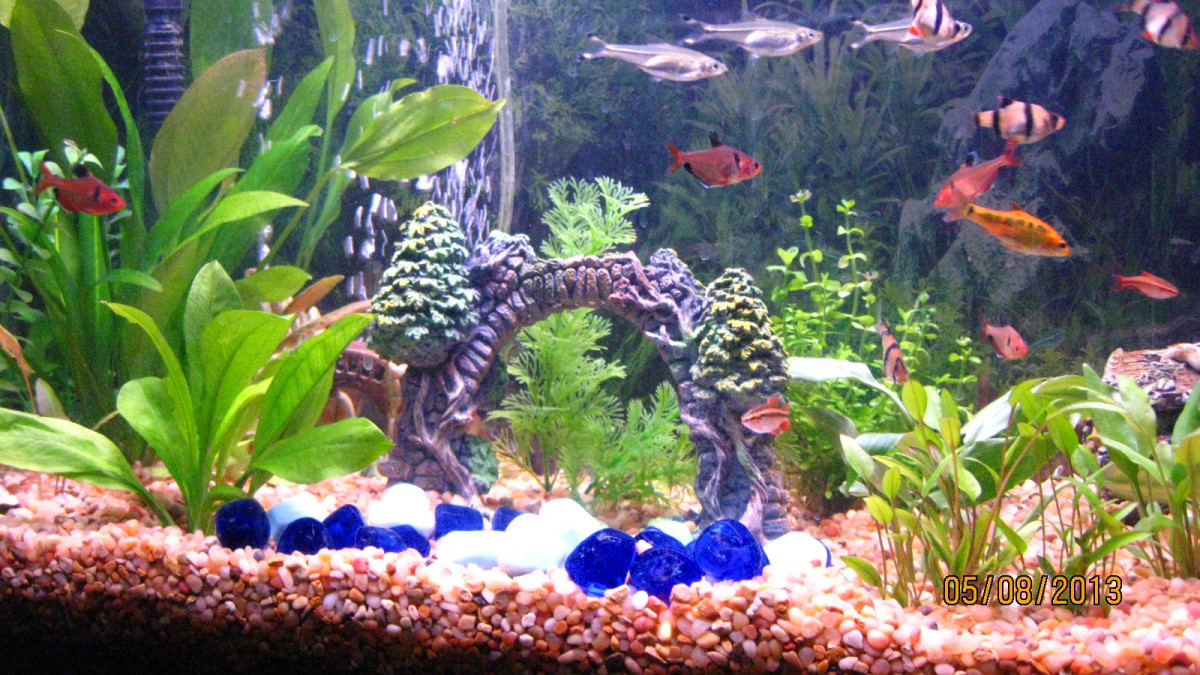
Credit: pethelpful.com
Considering Water Parameters
Choosing the right species for your freshwater aquarium is important. Each fish has specific water needs.
Understanding these needs helps create a healthy environment. Focus on pH, temperature, and hardness.
Ph Preferences
Different fish prefer different pH levels. Some like acidic water, others prefer alkaline.
Check the pH preference of each species before adding them to your tank.
- Neon Tetras: 6.0 – 7.0
- Guppies: 7.0 – 8.0
- Angelfish: 6.5 – 7.5
Temperature Range
Temperature is vital for fish health. Most tropical fish need warm water.
Ensure your aquarium heater maintains the correct range for your fish.
| Species | Temperature (°C) |
| Betta | 24 – 30 |
| Goldfish | 20 – 23 |
| Corydoras | 22 – 26 |
Hardness And Mineral Needs
Water hardness affects fish well-being. Soft water has fewer minerals, hard water has more.
Some species thrive in specific hardness levels. Test your water to match fish needs.
- Discus prefer soft water
- Mollies thrive in hard water
- Livebearers need mineral-rich water
Balancing Species Roles
Choosing the right fish for a freshwater community aquarium needs balance. Each species plays a role in the tank.
A good mix keeps the aquarium healthy and interesting. Fish at different levels help keep the water clean.
Bottom Dwellers
Bottom dwellers live near the aquarium floor. They eat leftover food and clean up debris.
These fish help keep the tank clean by eating waste that sinks down. They also add movement to the lower tank area.
- Corydoras catfish
- Kuhli loaches
- Suckermouth catfish (plecos)
Mid-level Swimmers
Mid-level swimmers move through the middle of the tank. They are often colorful and active.
These fish eat different foods and help spread movement evenly in the tank. They add beauty and life.
- Tetras
- Barbs
- Gouramis
Surface Dwellers
Surface dwellers stay near the top of the water. They eat floating food and help reduce algae.
These fish need air at the surface and help keep the water surface clean. They also add action to the tank’s top layer.
- Hatchetfish
- Guppies
- Betta fish (only one male per tank)

Credit: www.aqqapet.com
Incorporating Plants And Invertebrates
Adding plants and invertebrates to a freshwater community aquarium helps create a healthy environment. They provide shelter, improve water quality, and add natural beauty.
Choosing the right species is important to keep the aquarium balanced. This guide covers aquatic plants, shrimps, snails, and algae control species.
Aquatic Plants For Shelter
Aquatic plants offer hiding places and breeding grounds for fish and invertebrates. They reduce stress and improve water quality by using up nutrients.
- Java Fern: Easy to care for and attaches to rocks or wood.
- Anubias: Slow-growing and hardy, perfect for beginners.
- Amazon Sword: Provides tall leaves for shelter and oxygen.
- Cryptocoryne: Low light plant with varied leaf shapes and colors.
- Water Wisteria: Fast-growing, helps reduce algae by consuming nutrients.
Shrimps And Snails
Shrimps and snails are great invertebrates for freshwater tanks. They eat leftover food and clean surfaces, reducing waste buildup.
| Species | Benefits | Care Level |
| Cherry Shrimp | Feeds on algae and detritus, colorful | Easy |
| Amano Shrimp | Efficient algae eater, peaceful | Medium |
| Ramshorn Snail | Clears algae and dead plants | Easy |
| Nerite Snail | Excellent algae control, will not overpopulate | Easy |
Algae Control Species
Algae control species help keep the tank clean and balanced. They reduce unwanted algae growth naturally without chemicals.
- Siamese Algae Eater: Active fish that eats many types of algae.
- Otocinclus Catfish: Small, peaceful algae eater for planted tanks.
- Amano Shrimp: Removes algae and leftover food efficiently.
- Nerite Snail: Consumes various algae and does not breed in freshwater.
Avoiding Common Mistakes
Choosing the right species for a freshwater community aquarium is important. Mistakes can cause stress or harm to your fish.
This guide helps you avoid common errors when selecting fish for your tank.
Overstocking Risks
Adding too many fish causes poor water quality and stress. Fish need space to swim and grow.
- Too many fish increase waste, leading to toxic water.
- Fish may fight due to lack of space.
- Oxygen levels drop with too many fish.
- Overcrowding makes it hard to maintain the tank.
Aggressive Species To Avoid
Some fish are aggressive and can harm others. Avoid these species in community tanks.
| Species | Reason to Avoid |
| Oscar | Highly territorial and aggressive |
| Redtail Shark | Chases and bites smaller fish |
| Green Terror | Attacks other fish frequently |
| Betta (Male) | Fights with other males and some species |
Mixing Incompatible Species
Some fish have different needs or temperaments that clash. Mixing them causes problems.
- Fish with different temperature needs may not survive together.
- Bottom dwellers may be stressed by active mid-level swimmers.
- Slow-moving fish get bullied by fast ones.
- Herbivores and carnivores need different diets.
Quarantine And Acclimation Tips
Adding new fish to a freshwater community aquarium needs care. Quarantine and acclimation help keep your tank healthy.
These steps reduce stress for your fish and stop diseases from spreading. Follow simple tips for best results.
Setting Up A Quarantine Tank
A quarantine tank is a separate tank for new fish. It keeps them away from your main aquarium to watch for sickness.
Use a small tank with a filter and heater. Keep the water clean and stable to help fish recover from stress.
- Choose a tank size that fits the new fish comfortably
- Use water from the main tank to keep conditions stable
- Keep the quarantine tank in a quiet place
- Monitor water temperature and quality daily
- Use a gentle filter to avoid stressing fish
Acclimating New Species
Acclimation helps fish adjust to new water conditions slowly. This reduces shock and keeps fish healthy.
Float the sealed bag in the quarantine tank for 15 to 30 minutes. Then, add small amounts of tank water into the bag every 10 minutes.
- Keep the bag floating to equalize temperature
- Add tank water slowly to the bag over 30 to 60 minutes
- Do not pour the bag water directly into the quarantine tank
- Use a net to move fish to the tank gently
Monitoring Health And Behavior
Watch your new fish closely during quarantine. Look for signs of illness or unusual behavior.
Check daily for changes in eating, swimming, or appearance. Early detection helps treat problems faster.
- Look for spots, redness, or torn fins
- Note if fish hide or swim erratically
- Watch if fish eat normally or refuse food
- Test water regularly to keep it clean
- Keep a record of any changes to share with a vet if needed

Credit: www.completekoi.com
Frequently Asked Questions
What Are The Best Fish Species For Freshwater Community Tanks?
Tetras, guppies, mollies, and corydoras catfish are ideal for community tanks. They are peaceful, small, and compatible with many species, ensuring a harmonious environment.
How Do I Choose Compatible Species For My Aquarium?
Select species with similar water, temperature, and dietary needs. Avoid aggressive or territorial fish to prevent conflicts and stress in your community tank.
Can I Mix Different Fish Sizes In One Tank?
Yes, but avoid mixing very large and very small fish. Larger fish may bully or eat smaller ones, disrupting the tank’s balance and safety.
What Plants Support Freshwater Community Aquariums?
Java fern, Anubias, and hornwort provide hiding spots and improve water quality. They create a natural habitat that reduces stress and enhances fish health.
Conclusion
Choosing the right species shapes a healthy aquarium environment. Each fish adds color and life to your tank. Think about size, behavior, and water needs first. Mix species that live well together. Keep water clean and feed them properly. Watch your fish daily for signs of stress.
A happy community aquarium brings joy and peace. Small steps make a big difference in fish care. Enjoy the journey of creating your underwater world.