
If you want your species tank to thrive, clean and clear water is a must. But how do you keep your water fresh and healthy for your aquatic friends?
Knowing how to filter water in a species tank can make all the difference. You’ll learn simple, effective methods that protect your fish and plants while making maintenance easier. Keep reading to discover the secrets that will transform your tank into a safe, vibrant home for your species.
Your tank—and your fish—will thank you.
Choosing The Right Filter
Keeping water clean in a species tank is key to healthy fish and plants. A good filter removes waste and toxins. Choosing the right filter depends on your tank size and the species you keep.
Filters come in many types and use different media. Each type works best in certain situations. Understanding these options helps you pick the best filter for your tank.
Types Of Filters
There are several common filter types used in species tanks. Each type has its own way of cleaning the water.
- Hang-on-back (HOB) filters:Easy to install and maintain, hang on the tank’s edge.
- Canister filters:Sit outside the tank and offer strong filtration for larger tanks.
- Sponge filters:Gentle on small or delicate species, ideal for breeding tanks.
- Internal filters:Placed inside the tank and good for small spaces.
- Undergravel filters:Use the tank gravel as a filter medium, less common today.
Filter Size And Capacity
Choose a filter that matches your tank size. Filters have capacity ratings based on gallons per hour (GPH). The filter should cycle all tank water several times an hour.
| Tank Size (Gallons) | Recommended Filter Capacity (GPH) |
|---|---|
| 10-20 | 100-200 |
| 20-40 | 200-400 |
| 40-60 | 400-600 |
| 60-100 | 600-1000 |
Filter Media Options
Filter media cleans water in different ways. Using a mix improves water quality and keeps fish safe.
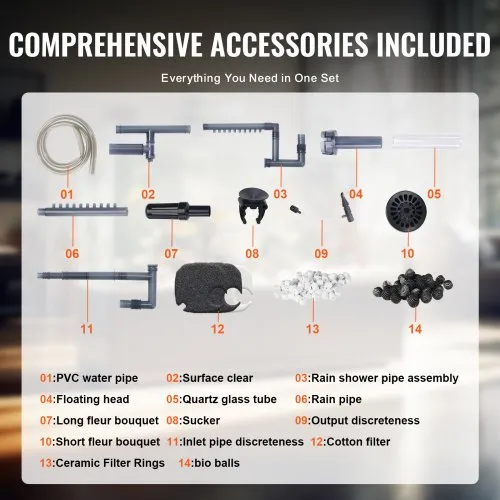
- Mechanical media:Sponges or floss trap debris and dirt.
- Chemical media:Activated carbon removes odors and toxins.
- Biological media:Ceramic rings or bio balls support beneficial bacteria.
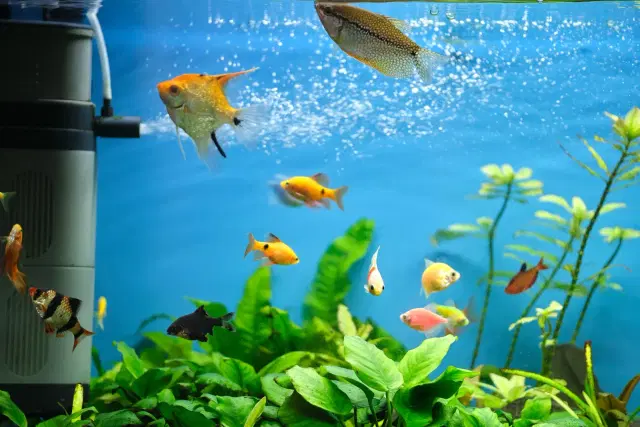
Credit: aquadecorbackgrounds.com
Setting Up The Filter
Filtering water in a species tank is essential for the health of aquatic life. Proper setup ensures clean and safe water.
This guide helps you set up your filter correctly to maintain a healthy tank environment.
Placement In The Tank
Correct placement of the filter is key to effective water circulation. Position the filter where it can work best.
- Place the filter near the water surface for optimal flow.
- Avoid placing it too close to decorations.
- Ensure that the filter intake is unobstructed.
Installation Steps
Follow these steps to install your filter. Proper installation is crucial for the filter to function well.
- Unbox the filter and check all parts.
- Attach the intake and outflow tubes.
- Secure the filter in its chosen place.
- Connect the filter to a power source.
Initial Testing
Testing the filter ensures it is working correctly. Conduct a simple test to verify proper operation.
| Test | Result |
| Check water flow | Steady flow observed |
| Listen for noise | Quiet operation |
| Inspect water clarity | Clear after 24 hours |
Maintaining Water Clarity
Clear water is vital for a healthy species tank. It helps fish stay healthy and shows off their natural colors. Keeping water clear needs regular care and attention.
Filtering water properly removes waste and stops cloudiness. This guide covers key ways to maintain water clarity in your tank.
Regular Cleaning Schedule
Cleaning your tank often keeps dirt and waste from building up. It also helps the filter work better. Set a fixed cleaning schedule that fits your tank size and species.
- Remove uneaten food and debris daily.
- Change 10-20% of the water weekly.
- Clean the tank walls and decorations monthly.
- Check water clarity after each cleaning.
Replacing Filter Media
Filter media traps particles and harmful chemicals. Over time, it clogs and loses power. Changing it on time keeps water clear and safe for fish.
| Filter Media Type | Replacement Frequency | Purpose |
|---|---|---|
| Mechanical (sponges, pads) | Every 2-4 weeks | Traps debris and dirt |
| Chemical (activated carbon) | Every 3-4 weeks | Removes odors and toxins |
| Biological (ceramic rings, bio balls) | Replace only if damaged | Supports beneficial bacteria |
Managing Water Flow
Water flow moves waste to the filter and keeps oxygen levels high. Too strong or too weak flow harms fish and cloud water. Adjust flow based on tank needs.
Tips to manage flow:
- Use adjustable pumps to control speed.
- Place filter outlets to avoid strong currents near fish.
- Check flow regularly and change settings if needed.
- Clean pump impellers to keep steady flow.
Supplementary Filtration Methods
Filtering water in a species tank keeps the environment safe. Basic filters remove many impurities.
Supplementary methods help improve water quality. These methods add extra cleaning power.
Using Activated Carbon
Activated carbon removes odors and chemicals from water. It traps impurities that harm fish.
- Place activated carbon in a mesh bag
- Put the bag inside the filter compartment
- Replace carbon every 3-4 weeks
- Do not boil or rinse with soap before use
Adding Biological Filters
Biological filters grow good bacteria. These bacteria break down fish waste and harmful toxins.
| Type | Function | Maintenance |
| Bio Balls | Provide surface for bacteria | Rinse in tank water monthly |
| Ceramic Rings | Trap debris and support bacteria | Clean gently every 2 months |
| Sponges | Filter particles and host bacteria | Rinse weekly in tank water |
Employing Uv Sterilizers
UV sterilizers kill harmful microorganisms. They help control algae and disease in the tank.
Water passes by a UV light bulb inside the device. This light stops bacteria and parasites from growing.
- Install sterilizer after mechanical filtration
- Clean quartz sleeve regularly
- Replace UV bulb once a year
- Do not use UV sterilizer as the only filter
Troubleshooting Common Issues
Keeping water clean in a species tank is important for fish health. Sometimes, filters may not work perfectly.
We will look at common problems and how to fix them to keep the tank safe and clear.
Dealing With Cloudy Water
Cloudy water is a common problem in species tanks. It can happen from dirt, waste, or bacteria.
Cleaning the filter and changing some water often helps clear the water quickly.
- Check if the filter media needs cleaning or replacing
- Do a partial water change of 20-30%
- Avoid overfeeding to reduce waste
- Make sure the filter pump is working well
Handling Filter Noise
Filters sometimes make noise that can bother you or stress fish. Noise often means a problem.
Cleaning the filter parts and checking water levels can reduce noise and keep the filter running smoothly.
- Remove debris from the impeller and housing
- Ensure the filter is fully submerged in water
- Tighten any loose parts
- Replace worn out or broken components
Preventing Algae Growth
Algae can grow fast and make the tank look dirty. It also uses oxygen that fish need.
Controlling light and cleaning regularly helps keep algae under control in your tank.
- Limit tank light to 8-10 hours daily
- Do regular water changes and clean tank surfaces
- Do not overfeed fish to reduce leftover food
- Use algae-eating fish or snails if suitable

Credit: www.blessingsaquarium.com
Tips For Specific Species
Filtering water in a species tank is key to keeping fish healthy. Different species need different filtration setups.
This guide covers filters for freshwater and saltwater species. It also shows how to customize filtration for sensitive fish.
Filters For Freshwater Species
Freshwater tanks need filters that remove waste and keep water clear. Sponge filters and canister filters work well.
- Sponge filters provide gentle water flow for small fish and fry.
- Canister filters offer strong mechanical and biological filtration.
- Hang-on-back filters are easy to install and maintain.
- Use activated carbon to remove odors and discoloration.
Filters For Saltwater Species
Saltwater tanks require filters that handle strong waste and maintain water chemistry. Protein skimmers are important.
| Filter Type | Function | Best For |
| Protein Skimmer | Removes organic waste | Marine fish and corals |
| Live Rock | Biological filtration | Saltwater reef tanks |
| Canister Filter | Mechanical and chemical filtration | General saltwater tanks |
| Refugium | Supports beneficial organisms | Improves water quality |
Customizing Filtration For Sensitive Fish
Sensitive fish need gentle filtration and clean water. Avoid strong currents and harsh chemicals.
- Use sponge or low-flow filters to prevent stress.
- Change filter media regularly to keep water clean.
- Test water parameters often to catch problems early.
- Add plants to help filter toxins naturally.
Credit: www.vevor.ca
Frequently Asked Questions
What Is The Best Filter Type For A Species Tank?
The best filter type for a species tank is a sponge filter. It provides gentle filtration and good oxygenation without disturbing delicate species or substrate.
How Often Should I Clean The Filter In My Species Tank?
Clean your species tank filter every 2 to 4 weeks. Avoid over-cleaning to preserve beneficial bacteria essential for a healthy tank environment.
Can I Use A Hang-on-back Filter For Species Tanks?
Yes, hang-on-back filters work well if adjusted for low flow. They offer mechanical, chemical, and biological filtration suitable for many species tanks.
Why Is Biological Filtration Important In A Species Tank?
Biological filtration breaks down harmful ammonia and nitrites into less toxic nitrates. It maintains water quality and supports the health of your aquatic species.
Conclusion
Filtering water in a species tank keeps fish healthy and happy. Clean water removes waste and harmful chemicals. Choose the right filter for your tank size and fish type. Regularly check and clean the filter to keep it working well.
Good water quality helps fish grow and stay active. Simple steps can make a big difference in your tank’s health. Keep learning and caring for your species tank every day. Clear water means a better home for your aquatic pets.