
Setting up the perfect tank for your marine fish can feel overwhelming. You want your underwater friends to thrive, but where do you start?
The right tank setup makes all the difference in keeping your marine fish healthy and vibrant. You’ll discover simple yet effective tips to create the best environment for your marine species. By the end, you’ll know exactly how to design a tank that not only looks stunning but also keeps your fish happy and thriving.
Ready to transform your aquarium into a thriving marine paradise? Let’s dive in!
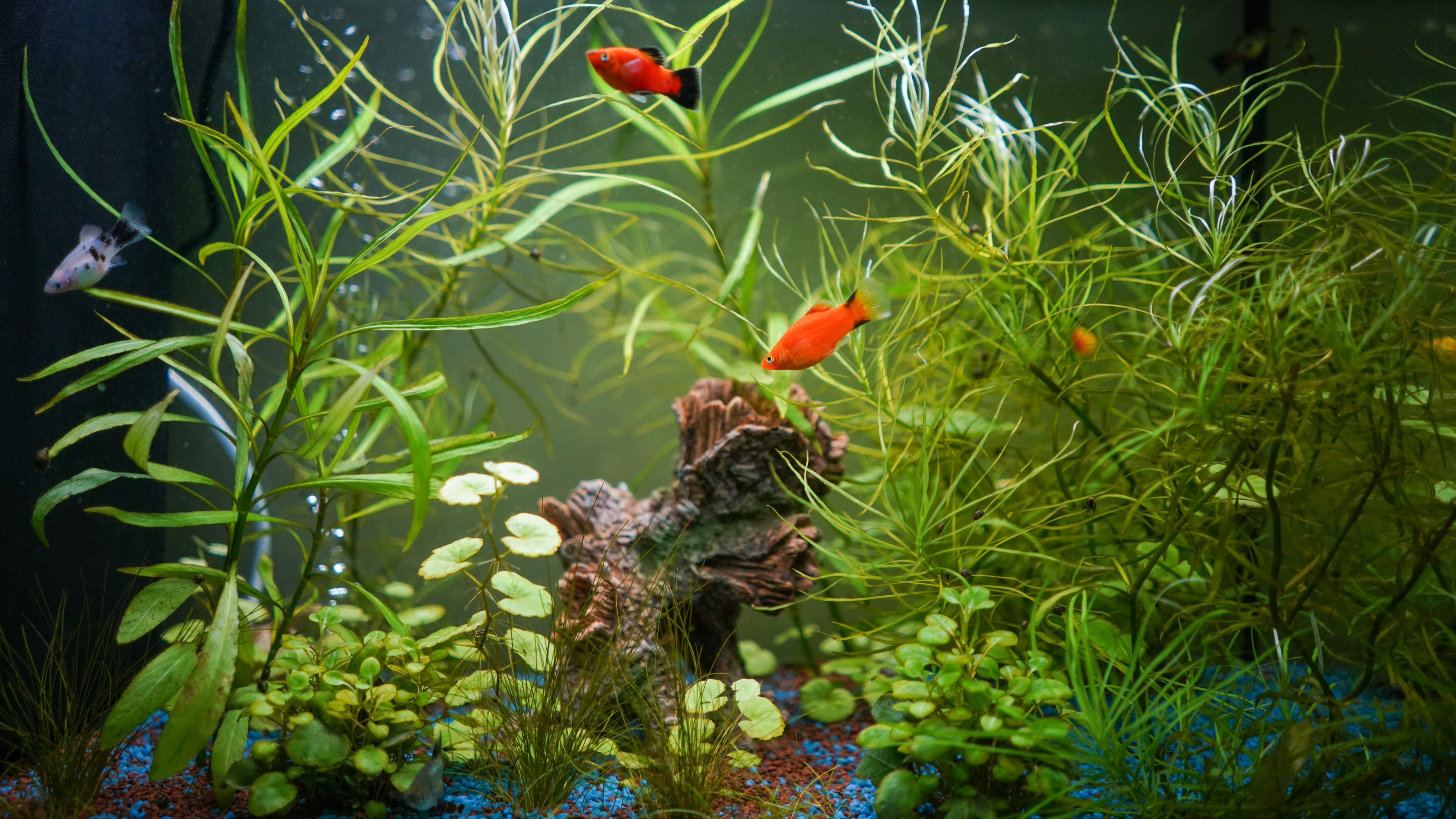
Credit: www.petsradar.com
Choosing The Right Tank
Selecting the proper tank is important for marine fish health. It helps create a stable environment for your aquatic pets.
This guide focuses on key points to consider when choosing a tank for marine fish species.
Tank Size Considerations
Tank size affects fish comfort and water quality. Bigger tanks give more space and stable conditions.
- Choose a tank size that fits the number of fish you want.
- Allow extra space for fish growth and movement.
- Bigger tanks reduce rapid changes in water parameters.
- Consider the space available in your room for the tank.
Material Options
Tank materials affect durability and clarity. Two popular choices are glass and acrylic.
| Material | Advantages | Disadvantages |
| Glass | Scratch resistant and clear | Heavier and can crack |
| Acrylic | Lighter and more impact resistant | Scratches easily and less clear |
Placement Tips
Where you place the tank affects fish health and maintenance.
- Keep the tank away from direct sunlight to avoid algae growth.
- Place the tank on a sturdy, level surface that can hold its weight.
- Avoid locations near heaters or air conditioners to keep temperature stable.
- Allow easy access for feeding and cleaning tasks.
Selecting Suitable Marine Fish
Choosing the right marine fish is important for a successful tank. Beginners should start with easy-to-care-for species.
Consider fish that are hardy and can adapt to different tank conditions. This will help you have a thriving marine aquarium.
Popular Species For Beginners
Some marine fish are ideal for beginners. They are easy to care for and adapt well to new environments.
- Clownfish: Known for their bright colors and friendly nature.
- Damselfish: Hardy and come in various colors.
- Gobies: Small, peaceful, and good for small tanks.
Compatibility Factors
Fish compatibility is important to avoid conflicts in the tank. Choose species that live well together.
Consider the size, temperament, and habitat needs of the fish. This ensures a peaceful and balanced tank environment.
- Similar sized fish usually get along better.
- Peaceful species are best for community tanks.
- Check if fish need different water conditions.
Avoiding Aggressive Fish
Avoid aggressive fish to maintain a peaceful tank. Aggressive fish can harm others and stress them out.
Research each fish’s behavior before adding them to your tank. This helps in creating a safe environment for all species.
- Triggerfish are known for their aggression.
- Some species of Wrasse can be territorial.
- Avoid housing predatory fish with smaller species.
Essential Equipment
Setting up a tank for marine fish needs careful planning. The right equipment keeps fish healthy and happy.
This guide covers the key tools needed for a successful marine fish tank.
Filtration Systems
Filtration removes waste and keeps water clean. Marine tanks need strong filters to handle saltwater conditions.
- Mechanical filters catch debris and particles.
- Biological filters support beneficial bacteria that break down waste.
- Chemical filters remove toxins and impurities.
- Sump filters increase water volume and improve filtration.
Lighting Needs
Marine fish and corals need proper lighting. The right light supports growth and natural behavior.
| Type | Description | Best For |
| LED | Energy efficient and long-lasting | Most marine fish tanks |
| T5 Fluorescent | Good color spectrum, moderate heat | Coral growth and reef tanks |
| Metal Halide | Strong light penetration, high heat | Deep tanks and corals |
Heating And Temperature Control
Marine fish need stable water temperatures. Use heaters and controllers for best results.
- Choose a heater suitable for your tank size.
- Use a thermostat to keep temperature steady.
- Place heater away from filter outlets for even heat.
- Check temperature daily with a reliable thermometer.
Aeration And Water Movement
Good water flow provides oxygen and helps waste removal. Marine tanks need pumps and air stones.
| Equipment | Purpose | Notes |
|---|---|---|
| Powerheads | Create water currents | Adjustable flow for fish comfort |
| Air Stones | Increase oxygen levels | Works well with air pumps |
| Wave Makers | Simulate ocean waves | Prevents dead spots in tank |

Credit: www.youtube.com
Creating The Perfect Environment
Setting up a tank for marine fish takes careful planning. The right environment helps fish stay healthy and active.
Each part of the tank plays a role, from the bottom layer to the water itself. Let’s explore key areas for a great marine tank.
Substrate Choices
Substrate is the material on the tank floor. It affects water quality and fish comfort. Sand and crushed coral are common choices.
Sand is soft and safe for bottom dwellers. Crushed coral helps keep water pH stable. Choose based on fish needs and tank style.
Decor And Hiding Spots
Marine fish need places to hide and feel safe. Decorations like caves and plants offer shelter and reduce stress.
- Use natural rocks and coral pieces
- Add artificial caves or tunnels
- Include live or fake plants for cover
- Arrange items to create open swimming areas
Live Rock And Coral
Live rock and coral add beauty and help keep water clean. They provide surfaces for beneficial bacteria.
| Type | Benefit | Care Notes |
| Live Rock | Filters water naturally | Needs proper curing before use |
| Hard Coral | Adds color and structure | Requires strong lighting and flow |
| Soft Coral | Easy to care for | Tolerates lower light levels |
Water Chemistry Basics
Good water quality is key to marine fish health. Keep temperature, pH, and salinity in the right range.
- Temperature: 75°F to 80°F (24°C to 27°C)
- pH: 8.1 to 8.4
- Salinity: 1.020 to 1.025 specific gravity
- Ammonia and Nitrite: 0 ppm
- Nitrate: Less than 20 ppm
Water Maintenance And Quality
Maintaining clean water is very important for marine fish health. Good water quality helps fish live longer and stay active.
Marine tanks need careful water care to keep fish safe. Regular checks and changes keep the water perfect.
Regular Testing And Monitoring
Testing water often helps catch problems early. Check key factors like pH, ammonia, nitrite, and nitrate levels.
Use water test kits weekly to keep track. Record results to see trends and act fast if needed.
- Test pH to keep it stable between 8.0 and 8.4
- Check ammonia; it should always be zero
- Monitor nitrite; this must stay at zero too
- Keep nitrate low, below 20 ppm
Water Change Schedules
Regular water changes remove waste and keep water fresh. Change 10-20% of water every one or two weeks.
Use clean saltwater that matches your tank’s conditions. Avoid sudden big changes to protect your fish.
- Change 10-20% of water weekly or biweekly
- Use water at the same temperature as the tank
- Mix saltwater properly before adding it
- Remove debris from the tank before water change
Managing Salinity Levels
Salinity affects fish health and behavior. Keep salinity steady between 1.020 and 1.025 specific gravity.
Use a hydrometer or refractometer to measure salinity. Adjust salt or fresh water to maintain the right level.
- Check salinity weekly with proper tools
- Add freshwater to lower salinity if needed
- Add marine salt mix to raise salinity carefully
- Avoid quick changes to prevent fish stress
Feeding And Nutrition
Feeding marine fish the right food is very important. Good nutrition keeps fish healthy and active.
Different fish need different foods. Knowing what and how often to feed helps your tank thrive.
Diet Types For Marine Fish
Marine fish eat many food types. Some eat plants, others eat meat, or both. Choose food that matches their natural diet.
- Herbivores eat algae and seaweed.
- Carnivores eat small animals like shrimp and fish.
- Omnivores eat both plants and animals.
- Many fish enjoy flakes or pellets made for marine species.
Feeding Frequency
Feed marine fish small amounts several times a day. This matches how they eat in the wild.
Young fish may need more frequent feedings. Adult fish usually eat twice daily.
- Feed young fish 3 to 4 times daily.
- Feed adult fish 1 to 2 times daily.
- Remove uneaten food to keep water clean.
Supplements And Treats
Supplements help marine fish get extra vitamins and minerals. Treats can add variety to their diet.
Use supplements like vitamin-enriched flakes or frozen foods occasionally. Treats include live brine shrimp or chopped seafood.
- Use supplements 1-2 times a week.
- Offer treats once or twice weekly.
- Do not overfeed supplements or treats.
Health And Disease Prevention
Keeping marine fish healthy starts with the right tank setup. Clean water, good food, and proper care help prevent diseases.
This guide covers common illnesses, quarantine steps, and how to spot and treat stress in your fish.
Common Marine Fish Illnesses
Marine fish can get sick from bacteria, parasites, or poor water conditions. Early detection helps save fish.
- Ich (White Spot Disease): Small white spots on the body and fins.
- Marine Velvet: A dusty gold or rust-colored coating on fish skin.
- Fin Rot: Edges of fins look ragged or frayed.
- Brooklynella: Causes heavy mucus and breathing problems.
- Fungal Infections: White cotton-like growths on skin or fins.
Quarantine Procedures
Quarantine new fish before adding them to your main tank. This stops the spread of disease.
| Step | Action |
| 1 | Set up a separate tank with clean saltwater. |
| 2 | Keep fish in quarantine for 2 to 4 weeks. |
| 3 | Watch for signs of illness daily. |
| 4 | Treat any sickness before moving fish. |
| 5 | Only add fish to the main tank if they stay healthy. |
Signs Of Stress And How To Respond
Fish show stress by changing behavior or appearance. Acting fast helps prevent sickness.
- Loss of appetite: Feed less and check water quality.
- Clamped fins: Ensure stable temperature and low noise.
- Hiding often: Reduce tank crowding and bright light.
- Rapid breathing: Check oxygen levels and water flow.
- Color fading: Test water for toxins and clean filter.
Tank Cycling And Setup Timeline
Setting up a marine fish tank needs careful planning. Cycling the tank prepares it for fish safely.
This process takes time and patience. Knowing the timeline helps keep your fish healthy.
Steps To Cycle A Marine Tank
Begin by adding saltwater and live rock to the tank. This starts the natural bacteria growth.
- Add saltwater mixed to correct salinity.
- Place live rock to provide surface for bacteria.
- Start a source of ammonia, like fish food or pure ammonia.
- Run filter and heater to keep stable conditions.
- Test water daily for ammonia, nitrite, and nitrate levels.
Monitoring Cycle Progress
Track the levels of ammonia, nitrite, and nitrate carefully. Each stage shows how the cycle is moving.
| Parameter | Expected Level | Meaning |
| Ammonia | High then drops to 0 ppm | New waste entering the tank |
| Nitrite | Rises after ammonia then falls to 0 ppm | Bacteria converting ammonia |
| Nitrate | Rises slowly | Safe waste form, removed by water changes |
When To Add Fish
Add fish only after ammonia and nitrite reach zero. This shows the tank is safe and stable.
- Wait at least 4-6 weeks for full cycle.
- Start with hardy fish species.
- Add fish slowly over several weeks.
- Keep testing water regularly after adding fish.
Tips For Long-term Success
Setting up a tank for marine fish takes planning and care. A good setup keeps fish healthy and happy for years.
Follow clear steps to keep your tank balanced. This helps avoid common problems like algae and disease.
Routine Maintenance Tasks
Regular cleaning keeps your marine tank stable. Clean water and equipment help fish thrive.
Check water quality often. Test for pH, salinity, and ammonia levels. Change water weekly or biweekly.
- Remove uneaten food and debris daily
- Clean filters and pumps every 2-4 weeks
- Trim plants and remove dead coral
- Check fish for signs of illness regularly
Upgrading Equipment
Good equipment makes tank care easier and fish healthier. Upgrade gear as your tank grows or needs change.
Choose energy-saving lights that support coral and fish health. Use strong, quiet filters to keep water clean.
- Use a reliable heater with temperature control
- Install a protein skimmer to remove waste
- Add automatic feeders for consistent feeding
- Consider wave makers to improve water flow
Community Resources And Support
Join marine fish communities for advice and help. Experienced hobbyists share tips and troubleshoot problems.
Visit local fish stores and online forums for updates on care and equipment. Learning from others saves time and money.
- Ask questions in marine fish forums
- Attend local aquarium club meetings
- Read blogs and watch care videos
- Share your experience with new hobbyists

Credit: www.reddit.com
Frequently Asked Questions
What Is The Ideal Tank Size For Marine Fish Species?
The ideal tank size depends on fish species and quantity. Generally, a minimum of 30 gallons is recommended for beginners. Larger tanks offer more stable water conditions and better swimming space. Research specific species requirements for optimal tank dimensions and health.
How Do I Maintain Water Quality In A Marine Tank?
Regular water testing and changes are essential to maintain water quality. Use a reliable filter and protein skimmer to remove waste. Monitor salinity, pH, and temperature consistently. Proper water quality ensures healthy marine fish and prevents disease outbreaks.
Which Substrate Is Best For Marine Fish Tanks?
Live sand or aragonite-based substrates are ideal for marine fish tanks. They help maintain stable pH and provide beneficial bacteria for biological filtration. Avoid sharp or coarse substrates that can harm delicate fish. Substrate choice impacts water chemistry and tank aesthetics.
How Important Is Lighting For Marine Fish Setup?
Lighting is crucial for marine fish and coral health. It supports natural behavior, feeding, and coloration. Use LED or T5 fluorescent lights with adjustable intensity. Match lighting duration to natural day cycles, usually 8-12 hours daily, to avoid stress and algae overgrowth.
Conclusion
Creating the best tank setup helps marine fish stay healthy and happy. Clean water and proper filtration keep fish safe. Choosing the right plants and decorations gives them a natural home. Regular care and feeding make the tank thrive. Every small step matters for a beautiful marine aquarium.
Enjoy watching your fish live their best life in a well-prepared tank. Simple actions lead to great results. Your marine fish will thank you with vibrant colors and active swimming.