
Keeping your freshwater fish healthy starts with one simple but crucial factor: the right aquarium temperature. If you’ve ever wondered why your fish seem stressed or inactive, the answer might be hiding in the water’s warmth.
Getting the temperature just right isn’t as tricky as it sounds, and it can make a huge difference in how your fish thrive. You’ll discover exactly what temperature suits different freshwater species and how to maintain it easily. Ready to create the perfect home for your finned friends?
Let’s dive in.
Credit: www.ratemyfishtank.com
Ideal Temperature Ranges
Maintaining the right water temperature is important for freshwater fish health. Each species has its own ideal range. Keeping the tank in this range helps fish stay active and healthy.
Too hot or too cold water can stress fish. Stress may cause illness or death. Knowing the right temperature range protects your fish.
Tropical Freshwater Fish
Tropical freshwater fish live in warm water. Their ideal temperature is usually between 75°F and 80°F (24°C to 27°C). This warmth helps their metabolism and activity.
Common tropical fish like guppies, tetras, and angelfish need stable temperatures. Sudden changes can cause stress and illness.
- Ideal range: 75°F to 80°F (24°C to 27°C)
- Keep temperature steady
- Use a heater for stability
Coldwater Freshwater Fish
Coldwater freshwater fish prefer cooler water. Their range is usually 60°F to 72°F (16°C to 22°C). They do well in less heated tanks.
Species like goldfish and danios thrive in these cooler temperatures. Avoid warming their water too much to keep them healthy.
- Ideal range: 60°F to 72°F (16°C to 22°C)
- No heater needed in cool rooms
- Watch for temperature spikes
Temperature Preferences By Species
Different fish species have different temperature needs. Some like very warm water. Others need cooler conditions. Knowing each species helps you create the best tank.
| Fish Species | Ideal Temperature (°F) | Ideal Temperature (°C) |
|---|---|---|
| Guppy | 74 – 82 | 23 – 28 |
| Angelfish | 76 – 82 | 24 – 28 |
| Neon Tetra | 70 – 81 | 21 – 27 |
| Goldfish | 65 – 72 | 18 – 22 |
| Betta | 76 – 81 | 24 – 27 |
| Zebra Danio | 64 – 75 | 18 – 24 |
Effects Of Temperature On Fish Health
The temperature of an aquarium is crucial for the health of freshwater fish. It affects their body functions and overall well-being. Keeping the right temperature ensures fish live happily and healthily.
Different fish species need specific temperature ranges. A change in temperature can influence their growth, immune system, and behavior. Let’s explore how temperature impacts these aspects.
Metabolism And Growth
Fish metabolism depends on water temperature. Warmer water speeds up metabolism. This can lead to faster growth. However, too much heat can cause stress.
Cold water slows down metabolism. This makes fish less active and can slow their growth. It’s important to maintain the right temperature for balanced growth.
Immune System Impact
Temperature changes can weaken a fish’s immune system. Warm temperatures may increase the risk of diseases. It can make fish more vulnerable to infections.
Cold temperatures can also harm the immune system. It makes fish less able to fight off sickness. Keeping a stable temperature helps maintain a strong immune system.
Behavioral Changes
Temperature affects how fish behave. In warm water, fish may become more active. They might swim faster and eat more.
In cooler water, fish can become sluggish. They may hide more and eat less. Consistent temperature helps fish keep normal behavior patterns.
Temperature Control Tools
Keeping the right temperature is key for freshwater fish health. Different fish need different water temperatures.
Using the right tools helps keep the water stable and safe for your aquarium fish.
Aquarium Heaters
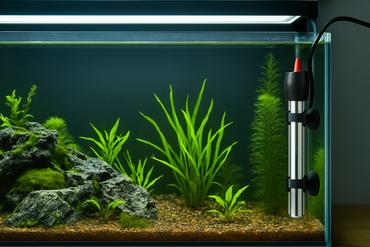
Aquarium heaters keep the water warm for tropical freshwater fish. They come in many sizes and types.
- Submersible heaters are placed inside the tank.
- Inline heaters fit into the water filter system.
- Adjustable heaters let you set the exact temperature.
- Heaters with built-in thermostats turn off when the water is warm enough.
Chillers For Cool Water
Chillers cool the water for fish that need lower temperatures. They are useful in warm climates.
| Chiller Type | Use | Key Feature |
| Thermoelectric | Small tanks | Quiet and energy efficient |
| Compressor | Large tanks | Powerful cooling |
| Fan-based | Moderate cooling | Less expensive |
Thermometers And Monitoring Devices
Thermometers measure water temperature. Monitoring devices track changes over time.
- Stick-on digital thermometers show temperature outside the tank.
- Floating thermometers sit inside the water.
- Wireless monitors send alerts if temperature moves out of range.
- Smart devices connect to phones for easy tracking.
Credit: www.ratemyfishtank.com
Maintaining Stable Conditions
Keeping the right temperature in a freshwater aquarium is important for fish health. Stable water temperature helps fish stay active and healthy.
Sudden temperature changes can stress fish and cause illness. It is best to keep conditions steady for all freshwater species.
Avoiding Temperature Fluctuations
Fish need a steady temperature to stay healthy. Avoid sudden hot or cold changes in the water. Even small swings can harm fish.
Use a reliable aquarium heater with a thermostat to keep the temperature steady. Check the temperature daily with a good thermometer.
- Do not place the aquarium near windows or vents.
- Keep the heater set to the right range for your fish.
- Change water slowly to avoid cold or hot shocks.
Placement Of Aquarium
Place the aquarium in a stable environment away from direct sunlight. Sunlight can heat the water quickly and cause spikes.
Avoid locations near air conditioners, heaters, or drafty windows. These areas cause the water temperature to change often.
- Choose a quiet, shaded spot.
- Keep the aquarium away from doors or vents.
- Use a stand that insulates from cold floors.
Seasonal Adjustments
Season changes affect room temperature and aquarium water. Adjust heating or cooling to match the season and protect fish.
In winter, increase heater settings carefully. In summer, use fans or cooling devices to avoid overheating.
- Check aquarium temperature more often in changing seasons.
- Adjust the heater slowly to prevent shocks.
- Use a thermometer to monitor water temperature daily.
Common Temperature-related Issues
Maintaining the right temperature in a freshwater aquarium is vital for fish health. Temperature changes can cause stress and illness.
This guide explains common problems caused by improper aquarium temperatures.
Heat Stress Symptoms
Heat stress happens when water gets too warm. Fish may breathe faster or swim erratically.
- Gasping at the water surface
- Lethargy or slow movements
- Loss of appetite
- Faded colors
- Clamped fins
Cold Shock Effects
Cold shock occurs when water temperature suddenly drops. Fish may become stunned or stop eating.
| Effect | Description |
|---|---|
| Reduced Metabolism | Fish move slowly and eat less |
| Stunned Behavior | Fish float near the surface or bottom |
| Increased Vulnerability | Weakened immune system |
| Death | Severe temperature drops can be fatal |
Disease Risks Linked To Temperature
Incorrect temperatures can lead to many diseases. Warm water can increase parasites and bacteria growth.
Common diseases related to temperature changes include:
- Ich (White Spot Disease)
- Fungal infections
- Fin rot
- Velvet disease
Keep aquarium temperature stable to reduce these risks.
:strip_icc()/close-up-of-fish-swimming-in-aquarium-at-home-742356665-5aa2bab2fa6bcc00377fd8b0.jpg)
Credit: www.thesprucepets.com
Tips For Different Fish Species
Keeping the right temperature in your aquarium is very important. Different fish need different temperatures to stay healthy.
Learn the best temperature tips for popular freshwater fish species. This helps your fish live longer and swim happily.
Betta Fish
Betta fish like warm water. They do best in temperatures between 76°F and 82°F (24°C to 28°C). Cold water can make them sick.
Keep the water stable. Avoid sudden temperature changes. Use a heater to keep the water warm.
- Ideal range: 76°F to 82°F (24°C to 28°C)
- Use a reliable aquarium heater
- Keep water temperature stable
Guppies
Guppies like warm water but can tolerate a wider range. Keep the water between 72°F and 82°F (22°C to 28°C).
A stable temperature helps them breed and stay active. Avoid sudden drops below 70°F (21°C).
- Best range: 72°F to 82°F (22°C to 28°C)
- Stable temperature aids breeding
- Do not let temperature fall below 70°F (21°C)
Goldfish
Goldfish prefer cooler water than tropical fish. Keep their aquarium between 65°F and 75°F (18°C to 24°C).
Avoid warm water over 80°F (27°C). It can stress goldfish and shorten their life.
- Ideal temperature: 65°F to 75°F (18°C to 24°C)
- Do not exceed 80°F (27°C)
- Use a thermometer to monitor temperature
Cichlids
Cichlids come from many places, so their temperature needs vary. Most tropical cichlids like 74°F to 82°F (23°C to 28°C).
Keep the water steady. Sudden changes can cause stress and illness in cichlids.
- Typical range: 74°F to 82°F (23°C to 28°C)
- Maintain stable temperature
- Check specific species needs
Frequently Asked Questions
What Is The Ideal Temperature For Freshwater Aquarium Fish?
The ideal temperature for most freshwater aquarium fish ranges from 72°F to 78°F. Maintaining this range ensures fish health, proper metabolism, and active behavior. Different species may require slight adjustments within this range for optimal well-being.
How Does Temperature Affect Freshwater Fish Health?
Temperature directly influences fish metabolism, immune function, and stress levels. Too high or too low temperatures can cause illness or death. Stable, species-appropriate temperatures promote growth, breeding, and disease resistance in freshwater fish.
Can Temperature Fluctuations Harm Freshwater Fish?
Yes, sudden temperature changes stress freshwater fish and weaken their immune systems. Consistent temperature helps prevent stress-related diseases and promotes overall fish vitality. Use reliable heaters and thermometers to maintain stable conditions.
What Temperature Suits Tropical Freshwater Fish Species?
Tropical freshwater fish thrive best between 75°F and 80°F. This warm range mimics their natural habitat and supports active swimming, feeding, and reproduction. Adjust aquarium heaters to maintain this temperature consistently.
Conclusion
Maintaining the right aquarium temperature helps fish stay healthy and active. Different freshwater species need different temperature ranges. Monitor your tank regularly to keep conditions stable. A steady temperature reduces fish stress and prevents illness. Use a reliable heater and thermometer for accuracy.
Remember, small changes can affect your fish’s well-being. Keep learning about your fish’s needs to provide the best care. Happy fish make a happy tank. Simple steps lead to a thriving aquarium environment.