
Adding new species to your established aquarium can be exciting but also tricky. You want your aquatic friends to thrive, not stress or fight.
If you’re wondering how to make this transition smooth and safe, you’re in the right place. This guide will show you simple, practical steps to introduce new fish or creatures without upsetting your tank’s balance. By the end, you’ll feel confident and ready to expand your underwater community with ease.
Keep reading to discover how to create a happy, healthy home for all your aquatic pets.

Credit: www.reddit.com
Preparing The Aquarium
Introducing new species to your aquarium needs careful preparation. This helps keep all fish safe and healthy.
Preparing the tank properly reduces stress for the new and old fish. It also helps avoid problems later.
Assessing Tank Compatibility
Check if the new species can live with your current fish. Some fish are aggressive or need different water types.
Look at size, behavior, and diet to decide if they fit well together. Avoid adding fish that may fight or harm each other.
- Compare adult sizes of all fish
- Note if fish are peaceful or aggressive
- Match fish that have similar feeding needs
- Avoid mixing species with very different water needs
Checking Water Parameters
Measure your tank’s water temperature, pH, hardness, and ammonia levels. The new fish need water like their natural home.
Keep water stable before adding new fish. Sudden changes can cause stress or illness to the fish.
- Use a reliable test kit for water checks
- Adjust temperature to match new species’ needs
- Keep pH and hardness within safe ranges
- Ensure ammonia and nitrites are zero before adding fish
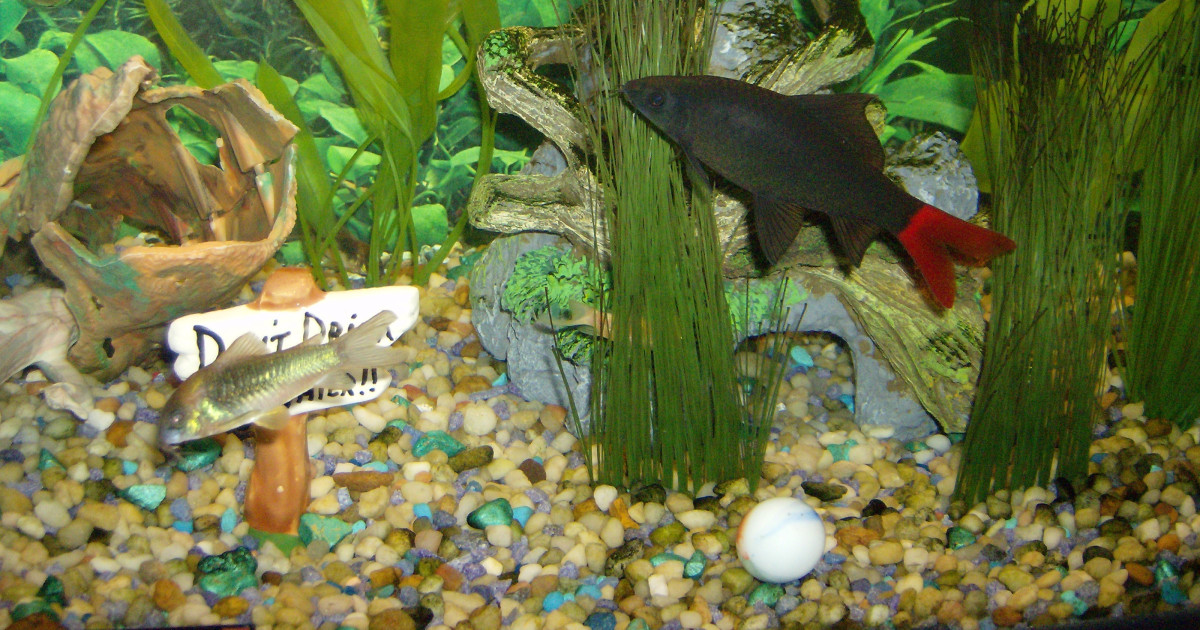
Setting Up Hiding Spots
New fish need places to hide and feel safe. This lowers stress and helps them adjust to the tank.
Add plants, rocks, or decorations to create shelters. Make sure there is enough space for all fish to hide if they want.
- Use live or fake plants for cover
- Add caves or tunnels with safe materials
- Arrange decorations to create separate spaces
- Leave open swimming areas too
Credit: pethelpful.com
Selecting Suitable Species
Introducing new species to your aquarium can be exciting. It is important to choose the right species for your fish tank. This guide will help you make the best choices.
Choosing suitable species involves checking their needs and how they get along with others. You want a peaceful and healthy aquarium.
Matching Temperaments
Fish have different temperaments. Some are calm and friendly. Others can be aggressive or shy. Match temperaments to avoid fights or stress.
- Peaceful fish live well with other calm species.
- Aggressive fish need more space or to be alone.
- Shy fish prefer hiding spots and gentle tank mates.
Considering Size And Behavior
Fish size is important. A small tank may not fit large fish. Some fish grow big over time, so plan for their future size. Behavior also matters.
Active swimmers need room to move. Bottom-dwellers need space at the tank’s bottom. Consider how each fish behaves and moves in water.
Researching Dietary Needs
Different fish have different diets. Some eat plants, while others eat meat. It is important to know what your fish eat to keep them healthy.
Provide the right food for each species. This helps them grow and stay active. Mixed diets can work if you have fish with varied needs.
- Herbivores need plant-based foods.
- Carnivores eat insects or small fish.
- Omnivores can eat both plants and meat.
Quarantine Procedures
Introducing new species to your aquarium needs care. Quarantine helps keep all fish safe.
It stops diseases from spreading to your established fish. Follow these steps carefully.
Setting Up A Quarantine Tank
Use a separate tank for new fish. It should be clean and empty of other animals.
Keep the water conditions like your main tank. Add a filter and heater for stability.
- Choose a tank size that fits the new fish comfortably
- Use a sponge filter to avoid strong water flow
- Keep the water temperature steady
- Do not add plants or decorations at first
Monitoring Health Signs
Watch your new fish closely. Look for signs of stress or illness every day.
Check their swimming, breathing, and eating habits. Notice any spots or injuries on their body.
- Loss of appetite or refusal to eat
- Rapid breathing or gasping at the surface
- Clamped fins or strange swimming patterns
- White spots, redness, or sores on skin
Treating Potential Illnesses
If you see illness signs, act fast. Use proper treatments to stop spreading.
Consult aquarium care guides for safe medicine use. Keep water clean and stable during treatment.
- Use medications designed for the specific disease
- Change water regularly to reduce toxins
- Keep fish separate until fully healed
- Remove uneaten food to avoid water pollution

Credit: www.blessingsaquarium.com
Acclimating New Species
Introducing new species to an aquarium needs care. Proper acclimation helps fish adjust safely.
Following simple methods reduces stress and keeps all fish healthy in the tank.
Floating The Bag Method
Keep the sealed bag with the new fish floating on the aquarium surface. This balances the water temperature inside the bag with the tank water.
Float the bag for 15 to 20 minutes. Avoid opening the bag too soon to prevent temperature shock.
Gradual Water Mixing
Add small amounts of aquarium water into the fish bag every 10 minutes. This helps fish get used to the new water’s chemistry.
- Open the bag carefully after floating
- Add about a quarter cup of tank water to the bag
- Repeat every 10 minutes for 30 to 60 minutes
- Watch the fish for signs of stress during mixing
- Do not rush the process for better results
Timing The Introduction
| Time of Day | Reason |
| Early Morning | Fish are less active and less stressed |
| Late Afternoon | Tank lighting is softer, easing fish adjustment |
| Night (with dim lights) | Reduces aggression from tank mates |
Introduce the new fish at the best time to lower stress. Avoid busy or noisy periods near the tank.
Introducing Species To The Tank
Adding new fish or animals to your aquarium can be exciting. It needs care to keep all species safe.
Introducing new species slowly helps prevent fights and stress in your tank community.
Minimizing Stress
New animals feel scared in a strange place. Stress can cause illness or death in fish.
Use a quarantine tank before adding new species to the main aquarium. This helps stop diseases.
- Keep water temperature and conditions stable
- Turn off bright lights during introduction
- Use a divider to separate new species at first
- Limit sudden movements near the tank
Observing Initial Interactions
Watch the new and old species closely during the first hours and days. Look for signs of aggression.
If fights or chasing happen often, consider separating species for a longer time. Safety is key.
- Note any hiding or stress behavior
- Check if all fish are eating properly
- Look for changes in color or fins
- Be ready to remove aggressive fish if needed
Adjusting Feeding Practices
New species may eat different foods or need more time to find food. Adjust feeding to their needs.
Feed smaller amounts more often to reduce competition. Watch which fish get enough food.
- Use sinking and floating foods for different species
- Feed at multiple tank spots to reduce fights
- Observe feeding to ensure all fish eat well
- Remove leftover food to keep water clean
Post-introduction Care
Introducing new species to an established aquarium is only the first step. After adding new fish, you must care for them carefully. Proper post-introduction care helps the fish settle and stay healthy.
Watch your aquarium closely and make sure all fish adjust well. This guide covers key areas to focus on after introduction.
Monitoring Behavior Changes
Observe the new fish and the existing ones every day. Look for signs of stress or aggression. Healthy fish swim actively and eat well. Shy or hiding fish might need more time to adjust.
- Check if fish swim normally without gasping
- Watch for any unusual spots or wounds
- Note changes in appetite or activity levels
- Spot any chasing or nipping between fish
Maintaining Water Quality
Water quality affects fish health greatly. Keep testing water parameters like pH, ammonia, and nitrate. Change water regularly to remove toxins. Clean filters to keep water clear.
| Parameter | Safe Range |
| pH | 6.5 – 7.5 |
| Ammonia | 0 ppm |
| Nitrite | 0 ppm |
| Nitrate | < 20 ppm |
| Temperature | 24°C – 27°C (75°F – 81°F) |
Handling Conflicts
Conflicts between fish can happen after new introductions. Act quickly to avoid injuries. Separate aggressive fish if needed. Use decorations to create hiding places and reduce stress.
- Move aggressive fish to a quarantine tank
- Add plants or rocks for shelter
- Feed fish well to lower hunger-related fights
- Keep the tank clean to prevent stress
Frequently Asked Questions
How Do I Quarantine New Fish Before Adding Them?
Quarantine new fish for 2-4 weeks in a separate tank. This prevents diseases from spreading to your established aquarium. Monitor their health and behavior closely before introduction.
What Is The Best Way To Acclimate New Species?
Use the drip acclimation method to slowly adjust water parameters. This reduces stress and shock for new species. Acclimate for at least 1-2 hours before release.
Can Different Species Peacefully Coexist In One Tank?
Yes, if species have compatible temperaments and environmental needs. Research species behavior and tank conditions before introducing new fish. Avoid aggressive or territorial species that may harm others.
How Often Should I Monitor Water Quality After Introduction?
Test water parameters daily for the first week after introduction. Watch for ammonia, nitrite, nitrate, and pH changes. Maintaining stable water quality ensures a healthy environment for all species.
Conclusion
Introducing new species to your aquarium takes patience and care. Always check the compatibility of fish before adding them. Quarantine new arrivals to avoid spreading disease. Watch water quality closely to keep your tank healthy. Add fish slowly, not all at once.
Observe their behavior daily for signs of stress. A calm, stable environment helps all fish thrive. Careful steps lead to a happy, balanced aquarium. Enjoy the beauty of your underwater world growing safely.