
If you’re thinking about setting up the best aquarium for freshwater shrimp, you’ve come to the right place. Choosing the perfect tank can make all the difference in keeping your shrimp healthy and happy.
You want an aquarium that’s just the right size, easy to maintain, and creates a safe environment for your tiny friends. You’ll discover exactly what to look for and how to create a shrimp paradise in your own home. Keep reading to find out how to make your aquarium the ideal home for your freshwater shrimp!
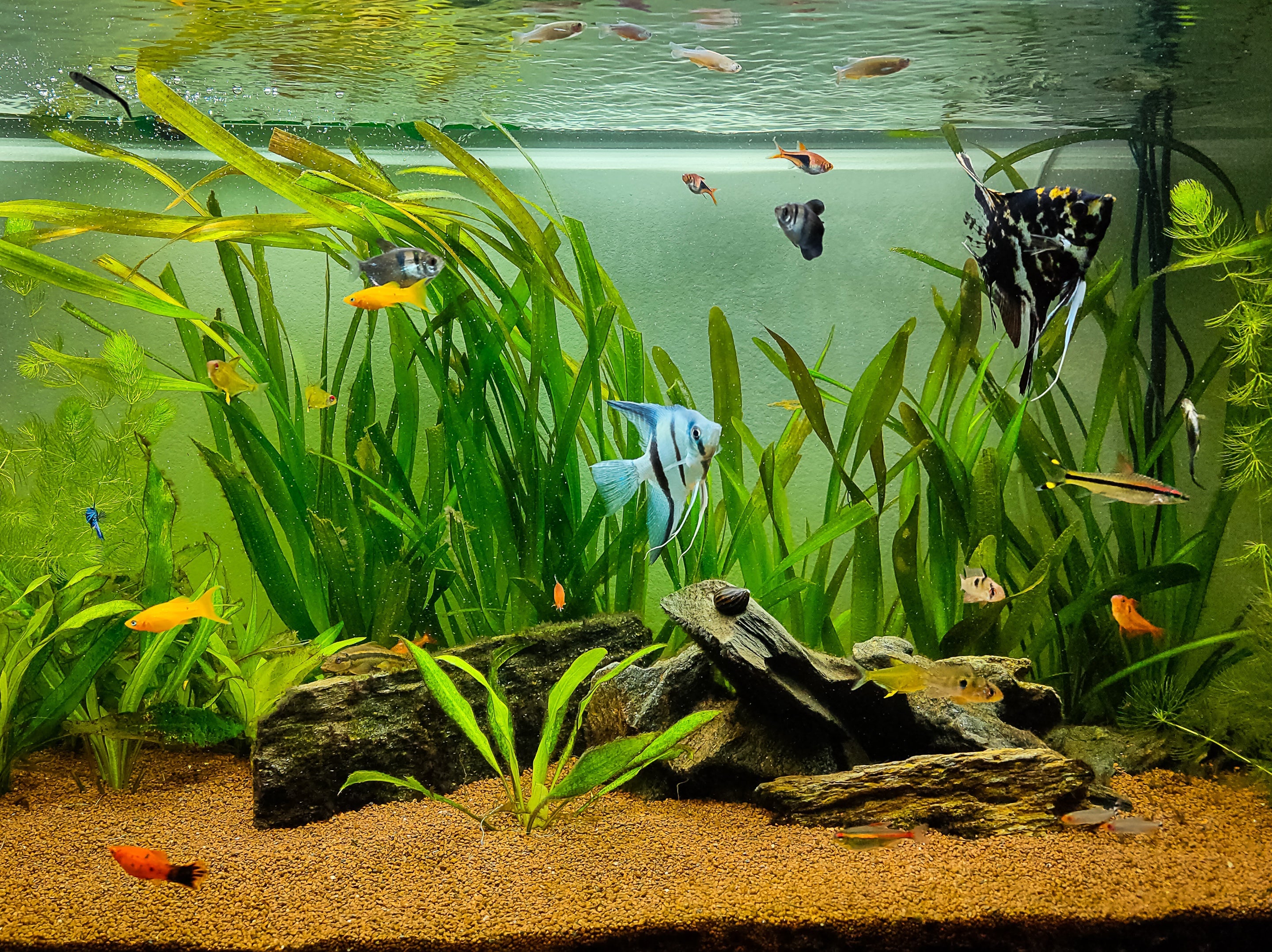
Credit: splashyfishstore.com
Choosing The Right Aquarium Size
Picking the right aquarium size is key for freshwater shrimp. The size affects their health and comfort.
Small or large tanks offer different benefits. Knowing the differences helps you choose well.
Small Vs Large Tanks
Small tanks are easier to fit in small spaces. They need less water and cost less to start.
Large tanks hold more water and provide more room for shrimp. They need more care but offer stable conditions.
- Small tanks: 5 to 10 gallons
- Large tanks: 20 gallons or more
- Small tanks need frequent water checks
- Large tanks support bigger shrimp groups
Space Requirements For Shrimp
Shrimp need space to swim, hide, and find food. Too small tanks can stress them out.
Plants and decorations also take up space. Make sure your tank size fits shrimp and decorations.
- Allow 1 gallon of water per shrimp
- Include plants for hiding spots
- Keep open space for swimming
Impact On Water Stability
Larger tanks hold water better. They keep temperature and chemistry steady over time.
Small tanks change quickly. They need more careful monitoring to keep shrimp safe.
- Large tanks resist sudden changes
- Small tanks react fast to waste and chemicals
- Stable water helps shrimp grow healthy
Tank Shape And Material
Choosing the right aquarium for freshwater shrimp is important. Consider the tank’s shape and material for the best environment.
Different materials and shapes can affect the tank’s look and maintenance needs.
Glass Vs Acrylic Tanks
Glass and acrylic are common materials for tanks. Each has its own advantages.
- Glass Tanks:Known for clarity and scratch resistance.
- Acrylic Tanks:Lightweight and impact-resistant.
Benefits Of Different Shapes
Tank shape can influence the habitat for shrimp. Some shapes provide more surface area, while others enhance viewing.
| Shape | Benefit |
| Rectangle | Maximizes space and surface area |
| Bow Front | Better viewing angles |
| Cube | Compact and uniform |
Ease Of Maintenance
Maintaining a tank is easier with the right material and shape. This influences cleaning and handling.
Consider tanks with flat surfaces for easier cleaning. Rounded edges may require special tools.
Filtration Systems For Shrimp
Freshwater shrimp need clean water to stay healthy and active. A good filtration system helps keep the water clear and safe.
Choosing the right filter is key for a shrimp tank. It must clean the water without stressing the shrimp.
Types Of Filters Suitable For Shrimp
Some filters work better for shrimp tanks than others. Sponge filters are very popular because they are gentle.
Other good options include canister filters and hang-on-back filters with adjustable flow. Avoid filters that create strong suction.
- Sponge filters provide gentle filtration and oxygenation.
- Canister filters offer strong mechanical and biological cleaning.
- Hang-on-back filters are easy to maintain and adjustable.
- Avoid power filters with strong suction that can harm shrimp.
Maintaining Water Quality
Clean water is critical for shrimp health. Filters help remove waste and toxins from the tank.
Regular water changes and checking water parameters like ammonia and nitrite keep the tank safe. Use test kits often.
- Change 10-20% of water weekly to keep it fresh.
- Test water for ammonia, nitrites, and nitrates regularly.
- Keep temperature and pH stable for shrimp comfort.
- Clean filter media gently to avoid killing good bacteria.
Avoiding Strong Currents
Shrimp prefer calm water. Strong currents can stress or injure them.
Choose filters that allow you to control the water flow. Use flow reducers or spray bars to soften the current.
- Use sponge filters with air pumps for gentle water movement.
- Install spray bars to spread water flow evenly.
- Place filter outlets away from shrimp hiding spots.
- Adjust filter flow to low or medium settings.

Credit: www.reddit.com
Heating And Lighting Needs
Freshwater shrimp need stable heating and proper lighting to stay healthy. These factors help create a good environment for shrimp and plants.
Good heating keeps water temperature steady. Lighting supports plant growth and shrimp activity. Both are important for a balanced aquarium.
Optimal Temperature Range
Shrimp grow best in water between 72°F and 78°F (22°C to 26°C). Temperatures outside this range can stress them.
Use a reliable aquarium heater with a thermostat. It keeps the water at a steady temperature all day and night.
Lighting For Plant Growth And Shrimp Health
Plants need light to make food through photosynthesis. Healthy plants improve water quality for shrimp.
Shrimp also benefit from moderate light. Too much light can cause algae, while too little harms plant growth.
- Use LED lights with a full spectrum for plants
- Keep light on for 8 to 10 hours daily
- Avoid direct sunlight to prevent temperature spikes
Energy Efficient Options
Choose energy-saving heaters and LED lights. They use less power and last longer than old models.
Timers help control lighting hours. They reduce energy waste and keep a regular day-night cycle.
- LED lights use less electricity than fluorescent bulbs
- Thermostat heaters keep temperature steady without using extra power
- Automatic timers switch lights on and off at set times
Aquascaping For Vibrant Tanks
Aquascaping creates a beautiful environment for freshwater shrimp. It helps keep shrimp happy and healthy.
Good design uses plants, hiding spots, and decorations to make the tank lively and natural.
Choosing Plants And Substrate
Plants give shrimp places to explore and eat algae. Choose plants that grow well in freshwater tanks.
Substrate is the material at the tank bottom. It helps plants grow and shrimp feel safe.
- Use fine gravel or sand for shrimp to dig easily
- Choose low-light plants like Java moss and Anubias
- Avoid sharp or large substrate that can harm shrimp
- Plants provide oxygen and clean water
Creating Hiding Spots
Shrimp need hiding spots to feel safe from fish and bright lights. These spots reduce stress.
Use decorations and plants to build small shelters and caves for shrimp to hide in.
- Add driftwood or small rocks with gaps
- Use dense plants like moss balls for cover
- Place shrimp tubes or small clay pots for hiding
- Make sure hiding spots are easy to clean
Enhancing Aesthetics
Good aquascaping looks natural and colorful. It creates a relaxing view for you and your shrimp.
Balance plants, rocks, and open spaces to make the tank pleasing to the eye.
- Use different plant heights for depth
- Place bright green plants with darker ones for contrast
- Keep open swimming areas for shrimp activity
- Arrange decorations to look natural, not cluttered

Credit: microaquaticshop.com.au
Top Aquarium Brands And Models
Choosing the right aquarium is important for keeping freshwater shrimp healthy. Many brands offer tanks designed to meet their needs. The best models have good water flow, easy cleaning, and proper size.
This guide shows top aquarium brands and models for shrimp. It includes options for different budgets and user opinions.
Budget-friendly Options
Affordable aquariums can still support shrimp well. These models work for beginners or small spaces. They come in standard sizes and use simple materials.
- Marineland Portrait Glass Aquarium – Compact and clear glass
- Fluval Spec V Aquarium – Small with good filtration
- SeaClear Acrylic Aquarium – Lightweight and durable
- GloFish Aquarium Kit – Includes basic lighting and filter
Premium Aquarium Picks
Premium tanks offer advanced features for shrimp care. These models have better filtration, lighting, and build quality. They suit experienced hobbyists or larger setups.
- Fluval Flex Aquarium – Modern design with strong filtration
- Red Sea MAX Nano – High-quality materials and lighting
- ADA Cube Garden – Crystal clear glass with sturdy frame
- Innovative Marine Nuvo Fusion – Stylish and easy to maintain
User Reviews And Ratings
Users appreciate aquariums that are easy to clean and keep water stable. Good lighting and tank size also get positive feedback. Some models have minor issues with parts or setup.
| Model | Rating (out of 5) | Common User Comments |
|---|---|---|
| Marineland Portrait | 4.2 | Good size for shrimp; filter is quiet |
| Fluval Flex | 4.5 | Looks great; easy to set up |
| ADA Cube Garden | 4.7 | Very clear glass; sturdy build |
| SeaClear Acrylic | 4.0 | Lightweight but scratches easily |
Setting Up Your Freshwater Shrimp Tank
Setting up a tank for freshwater shrimp needs care and the right steps. A well-prepared tank keeps your shrimp healthy and happy.
Follow this guide to create a safe and stable home for your shrimp. Each part is important for success.
Step-by-step Setup Guide
Start with choosing the right tank size and equipment. Clean the tank and add substrate suitable for shrimp.
- Choose a tank of at least 5 gallons
- Use a gentle filter to keep water clean
- Add plants and hiding places
- Use fine gravel or sand as substrate
- Fill the tank with dechlorinated water
Cycling The Tank
Cycling creates good bacteria that keep water safe. This process takes time but is vital for shrimp health.
| Stage | Description | Duration |
|---|---|---|
| Ammonia Rise | Ammonia builds up from waste and decaying matter | 1-2 weeks |
| Nitrite Formation | Bacteria convert ammonia to nitrites, which are toxic | 1-2 weeks |
| Nitrate Formation | Other bacteria convert nitrites to less harmful nitrates | Ongoing |
| Safe for Shrimp | Ammonia and nitrites drop to zero, nitrates stay low | After 4-6 weeks |
Introducing Shrimp Safely
Adding shrimp too fast or into poor water can cause stress or death. Follow these steps to add shrimp safely.
- Check water temperature and quality to match shrimp tank
- Float shrimp bag in tank water for 15-20 minutes to adjust temperature
- Slowly add small amounts of tank water into the bag over 30 minutes
- Use a net to move shrimp into the tank gently
- Avoid adding water from the bag into the tank
- Watch shrimp closely for the first few days
Maintaining A Healthy Shrimp Aquarium
Keeping a freshwater shrimp tank healthy takes regular care. Clean water and proper checks help shrimp live well.
Good habits protect your shrimp from illness and stress. Here are ways to keep your tank safe and clean.
Regular Cleaning Tips
Clean your shrimp aquarium often to remove waste and leftover food. This keeps water clear and safe.
Use gentle tools to clean so you do not hurt plants or shrimp. Avoid strong chemicals that harm shrimp.
- Remove uneaten food daily
- Clean tank glass weekly
- Vacuum substrate carefully every 1-2 weeks
- Rinse filter media with tank water, not tap water
Water Testing And Changes
Test water often to check levels of ammonia, nitrites, and nitrates. These affect shrimp health.
Change 10-20% of the water weekly to keep it clean. Use water conditioner to remove chlorine.
- Test pH, ammonia, nitrites, nitrates weekly
- Keep pH between 6.5 and 7.5
- Change water slowly to avoid shocking shrimp
- Use aged or treated water for changes
Common Troubleshooting
Shrimp may show signs of stress or disease. Watch for color changes or unusual behavior.
Check water quality and tank conditions if problems appear. Fix issues quickly to save your shrimp.
- Cloudy water: clean tank and check filter
- Dead shrimp: test water and remove dead ones fast
- Algae growth: reduce light and feed less
- Shrimp hiding: check water temperature and quality
Frequently Asked Questions
What Size Aquarium Is Best For Freshwater Shrimp?
A 10 to 20-gallon tank is ideal for freshwater shrimp. It offers enough space and stable water conditions. Smaller tanks are harder to maintain, while larger tanks provide room for more shrimp and plants.
Which Water Parameters Suit Freshwater Shrimp Best?
Freshwater shrimp thrive in temperatures of 72-78°F, pH 6. 5-7. 5, and soft to moderately hard water. Regular monitoring ensures a healthy environment and encourages breeding.
What Substrate Is Recommended For Shrimp Tanks?
Fine gravel or sand substrates are best. They allow shrimp to forage easily and support beneficial bacteria growth. Avoid sharp or large substrates that can harm delicate shrimp.
Should I Include Plants In A Shrimp Aquarium?
Yes, live plants improve water quality and provide hiding spots. Mosses and floating plants are particularly beneficial, enhancing shrimp health and reducing stress.
Conclusion
Choosing the best aquarium helps shrimp live happy and healthy. Keep water clean and stable for shrimp to thrive. Add plants and hiding spots to create a safe space. Regular care and feeding make shrimp grow strong. Small tanks work well, but size depends on shrimp numbers.
Enjoy watching your shrimp swim and explore their home. A good aquarium brings calm and joy to your space. Start simple, learn, and improve your shrimp tank over time.