
Choosing the right substrate for your species-specific setup can make all the difference in your pet’s health and happiness. You might think any substrate will do, but the truth is, the wrong choice can cause stress or even harm to your animal.
Imagine giving your pet a home that feels just like its natural environment—this is exactly what the proper substrate can do for you. You’ll discover how to pick the perfect substrate that meets your species’ unique needs. Keep reading, because your pet’s comfort and well-being depend on it.
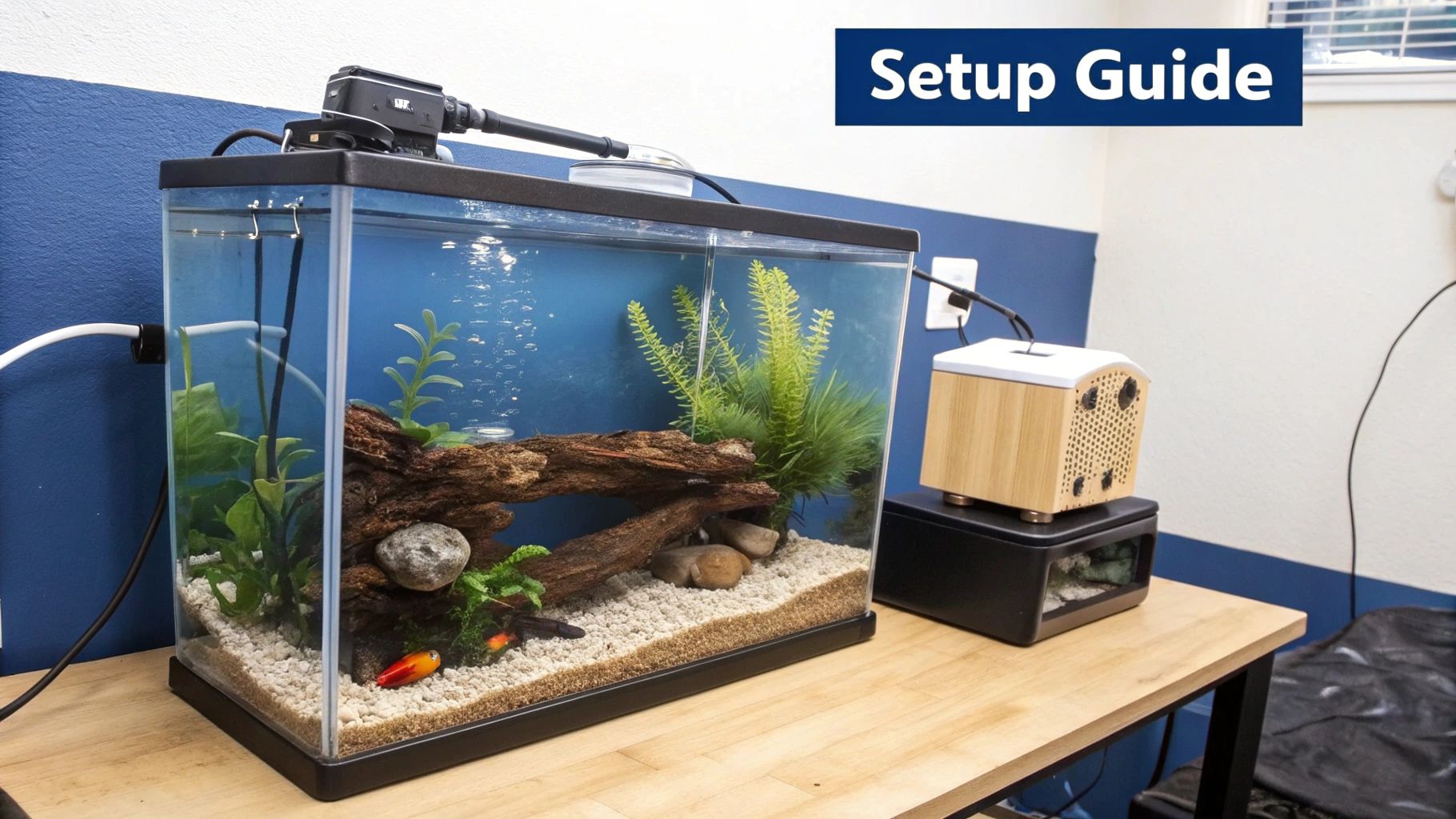
Credit: clixfueling.com
Choosing Substrate By Species
Substrate is the material placed at the bottom of an enclosure or tank. It plays a key role in creating a healthy environment for your animals.
Different species need different substrates to thrive. Choosing the right substrate helps keep animals comfortable and safe.
Tropical Fish Preferences
Tropical fish need substrates that do not harm their fins or gills. Smooth gravel or sand is often best for these fish.
Some fish like to dig or forage in the substrate. Soft sand allows them to do this without injury.
- Fine sand for bottom-dwelling fish
- Round gravel to protect delicate fins
- Neutral colors to reduce fish stress
- Avoid sharp or rough materials
Reptile Habitat Needs
Reptiles need substrates that match their natural environment. This helps keep their skin healthy and supports normal behavior.
Some reptiles need dry, sandy substrates. Others require moist soil or bark to maintain humidity.
- Desert reptiles prefer sand or crushed stones
- Forest species need soil or leaf litter
- Humidity lovers do well with coconut fiber
- Avoid substrates that cause impaction if eaten
Amphibian Substrate Types
Amphibians need moist and soft substrates to keep their skin wet. This helps them breathe through their skin.
Common choices include moss, soil, or coconut fiber. These hold moisture well and are safe for burrowing.
- Use sphagnum moss for moisture retention
- Soft soil mix for burrowing species
- Coconut fiber works well for humidity
- Avoid rough or dry materials
Invertebrate Substrate Choices
Invertebrates need substrates that support their natural habits. Some burrow, while others live on the surface.
Substrate choice depends on species type. Many invertebrates prefer fine soil or sand that holds moisture.
- Fine sand for burrowing species
- Leaf litter for surface dwellers
- Peat moss for moisture control
- Avoid chemicals or fertilizers in substrate
Natural Vs Synthetic Substrates
Choosing the right substrate for your pet’s habitat is important. Both natural and synthetic options have their pros and cons.
Understanding these options helps create a safe, comfortable environment for your pet. Consider the needs of the species when making your choice.
Benefits Of Natural Materials
Natural substrates often mimic the pet’s natural environment. They can be organic and biodegradable, reducing environmental impact.
These materials can also provide enrichment. Pets may enjoy digging or burrowing in natural substrates.
- Eco-friendly and biodegradable
- Encourage natural behaviors
- Provide a realistic habitat
Advantages Of Synthetic Options
Synthetic substrates are often easier to clean. They can be long-lasting and cost-effective for pet owners.
Some synthetic options are designed to control odors. This helps maintain a pleasant environment in your home.
- Easy to clean and maintain
- Durable and cost-effective
- Odor control features
Balancing Aesthetics And Function
Creating a visually appealing habitat can be important. Both natural and synthetic substrates offer aesthetic benefits.
Consider the appearance and practicality of each substrate. The right balance can enhance your pet’s habitat.
- Natural look with organic substrates
- Colorful options with synthetic materials
- Combine for best visual and functional results
Substrate Preparation Tips
Choosing the right substrate is important for species-specific setups. Proper preparation helps create a safe and healthy environment.
Good substrate preparation supports animal health and encourages natural behaviors. It also keeps the habitat clean and stable.
Cleaning And Sterilizing
Always clean substrate before use to remove dirt and harmful substances. This reduces the risk of infections and pests.
Sterilize the substrate by baking it or using boiling water. Avoid chemicals that can harm animals.
- Rinse substrate thoroughly with water
- Bake at 180°F (82°C) for 30 minutes
- Or pour boiling water and let it dry
- Do not use bleach or strong chemicals
Layering Techniques
Use layering to create a natural and functional substrate setup. Layers help with drainage and moisture control.
Start with a drainage layer at the bottom. Add organic material on top to support plants and animals.
- Place small stones or hydro balls at the bottom
- Add a mesh or barrier to separate layers
- Use soil or coconut fiber for the top layer
- Keep the top layer soft and suitable for digging
Maintaining Substrate Health
Keep the substrate healthy by monitoring moisture and removing waste. This prevents mold and bad odors.
Replace or refresh substrate parts regularly to keep the setup clean and safe for the species.
- Check moisture levels daily
- Remove uneaten food and waste
- Spot clean to avoid mold growth
- Replace substrate every few months
Impact On Water Quality
Choosing the right substrate is important for fish tanks. It affects the water quality and the health of your species. Different substrates change how water stays clean and safe.
Water quality depends on many factors. Substrate plays a big role in keeping the water balanced and free from harmful chemicals. Let’s look at how substrates impact water quality.
Ph Influence
Substrates can change the pH level of the water. Some substrates raise pH, making water more basic. Others lower pH, making water more acidic. It is important to pick a substrate that matches your species’ pH needs.
- Calcium carbonate substrates raise pH.
- Peat or driftwood lower pH.
- Neutral substrates keep pH stable.
Ammonia And Nitrite Absorption
Some substrates absorb ammonia and nitrites. These chemicals are harmful to fish. Absorbing them helps keep water safe. Other substrates do not absorb these chemicals well.
| Substrate Type | Ammonia Absorption | Nitrite Absorption |
| Clay-based | High | High |
| Sand | Low | Low |
| Gravel | Medium | Medium |
Preventing Contamination
Substrates can help stop waste and debris from spreading. This prevents water contamination. Good substrates trap dirt and keep it from floating.
- Choose substrates that do not break down easily.
- Clean the substrate regularly to remove trapped waste.
- Use substrates that support beneficial bacteria growth.
Substrate Depth And Thickness
Choosing the right substrate depth is important for species-specific setups. The thickness affects animal health and plant growth.
Different species need different substrate depths. The right depth helps them behave naturally and stay healthy.
Optimal Depths For Different Species
Each animal species needs a specific substrate depth. Some like shallow layers, others need thick ones to dig or hide.
Here are common substrate depth ranges for popular species:
- Small reptiles and amphibians: 1–2 inches
- Medium-sized lizards and snakes: 3–6 inches
- Large burrowing animals: 8–12 inches or more
- Fish tanks with plants: 2–4 inches
Effects On Burrowing Animals
Burrowing animals need thick, loose substrates to dig tunnels. Thin layers can cause stress and limit natural behavior.
Substrate that is too compact or shallow stops animals from burrowing. This can affect their health and comfort.
- Thick substrate allows for digging and hiding
- Loose texture supports easy burrowing
- Too thin layers prevent natural digging
- Proper depth reduces stress and injury
Rooting Plant Considerations
Plants need enough substrate depth to grow healthy roots. Shallow substrate can limit plant growth and stability.
Rooting plants often require a depth of 2 to 4 inches. This supports strong root systems and nutrient absorption.
- Shallow substrate limits root expansion
- Deeper substrate supports larger plants
- Nutrient-rich substrate boosts plant health
- Good drainage prevents root rot

Credit: frogfather.co.uk
Common Mistakes To Avoid
Choosing the right substrate is key for keeping your species healthy. Many make errors that harm their pets or plants.
This guide highlights common mistakes and how to avoid them to create the best environment.
Using Inappropriate Substrate Types
Using the wrong substrate can cause stress or illness. Some substrates hold too much water or dry out too fast.
- Do not use gravel for burrowing animals; it can cause injury.
- Avoid sand that compacts easily and traps moisture.
- Use substrates that mimic the natural habitat of the species.
- Check for toxic or sharp materials before use.
Ignoring Species-specific Needs
Each species has unique needs for substrate texture, moisture, and depth. Ignoring this harms their health and behavior.
| Species | Preferred Substrate | Reason |
| Desert reptiles | Coarse sand or reptile carpet | Simulates arid environment, prevents moisture buildup |
| Frogs | Moist coconut fiber or sphagnum moss | Retains humidity and stays damp |
| Burrowing rodents | Soft, loose soil or aspen shavings | Allows digging and nesting behavior |
Neglecting Regular Maintenance
Substrate needs cleaning and replacement. Dirty substrate causes bad smells and diseases.
- Remove waste daily to prevent bacteria growth.
- Spot clean damp areas to avoid mold.
- Replace substrate fully every few weeks based on species.
- Check moisture levels to keep substrate healthy.
Customizing Substrate For Specialized Setups
Choosing the right substrate is key for species-specific tanks. It supports the health and behavior of your aquatic life. Different setups need different substrates to mimic their natural homes.
This guide covers how to pick substrates for three main setups: biotope recreation, breeding environments, and aquascaping or terrascaping.
Biotope Recreation
Recreating a natural biotope means matching the substrate to the native environment of the species. This helps fish and plants thrive as they would in the wild.
- Use sand or fine gravel for river or lake species
- Choose peat or leaf litter for forest floor habitats
- Match substrate color and texture to natural surroundings
- Consider pH and mineral content to suit local water conditions
Breeding Environments
Substrate choice can encourage spawning and protect eggs. Some species need soft substrates, while others prefer rocky or sandy beds.
| Species Type | Preferred Substrate | Reason |
| Cichlids | Fine sand or small gravel | Easy to dig nests |
| Catfish | Soft sand | Protects barbels and eggs |
| Killifish | Leaf litter or peat moss | Simulates natural egg-laying sites |
Aquascaping And Terrascaping
Substrate supports plants and hardscape elements. It also affects water chemistry and tank aesthetics.
Key substrate features for aquascaping and terrascaping:
- Grain size affects plant root growth and stability
- Mineral content influences nutrient availability
- Color contrast highlights plants and stones
- Depth supports layering and root expansion

Credit: talis-us.com
Frequently Asked Questions
What Is The Best Substrate For Species-specific Setups?
The best substrate matches the natural habitat of the species. It supports their health, behavior, and breeding. Research the species’ native environment to choose soil, sand, or gravel accordingly.
How Does Substrate Affect Species-specific Tank Setups?
Substrate influences water quality, pH levels, and microbial growth. It affects burrowing, feeding, and hiding behaviors. Proper substrate promotes natural activity and reduces stress for specific species.
Can Wrong Substrate Harm Aquatic Species?
Yes, unsuitable substrate can stress or injure species. It may alter water chemistry or cause infections. Always select substrate that suits the species’ biological and environmental needs.
How To Maintain Substrate In Species-specific Setups?
Regular cleaning and partial substrate replacement keep it healthy. Avoid disturbing the substrate too often to preserve beneficial bacteria. Monitor water parameters to ensure substrate supports species well.
Conclusion
Choosing the right substrate helps your species feel safe and thrive. It supports natural behavior and keeps the environment clean. Each species needs different textures, moisture, and depth for comfort. Proper substrate also aids in temperature and humidity control. Small details make a big difference in animal health.
Remember, a good setup starts from the base. Careful substrate choice shows you care about your pet’s well-being. Keep learning and adjusting to create the best home possible. Your effort will lead to happy, healthy animals.