
If you want your aquarium to thrive, understanding the right temperature and humidity is key. These factors directly affect the health and happiness of your aquatic species.
Imagine your fish or amphibians struggling because their environment isn’t quite right—that’s something you want to avoid. You’ll discover simple, effective ways to keep your aquarium’s temperature and humidity just right. By the end, you’ll feel confident in creating the perfect home for your aquatic friends.
Keep reading to unlock the secrets that can make all the difference in your species care.

Credit: inkbird.com
Ideal Aquarium Temperatures
Maintaining the right temperature in your aquarium is key for species health. Different species need different temperatures to thrive.
Temperature affects fish metabolism, activity, and immune response. Proper care means matching temperature to species needs.
Tropical Fish Temperature Ranges
Tropical fish usually need warmer water. Most species do well between 74°F and 80°F (23°C to 27°C). Staying in this range keeps them active and healthy.
- Angelfish: 75°F to 82°F
- Guppies: 74°F to 78°F
- Neon Tetras: 72°F to 78°F
- Discus: 79°F to 86°F
Coldwater Fish Temperature Needs
Coldwater fish prefer cooler water, usually under 70°F (21°C). They need stable temperatures to avoid stress and disease.
| Fish Species | Temperature Range (°F) | Temperature Range (°C) |
| Goldfish | 65 – 72 | 18 – 22 |
| White Cloud Mountain Minnow | 60 – 72 | 16 – 22 |
| Hillstream Loach | 68 – 75 | 20 – 24 |
Temperature Zones For Reptiles And Amphibians
Reptiles and amphibians need a temperature gradient. This means a warm side and a cool side in their habitat.
Here is a simple guide for temperature zones:
- Hot zone:85°F to 95°F (29°C to 35°C)
- Warm zone:75°F to 85°F (24°C to 29°C)
- Cool zone:65°F to 75°F (18°C to 24°C)
These zones allow reptiles and amphibians to regulate their body heat.
Humidity Levels In Aquariums
Humidity inside an aquarium affects the health of plants and animals. It helps keep the environment stable and comfortable.
Different species need different humidity levels. Monitoring and adjusting humidity is important for their care.
Humidity Requirements For Aquatic Plants
Aquatic plants need consistent humidity to grow well. High humidity helps keep their leaves hydrated and healthy.
Low humidity can cause plants to dry out and wilt. Some plants need very moist air, especially tropical species.
- Tropical plants prefer humidity above 70%
- Temperate plants can tolerate 50% to 60% humidity
- Keep the air moist but avoid water droplets on leaves
Managing Humidity For Amphibious Species
Amphibious animals need both water and air with proper humidity. It helps their skin stay moist and healthy.
Too low humidity can cause skin problems and stress. Too high humidity can lead to fungal infections.
- Frogs and newts need humidity between 70% and 90%
- Use misting systems or water trays to raise humidity
- Ventilation helps prevent excess moisture buildup
Effects Of Low And High Humidity
Low humidity can dry out plants and animals. It can cause leaf drop and skin shedding issues.
High humidity may cause mold, fungus, and bacteria growth. It can harm both plants and animals.
- Low humidity risks: dehydration, stress, poor growth
- High humidity risks: mold, disease, rot
- Balance humidity for a healthy aquarium environment
Temperature Control Techniques
Keeping the right temperature in your aquarium is crucial for fish health. Different species need specific temperatures for optimal care.
Understanding how to control temperature helps in creating a stable environment. Consistent conditions ensure your aquatic pets thrive.
Using Aquarium Heaters And Chillers
Aquarium heaters keep water warm for tropical fish. They are essential for maintaining a stable temperature.
Chillers cool the water for species that prefer colder temperatures. They are necessary in warmer climates.
- Choose a heater or chiller based on tank size
- Set the device to the recommended temperature for your species
- Ensure the heater or chiller is securely placed
Monitoring Temperature Consistently
Consistent monitoring of water temperature is important. It ensures that it stays within the safe range for your fish.
Use a reliable aquarium thermometer. Digital thermometers provide accurate and easy-to-read results.
- Check the temperature at the same time daily
- Keep a log to track changes over time
- Adjust equipment if readings are too high or low
Tips For Seasonal Temperature Adjustments
Seasons can affect your aquarium’s temperature. It’s important to adjust settings to prevent stress to your fish.
In summer, keep the room cooler or use a fan. In winter, ensure heaters are working efficiently.
- Monitor room temperature changes
- Consider insulation for your aquarium
- Adjust heater or chiller settings accordingly
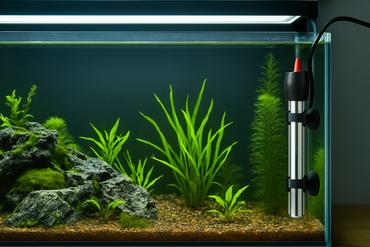
Credit: www.ratemyfishtank.com
Humidity Control Methods
Keeping the right humidity in an aquarium is very important for the health of many species. Different animals need different humidity levels to stay healthy and active.
This guide explains some easy ways to control humidity in your aquarium. You will learn about tools and techniques to keep humidity steady.
Humidifiers And Misters For Aquariums
Humidifiers add moisture to the air inside the aquarium. Misters spray fine water droplets to raise humidity quickly. Both help keep the environment comfortable for your species.
- Use ultrasonic humidifiers for silent operation.
- Misters can be set on timers for regular bursts.
- Place devices where airflow spreads moisture evenly.
- Check water levels daily to keep them working well.
Ventilation Strategies
Good ventilation stops too much humidity or dryness. It lets fresh air enter and prevents mold and bacteria growth inside the aquarium.
| Ventilation Method | Benefits | Notes |
| Adjustable vents | Control air flow easily | Open slightly for best results |
| Small fans | Help air circulate well | Use on low speed to avoid stress |
| Natural openings | Allow passive ventilation | Keep screened to stop pests |
Maintaining Stable Humidity
Stable humidity helps species avoid stress and illness. Sudden changes can harm sensitive animals and plants.
- Monitor humidity daily with a reliable hygrometer.
- Keep water sources clean and filled.
- Adjust humidifiers or misters based on readings.
- Use timers for consistent humidity control.
- Check ventilation to balance moisture and air flow.
Species-specific Care Tips
Caring for aquatic and semi-aquatic animals means knowing their temperature and humidity needs. Different species need different environments to stay healthy.
Providing the right conditions helps prevent stress and illness. Learn how to adjust tank settings for each species.
Fish Species With Special Temperature Needs
Some fish live in cold water, while others need warm water. Keeping the water temperature right is very important for their health.
For example, goldfish do best in cooler water around 65-75°F. Tropical fish like bettas prefer warmer water, about 75-80°F.
- Goldfish: 65-75°F (18-24°C)
- Betta fish: 75-80°F (24-27°C)
- Discus fish: 82-86°F (28-30°C)
- Neon tetras: 70-81°F (21-27°C)
Amphibians Sensitive To Humidity Changes
Amphibians like frogs and salamanders need moist air to keep their skin healthy. Too little humidity can cause skin problems.
Many amphibians require humidity levels between 70% and 90%. Use misting systems or water bowls to keep the air moist.
- Tree frogs: 70-90% humidity
- Salamanders: 75-85% humidity
- Newts: 70-80% humidity
- Axolotls: 60-70% humidity
Reptiles And Their Unique Environmental Requirements
Reptiles need specific heat and humidity to regulate their body temperature. They often require a warm basking spot.
Humidity needs vary widely. Desert reptiles need low humidity, while tropical species need higher humidity levels.
| Reptile | Temperature Range | Humidity Range |
|---|---|---|
| Bearded dragon | 75-85°F (24-29°C) | 20-40% |
| Ball python | 78-88°F (26-31°C) | 50-60% |
| Green iguana | 80-95°F (27-35°C) | 70-80% |
| Leopard gecko | 75-85°F (24-29°C) | 30-40% |
:strip_icc()/close-up-of-fish-swimming-in-aquarium-at-home-742356665-5aa2bab2fa6bcc00377fd8b0.jpg)
Credit: www.thesprucepets.com
Common Problems And Solutions
Maintaining the right temperature and humidity in an aquarium is key to keeping species healthy. Many problems arise from changes in these conditions.
This guide explains common issues and how to fix them to improve species care in your aquarium.
Dealing With Temperature Fluctuations
Sudden temperature changes can stress fish and other aquarium animals. These changes harm their immune systems and cause illness.
Keep the water temperature steady by using a reliable heater and thermometer. Check the temperature daily and adjust as needed.
- Use a heater suitable for your tank size
- Place the thermometer where it is easy to read
- Avoid placing the aquarium near windows or vents
- Monitor temperature twice a day if possible
Preventing Mold And Fungal Growth
High humidity can cause mold and fungus to grow in and around the aquarium. This growth harms plants, animals, and equipment.
Reduce humidity by improving air flow and keeping the tank clean. Use a dehumidifier if needed in very damp rooms.
- Clean the tank glass and lid regularly
- Remove any dead plant or animal matter quickly
- Use a small fan or open windows to increase air flow
- Check for leaks or spills around the aquarium
Handling Stress From Improper Humidity
Too low or too high humidity can stress animals, especially amphibians and tropical fish. Stress lowers their resistance to disease.
Keep humidity levels stable by monitoring with a hygrometer. Adjust humidity with water sprays or ventilation as needed.
- Use a hygrometer to measure humidity inside the tank
- Spray water lightly to increase humidity for tropical species
- Use ventilation or a dehumidifier to lower high humidity
- Observe animals for signs of stress like hiding or loss of appetite
Tools For Monitoring Environment
Keeping the right temperature and humidity in an aquarium is very important for fish health. The right tools help you check these conditions every day.
With good monitoring devices, you can keep your aquarium safe and comfortable for your fish species.
Best Thermometers For Aquariums
Aquarium thermometers show the water temperature. This helps you know if the water is too hot or cold for your fish.
There are many types, such as stick-on, digital, and floating thermometers. Choose one that fits your tank and is easy to read.
- Stick-on thermometers attach inside the tank glass
- Digital thermometers give quick and clear readings
- Floating thermometers move with the water surface
Humidity Meters And Sensors
Humidity meters help measure the air moisture around the aquarium. This is important for species that need specific humidity levels.
Sensors can alert you if the air is too dry or too wet. This helps keep the tank environment balanced and healthy.
- Hygrometers measure relative humidity in the air
- Digital sensors often show exact numbers
- Some meters combine temperature and humidity readings
Smart Devices For Automated Control
Smart devices connect to your phone or computer. They monitor temperature and humidity all the time.
These devices can control heaters, fans, or misters. They keep the aquarium stable without much effort from you.
- Smart sensors send alerts if conditions change
- Automated heaters keep water temperature steady
- Controllers adjust humidity with fans or misters
Frequently Asked Questions
What Is The Ideal Aquarium Temperature For Tropical Fish?
Tropical fish thrive best between 75°F and 80°F. Maintaining this range supports their metabolism and immune system. Use an aquarium heater for consistent warmth. Avoid sudden temperature changes to prevent stress and disease in tropical species.
How Does Humidity Affect Aquarium Species Care?
Humidity impacts amphibians and reptiles more than fish. Proper humidity prevents dehydration and supports skin health. Use a hygrometer to monitor levels. Adjust humidity with misting or ventilation to mimic natural habitats accurately.
Why Is Temperature Stability Important In Aquariums?
Stable temperature reduces fish stress and illness risks. Fluctuations can weaken immune systems and cause behavioral changes. A reliable heater and thermometer help maintain steady conditions, ensuring a healthy environment for all aquatic species.
How To Control Humidity In A Terrarium With An Aquarium?
Control humidity using misting systems, water trays, or ventilation. Regularly check humidity levels with a hygrometer. Adjust airflow or add moisture sources to maintain species-specific humidity, ensuring optimal health and comfort for amphibians or reptiles.
Conclusion
Maintaining the right temperature and humidity helps fish stay healthy. It supports their growth and reduces stress. Each species needs specific care to thrive in your aquarium. Simple checks can prevent many problems before they start. Keep learning about your fish to improve their home.
Small efforts lead to a happy, healthy aquarium. Caring for your fish is rewarding and fun. Your attention makes all the difference in their lives.