
Choosing the right filter for your aquarium can make all the difference in keeping your fish healthy and happy. But did you know that not every filter works well for every type of fish or tank setup?
If you want your species-specific tank to thrive, understanding the different aquarium filter types is key. You’ll discover which filters suit your unique tank and how to pick the perfect one to create a clean, balanced environment your aquatic pets will love.
Keep reading to find out how to give your fish the best home possible.
Choosing Filters By Species
Choosing the right filter helps keep your aquarium clean and your fish healthy. Different species need different types of filtration to thrive.
Understanding the filter types that suit each species or tank type will improve water quality and reduce stress on your aquatic pets.
Freshwater Fish Filters
Freshwater fish tanks benefit from filters that provide good mechanical and biological filtration. These filters remove waste and harmful bacteria.
Hang-on-back (HOB) and canister filters work well for most freshwater setups. They offer strong water flow and easy maintenance.
- Hang-on-back filters for small to medium tanks
- Canister filters for larger tanks or heavy bioload
- Internal filters for small tanks or fry tanks
Saltwater Fish Filters
Saltwater tanks need filters that handle higher waste and maintain water stability. Protein skimmers are common in these tanks.
Canister filters and sump systems also help by providing mechanical, biological, and chemical filtration.
- Protein skimmers remove organic waste efficiently
- Sump systems improve filtration and increase water volume
- Canister filters support mechanical and biological cleaning
Planted Tank Filters
Planted tanks need gentle filtration that does not disturb plants or fish. Filters with adjustable flow are best.
Internal and sponge filters are popular because they protect delicate plants and shrimp while providing good biological filtration.
- Sponge filters offer gentle water flow and good bacteria growth
- Internal filters with flow control protect plants
- Avoid strong power filters that uproot plants
Shrimp Tank Filters
Shrimp tanks require filters that do not suck in or harm the tiny inhabitants. Sponge filters are the safest option.
Sponge filters also provide good surface area for beneficial bacteria, helping keep water clean without harming shrimp.
- Sponge filters prevent shrimp from getting trapped
- Low water flow avoids stressing shrimp
- Filters that promote biological filtration are best
Cichlid Tank Filters
Cichlids produce a lot of waste, so strong filtration is essential. Canister and power filters work well here.
Filters that provide high flow and excellent biological filtration help keep cichlid tanks clean and healthy.
- Canister filters handle heavy bioload efficiently
- Power filters deliver strong mechanical filtration
- Filters with large media capacity support bacteria growth
Mechanical Filters
Mechanical filters remove debris from aquarium water. They help keep tanks clean and clear.
These filters are crucial for species-specific tanks, as they ensure a healthy environment.
Sponge Filters
Sponge filters are simple and affordable. They use a sponge to trap debris.
- Great for small tanks
- Safe for fry and shrimp
- Easy to clean and maintain
Power Filters
Power filters are popular for many aquariums. They use a motor to pump water through filter media.
| Feature | Benefit |
| Adjustable flow rate | Customizable for different species |
| Multiple filter media | Handles various waste types |
| Easy installation | Quick setup for beginners |
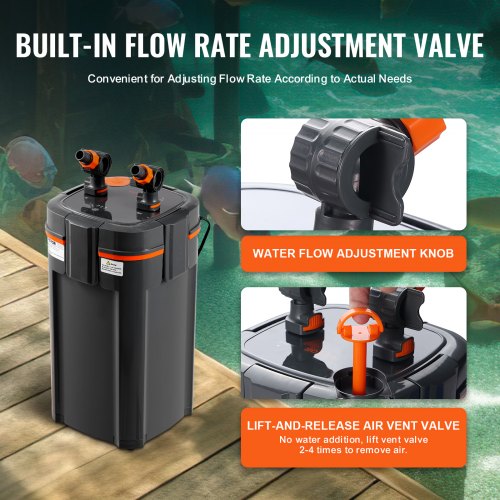
Canister Filters
Canister filters are powerful and efficient. They are suitable for large tanks and heavy loads.
Positioned outside the tank, they offer high capacity and versatility. Canister filters can be customized with various media to suit specific species needs.
Biological Filters
Biological filters help keep aquarium water clean by using good bacteria. These bacteria break down harmful waste from fish and plants.
These filters are important for species-specific tanks because they keep water healthy for certain fish and animals.
Bio-wheels
Bio-wheels are rotating wheels made of plastic. They spin slowly in the filter system and provide a large surface for bacteria to grow.
As water flows over the bio-wheel, bacteria break down fish waste and keep water clean. They need good oxygen flow to work well.
Bio-balls
Bio-balls are small plastic balls with many holes. They offer a lot of space for bacteria to live and grow.
Water passes through the holes, allowing bacteria to clean waste. Bio-balls are easy to clean and last a long time.
Ceramic Rings
Ceramic rings are small hollow tubes made from ceramic. Their rough surface holds many bacteria that break down harmful substances.
They fit well in filters and provide excellent water flow. Ceramic rings need regular rinsing to keep them working well.
Credit: www.vevor.com
Chemical Filters
Chemical filters clean aquarium water by removing harmful substances. They help keep water clear and safe for fish.
Chemical filtration is important in species-specific tanks. It removes toxins that can stress or harm certain fish.
Activated Carbon
Activated carbon is a common chemical filter media. It traps impurities and odors from the water.
This filter works by adsorption, where chemicals stick to the carbon surface. It removes chlorine, tannins, and some medications.
- Improves water clarity
- Removes harmful chemicals
- Controls odors and discoloration
Zeolite
Zeolite is a natural mineral used to remove ammonia. Ammonia is toxic to many fish species.
It works by trapping ammonia ions in its porous structure. This helps keep water safe and healthy.
- Reduces harmful ammonia levels
- Good for new tanks and sick fish
- Needs regular replacement for best effect
Phosphate Removers
Phosphate removers reduce phosphate in aquarium water. High phosphate causes algae growth and poor water quality.
These filters use special resins or media to bind phosphate molecules. They help keep tanks clean and clear.
- Controls algae growth
- Improves water clarity
- Supports healthy fish and plants
Filter Selection For Sensitive Species
Choosing the right filter is very important for tanks with sensitive species. These animals need clean water but gentle flow.
Filters must keep water clear without stressing or harming the fish or invertebrates.
Tropical Fish
Tropical fish need filters that keep water warm and clean. Strong water flow can hurt some species.
Choose filters with adjustable flow rates. Sponge filters work well because they clean gently and provide oxygen.
- Use sponge or canister filters with flow control
- Keep filter media clean to avoid toxins
- Avoid strong currents in the tank
Discus Fish
Discus fish are very sensitive to water quality and flow. They prefer calm water and stable conditions.
Use canister filters with fine mechanical and biological media. Add a spray bar to reduce flow speed.
- Choose filters with gentle water movement
- Use biological media for healthy bacteria
- Perform frequent water changes to keep water clean
Betta Fish
Betta fish dislike strong currents and need calm water. Filters with low flow are best for them.
Sponge filters and small internal filters work well. They keep water clean without disturbing the betta.
- Use sponge filters or gentle internal filters
- Keep water flow slow and steady
- Check filter intake to avoid harming betta fins
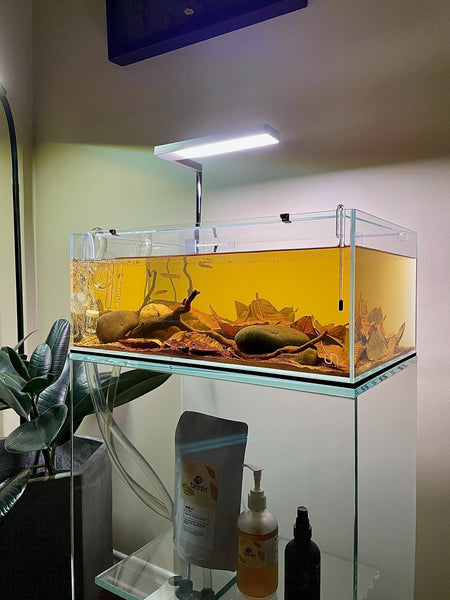
Marine Invertebrates
Marine invertebrates need very clean water and low flow. Strong currents can damage delicate creatures.
Use protein skimmers and gentle sponge or hang-on-back filters. Avoid filters that create bubbles or strong currents.
- Choose filters with gentle water movement
- Use protein skimmers to remove waste
- Maintain high water quality with biological filtration
Credit: tanninaquatics.com
Setting Up Filters For Optimal Performance
Choosing the right filter for your species-specific tank is important. Proper setup helps keep water clean and fish healthy.
Filters work best when placed correctly, flow is adjusted, and regular maintenance is done.
Placement Tips
Place filters where water can circulate well. Avoid spots blocked by decorations or plants. Keep filters close to the tank walls for easy access.
- Position intake near bottom for debris removal
- Place output to create gentle water movement
- Keep filter parts above water level for some types
- Ensure power cords are dry and safe
Flow Rate Adjustment
Adjust flow rate to match your fish needs. Fast flow suits strong swimmers. Slow flow helps shy or small species.
| Fish Type | Recommended Flow Rate |
| Active swimmers (e.g., tetras) | High |
| Bottom dwellers (e.g., catfish) | Medium |
| Delicate species (e.g., bettas) | Low |
| Plants only tanks | Gentle |
Maintenance Routines
Clean and check filters regularly to keep them working well. Replace filter media as needed. Avoid using soap or harsh chemicals.
- Rinse filter sponges in tank water weekly
- Change carbon or chemical media monthly
- Inspect impellers and tubes for blockages
- Monitor water clarity and fish health
Common Filter Problems And Fixes
Aquarium filters are essential for keeping water clean and fish healthy. Sometimes, filters face common issues that affect their performance.
Understanding these problems helps you fix them quickly and keep your species-specific tank balanced.
Clogging Issues
Filters often clog from debris, leftover food, and algae. Clogs reduce water flow and filter efficiency.
- Clean filter media regularly to remove buildup.
- Use pre-filters or sponge covers to catch large debris.
- Do not overfeed fish to reduce leftover food waste.
- Rinse filter parts with tank water during maintenance.
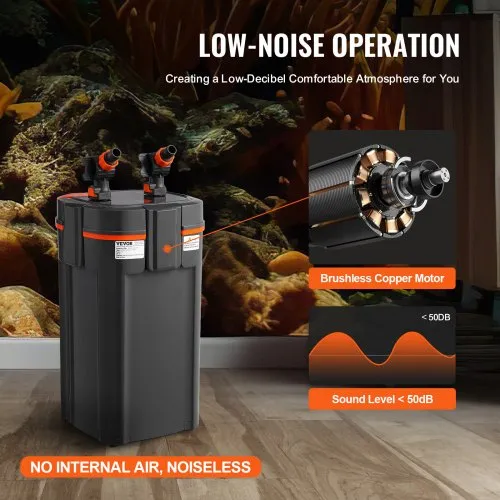
Noise Reduction
Filter noise can disturb fish and humans. Noise comes from air bubbles, loose parts, or dirty impellers.
| Cause | Fix |
| Air trapped inside filter | Prime filter and remove air pockets |
| Loose screws or parts | Tighten all screws and fittings |
| Dirty or worn impeller | Clean or replace the impeller |
| Filter placed on uneven surface | Place filter on stable, flat surface |
Water Flow Problems
Low or uneven water flow can harm the tank environment. Causes include blocked tubes and incorrect filter settings.
To fix water flow issues:
- Check and clear any blockages in tubes or pipes.
- Adjust the flow rate using the filter’s control valve.
- Replace old or cracked tubing to prevent leaks.
- Ensure filter size matches tank volume for proper flow.
Energy Efficiency And Cost Considerations
Choosing the right aquarium filter matters for both your wallet and the environment.
Energy use and price affect how you maintain species-specific tanks over time.
Low Power Filters
Low power filters use less electricity, reducing your energy bills.
- They run quietly, causing less disturbance to fish.
- They are ideal for smaller tanks or delicate species.
- Energy saving models often have adjustable flow rates.
Long-term Savings
Investing in durable filters can lower costs over many years.
| Filter Type | Initial Cost | Energy Use (kWh/year) | Average Lifespan (years) |
| Canister Filter | $80 | 30 | 5 |
| Hang-On-Back Filter | $40 | 20 | 3 |
| Sponge Filter | $15 | 5 | 4 |
Budget-friendly Options
Affordable filters can still provide good cleaning for many fish species.
Consider these tips to save money:
- Choose filters that match tank size to avoid overuse of energy.
- Look for simple models with fewer parts to reduce repair costs.
- Buy from local stores to save on shipping fees.
Credit: www.vevor.com
Frequently Asked Questions
What Are The Best Filters For Species-specific Tanks?
The best filters depend on the species’ needs. Sponge filters suit delicate fry, while canister filters work for large tanks. Choose filters that maintain water quality and mimic natural habitats for optimal fish health.
How Do Aquarium Filters Affect Species Health?
Filters remove toxins, debris, and harmful bacteria. Proper filtration keeps water clean and oxygenated. This reduces stress and disease risks, promoting healthier and longer-living aquatic species in your tank.
Can One Filter Type Suit All Species Tanks?
No, each species has unique requirements. Some need gentle water flow, others stronger filtration. Selecting the right filter type ensures species thrive by matching their natural environment and filtration needs.
How Often Should Filters Be Cleaned In Species Tanks?
Clean filters every 2-4 weeks or as needed. Avoid over-cleaning to preserve beneficial bacteria. Regular maintenance ensures efficient filtration and stable water parameters for species-specific tanks.
Conclusion
Choosing the right filter keeps your tank clean and fish healthy. Different species need different types of filtration. Mechanical, biological, and chemical filters all have roles. Match the filter to your fish’s needs. Regular cleaning helps filters work well. A good filter creates a stable home for your aquatic pets.
Small tanks need gentle filters; big tanks need stronger ones. Keep your aquarium clear and your fish happy with the right choice. Simple steps lead to a thriving tank. Your fish will thank you.