
If you want your species tank to thrive, proper lighting is one of the most important factors you can control. The right light doesn’t just make your tank look beautiful—it helps your plants grow strong and keeps your aquatic life healthy.
But how do you know what kind of lighting your tank really needs? You’ll discover simple, effective ways to choose and set up lighting that matches your species perfectly. Keep reading, and you’ll learn how to bring out the best in your tank every single day.
Choosing The Right Light
Proper lighting is important for a species tank. It helps fish and plants stay healthy.
Choosing the right light means picking the best type, color, and brightness for your tank.
Types Of Aquarium Lights
There are many kinds of lights for aquariums. Each type has its own use and effect.
- LED lights use less energy and last longer
- Fluorescent lights are common and cost-effective
- Incandescent lights produce more heat but are simple
- Metal halide lights are strong and good for deep tanks
Choose a light type that fits your tank size and species needs.
Light Spectrum And Intensity
Light spectrum means the colors of light the bulb gives off. Fish and plants need certain colors to thrive.
Light intensity is how bright the light is. Too bright or too dim can harm your species.
- Blue and white light suit most freshwater tanks
- Red and green light help plant growth
- Adjust brightness to avoid stressing fish
Balancing Natural And Artificial Light
Natural light from windows can help your tank. But too much can cause algae.
Use artificial light to control the time and amount of light your tank gets every day.
- Place the tank away from direct sunlight
- Use timers to set light periods
- Combine natural and artificial light carefully
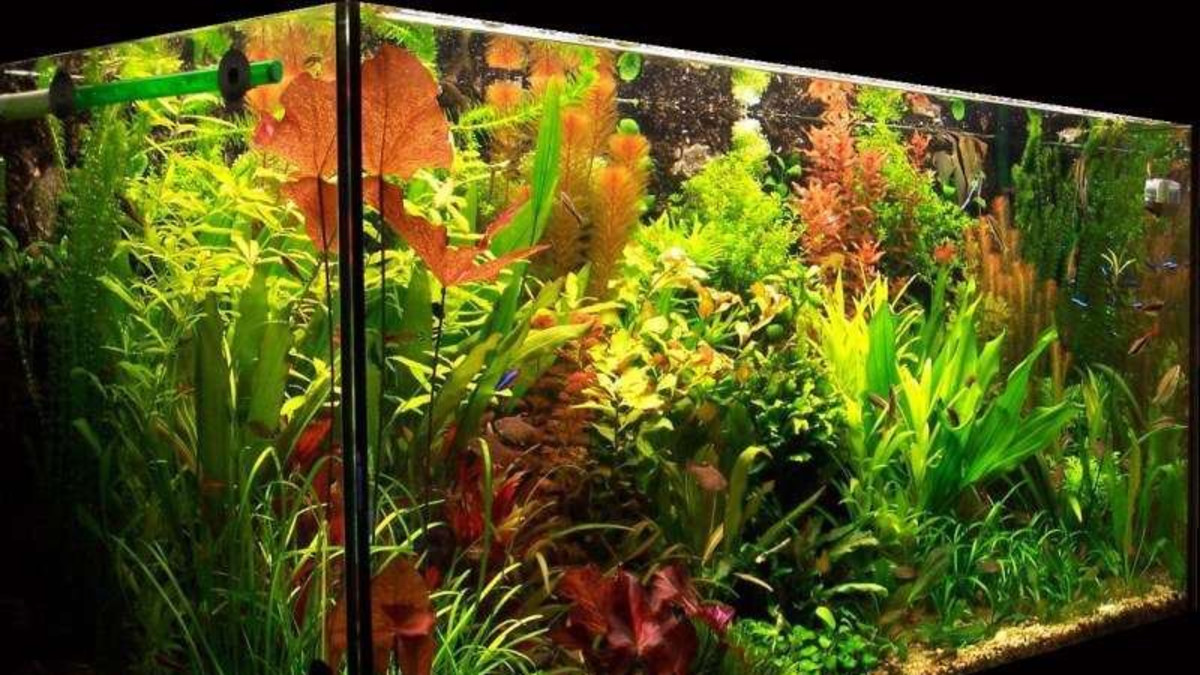
Credit: pethelpful.com
Lighting Needs For Different Species
Proper lighting is important for a species tank. Different species have unique light needs. Good lighting helps fish and plants stay healthy.
Knowing the right light intensity and duration improves tank life. It also shows the natural colors of your species.
Freshwater Fish Requirements
Freshwater fish usually need moderate light. Too much light can stress them out. Too little light hides their colors and behavior.
Use a light that mimics natural daylight. Keep the tank light on for about 8 to 10 hours daily. This helps fish stay active and healthy.
- Use LED or fluorescent lights made for freshwater tanks
- Avoid very bright or direct light
- Keep a consistent light schedule
- Use a timer to control light duration
Saltwater Fish Lighting
Saltwater fish need brighter light than freshwater fish. Their natural environment has strong sunlight. Bright light helps them stay colorful and active.
Use full-spectrum LED lights designed for saltwater tanks. Keep the light on for 10 to 12 hours each day. This supports their natural rhythms and health.
- Choose lights with blue and white spectrum
- Use dimmers to adjust light intensity
- Provide shaded areas in the tank
- Keep a regular lighting schedule
Plant And Coral Specific Needs
Plants and corals need strong light to grow. They use light for photosynthesis. Different plants and corals need different light types and strengths.
Freshwater plants often need medium to high light. Corals require very strong light with specific colors. Use lights made for planted or reef tanks.
| Type | Light Intensity | Light Spectrum | Duration |
|---|---|---|---|
| Freshwater Plants | Medium to high | Full spectrum (white, red, blue) | 8 to 12 hours |
| Soft Corals | Medium | Blue and white | 10 to 12 hours |
| Hard Corals | High | Blue and actinic | 10 to 12 hours |
Setting Up Your Lighting System
Proper lighting is essential for a healthy species tank. It supports plant growth and keeps fish active. Setting up your lighting system correctly is key.
Consider the needs of your tank inhabitants. Different species require different lighting conditions. Adjust your setup to meet their needs.
Placement And Positioning
Place lights directly above the tank. This ensures even light distribution. Avoid placing lights too close to the water surface.
Position lights to avoid casting shadows. Shadows can stress fish. Adjust light height for optimal coverage.
- Use adjustable mounts for flexibility
- Ensure lights are securely fixed
- Consider the tank shape and size
Duration And Timers
Set a consistent lighting schedule. Most species need 8-12 hours of light daily. Timers help maintain this routine.
Use timers to automate lighting. This prevents human error. Consistency is crucial for tank health.
- Choose digital timers for accuracy
- Ensure timers are easy to program
- Test timers regularly for reliability
Avoiding Overexposure
Excessive light can cause algae growth. It stresses fish and harms plants. Adjust light intensity to prevent this.
Monitor tank conditions regularly. Look for signs of overexposure. Adjust settings if algae appear.
- Use dimmers to control light intensity
- Consider using light filters
- Regularly clean lights to maintain effectiveness
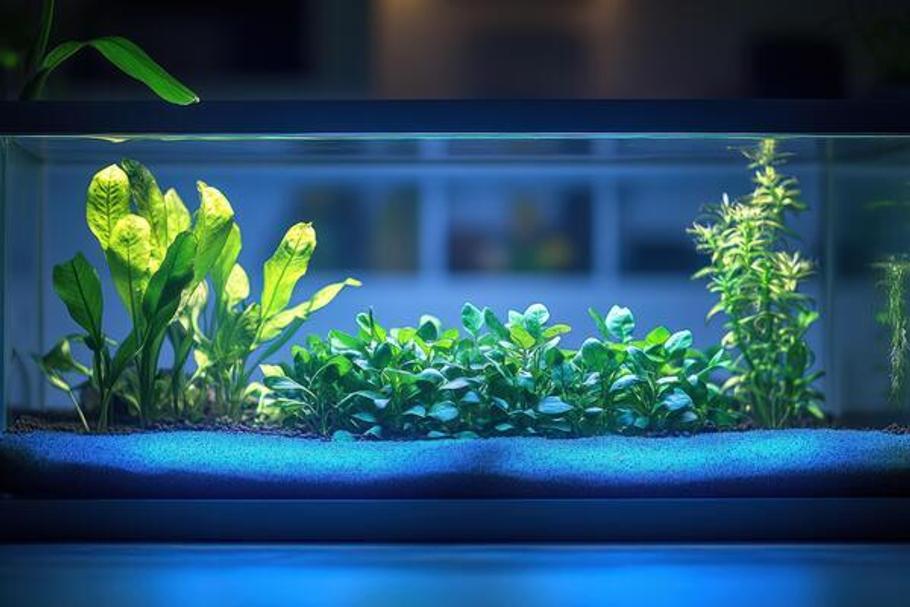
Credit: www.ratemyfishtank.com
Maintaining Light Quality
Proper lighting is vital for a species tank. It supports plant growth and keeps fish healthy. Maintaining light quality ensures the tank environment stays balanced.
Light quality depends on the bulbs, duration, and intensity. Regular care helps keep the light suitable for the tank’s needs.
Cleaning And Replacing Bulbs
Dust and algae on bulbs reduce light output. Clean bulbs often with a soft cloth. Avoid harsh chemicals that can damage the bulbs.
- Turn off the light and unplug before cleaning
- Use a damp cloth to remove dirt and dust
- Replace bulbs every 6 to 12 months
- Choose bulbs with the right color temperature for your species
Monitoring Light Changes
Light bulbs lose brightness over time. Watch for dimming or color shifts. This can affect plant photosynthesis and fish behavior.
| Signs of Light Change | Action Needed |
| Dimming light | Clean or replace bulbs |
| Color shift to yellow or blue | Replace bulbs |
| Uneven light distribution | Adjust bulb position |
| Shorter light duration | Check timer settings |
Adjusting For Growth And Seasons
Plants and animals grow and change with seasons. Adjust lighting to support their needs. Longer light hours help in spring and summer.
Follow these tips for adjustment:
- Increase light duration by 1-2 hours in growing seasons
- Reduce light to prevent algae in winter
- Move lights closer or farther to balance intensity
- Observe plant growth and fish activity regularly
Common Lighting Problems
Proper lighting is important for a species tank. It helps fish and plants stay healthy. But lighting can also cause problems.
This guide covers common lighting problems. Knowing these issues helps you fix them fast.
Algae Overgrowth
Too much light can cause algae to grow fast. Algae cover plants and decorations. This makes the tank look dirty.
Algae compete with plants for nutrients. This can hurt plant health and water quality.
- Limit light to 8-10 hours per day
- Use timers to control lighting
- Choose light with correct intensity
- Keep tank clean to reduce algae food
Fish Stress And Behavior
Wrong lighting can stress fish. Too bright light makes fish hide. Too dim light stops natural activity.
Stress affects fish eating and breeding. It also lowers their immune system.
- Choose light that matches fish needs
- Use dimmers or adjustable lights
- Add shaded areas or plants for hiding
- Keep a regular day and night cycle
Equipment Malfunctions
Lighting equipment can fail or break. Bulbs burn out or timers stop working. This can harm tank life.
Check equipment often to catch problems early. Replace parts as needed to keep lighting stable.
- Inspect bulbs and fixtures monthly
- Test timers for correct operation
- Keep spare bulbs and parts ready
- Clean light covers to keep brightness
Enhancing Aquarium Aesthetics
Proper lighting plays a big role in making your species tank look great. It helps show off your fish and plants in the best way.
Good lighting adds life and beauty to your aquarium. It creates a natural and pleasing environment for both you and your aquatic pets.
Highlighting Colors And Patterns
Lighting makes fish colors brighter and patterns clearer. It brings out the unique looks of each species.
Using the right light type and color shows true fish colors. This makes your tank more attractive and lively.
- Choose lighting that matches fish colors
- Use full spectrum lights for natural hues
- Avoid lights that wash out colors
Creating Depth And Shadows
Shadows add depth and a 3D effect to the tank. They make the scene look more natural and interesting.
Proper light angles help create soft shadows. This adds texture and contrast to plants and decorations.
- Place lights at different angles
- Use dimmers to control brightness
- Combine bright and soft lights
Using Led Effects
LED lights offer many effects to enhance your tank. They can mimic daylight, moonlight, or even storms.
LEDs save energy and last long. They allow you to create moods and highlight special areas in your aquarium.
- Use blue LEDs for calm night scenes
- Try adjustable LEDs for custom lighting
- Add color-changing LEDs for variety

Credit: www.reddit.com
Frequently Asked Questions
What Is The Ideal Light Spectrum For A Species Tank?
The ideal light spectrum includes full-spectrum LED lights, mimicking natural sunlight. This supports plant photosynthesis and showcases fish colors vividly. Balanced spectrum ensures healthy aquatic life and natural behavior.
How Many Hours Should Species Tank Lights Be On Daily?
Species tank lights should be on for 8 to 10 hours daily. This duration mimics natural daylight, preventing algae growth and stress in fish. Consistent lighting promotes healthy plant growth and stable tank conditions.
Can Improper Lighting Harm My Species Tank Inhabitants?
Yes, improper lighting can stress fish and inhibit plant growth. Too much light causes algae bloom; too little stunts plants and dulls fish colors. Correct lighting maintains a balanced ecosystem and vibrant tank life.
What Type Of Lighting Is Best For Freshwater Species Tanks?
LED lighting is best for freshwater species tanks due to energy efficiency and full-spectrum options. LEDs provide adjustable intensity and color, promoting plant health and enhancing fish appearance effectively.
Conclusion
Proper lighting keeps your species tank healthy and vibrant. It helps plants grow and fish stay active. Choose lights that match your tank’s needs. Too much or too little light can cause problems. Pay attention to light duration and intensity.
Adjust settings as your tank changes over time. Good lighting creates a natural and beautiful underwater world. Your tank will look better and your species will thrive. Simple care makes a big difference in tank success. Keep learning and enjoy your aquatic hobby every day.