
If you have a species-specific tank, you know how important it is to create the perfect environment for your aquatic pets. One key step is properly filtering the water to keep it clean and healthy.
But not all filters work the same for every species. Using the wrong filter can stress your fish, harm delicate plants, or even disrupt the tank’s balance. You’ll discover exactly how to choose and maintain the right filter for your tank’s unique needs.
By the end, you’ll feel confident that your water is crystal clear and perfectly suited to your aquatic friends’ health and happiness. Keep reading to unlock the secrets to flawless water filtration!

Credit: talis-us.com
Choosing The Right Filter
Proper filtration keeps your species-specific tank clean and healthy. Choosing the right filter helps maintain water quality for your fish or plants.
Different species need different water conditions. This makes selecting the correct filter very important for their survival.
Types Of Filters
There are several filter types for tanks. Each works in a unique way to clean water and support tank life.
- Hang-on-back filters pull water up and push it through filter media.
- Canister filters sit outside the tank and provide strong filtration.
- Sponge filters use air to move water through a sponge, good for small tanks.
- Internal filters are placed inside the tank and are compact and quiet.
Filter Capacity And Size
Filter size must match your tank size and species needs. A small filter may not clean enough water.
Check the filter’s flow rate. It should filter all tank water several times per hour. This helps keep water clear and safe.
- Choose a filter rated for your tank’s gallon size.
- Consider species that produce more waste; they need stronger filtration.
- Too strong a filter may stress some delicate species.
Filter Media Options
Filter media remove different kinds of waste. Choose media based on your species and tank needs.
Common media include mechanical, biological, and chemical types. Each helps keep water healthy in its own way.
- Mechanical media trap particles and debris.
- Biological media support good bacteria that break down waste.
- Chemical media remove toxins and odors from the water.
Water Quality Requirements
Proper water quality is vital for healthy fish in species-specific tanks. Each species needs different conditions to thrive.
Understanding these requirements helps maintain a balanced and safe environment for all aquatic life.
Ph Levels For Different Species
pH levels in water affect fish health. Different species need different pH levels to survive.
- Goldfish prefer pH levels between 7.0 and 8.4.
- Betta fish thrive in pH levels of 6.5 to 7.5.
- Tropical fish usually need a pH between 6.8 and 7.8.
Temperature Considerations
Water temperature is crucial for fish comfort and health. It should match the natural habitat of the species.
- Cold-water fish like temperatures around 60°F to 70°F.
- Tropical fish need warmer water, usually 75°F to 80°F.
- Some species require specific ranges, so always check.
Hardness And Mineral Content
Water hardness affects mineral content, which is important for fish health. Different species have specific needs.
Soft water has low mineral content, while hard water has more minerals.
| Fish Type | Hardness Level |
| Livebearers | Prefer hard water |
| Tetras | Prefer soft water |
| Cichlids | Need moderate to hard water |
Customizing Filtration Systems
Proper water filtration is key to keeping species-specific tanks healthy. Different fish and aquatic animals need different water conditions.
Customizing your filtration system helps create the best environment for each species. It improves water quality and supports tank life.
Adjusting Flow Rate
Flow rate controls how fast water moves through the filter. Some species prefer calm water, while others like strong currents.
Adjusting flow rate helps keep fish comfortable and reduces stress. It also ensures proper filtration without harming delicate species.
- Slow flow for slow-moving or shy fish
- Higher flow for active swimmers
- Use valves or adjustable pumps
- Test water movement regularly
Adding Biological Filtration
Biological filtration uses beneficial bacteria to break down fish waste. This keeps ammonia and nitrite levels low and safe.
Each species may produce different waste amounts. Adding enough biological media supports good bacteria growth and keeps water clean.
- Use bio-balls, ceramic rings, or sponge filters
- Provide space for bacteria to grow
- Keep biological media moist and clean
- Replace media slowly to keep bacteria alive
Incorporating Chemical Filtration
Chemical filtration removes toxins and impurities from water. It uses special filter media to absorb unwanted chemicals.
Different species are sensitive to various chemicals. Choosing the right chemical media helps keep water safe for your tank’s inhabitants.
- Activated carbon removes odors and discoloration
- Zeolite absorbs ammonia in freshwater tanks
- Resins can remove heavy metals or phosphates
- Replace chemical media regularly for best effect
Maintenance Tips
Proper care of your species-specific tank helps keep your fish healthy. Regular maintenance ensures clean water and a safe environment. Follow these tips to maintain your tank’s filtration system effectively.
Each tank needs specific attention to its filter and water parameters. This guide covers safe cleaning, replacing filter parts, and monitoring water quality.
Cleaning Filters Safely
Cleaning filters is key to good water quality. Avoid using tap water to rinse filter media. Chlorine can kill beneficial bacteria. Instead, rinse filters in water taken from the tank during a water change.
- Turn off the filter before cleaning.
- Remove filter media carefully.
- Rinse media in tank water only.
- Do not clean all media at once to keep bacteria alive.
- Reassemble filter and turn it back on.
Replacing Filter Media
Filter media needs replacement to keep filtering strong. Different media types last different times. Mechanical media traps debris, chemical media removes toxins, and biological media supports bacteria.
| Media Type | Replacement Frequency |
| Mechanical (sponges, pads) | Every 2-4 weeks |
| Chemical (activated carbon) | Every 3-4 weeks |
| Biological (ceramic rings) | Replace only if damaged |
Monitoring Water Parameters
Check water parameters often to keep fish safe. Test for ammonia, nitrite, nitrate, pH, and temperature. Changes can stress fish or harm them.
- Use test kits weekly.
- Keep pH stable for your species.
- Maintain temperature in the ideal range.
- Act fast if harmful chemicals rise.
- Record results to track trends.
Common Filtration Challenges
Keeping water clean in species-specific tanks is not easy. Different fish and plants need special care. Filtration systems face many problems that can hurt the tank’s health.
Understanding these challenges helps you keep your tank safe. Proper filtering means clear water and happy species.
Dealing With Algae Growth
Algae can make water green and dirty. It grows fast if the tank gets too much light or nutrients. Algae can block filters and harm fish by using oxygen.
- Reduce light exposure to 8-10 hours a day
- Do regular water changes to lower nutrients
- Use algae-eating species suitable for your tank
- Clean tank walls and decorations weekly
- Check filter media and clean as needed
Preventing Filter Clogs
Filters can clog from waste, uneaten food, and plant matter. Clogs reduce water flow and make filtering weak. This can stress your fish and plants.
| Cause | Effect on Filter | How to Prevent |
|---|---|---|
| Uneaten Food | Blocks filter intake | Feed small amounts, remove leftovers |
| Plant Debris | Clogs filter media | Trim plants regularly, clean tank |
| Fish Waste | Builds up in filter | Do regular filter cleaning and water changes |
Managing Waste Buildup
Waste builds up from fish and plants. It can pollute water and make fish sick. Good waste management keeps the tank healthy.
- Clean substrate weekly with a siphon
- Remove dead leaves and plants fast
- Keep the tank stocked with the right number of fish
- Use a filter made for your tank size
- Test water regularly for ammonia and nitrates

Credit: jungleaquatics.com
Special Considerations For Sensitive Species
Some aquatic species need very clean and stable water. Filtering water correctly is key to their health. Sensitive species react quickly to poor water quality.
Use filters that fit the type of tank and species. Avoid sudden changes in water conditions. Proper filtration keeps stress low and helps fragile species thrive.
Filtration For Freshwater Species
Freshwater sensitive species need gentle filtration. Strong currents can harm small or delicate fish. Choose filters that clean well without disturbing the water too much.
- Use sponge or canister filters with adjustable flow.
- Change filter media regularly to avoid toxins.
- Test water often for ammonia and nitrites.
- Avoid filters that remove all bacteria; some help break down waste.
Filtration For Marine Species
Marine sensitive species need strong but stable filtration. Saltwater tanks require protein skimmers and biological filters. Keep water flow steady to mimic ocean currents.
| Filter Type | Purpose | Care Tips |
|---|---|---|
| Protein Skimmer | Removes organic waste | Clean weekly to maintain efficiency |
| Biological Filter | Breaks down ammonia and nitrites | Replace media slowly to keep bacteria |
| Mechanical Filter | Removes debris | Rinse media without chemicals |
Handling Fragile Or Rare Species
Fragile or rare species need extra care with filtration. Avoid sudden water changes or harsh chemicals. Use gentle filters and keep the environment stable.
Key tips for handling fragile species:
- Use gentle filtration like sponge filters.
- Keep water parameters steady; test often.
- Change filter media slowly to preserve bacteria.
- Avoid over-filtering that removes essential microorganisms.
- Quarantine new arrivals to prevent disease spread.
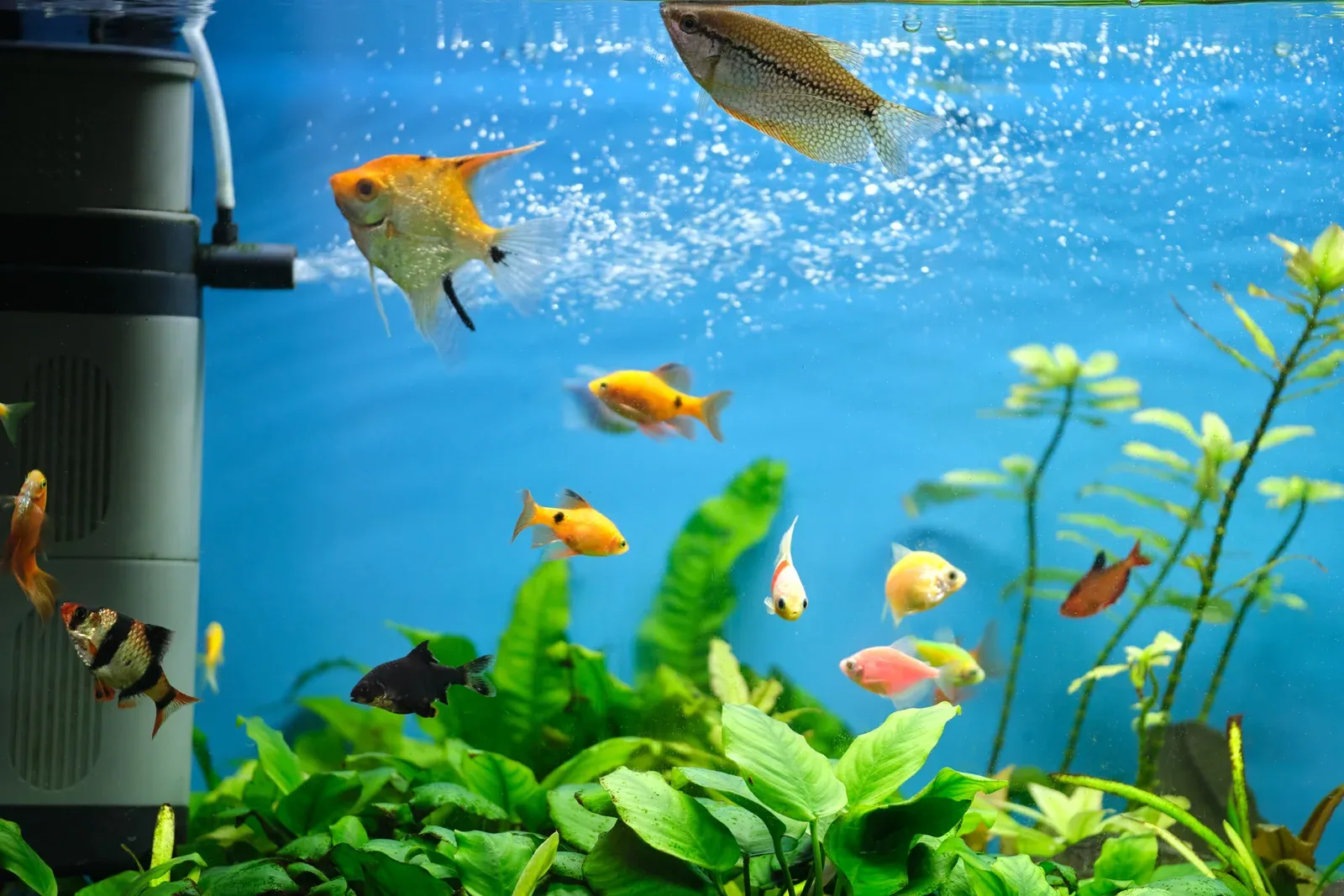
Credit: aquadecorbackgrounds.com
Frequently Asked Questions
What Is The Best Filter For Species-specific Tanks?
The best filter depends on the species’ needs. Generally, sponge or canister filters offer gentle, efficient filtration. They maintain water quality without stressing sensitive species.
How Often Should I Clean Filters In Species-specific Tanks?
Clean filters every 2-4 weeks. Avoid over-cleaning to preserve beneficial bacteria. Regular maintenance ensures optimal water quality and healthy tank inhabitants.
Can Improper Filtration Harm Aquatic Species?
Yes, poor filtration causes toxic buildup and low oxygen. This stresses or kills sensitive species. Proper filtration is crucial for tank health and species survival.
Should Filter Type Vary By Fish Species?
Yes, filter choice should match species behavior and sensitivity. Some species prefer gentle flow, others need stronger filtration. Customize filters for species-specific tank success.
Conclusion
Proper water filtering keeps your species-specific tank healthy and safe. It removes harmful substances and keeps water clear. Each species needs different water conditions to thrive. Using the right filter protects fish and plants. Regular maintenance helps the filter work well.
Clean water means happy and active tank inhabitants. Pay attention to your tank’s needs daily. Good filtering is a simple step to better tank care. Your fish will live longer and feel better. A small effort brings big rewards in tank health.