
Creating a thriving aquarium that mirrors the natural world of your favorite species can be incredibly rewarding. But how do you build a species-specific ecosystem that keeps your aquatic friends healthy and happy?
If you’ve ever wondered how to design the perfect environment tailored just for your fish or plants, you’re in the right place. This guide will walk you through the simple steps to create a balanced, beautiful habitat that feels like home to your aquatic pets.
Keep reading, and you’ll discover the secrets to making your aquarium come alive like never before.
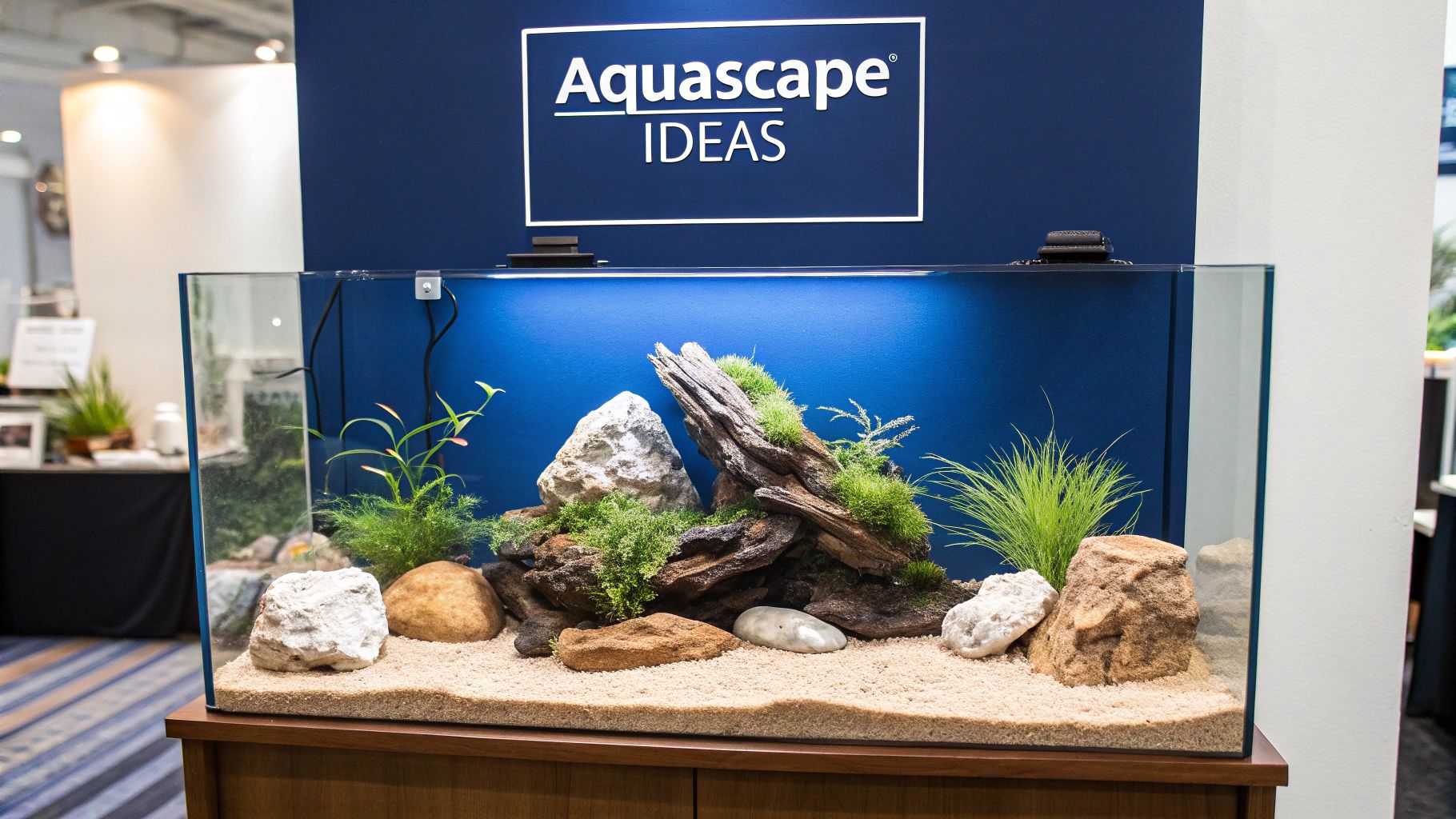
Credit: clixfueling.com
Choosing The Right Species
Building a species-specific ecosystem in your aquarium starts with choosing the right species. This ensures a healthy environment and balanced community.
Understanding the needs and behaviors of each species helps create a stable and thriving aquarium.
Researching Species Needs
Each species has unique water, diet, and habitat needs. Research their temperature range, pH level, and tank size requirements.
- Water temperature preferences
- pH and hardness levels
- Diet and feeding habits
- Space and hiding places
- Breeding behavior
Compatibility Considerations
Choose species that can live peacefully together. Avoid mixing aggressive fish with shy or slow species.
| Species | Temperament | Ideal Tankmates |
| Betta | Aggressive | Small peaceful fish |
| Tetra | Peaceful | Other small fish |
| Gourami | Semi-aggressive | Medium peaceful fish |
Selecting Native Plants And Animals
Using native plants and animals supports the natural balance of your aquarium. Native species often adapt better to water conditions.
Native species benefits:
- Improved water quality
- Natural shelter and food
- Supports local biodiversity
Designing The Aquarium Layout
Creating a species-specific ecosystem in an aquarium is exciting. It helps fish feel at home. Designing the layout is key to achieving this. It involves mimicking natural habitats, choosing the right substrate and decorations, and providing hiding and breeding spots.
Mimicking Natural Habitats
Each fish species has a unique natural habitat. Replicating these environments makes the fish comfortable. Start by researching the natural surroundings of your chosen fish.
Consider the water flow, plants, and rocks in their natural home. Try to recreate these elements in your tank. This helps fish exhibit natural behaviors.
Substrate And Decoration Choices
The substrate forms the base of your aquarium. Choose one that matches the natural habitat of the fish. Sand is good for bottom-dwellers, while gravel suits most freshwater fish.
- Sand: Ideal for soft-bellied fish
- Gravel: Versatile and easy to clean
- Specialty substrates: Enhance plant growth
Decorations add beauty and function. Use rocks, driftwood, and plants to mimic natural environments. Ensure decorations are safe and non-toxic for fish.
Creating Hiding And Breeding Spots
Fish need places to hide and breed. Hiding spots reduce stress and provide security. Use caves, plants, and hollow decorations for this purpose.
Breeding spots are crucial for species that lay eggs or need privacy. Provide flat stones or plant leaves for egg layers. Ensure these spots are in quiet areas of the tank.
| Hiding Spot Ideas | Breeding Spot Ideas |
| Caves and rocks | Flat stones |
| Thick plants | Broad leaves |
Water Quality Management
Building a species-specific ecosystem in an aquarium starts with good water quality. Water quality affects fish health and plant growth.
Managing water involves keeping parameters steady and clean. You must choose the right filtration and test water often.
Maintaining Optimal Parameters
Each species needs specific water conditions. Keep temperature, pH, and hardness stable to suit your fish and plants.
- Keep temperature in the right range for your species.
- Maintain pH levels that match natural habitat.
- Check water hardness for fish comfort.
- Avoid sudden changes to prevent stress.
Filtration Systems Selection
Choose a filter that fits your tank size and species needs. Filters remove waste and keep water clear.
| Filter Type | Best For | Maintenance |
| Hang-on-back | Small to medium tanks | Clean monthly |
| Canister | Large tanks, heavy bioload | Clean every 2 months |
| Sponge | Breeding tanks, fry | Rinse weekly |
| Undergravel | Low bioload tanks | Vacuum gravel monthly |
Regular Testing And Adjustments
Test water regularly to spot problems early. Adjust water parameters with water changes or additives.
- Test for ammonia, nitrites, and nitrates weekly.
- Check pH and hardness twice a month.
- Change 10-20% of water weekly or biweekly.
- Use conditioners to remove chlorine and chloramine.
- Adjust temperature with heaters or coolers.

Credit: jungleaquatics.com
Lighting And Temperature Setup
Setting up the right lighting and temperature is key to building a species-specific aquarium. These factors affect fish health and plant growth.
Each species needs conditions like those in its natural habitat. Adjusting light cycles and temperature helps create a balanced ecosystem.
Matching Natural Light Cycles
Fish and plants depend on natural light patterns. Matching these cycles keeps them healthy and active.
- Use timers to simulate sunrise and sunset
- Adjust light intensity to species needs
- Provide 8 to 12 hours of light daily
- Include periods of darkness for rest
- Choose light color that suits the ecosystem
Temperature Control Techniques
Keep water temperature steady within the species’ preferred range. Sudden changes can stress aquatic life.
| Technique | Description | Benefits |
| Heaters | Use aquarium heaters with adjustable thermostats | Maintain warm stable temperatures |
| Chillers | Install chillers for species needing cooler water | Prevent overheating in hot climates |
| Thermometers | Place digital or glass thermometers inside tank | Monitor temperature accurately |
| Insulation | Use foam or covers to reduce heat loss | Keep temperature steady overnight |
Feeding And Nutrition
Feeding and nutrition are key parts of building a species-specific ecosystem in an aquarium. Proper food helps fish and plants stay healthy.
Each species needs different types of food. Understanding these needs supports a balanced and natural environment.
Dietary Needs Of Species
Fish and aquatic animals have different diets. Some eat plants, some eat meat, and some eat both.
Knowing what your species eats helps you choose the right food. It also prevents health problems and keeps the ecosystem stable.
- Herbivores need algae and plant-based foods.
- Carnivores require live or frozen insects and small fish.
- Omnivores eat a mix of plants and animal proteins.
- Some species need special supplements like vitamins or minerals.
Feeding Schedules And Methods
Feeding schedules keep fish healthy and reduce waste. Overfeeding can harm water quality.
Use feeding methods that fit your species. Some prefer food on the surface, others at the bottom.
- Feed small amounts two to three times daily.
- Use sinking pellets for bottom feeders.
- Offer live or frozen food for carnivores.
- Remove leftover food to keep water clean.
Monitoring And Maintenance
Keeping a species-specific ecosystem in an aquarium healthy needs regular care. Monitoring and maintenance help keep the environment stable.
This section covers cleaning routines, health checks of the animals, and how to adjust the ecosystem if needed.
Routine Cleaning Practices
Cleaning your aquarium helps prevent disease and keeps water quality high. Regular tasks remove waste and excess food.
- Change 10-20% of the water weekly to reduce toxins
- Clean the glass to remove algae build-up
- Vacuum the substrate to remove debris
- Rinse filters in tank water to avoid killing beneficial bacteria
- Remove dead plant material promptly
Health Monitoring Of Inhabitants
Watch your fish and plants daily. Early signs of sickness or stress can save lives if caught early.
| Sign | Possible Cause | Action |
| Clamped fins | Stress or poor water quality | Check water parameters and improve filtration |
| White spots | Ich parasite | Isolate fish and treat with medication |
| Yellowing leaves | Nutrient deficiency | Add appropriate fertilizers |
| Lethargy | Illness or poor water quality | Test water and observe fish closely |
Adjusting Ecosystem As Needed
Make changes to water conditions, plants, or animals to keep the ecosystem balanced. Adjust slowly and watch effects.
Key adjustments include:
- Changing water temperature within species needs
- Adding or removing plants to control algae or oxygen levels
- Adjusting feeding amounts to prevent waste buildup
- Introducing compatible species to improve ecosystem diversity
Troubleshooting Common Issues
Building a species-specific ecosystem in an aquarium can be rewarding. Still, some problems may arise that need quick attention. Knowing how to handle these issues helps keep your aquatic life healthy.
This guide covers three common problems: algae overgrowth, disease outbreaks, and compatibility problems. Each section offers clear advice for solving these challenges.
Dealing With Algae Overgrowth
Algae can grow fast and cover tank surfaces, harming water quality. Control algae by balancing light and nutrients in the aquarium.
- Reduce light exposure to 6-8 hours daily
- Avoid overfeeding fish to limit excess nutrients
- Use algae-eating species suitable for your ecosystem
- Perform regular water changes to remove algae spores
- Clean tank surfaces gently without stressing fish
Managing Disease Outbreaks
Disease can spread quickly in a closed ecosystem. Early detection and treatment are key to saving your fish and plants.
| Symptom | Possible Cause | Action |
| White spots on fish | Ich parasite | Quarantine and medicated bath |
| Red or inflamed skin | Bacterial infection | Change water and use antibiotics |
| Fish hiding or not eating | Stress or illness | Check water quality and isolate sick fish |
| Cloudy water | Overfeeding or poor filtration | Clean filter and reduce feeding |
Addressing Compatibility Problems
Some species may not live well together. Watch behavior closely to avoid fights or stress.
- Research species before adding them to the tank
- Choose fish with similar size and temperament
- Provide enough hiding spots and space
- Separate aggressive fish into different tanks
- Observe daily and act on signs of bullying or stress

Credit: tanninaquatics.com
Frequently Asked Questions
What Is A Species-specific Aquarium Ecosystem?
A species-specific ecosystem is designed for one type of fish or aquatic species. It mimics their natural habitat. This approach ensures better health and natural behavior. It reduces stress and promotes breeding. It requires tailored water parameters, plants, and decorations.
How To Choose The Right Species For My Aquarium?
Select species based on tank size and water conditions. Research their natural habitat and compatibility. Avoid aggressive or territorial species unless you have enough space. Consider their diet and care level. Choose species that thrive in similar water parameters for a balanced ecosystem.
Why Is Water Parameter Control Important?
Water parameters like pH, temperature, and hardness affect fish health. Each species needs specific conditions to survive and thrive. Proper control prevents diseases and stress. It also supports plant growth and beneficial bacteria. Regular testing and adjustments keep the ecosystem stable.
What Plants Suit Species-specific Aquariums Best?
Choose plants native to the fish’s natural environment. They provide hiding spots and improve water quality. Examples include Java moss for tropical tanks or Anubias for low light. Plants also reduce nitrate levels and oxygenate water. Matching plants help replicate a natural ecosystem.
Conclusion
Building a species-specific aquarium ecosystem takes care and patience. Choose plants, fish, and decorations that suit your species well. Keep water conditions stable and clean for a healthy environment. Watch your aquarium regularly to spot any problems early. Enjoy the natural beauty and balance you create.
This approach helps your aquatic pets thrive and stay happy. A well-planned tank brings joy and peace to your space. Simple steps lead to a stunning, living underwater world.